





 Portuguese
  English
  Spanish
  3 min of reading


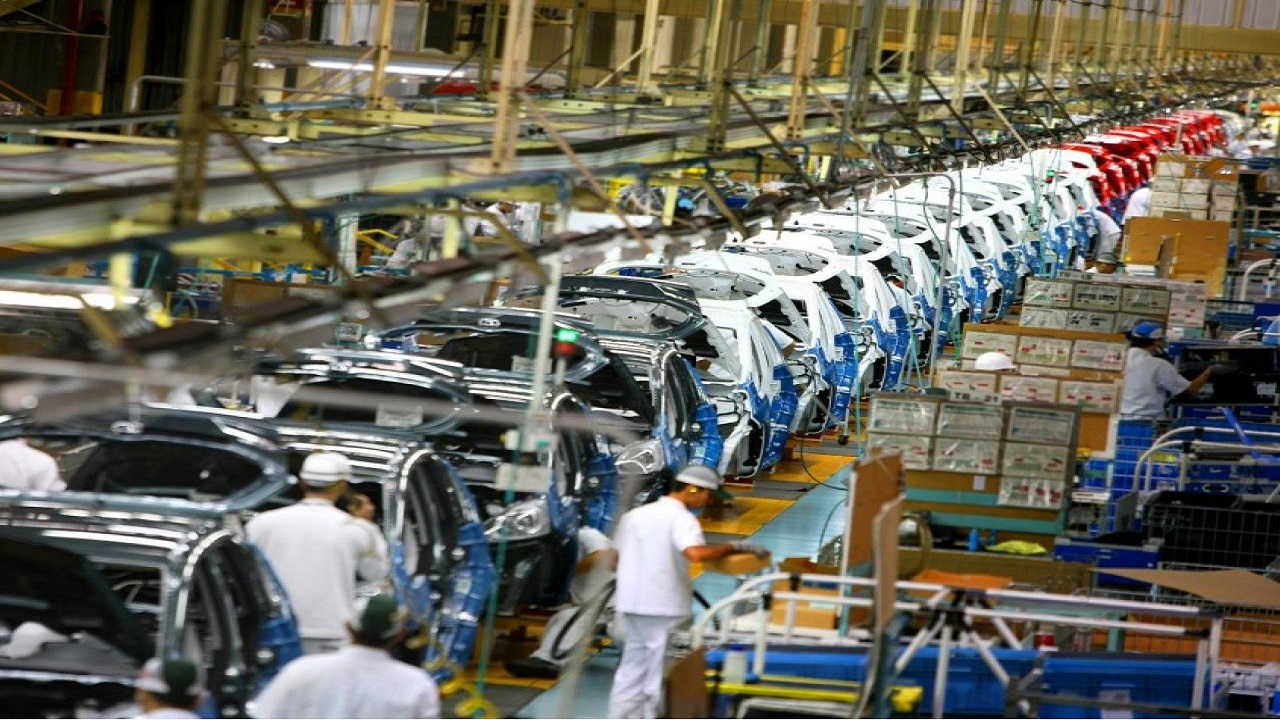
Atsuhi Fujimoto, New President of Honda in South America, Announced the Reduction in Automobile Production in Factories in Brazil
Under the leadership of the new president of Honda in South America, the company announces its intention to reduce automobile production in its Brazilian factories. By the end of the year, there is a likelihood that the multinational will no longer manufacture the Sedan Civic and the Hatch Fit.
Read Also
Reduction of the Multinational Honda in Brazilian Factories
According to Fujimoto, Honda’s new products are expected to meet the multinational’s global standards in safety, environment, and connectivity. Thus, the idea is for the executive’s first step to utilize more efficient engines in the automobiles.
In his first meeting with journalists, he stated that new investments will be applied to the planned launches; however, he did not disclose the amounts nor the models that will receive the investment, avoiding confirming or denying information that, by the end of the year, the company will stop producing the Sedan Civic and the Hatch Fit, and, in return, launch the new City.
-
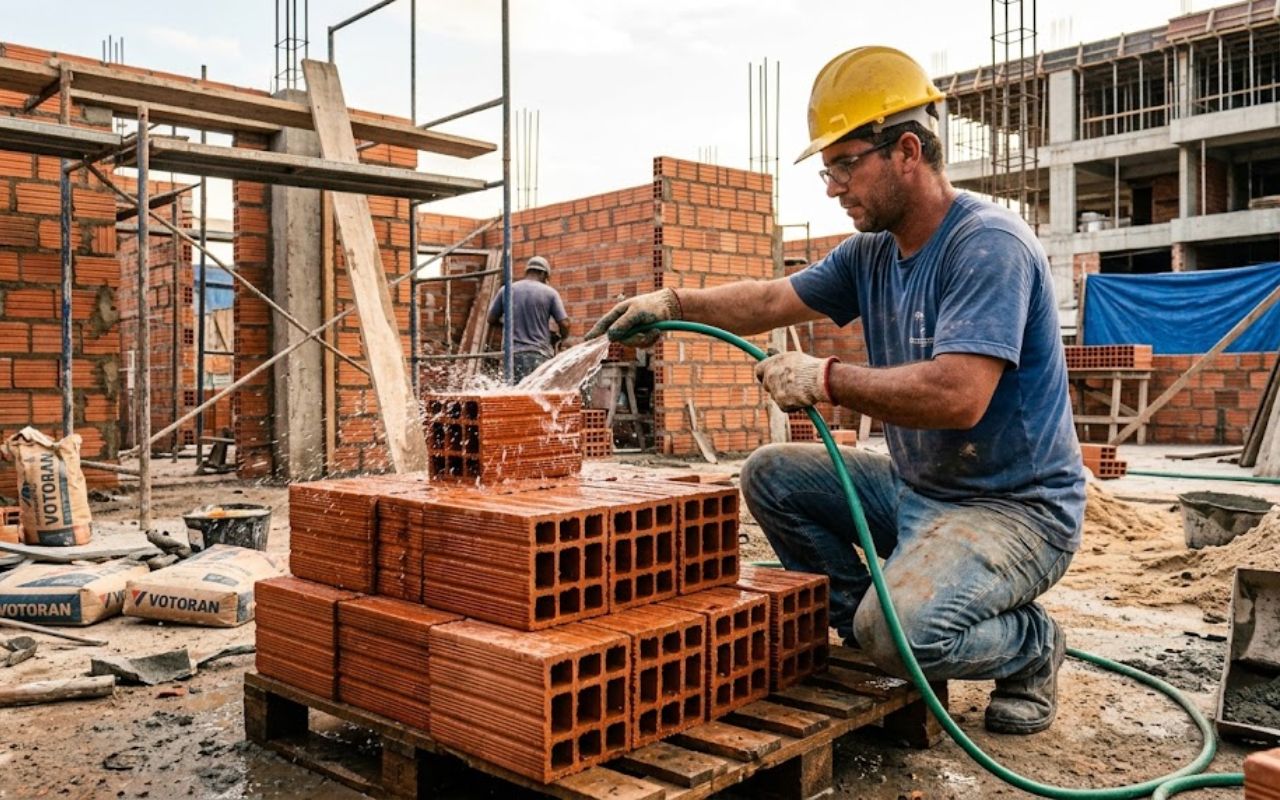
A simple technique of wetting the brick before laying it prevents cracks, improves the adhesion of the mortar, reduces fissures, and ensures stronger walls and more durable constructions.
-
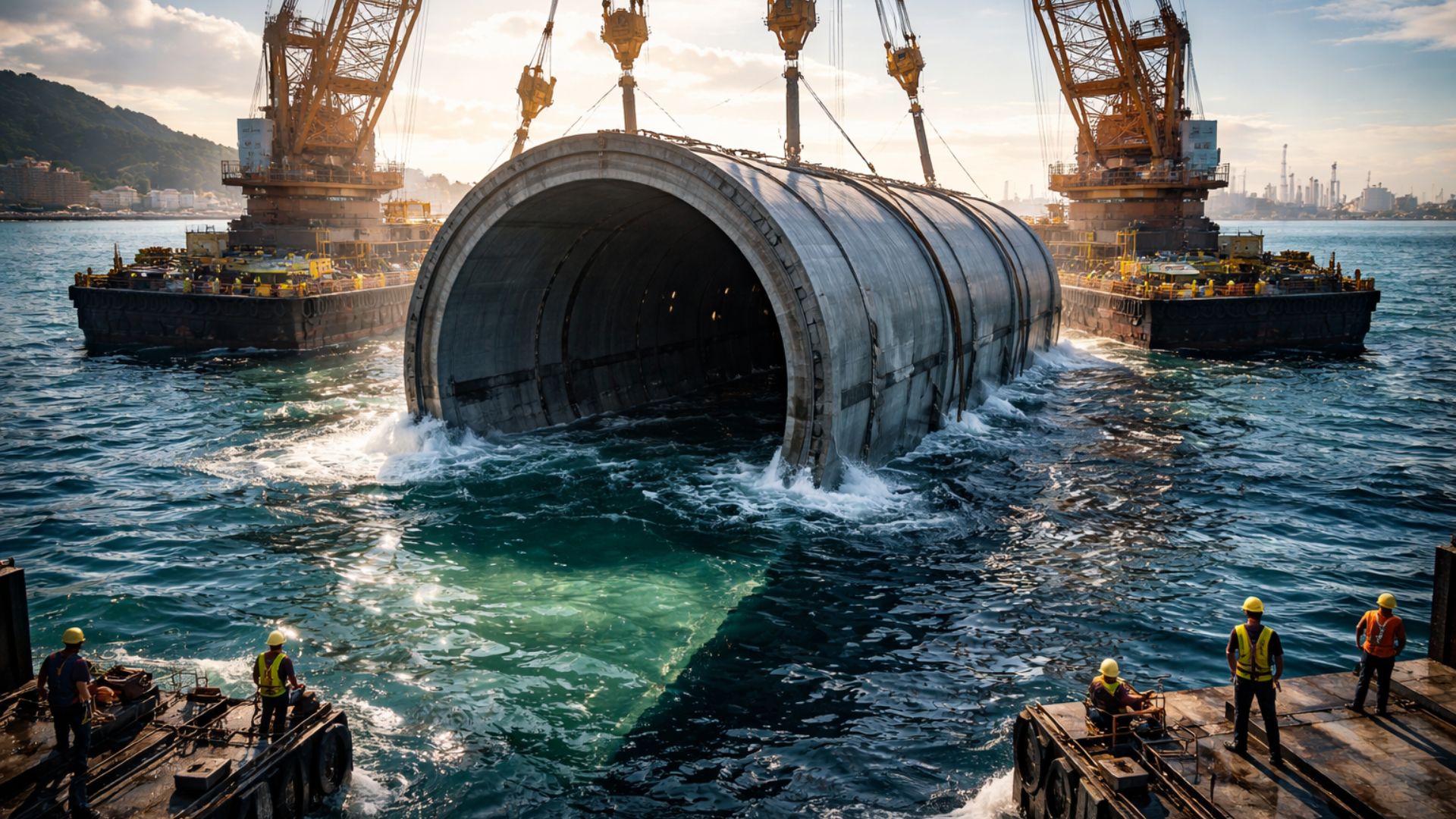
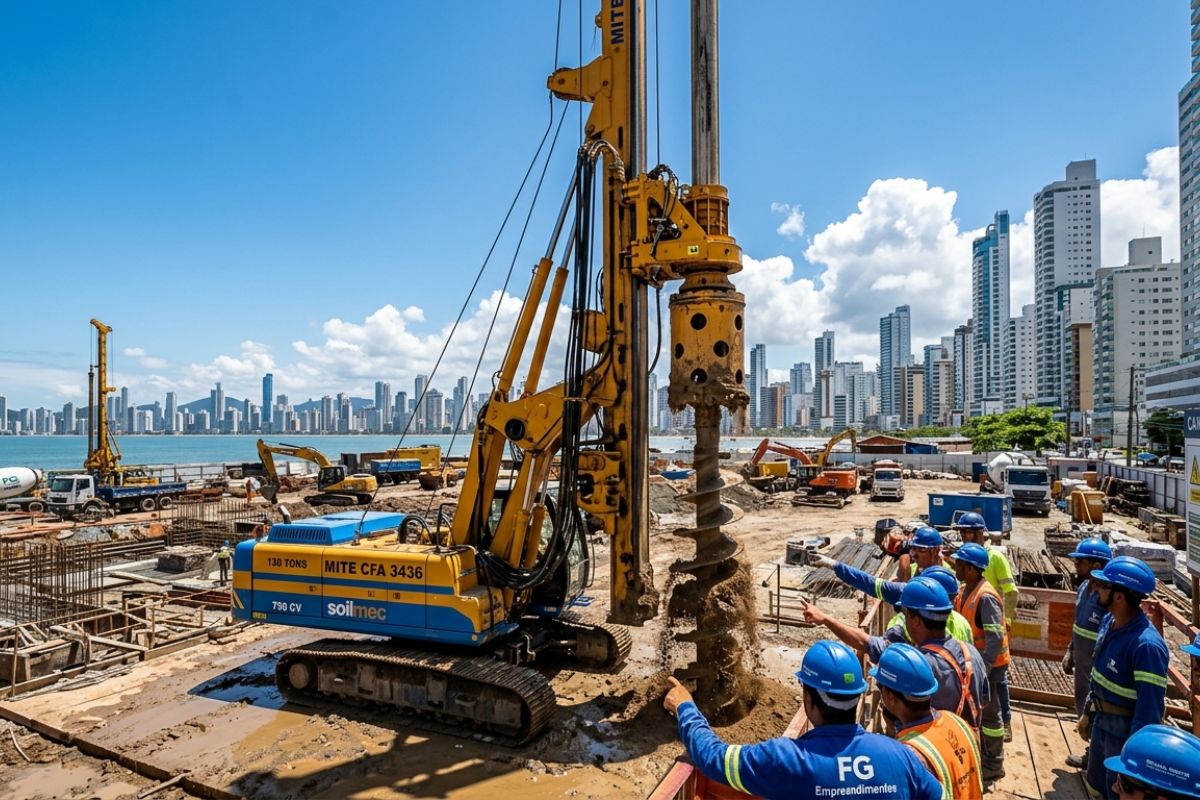
The government opens the vault and deposits R$ 2.6 billion for the construction of Brazil’s first underwater tunnel, with a length of 1.5 km, 870 m under the sea, a total project cost of R$ 6.8 billion, and a 30-year concession.
-
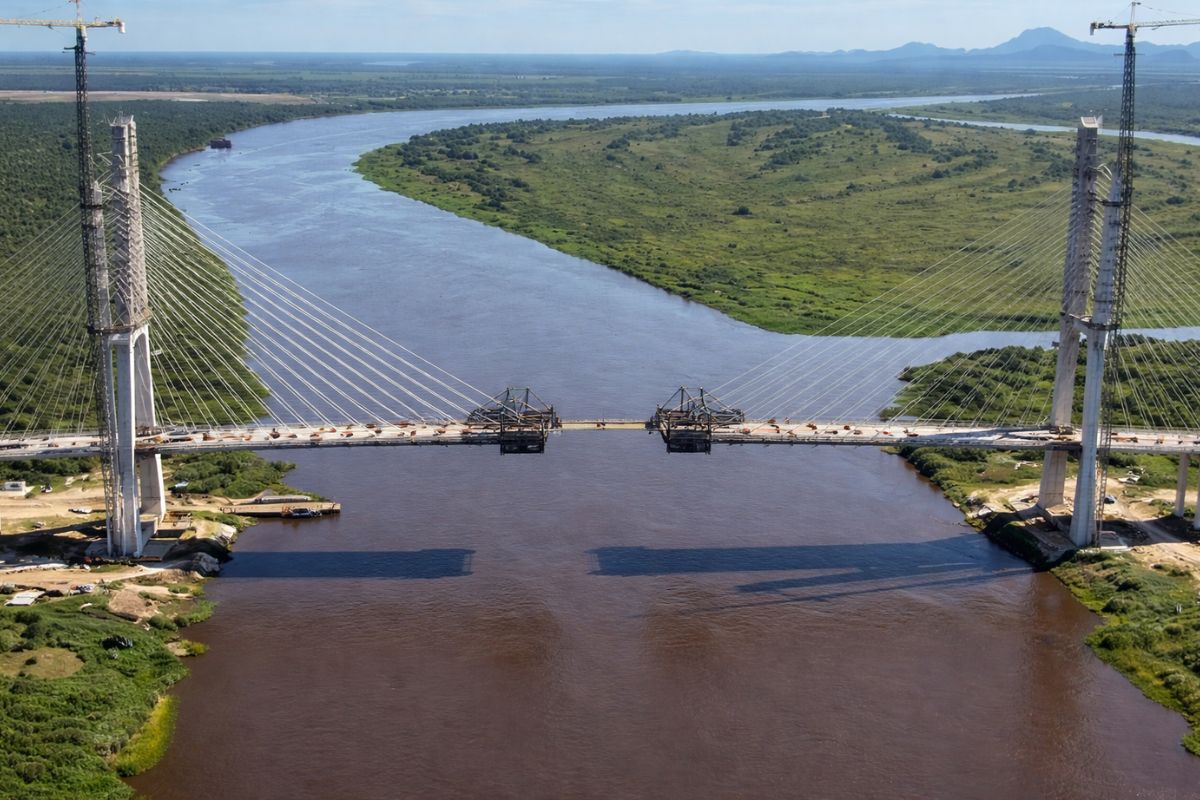
Only 46 meters remain for Brazil and Paraguay to connect via the Bioceanic Route bridge, the project that will link the Atlantic to the Pacific by land and change the logistical map of four countries in South America.
-
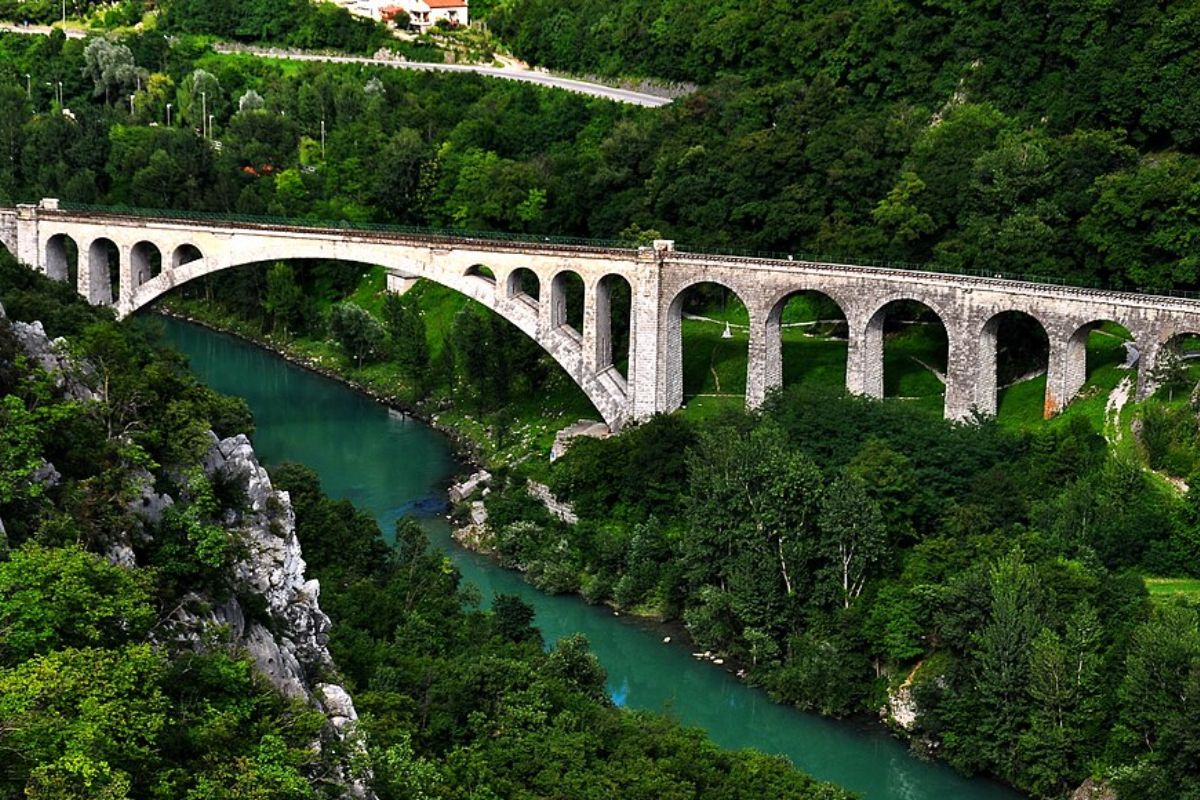
The bridge that holds the largest stone railway arch in the world: built over 100 years ago, destroyed in the war, and rebuilt to continue operating to this day, it still carries trains over the Soča River in Slovenia.

The executive added that the multinational Honda still intends to continue operating in Brazil with its two factories in Sumaré and Itirapina, which have the capacity to produce 240,000 automobiles per year. According to him, this is more than enough for what the company needs.
Honda Automobiles and Their Space in the Market
With few impactful launches and production from factories below demand, the multinational’s line of automobiles began to lose market share. In 2020, the automaker sold about 84,000 automobiles in Brazil, a drop of approximately 35% compared to 2019. Even with this decline, the sales figure is still much higher than the market average, which is around 27%, allowing the multinational to reach the ninth place among the best-selling brands.
This year, there was a 20% increase in sales, and 33,700 cars have been registered from January to May; however, it is still a number below the average growth. Fujimoto acknowledges the poor performance of the automaker and states that it was a global problem for Honda, which in recent years has undergone a restructuring to recover its profitability, leading to the closure of some factories worldwide.
Difficult Times for Honda in Brazil
Fujimoto has been with the multinational since 1986, working in sales and product planning areas. In addition, he has work experience in Asia, where he led operations in China, Malaysia, and Thailand.
This is his first time serving in South America, and the president recognizes the difficulties faced in the region. He states that he arrived at a special moment as the company celebrates 50 years of operations and is aware of the Brazilian economy. “There are challenges but also opportunities. We just need to be cautious,” he said.







Seja o primeiro a reagir!