Portuguese
  Spanish


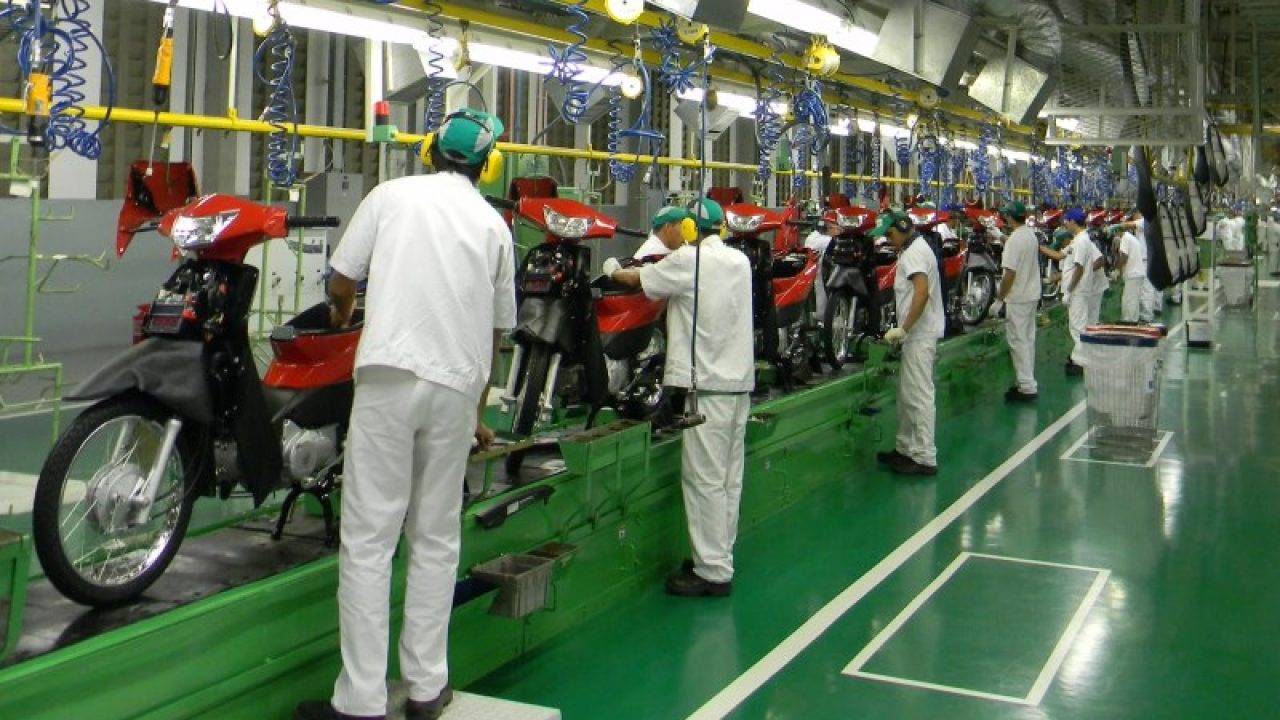

The Goal of Honda Is to Revitalize the Facility, Reorganize the Production Flow, and Reduce Parts Movement at the Plant
Currently, about 6,000 people work at Honda in its unit in Manaus, with a daily production of around 3,700 motorcycles. The goal is to regain the productivity reference that the Honda factory once had within the group. Compared to 2011, when productivity peaked at 6,800 units per day with 11,000 workers, these numbers could become a reality if the pension reform is approved under the parameters proposed by the government.
Today, Honda operates five motorcycle assembly lines, but only 1 operates daily, while the others maintain operational activities during business hours, naturally for cost containment.
-
Over 2,000 Tons of Discarded Fishing Nets Since 2020 Repurposed into Durable Caps, Fins, and Parts

-
Seals and Sea Lions Lose Habitat and Food as Climate Change Advances, Impacting Ice, Prey, and Coastal Communities

-
Brazilian Innovator Uses 3D-Printed Device to Cool Two Rooms with One Air Conditioner
-
China Uses 432 Robots to Move a 7,500-Ton Historic Building in Shanghai, Preserving Architecture While Creating Space for Underground Center


Another major issue the company faces is logistics, and despite many not believing it, in the 43 years that Honda has operated in Manaus, motorcycles still leave by boat from Manaus to Belém. For the Northeast region, production continues via cabotage. For the Central-West, Southeast, and South regions, the alternative is trucks.
This logistical fact naturally influences the costs of this production, such as high fuel expenses. Tires come from Gravataí [RS]. Steel comes from Usiminas [MG] or CSN [RJ].
As their activities still occur in the Free Trade Zone, which offers “incentives” for Honda to remain in the region, the tax burden is still one of the main obstacles blocking its investments.
Inova, a company in Manaus that operates in the industrial sector manufacturing plastics and other inputs, is also hiring technicians for its production line, access the article here for more information and to apply.