Portuguese
  Spanish




4,500-Year-Old Inscriptions, Tombs Next to Giza, and Human Remains Showing Signs of Medical Treatment Confirm That Well-Fed and Organized Workers Built the Pyramids
Who Built the Pyramids of Egypt has always been a topic of debate, involving theories ranging from slave labor to extraterrestrial interference. However, new archaeological discoveries in Giza have changed the course of this narrative. Recent research indicates that the builders were paid workers who were well-fed, living in villages close to the construction site. The information was published by the CBN portal, part of the Globo group.


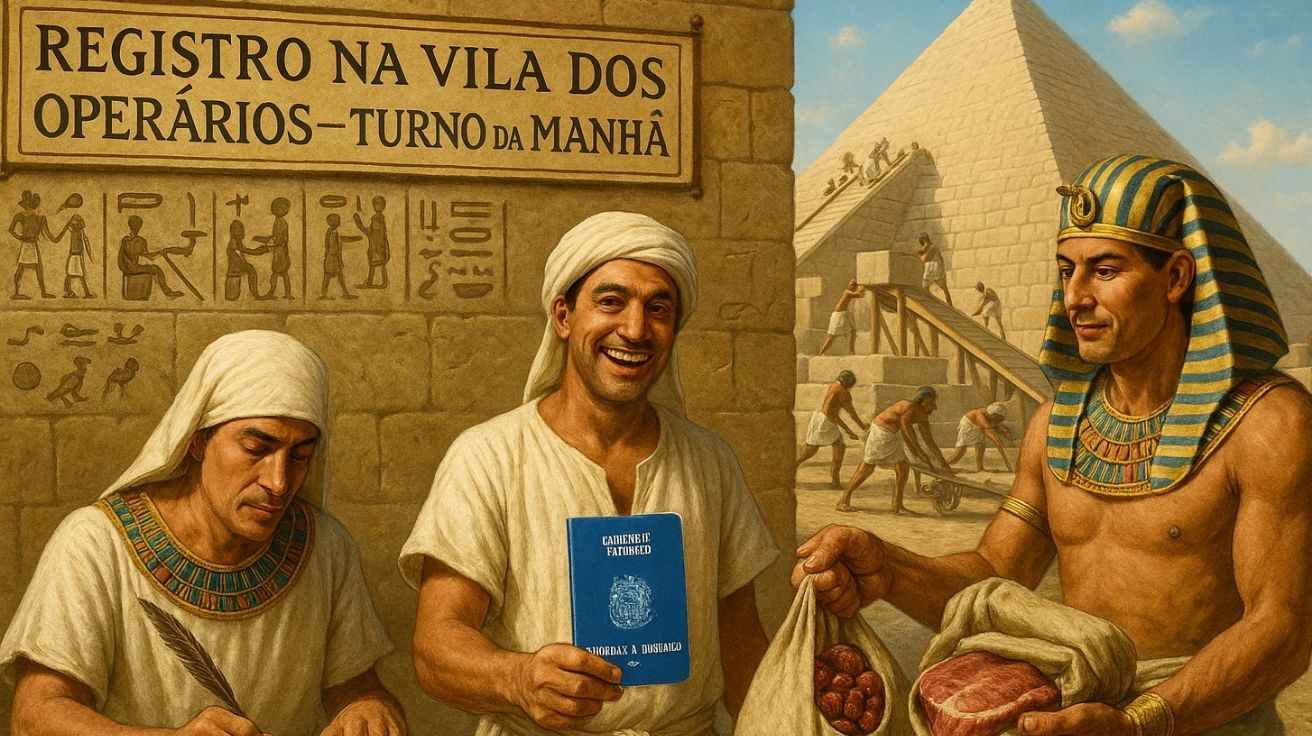
These findings were led by the Egyptologist Zahi Hawass, who discovered inscriptions dated to over 4,500 years ago describing the daily life of these workers. The records detail the work routine and methods of transporting the stone blocks used in construction. Contrary to previous beliefs, the workers were skilled and received food such as dates, meat, vegetables, and poultry as payment.
Additionally, an exclusive cemetery for the builders was identified near the pyramids of Giza. The site has elaborately constructed tombs, a sign of prestige and respect, which would be unthinkable if the workers were enslaved. According to Hawass, “if they were slaves, they would not have been buried in the shadow of the pyramids”.
-
15-Year-Old Entrepreneur Malu Lira Publishes 20 Children’s Books on Financial Education, Earns $500,000, and Expands Her Project to the Amazon Rainforest

-
Entrepreneur Turns Rio Cemetery Canteen into a Successful Snack Chain Generating $4.9 Million Annually and Expanding to Metro Stations

-
Rare fox feared “extinct” found alive on Caribbean island after over two decades without official sightings

-
21-Year-Old Brazilian Student Turns Homemade Popsicle Hobby into $100,000-a-Month Business





Workers Lived in Organized Villages with Food, Rest, and Medical Care
Researchers found that the workers lived in a worker city near the construction site. This village included trade areas, dormitories, kitchens, and medical care areas. Human bones found showed signs of treated fractures, reinforcing the theory that these men were cared for and valued during their service.
According to Mark Lehner, director of the Ancient Egypt Research Associates, some workers in higher positions might have even received land as a reward, though this information still lacks definitive proof. The existence of hierarchies and incentives points to an organized and non-compulsory labor structure.
Another point that reinforces this theory is the discovery of graffiti made by the workers themselves inside the so-called King’s Chamber. The records show teams named with titles like “Friends of Khufu” and describe techniques such as the use of ramps covered with mud and rubble to lift the heavy stones.
The Pyramid of Khufu Required Over 2 Million Blocks and Skilled Labor
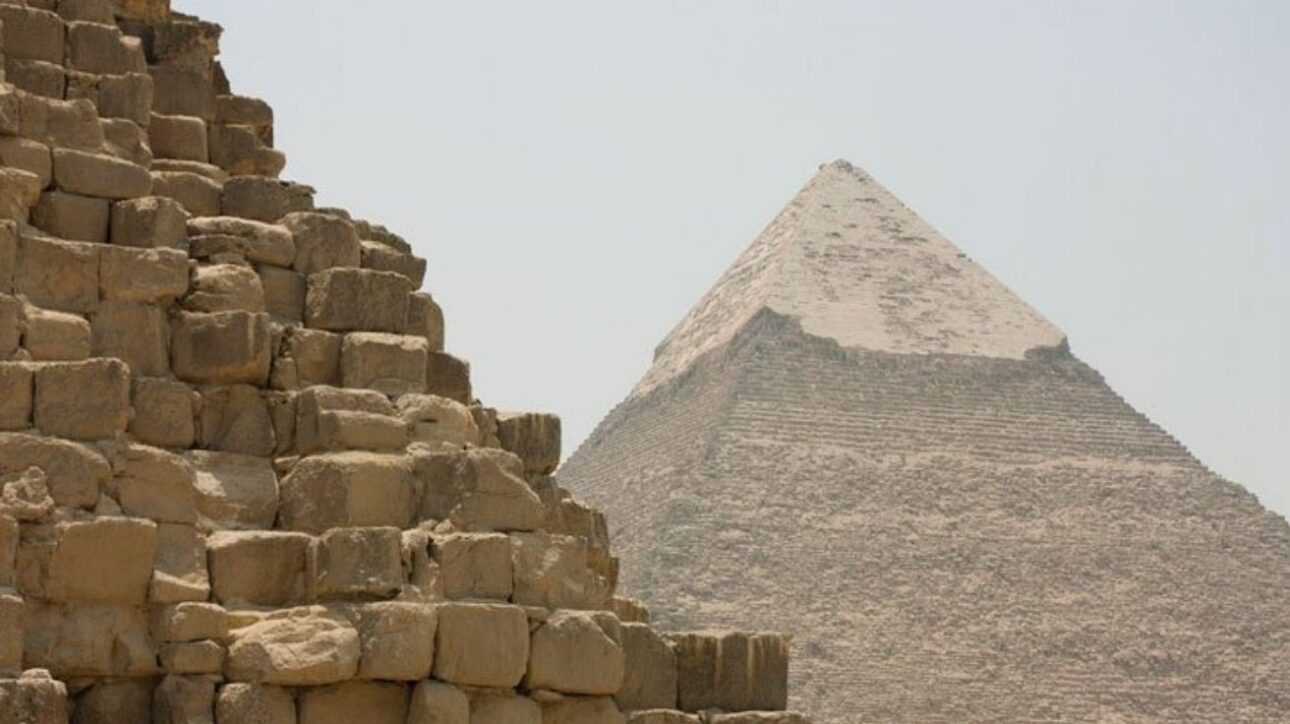
The construction of the Great Pyramid of Giza, attributed to Pharaoh Khufu, involved over 2 million stone blocks. It is estimated that each block weighed between 2 and 15 tons, requiring logistical and technical precision for perfect fitting. To achieve this, the Egyptians employed skilled workers, including masons, artisans, engineers, and managers.
As revealed by the Diary of Merer, a papyrus discovered in 2013, white limestone blocks were transported via barges along the Nile River from the Tura quarries to Giza. This diary reinforces how the logistics involved detailed planning, evidence of a state project with significant resources and organization.
It is important to highlight that all pyramids were built on the west bank of the Nile, an area associated with the realm of the dead in Egyptian mythology. This strategic location also underscores the symbolic care given to royal funerary structures.
Findings Reinforce That Those Who Built the Pyramids Had Recognition and Social Status
The evidence gathered from archaeological sites, papyri, and inscriptions inside the pyramids forms a solid set of proof that those who built the pyramids were not slaves or beings from another planet, but Egyptian citizens organized in teams, with specific roles and compensation commensurate with the time.
The theory of aliens or forced labor, though popular in entertainment productions, loses ground in light of recent discoveries. The presence of planned cemeteries, social structures in the villages, and records written by workers challenge decades of unfounded assumptions.
In this way, contemporary studies not only clarify one of humanity’s greatest historical enigmas but also value the human effort involved in one of the most impressive architectural feats of antiquity.