





 Portuguese


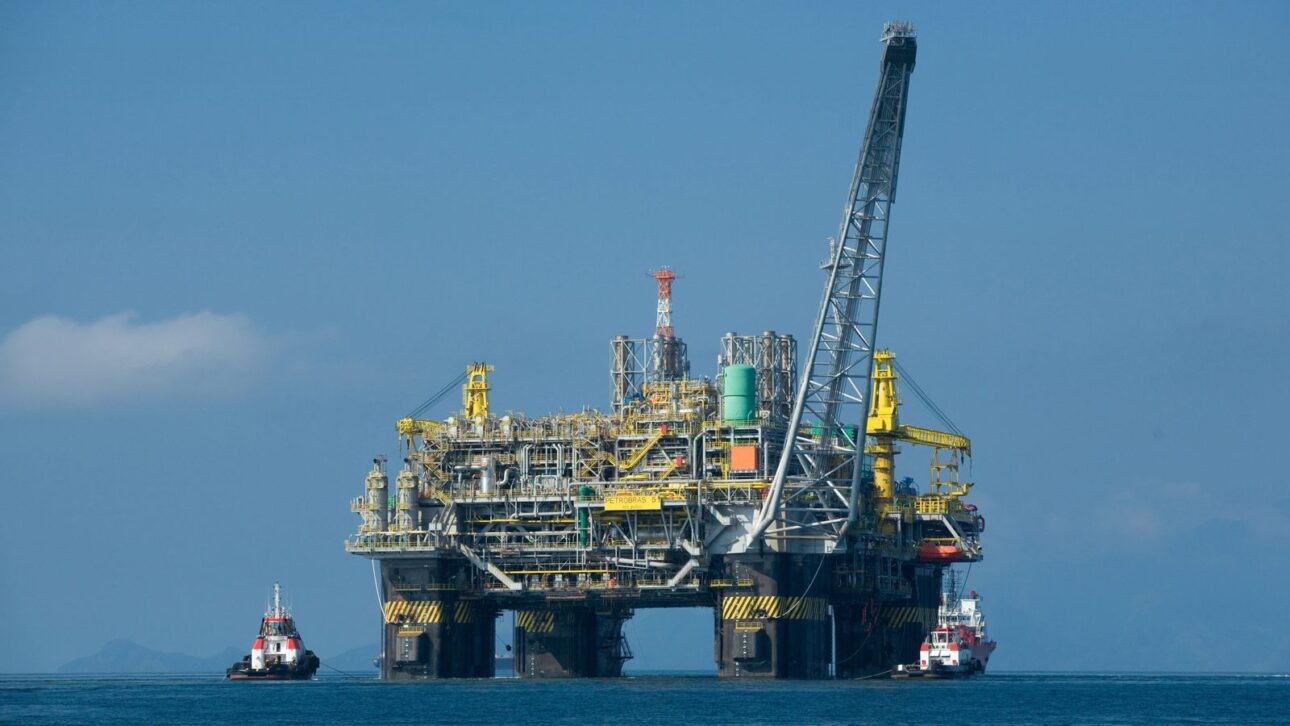

The Mercosur-EU agreement requires Brazil to halve the 12% export tax on oil sold to Europe.
The export tax on Brazilian oil falls by half on cargoes sold to the European Union. The reduction stems from the trade agreement between Mercosur and the European bloc.
The calculation was published by OilPrice on Thursday, November 19, 2026, in an analysis by Natalia Katona, a commodities analyst based in the United Arab Emirates.
With oil at about $77 a barrel on an FOB (free on board) basis, the tax comes to $4.62 per barrel on sales to Europe.
-
Brazilian pre-salt Tupi crude’s premium for Asian sales falls from nearly US$20 to US$7-$8 a barrel as tanker freight rates retreat about 50% from October’s peak

-
India on track to buy about 230,000 barrels per day of Brazilian oil in November, doubling the previous average
-
EU delays methane compliance for imported oil and gas to 2029, giving Brazil two more years as Europe’s top buyer in September
-
Russia’s refinery throughput drops 45% after Ukrainian drone strikes, impacting Brazil’s diesel imports


For cargoes bound for China or India, the charge reaches $9.24 per barrel.
For Brazil, the difference has also changed the destination of its oil exports. Shipments to the European Union rose from 490,000 barrels per day in February to 975,000 barrels per day in August.
How the oil export tax works
The export tax on crude oil was created by Provisional Measure No. 1,340, dated March 12, 2026. The government responded to the shock triggered by the war between the United States and Iran.
The background is set out in the SEI Information Note No. 2350/2026, from Brazil’s Ministry of Finance, signed on August 25, 2026, and published by Camex, Brazil’s Chamber of Foreign Trade.
After the provisional measure, Camex’s Executive Management Committee (Gecex) Resolution No. 938, dated July 9, 2026, kept the rate at 12%. The measure was set to last 60 days, starting July 10.
Oil analyst Giovanni Staunovo noted on X on July 9 that the 12% tax would remain in place:
The charge applies to crude oil under code 2709 of Mercosur’s Common Nomenclature.
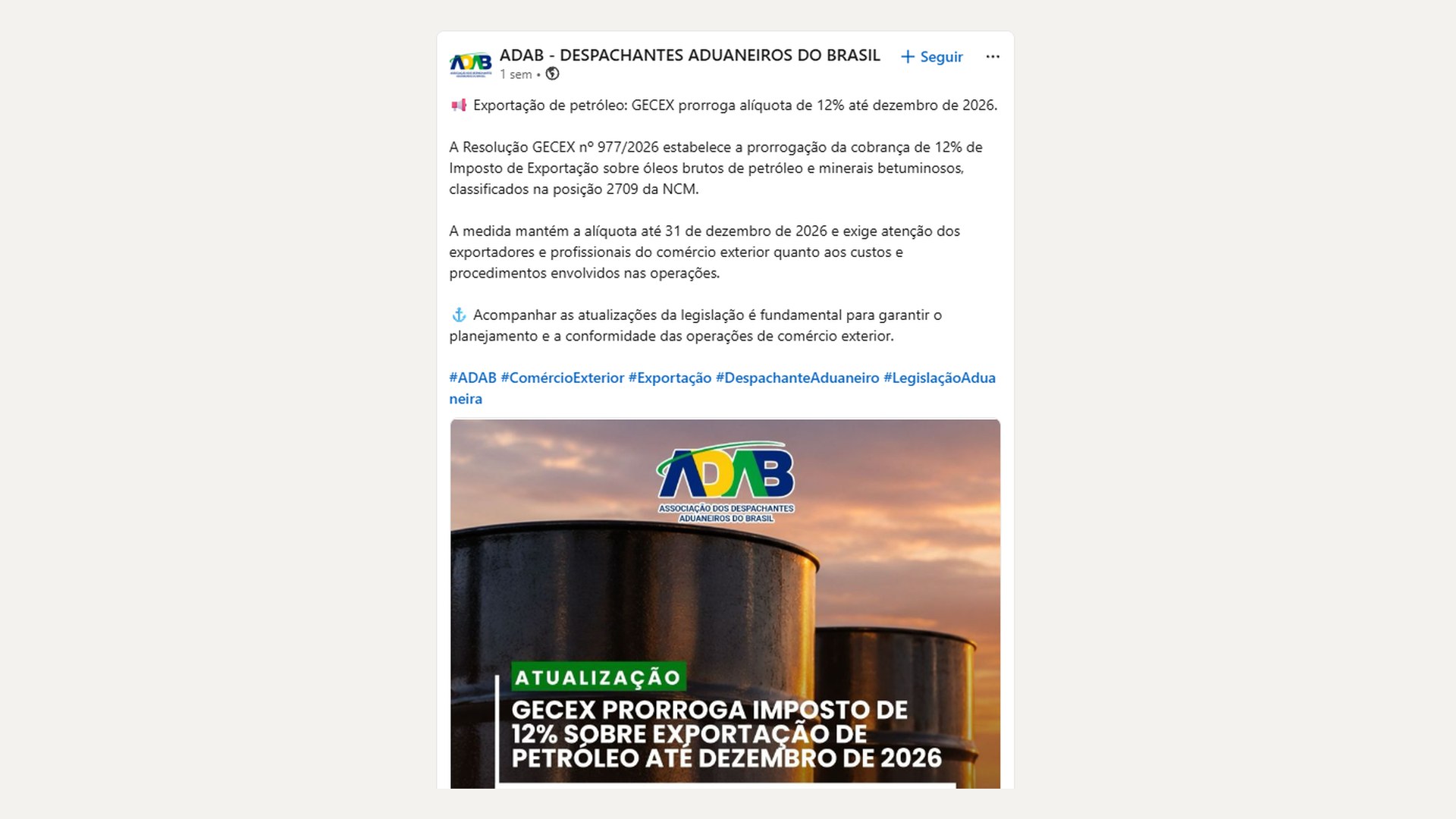
OilPrice reports that the tax, calculated on an FOB (free on board) basis, has already been extended three times. The latest extension runs through December 31.
SBT News reported the extension of the oil export tax through December 31:


What the tax is for, according to the government
The Finance Ministry’s statement describes the export tax as a temporary tool for responding to the geopolitical shock in the energy market.
The measure changes the incentives for exporting crude oil versus selling it in Brazil. Its goal is to preserve feedstock supplies for domestic refineries and reduce risks to the supply of refined products.
In the document, the Finance Ministry recommended keeping the rate at 12% for another 60 days and found no technical grounds for raising it. The final decision rests with the relevant authorities.
What the agreement with the European Union changes
The provisional trade agreement between Mercosur and the European Union was signed in January and began provisional application on May 1.
Vice President Geraldo Alckmin announced the decree that launched the agreement’s effects on X:
Under the agreement, Brazil must cut by at least 50% the export taxes covered by the deal, OilPrice reports. The rule applies to shipments bound for the European Union.
In practice, oil sold to Europe is subject to half the export tax rate charged on shipments to Asia.
The analyst estimates the advantage for European buyers at between US$4 and US$5 per barrel.
The rule does not apply to Norway. The country, which is outside the European Union, has also bought Brazilian oil, but those shipments are not eligible for the lower rate.
Oil exports to Europe rise to 975,000 barrels per day
Brazilian oil shipments to the European Union rose from 490,000 barrels per day in February to 975,000 in August.
Over the same period, the European bloc’s share of Brazilian oil exports climbed from about 22% to approximately 34%, according to OilPrice.
Times Brasil, a CNBC-licensed outlet, showed the growth in Brazilian exports to the European Union after the agreement:

Shipments to Europe fell to 400,000 barrels per day in September, then rebounded to 640,000 barrels per day in October.
Brazil’s total exports were about 2.80 million barrels per day in September and 2.95 million in October.
Brazil became the European Union’s fifth-largest oil supplier, behind the United States, Norway, Kazakhstan and Libya.
Europe overtakes China as a destination in September
Official Brazilian data show the same shift. In September, Europe received 38% of Brazil’s crude oil exports. China took 34%, according to an Oct. 16 report by Eixos.
In August, the ranking was reversed: China accounted for 39% of Brazilian oil exports, while Europe accounted for 29%.
Total exports in September were 13.75 million cubic meters, based on Comex Stat data.
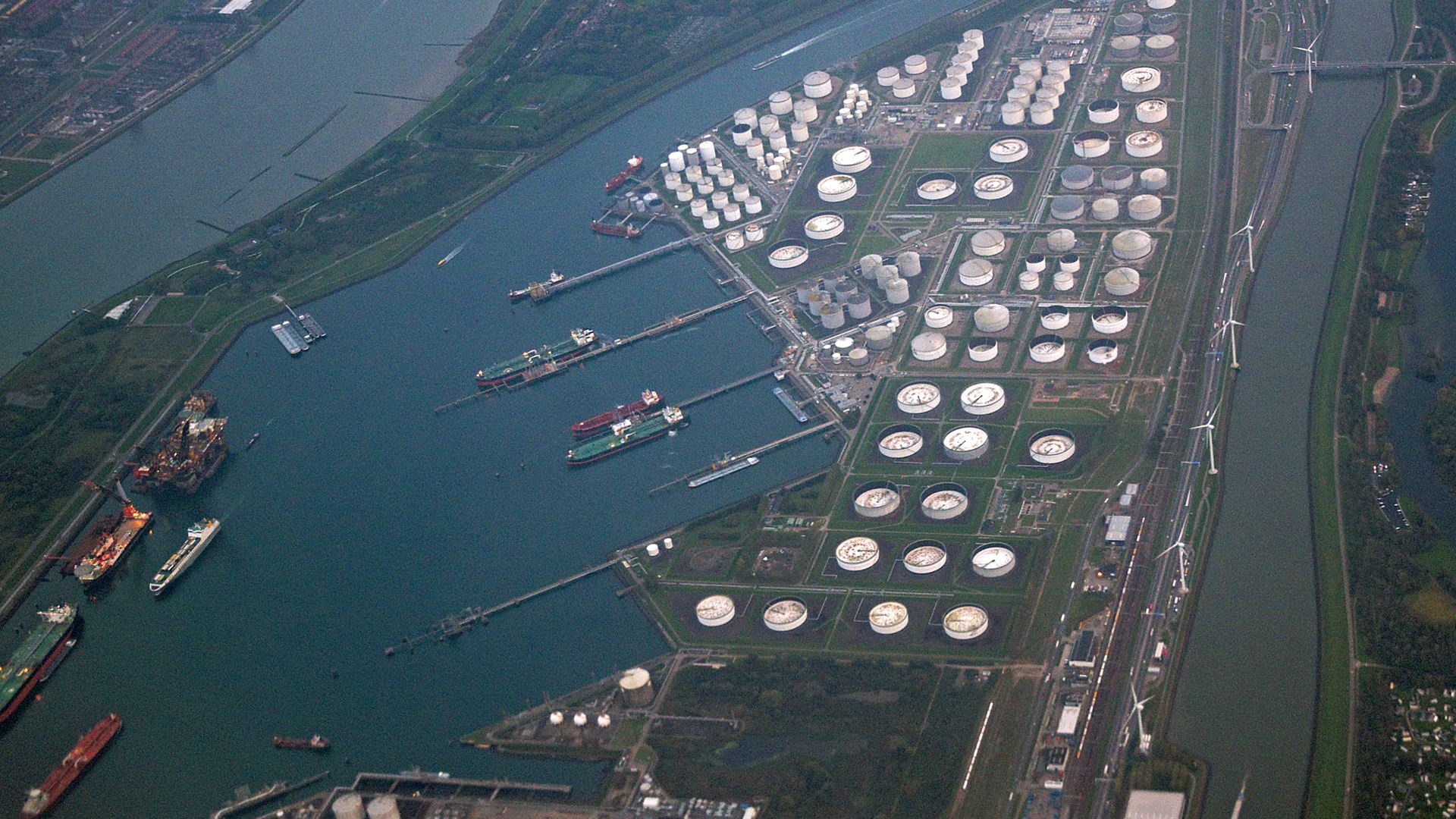
The Netherlands received nearly 1.5 million cubic meters. OilPrice lists the Amsterdam-Rotterdam-Antwerp region, as well as Spain, Portugal, Poland, France and Italy, as European destinations.
Oil shifts Brazil’s trade balance with Europe
The Icomex survey by Fundação Getulio Vargas, cited by eixos, shows the impact on the trade balance.
From January to September 2025, Brazil had a $1 billion trade deficit with the European Union. In the same period of 2026, it posted a $6.1 billion surplus.
The European Union’s share of Brazilian exports rose from 14.2% to 20.2% in one year. Crude oil accounted for 34.1% of exports to the bloc and grew 139% in value.
eixos links the increase in sales to the Middle East crisis, which took suppliers out of the market, and to European embargoes on Russia.
Which Brazilian crude oil Europe buys
Crude oil production from the Mero field has nearly tripled since 2024, reaching 570,000 barrels per day.
Mero crude has an API gravity of 29 degrees and a sulfur content of 0.31%, the lowest among Brazil’s three main grades.
OilPrice says this profile is well suited to producing low-sulfur marine fuel oil, which has been required under International Maritime Organization rules since 2020.
Discounts on Tupi and Búzios crude made those grades cheaper for European refineries than Norway’s Johan Sverdrup crude. The price advantage held even after freight costs.
In mid-October, Tupi crude was trading about $25 per barrel below Brent on an FOB (free on board) basis.
The discount later narrowed to about $15, still about $10 below summer levels.
High freight costs also pushed crude oil toward Europe
Freight for a supertanker from Brazil to China rose from $6 per barrel in February to $36 per barrel in October.
Suezmax vessels carry more than half of the cargoes to Europe. Freight on these ships rose from about $6.50 per barrel in the summer to a peak of $28 in October.
Even so, it remained about $8 below the rate on the route to China.
By mid-November, freight rates outside the Strait of Hormuz had fallen about 50% from their October peaks.
The Brazil-to-China route cost between $13 and $14 per barrel.
Asia resumes buying Brazilian crude oil
Brazil’s share of China’s crude oil imports fell from 15% in July to 9% in October. With freight costs lower, Asian buyers returned.
Independent refiner Qicheng, in China’s Shandong province, bought about 3 million barrels of Tupi and Búzios crude. The cargo is due to arrive in January.
Shipments from Brazil to India’s west coast rose to 340,000 barrels per day in October. They had previously ranged from 100,000 to 120,000 barrels per day.
The forecast for November is about 230,000 barrels per day.
How much the tax costs oil companies in Brazil
Petrobras recorded a $965 million impact from the export tax in the second quarter of 2026, according to the Finance Ministry note. The state-owned company posted a profit of $10.4 billion in the same period.
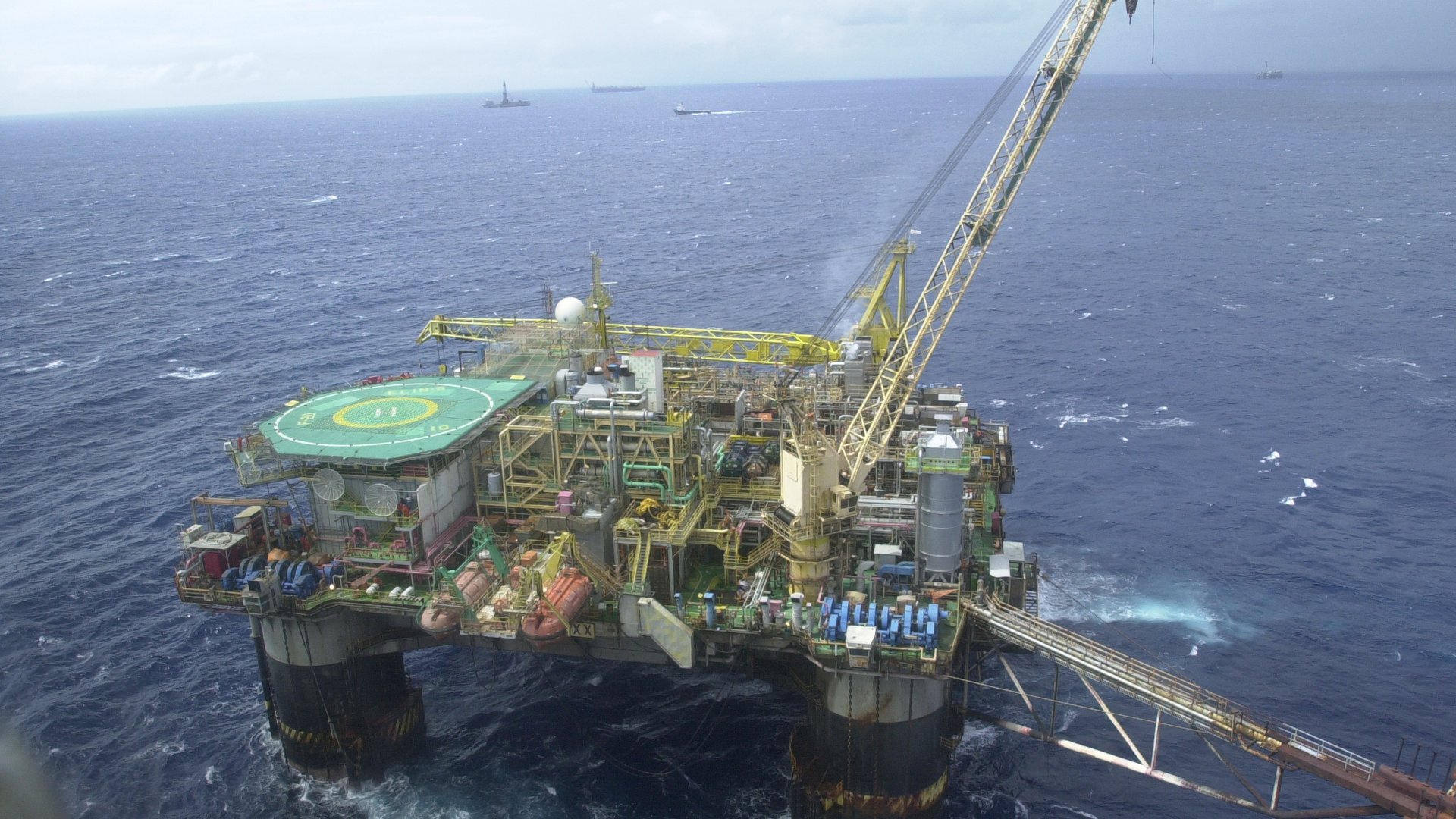
Petrobras exported 996,000 barrels of oil per day during the quarter, up 44.3% year over year. PRIO reported US$114 million in taxes on domestic sales and exports.
In the first half of the year, Brazil exported about 365.8 million barrels of crude oil, up from 328.4 million in the same period of 2025. Gross revenue rose from US$21.7 billion to US$27.9 billion.
National production increased 17.3% in the first half, to 765.7 million barrels. The Finance Ministry said the 12% rate did not make production less attractive in the short term.
In September, Brazil’s oil production hit a record 4.7 million barrels per day. It was up 20.3% year over year, according to OilPrice.
What remains unresolved
Europe’s US$4-to-US$5-per-barrel advantage will last as long as the export tax remains in effect. The latest extension runs through December 31.
Poder360 posted the government’s forecast for the end of the tax in 2027 on X:
The new Búzios platforms, P-80 and P-82, are scheduled to come online in 2027. For OilPrice, how much of Tupi’s discount producers can recover still depends on purchases from Asia.


