Portuguese
  Spanish


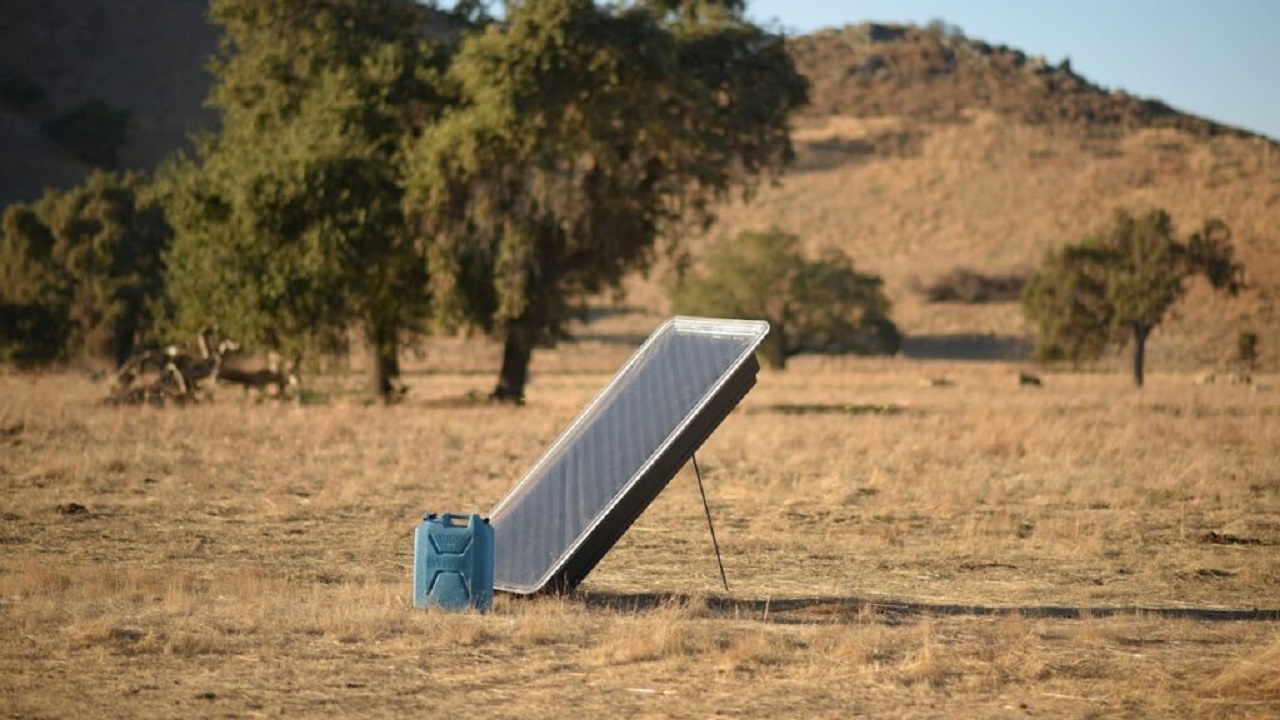

Searching To Reduce The Scarcity Of Potable Water For 1 Billion People Through Renewable Energy, Alphabet Researchers Developed A Solar-Powered Device That Produces 5L Of Water
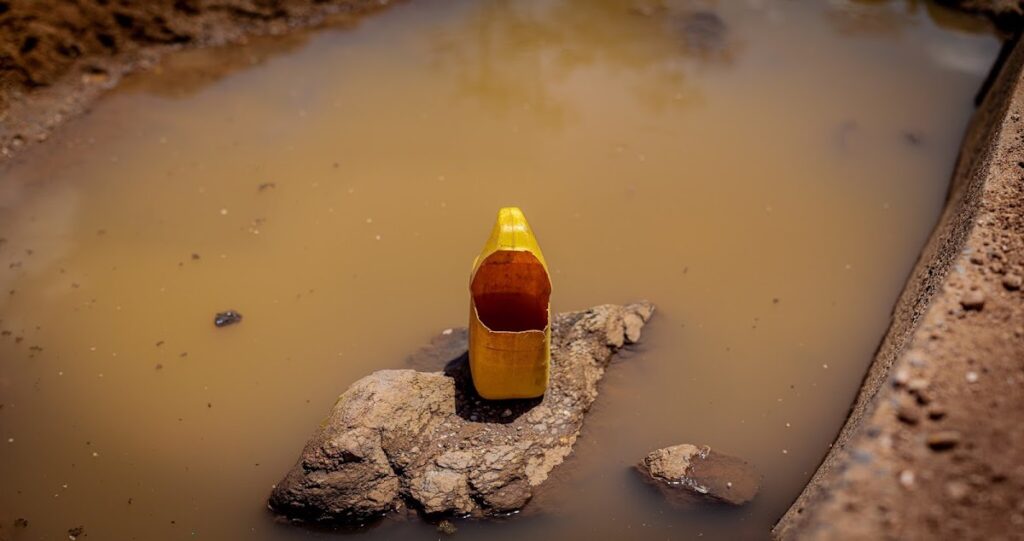
Currently, the estimate is that at least 2.2 billion people worldwide do not have access to potable water, and scientists predict that this number will be even higher as rising sea levels impact freshwater bodies. In an attempt to solve or alleviate the situation, scientists from Alphabet’s moonshot factory created a device that uses solar energy to “pull” water from the air, which could provide potable water to one billion people around the world with renewable energy.
Read Also
The Device Can Produce 5L Per Square Meter Using Only Renewable Energy
Presenting their solar energy equipment in a new study published in the journal Nature, the researchers claim that an area of solar energy collection measuring 1 m² is sufficient to produce up to 5 L of potable water per day.
However, this level of performance is only possible under certain conditions and requires adequate temperature and sunlight, as well as a relative humidity of at least 30%. Therefore, while the device is highly useful in tropical climates, it is unlikely to meet the needs of those living in arid environments.
-
Brazilian scientists are simultaneously advancing two research projects on clean hydrogen and driving solutions that could transform the energy matrix, enhance industrial competitiveness, and accelerate large-scale emission reduction targets.

-
Advancement in renewable energy: A R$ 150 million project launched by Petrobras and Finep aims to create state-of-the-art electrolyzers for green hydrogen, strengthening national research and preparing Brazil to compete in a billion-dollar energy market.
-
Solar energy can increase property value by up to 10% and become a selling point.
-
Illiterate or semi-literate grandmothers were trained to repair solar systems, open rural workshops, and light up homes that still depended on kerosene.




According to the researchers, a large portion of the people facing potable water scarcity live in the Ganges River Valley in India or in Sub-Saharan Africa, where conditions are suitable for the use of the renewable energy device.
1 Billion People Could Benefit From The Solar Energy Device
Using Google Earth, the researchers extracted average meteorological data from locations around the world affected by water crises and compared it with population statistics to determine the potential use of their renewable energy equipment.
The results showed that 1 billion people without access to potable water are currently situated in regions where the climate allows for the use of the solar-powered device.
According to the authors, the study shows that atmospheric water harvesting could provide potable water for one billion people. Furthermore, the researchers state that the equipment has the capacity to meet an average of 5 L of potable water daily per person.
Prototype That Uses Renewable Energy Is Aimed At People Living On US$ 2
The company’s equipment is designed to be affordable for people living on US$ 2 to US$ 8 per day. Made up of vacuum-molded parts, the device has been refined over the past three years and can generate potable water for just 10 cents per liter. However, the researchers behind the project aim to reduce the cost to just 1 cent, and to achieve that, they have made their design open-source so that other researchers can contribute to the advancement.
Ultimately, the researchers aim to create a renewable energy device that can generate water at no cost in all climates, including dry environments with very low relative humidity levels.
According to the researchers, addressing the impasse could provide a viable solution to one of the biggest challenges that a significant portion of the global population has been facing.