





 Portuguese
  English
  Spanish
  2 min of reading


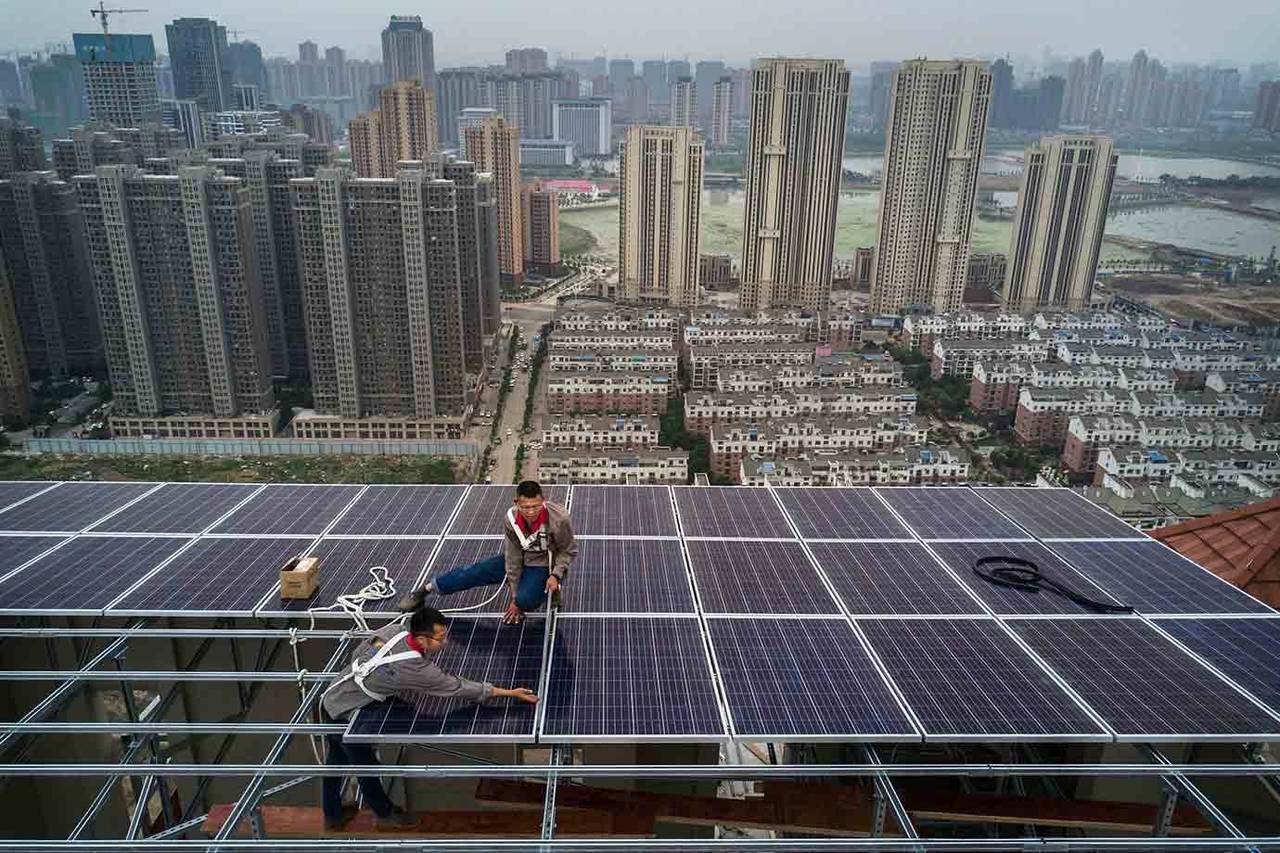
Brazilian Solar Energy Market Faces Equipment Shortages Following New Covid-19 Outbreak in China (Main Investor and Exporter of Solar Equipment to Brazil)
Shortages of solar energy equipment coming from China to Brazil are causing price increases, as the new wave of Covid-19 has shut down factories and hindered the production of new solar panels, modules, and inverters.
Read Also
Brazilian Solar Energy Market and Its Relationship with China
In December of last year (2020), the Brazilian solar energy market faced shortages of equipment due to the Covid-19 pandemic. Months later, there was a global recovery in the renewable market spurred by the new U.S. policy.
In the last semester of the year, with the dollar rising, the devaluation of the real, and increased freight rates, the costs for exporting equipment from China became extremely high.
-
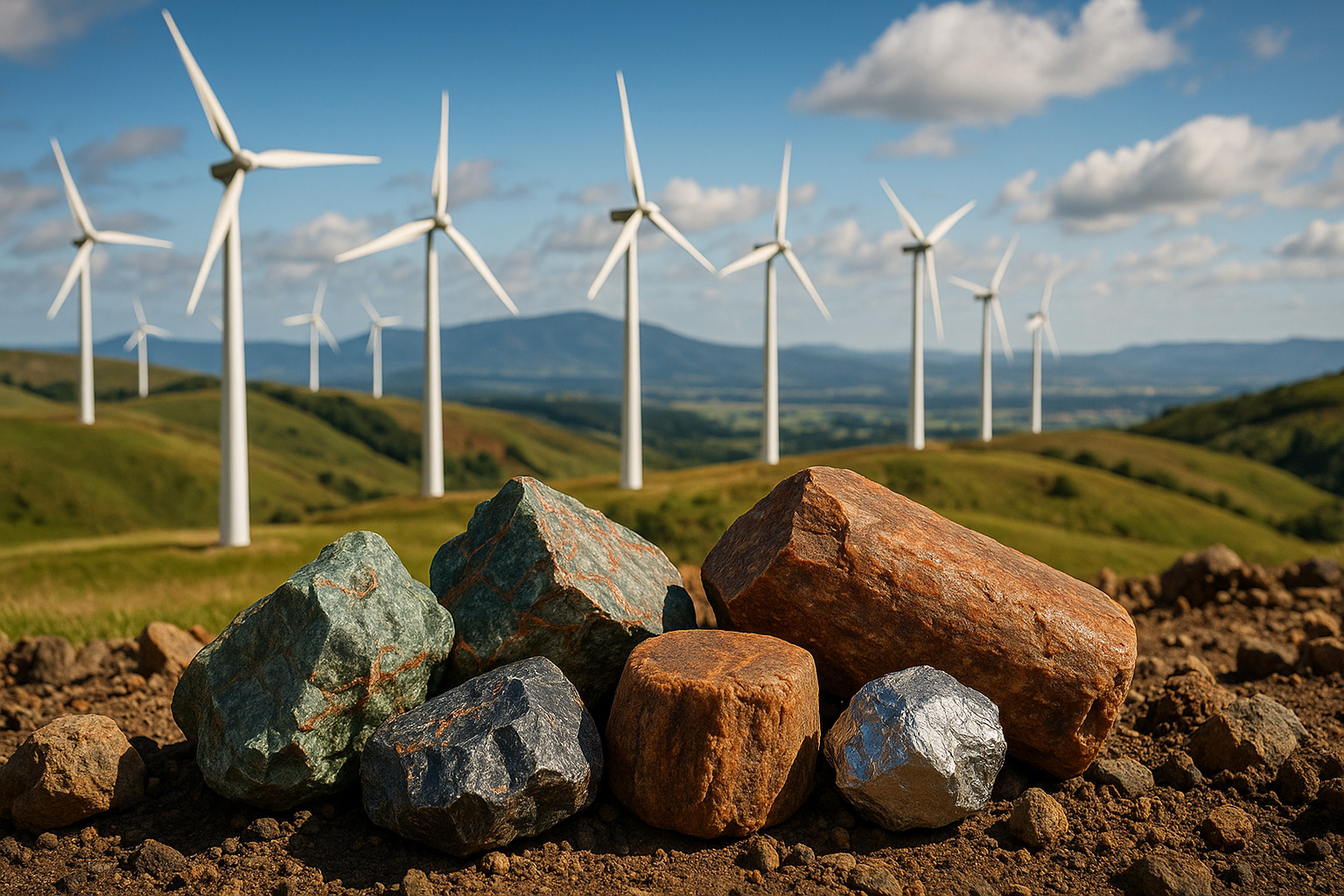
The Brazilian state accelerates industrial competitiveness with a focus on the extraction of strategic minerals to boost the energy transition in Goiás.
-
A Canadian retiree creates a hydroelectric system on a real river, generating energy continuously throughout the day and demonstrating how the power of water can supply a house with stability even in a simple structure.

-
Petrobras reaffirms its commitment to the market and ensures that it will carry out the energy transition safely to maintain national sovereignty.

-
Researchers discover a possible hydrogen deposit of up to 46 million tons beneath an ancient coal basin, and the volume could exceed half of the entire global production.


“The price of solar panels coming from China after the outbreak of the new wave of Covid-19 has risen by more than 30%,” said the founding partner of the marketplace Portal Solar, Rodolfo Mayer.


Race for Chinese Investments Even Amid Covid-19
In May, CGN bought two of the largest solar plants in Brazil, Nova Olinda and Lapa, from the Italian Enel, which holds the largest solar portfolio in Brazil. Two months later, in July, it purchased the Brazilian Atlantic and its robust wind energy portfolio, which includes some of the country’s most important plants.
The new investments fueled expectations that more is to come. José Roberto de Moraes, CEO of Atlantic, spent last week taking Chinese executives to various states to see projects in development, meet with governors, and seek new investments.
“There is a willingness on their part to invest not only in solar energy but also in wind energy. With this, perhaps new projects will follow,” he said. “It’s an expectation. We have to wait and see.”






Seja o primeiro a reagir!