





 Portuguese
  English
  Spanish
  3 min of reading
  0 comments


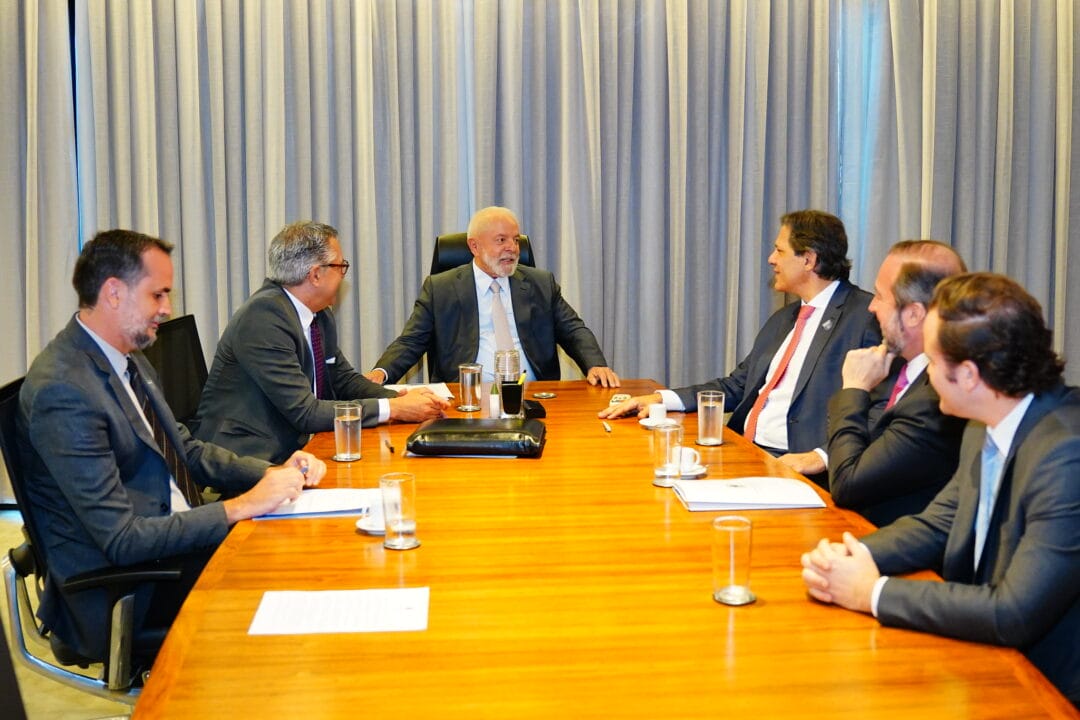
Start The Day Focused On Production Development And Local Content, Including E30 Specifications And Preference For Brazilian Suppliers.
The CNPE decided on the suspension of biodiesel imports and the increase of the mandatory biodiesel blend in fossil diesel. This measure aims to strengthen the domestic biofuel market and ensure the sustainability of the national energy sector.
The National Energy Policy Council is responsible for promoting the planning and implementation of energy policies in the country. Its decisions directly impact the energy industry, influencing everything from oil production to the exploration of renewable sources. The CNPE plays a key role in the sustainable development of the Brazilian energy sector.
Strengthening Partnerships And CNPE Demands
– The percentages of local content increase from 18% to 30% in the exploration phase and from 25% to 30% in the production development stage.
-
The rise in oil prices could ensure an extra revenue of R$ 100 billion for the Federal Government, indicates a recent economic study.

-
Naturgy begins an investment of R$ 1.6 million to expand the gas network in Niterói and benefit thousands of new residences and businesses.
-
A major turn in the Justice system suspends tax increases and directly impacts oil and gas companies in Brazil by affecting costs, contracts, and financial planning, leaving uncertain what could happen to the sector if these costs had increased.

-
Brava Energia begins drilling in Papa-Terra and Atlanta and could change the game by reducing costs in oil while increasing production and strengthening competitiveness in the offshore market.


- Transportation and Floating Production Units (FPU) remain with minimum percentages of 40% and 25%, respectively.
- For land blocks, the minimum CL percentages remain 50% in the exploration phase and 50% in the production development stage.
Evolution Of Regulation Focusing On Strengthening The Market
The CNPE also requested that ANP regulate the contractual clauses for preference in hiring Brazilian suppliers.
– The goal is to provide predictability for suppliers of goods and services in the country. And that the agency publishes in a clear, transparent, and accessible manner the timelines and specifications of goods and services to be contracted by the oil companies.
Market Expansion And New Opportunities
More Blocks For Auction. In the same meeting, the CNPE approved the inclusion of 11 exploratory oil and gas blocks in ANP’s permanent offering.
– The council approved a total signing bonus of R$ 400.6 million and a minimum sharing rate of 10.92%.
- The blocks are: Itaimbezinho, Ametista, Ágata, Mogno, Jaspe, Amazonita, Safira Leste, Safira Oeste, Citrino, Larimar, and Ônix.
- The areas have a potential of 1.73 billion to 3.69 billion barrels of oil in place, according to preliminary estimates from ANP.
Changes In Energy Policies And Economic Impacts
Less Import. The import was suspended in November by ANP.
– Now, imports will have to wait for the conclusions of a working group, which will define whether this is ‘the best national strategy or not’, according to the Minister of Mines and Energy, Alexandre Silveira.
Sustainability Goals And Incentives For National Production
More Biodiesel. The CNPE also determined the increase of the mandatory biodiesel blend in diesel to 14% in March 2024, and to 15% in 2025.
– The decision was anticipated by political epbr, premium service from agência epbrtrial free for 7 days)
– The two measures were a victory for agribusiness and for biofuel producers.
Biofuels Production And Environmental Impacts
E30. The creation of a Working Group was also approved to study the technical feasibility of raising the percentage of ethanol in gasoline from 27.5% to 30% (E30). The government believes this measure could reduce external dependency by 1.4 billion liters and reduce R$ 3.7 billion in import costs.
— The MME estimates an annual reduction in emissions of 2.04 million tons of CO2 equivalent and the issuance of more than 1.47 million decarbonization credits (CBIOs).
Source: EPBR








Seja o primeiro a reagir!