Portuguese
 Spanish


Ibiporã Observatory and Planetarium reaches 60% completion, with a R$9.3 million investment and automated technology for observing the sky.
The construction of the Ibiporã Observatory and Planetarium, in Paraná, Brazil, is 60% complete. The R$9.3 million project is funded entirely by the city government and will cover 4,600 square meters dedicated to education, research and tourism, where people of different ages can take part in astronomy-related learning experiences.
On Monday (23), professionals from the Amparo Astronomical Center in São Paulo state visited the city to see the facilities under construction and provide technical guidance on installing instruments for observing the sky.

Ibiporã Observatory and Planetarium will feature automated technology and educational spaces
The search for models for the project began before construction. In 2025, with support from the Londrina Astronomy Study and Outreach Group (Gedal), city officials traveled to the interior of São Paulo state to learn how the Amparo Astronomical Center operates. It has Brazil’s largest telescope open to public visits.
-
Reconstruction of BR-470 in Rio Grande do Sul Enters Final Stage with Over R$700 Million Investment, Featuring Steel Viaducts and Landslide Protection

-
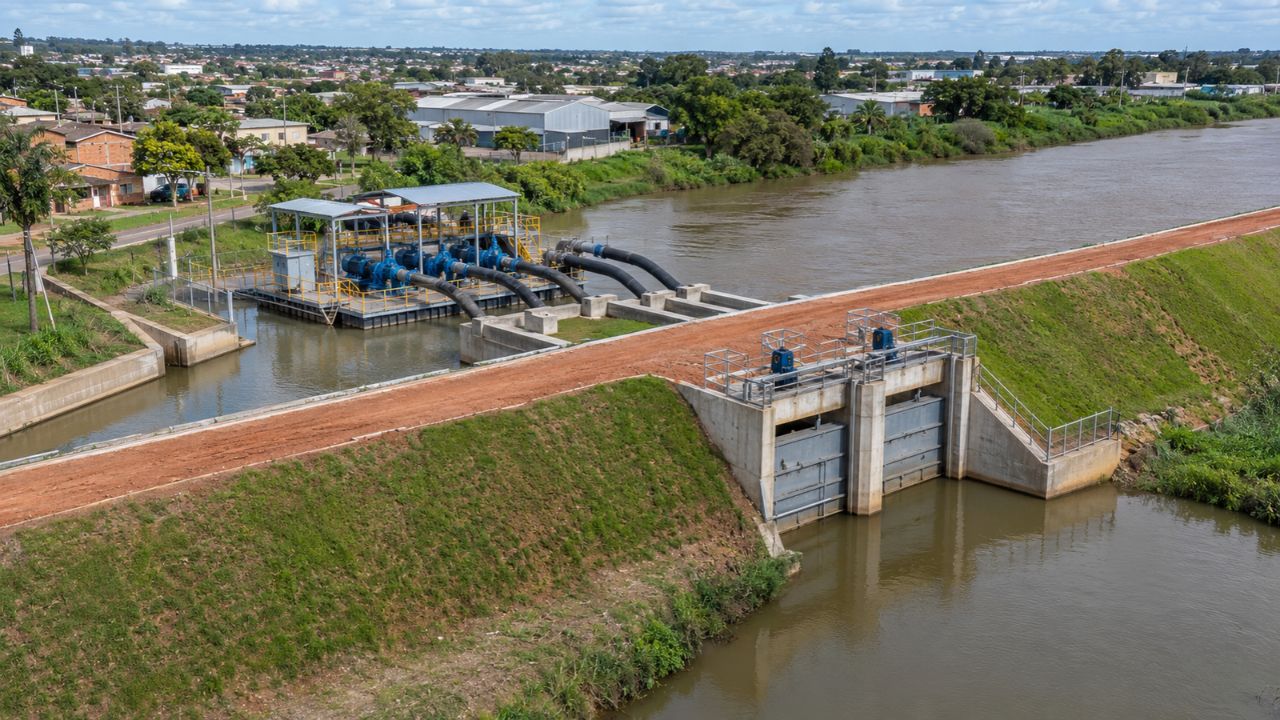
Porto Alegre completes R$60 million flood-protection project with 8 pumps and 7 gates
-
Construction of Brazil’s R$174 million orthopedic hospital in Guará moves forward after delays
-
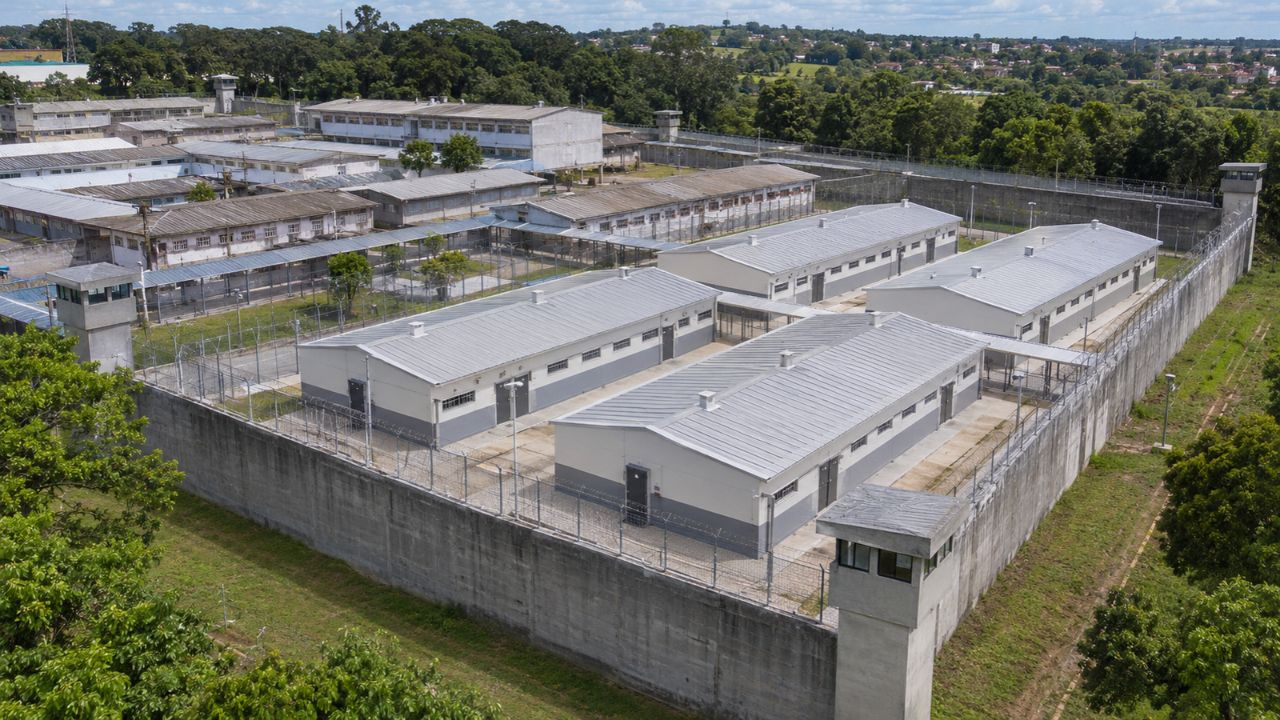
Rio Grande do Sul Prison Expands by 128 Beds with Completion of R$6.4 Million Project in Four Months


The visit gave the city government insight into the challenges involved in building and maintaining facilities of this kind.
During his recent visit to Ibiporã, the São Paulo institution’s director, Carlos Eduardo Mariano, assessed the spaces under development and shared technical knowledge with the local team.

The project includes a rotating dome designed to house a large telescope, with technology that will automate observing the sky. The facility will also be equipped to install smaller instruments for astronomy education.
Designed by Municipal Planning Secretary Julio Dutra, the architectural project includes other spaces needed to operate the facility, such as:
- operational support areas;
- multi-purpose rooms;
- administrative offices;
- public reception area.
The planned programming also includes educational events and immersive experiences, expanding the ways the spaces can be used.
Mayor José Maria Ferreira said the initiative offers an opportunity to make astronomical knowledge more accessible to the public and strengthen municipal education. Professor and astronomer Orlando Rodrigues Ferreira, who also took part in the technical visit, said the educational work at the future observatory could benefit students from other parts of the country.