Portuguese
 Spanish


Petrobras confirmed R$1.9 billion in a new payment tied to diesel sold in June, along with other supplementary disbursements. With the funds received, the state-owned company has accumulated about R$18 billion in subsidies for diesel, gasoline and LPG.
Petrobras said it received R$1.9 billion in a new installment under the federal economic subsidy program for diesel, bringing its total receipts from various fuel-support programs to approximately R$18 billion. The state-owned company announced the payment on November 16, 2026, detailing disbursements tied to earlier sales periods.
The main payment covers diesel sales from June 1 to 15. The company also reported two supplementary payments of R$1.5 million and R$3.9 million, tied to other two-week periods. The R$18 billion total includes measures for diesel, gasoline and liquefied petroleum gas (LPG), used as cooking gas.
R$1.9 billion payment covers diesel sold in June
The official statement from Petrobras Agency identifies three payments under the subsidy programs. The largest, R$1.9 billion, covers diesel sales in the first half of June under the rules of Provisional Measure No. 1,363.
-
Chevron advances in the Pelotas Basin with a 25-well plan off southern Brazil as Ibama clears environmental study preparation and new oil frontier gains momentum

-
Mercosur-EU Agreement Halves Brazil Oil Export Tax to Europe, Other Destinations Face Higher Charges

-
Brazilian pre-salt Tupi crude’s premium for Asian sales falls from nearly US$20 to US$7-$8 a barrel as tanker freight rates retreat about 50% from October’s peak
-
India on track to buy about 230,000 barrels per day of Brazilian oil in November, doubling the previous average



The state-owned company also received R$1.5 million to supplement payments for sales from August 1 to 15, and another R$3.9 million for the second half of June. The three amounts total approximately R$1.905 billion, based on the rounded figure for the main payment reported by the company.
The dates refer to the periods when the fuel was sold and used to calculate the subsidy. The November announcement reports receipt of the payments; it does not make those past sales new transactions in that month.
R$18 billion total includes diesel, gasoline and cooking gas
The cumulative figure released by Petrobras combines payments received under different programs. The company said the approximately R$18 billion covers subsidies for diesel, gasoline and LPG. The total therefore exceeds the diesel payments itemized in the November announcement.
There is also a difference between the funds that went into the company’s coffers and the total cost of all the benefits granted by the government. The amount announced by Petrobras reflects what the company itself received through the programs cited, not the cumulative payments to all companies in the market.
Subsidy mechanisms are used to offset part of the amounts charged for fuel sales, subject to legal and regulatory conditions. Participating producers and importers must meet specific requirements, and payments are calculated according to periods and methodologies set by the relevant authorities.
ANP details criteria for producers and importers
The National Agency of Petroleum, Natural Gas and Biofuels (ANP), Brazil’s oil, natural gas and biofuels regulator maintains a page with resolutions, enrollment procedures, reported data, calculation schedules and information on approved companies. The agency is responsible for technical regulation and oversight of the mechanisms established under federal law.
Over the course of 2026, various provisional measures established or changed the scope of the programs. Among the rules published by the ANP are procedures associated with Provisional Measures No. 1,340, 1,349, 1,358, 1,363 and 1,391, as well as rules that apply to specific refined products. Petrobras classified the installments it reported in November under Provisional Measure No. 1,363.
For consumers, these subsidies are among the tools the government uses in an effort to limit the pass-through of international market pressures to domestic fuel supplies. Prices at the pump also depend on distribution, retail and tax conditions, as well as production and import costs.
Diesel subsidy reached R$2.12 per liter in new phase
On October 28, the Ministry of Finance announced a 30-day extension of a subsidy of R$2.12 per liter for road-use diesel, available to producers and importers under the conditions set out in Provisional Measure No. 1,391 and applicable regulations.
The ANP says the new phase began using the R$2.12-per-liter rate on September 27. The agency’s published schedule breaks out periods including October 12 to November 11 and November 12 to 26. These rules came after the first period in June that led to the R$1.9 billion payment reported by Petrobras.
The extension reflected ongoing disruptions in international fuel trade and pressure on refining margins. More than a quarter of Brazil’s diesel consumption is met by imports, leaving part of the country’s domestic supply exposed to external conditions.
Petrobras refineries are part of the supply chain serving the country
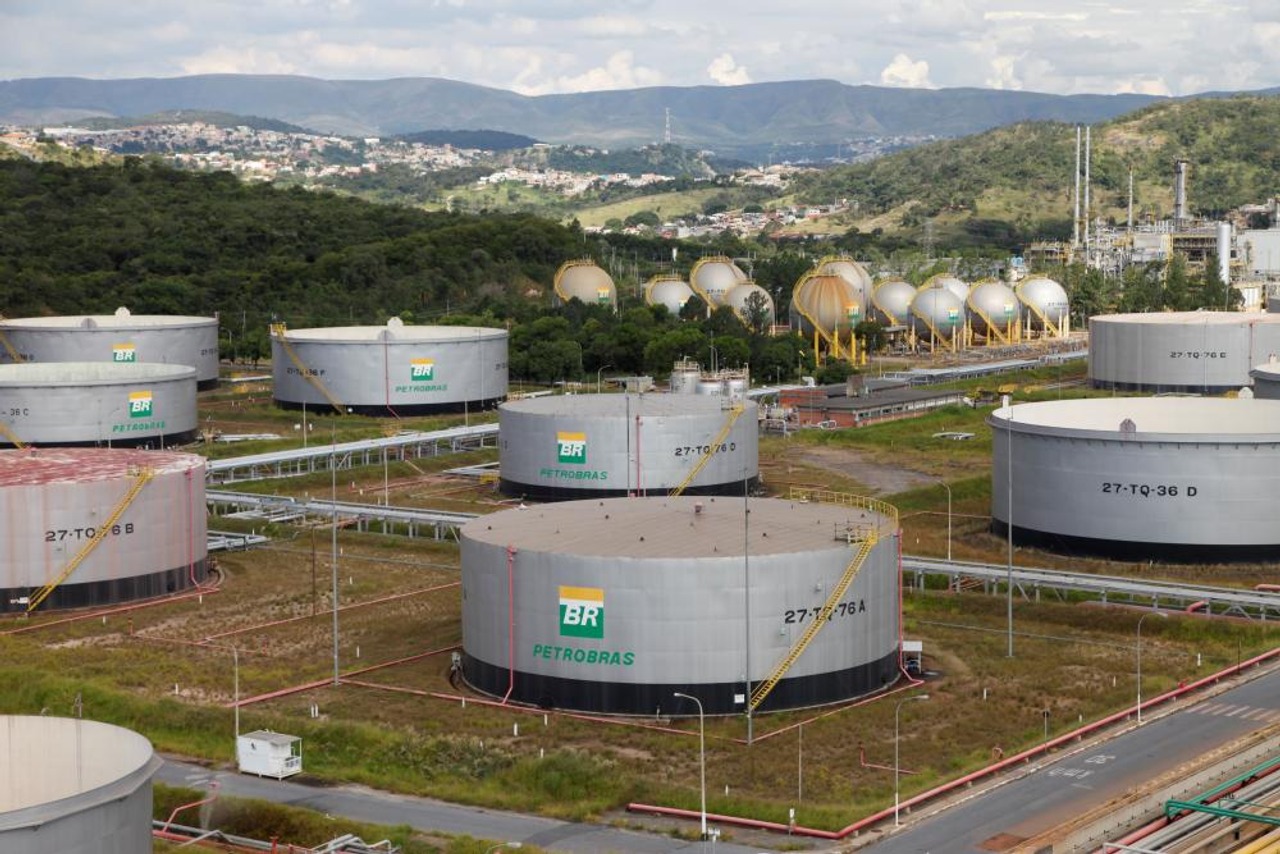
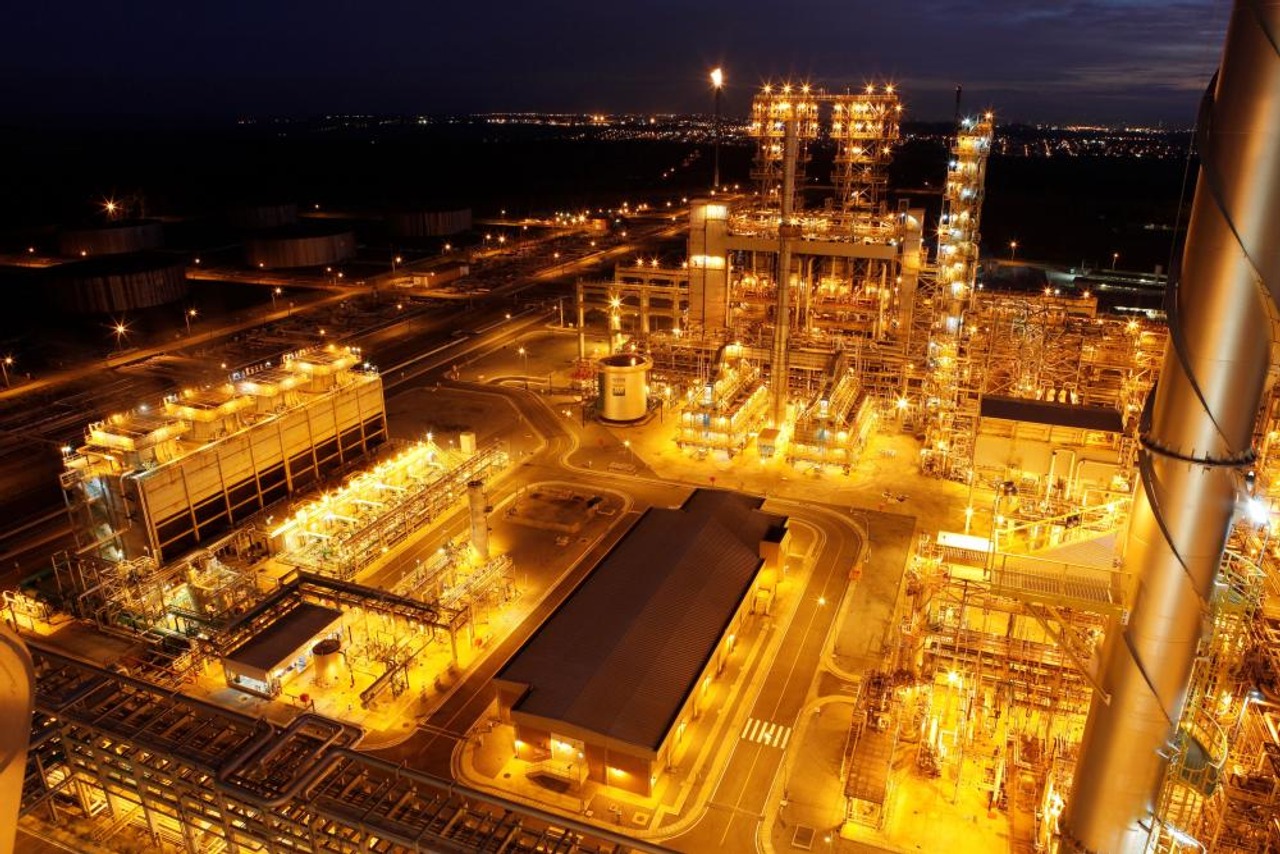
Diesel is one of the main products made by Brazil’s refining sector and is in strong demand for road transportation. Petrobras facilities such as the Gabriel Passos Refinery (Regap) in Betim, Minas Gerais; the Henrique Lage Refinery (Revap) in São José dos Campos, São Paulo; the Paulínia Refinery (Replan) in Paulínia, São Paulo; and the Presidente Bernardes Refinery (RPBC) in Cubatão, São Paulo, are part of the company’s industrial network supplying refined products to the market.
In earlier statements, the state-owned company published photographs of these refineries and information about their industrial activities. These facilities help illustrate the operational scope covered by policies for petroleum products, but the November subsidy announcement does not link the R$1.9 billion to any specific refinery.
Monitoring the program involves reference prices, sales declarations, beneficiary eligibility and reporting periods. The gap between the sale date and the payment date also explains why the November announcement includes transactions carried out months earlier.
Future payments will depend on the review of new program stages
The R$18 billion total disclosed by the company provides a measure of the funds Petrobras has already received under the various fuel programs. Further disbursements depend on applicable deadlines, required documentation, and the administrative and budget decisions for each program.
The latest diesel rules can be tracked on the portal of Brazil’s oil and gas regulator, the ANP, while Petrobras reports the amounts it has actually received to the market. The key figure in the November 16 announcement is a new payment of R$1.9 billion, along with smaller top-up payments, bringing the total to approximately R$18 billion across different fuels.