






 Portuguese
 Spanish


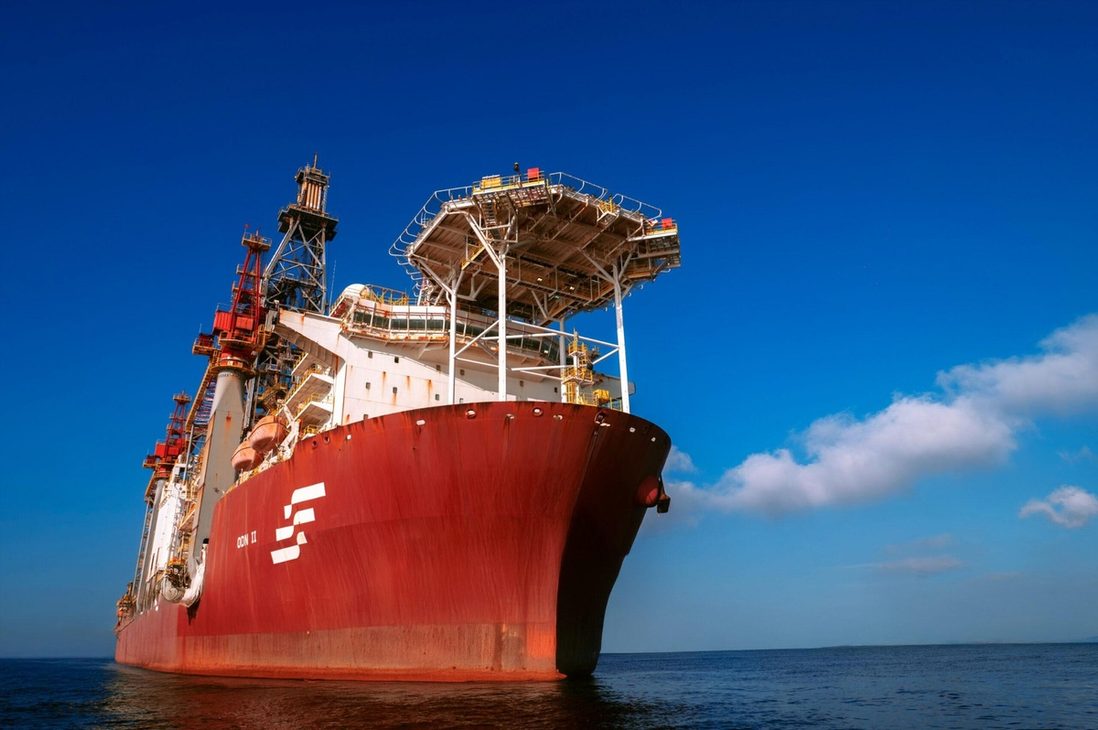
Petrobras managed to bring a drilling rig to the deep waters of Foz do Amazonas, but keeping the operation running requires logistics that are unusual even by oil industry standards. With vessels traveling 800 kilometers, flights limited by a lack of fuel and ports unable to handle production on a large scale, the state-owned company faces an issue that could weigh as heavily as the quality of the oil discovered: the cost of reaching it.
In Oiapoque, in the far north of Amapá state, the journey home begins in an unusual way for people working on one of Petrobras’ most complex operations. At the small municipal airstrip, passengers check in at office desks, undergo manual baggage inspections and wait to board in a room with just a few seats.
Many of these workers have just completed a one-hour-and-15-minute helicopter ride from the NS-42 rig, operating in the deep waters of Foz do Amazonas. Some still have several connecting flights to catch before they get home.
The scene helps illustrate a problem that goes far beyond transporting workers. As Petrobras assesses the region’s oil potential, it must maintain a supply network in an area far from major industrial centers, with no ports equipped to handle operations on this scale.
-
905-Kilometer Pipeline Between São Paulo and Brasília Faces Lawsuit to Nullify Environmental License as 30-City Gas Project Faces Dispute

-
Petrobras receives another R$1.9 billion in government diesel subsidies, raising total payments from fuel-support programs to R$18 billion
-
Chevron advances in the Pelotas Basin with a 25-well plan off southern Brazil as Ibama clears environmental study preparation and new oil frontier gains momentum

-
Mercosur-EU Agreement Halves Brazil Oil Export Tax to Europe, Other Destinations Face Higher Charges


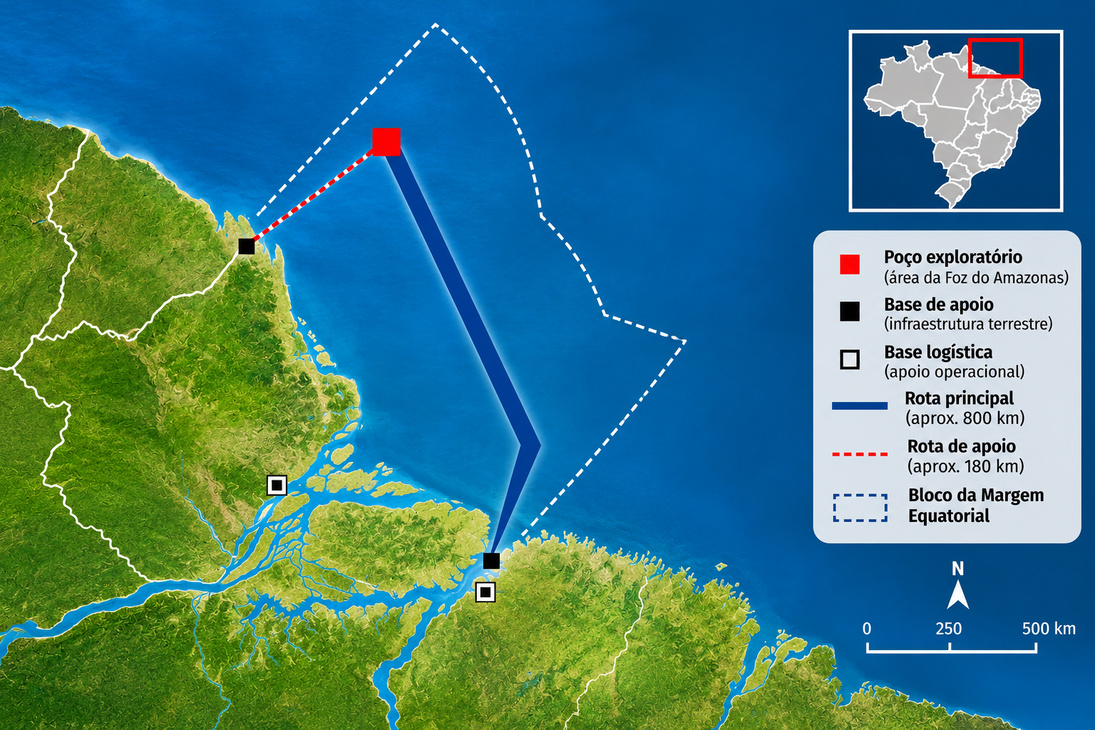
The challenge is even more evident in maritime transport. Equipment and supplies for the rig leave from Belém, in Pará state, and travel approximately 800 kilometers to the exploration area. That is about four times the distance support vessels cover in some pre-salt operations in the Santos Basin.
The state-owned company says logistics for the first well went according to plan, without bottlenecks. However,
the prospect of turning the discovery into commercial production raises another issue: how to keep a much larger operation running for years in a region where available infrastructure remains limited.
An airport without fuel and trips with multiple connections show the challenge of getting workers to the Amazon Mouth
The daily routines of offshore workers help explain why distance has become a central concern for Petrobras.
Petroleum engineer Artur Schlinker, for example, lives in Garopaba, on the coast of Santa Catarina state. After arriving in Oiapoque, his trip may take him through Macapá, São Paulo, Rio de Janeiro and Florianópolis before he reaches his destination.
The journey involves different aircraft, connections and schedules that must be coordinated with work periods on the drilling rig. Any change in the schedule requires adjustments across a transportation chain that begins offshore.
To make these transfers possible, Petrobras had to invest in Oiapoque airfield. The runway was upgraded, along with nighttime lighting systems and safety equipment required for operations.
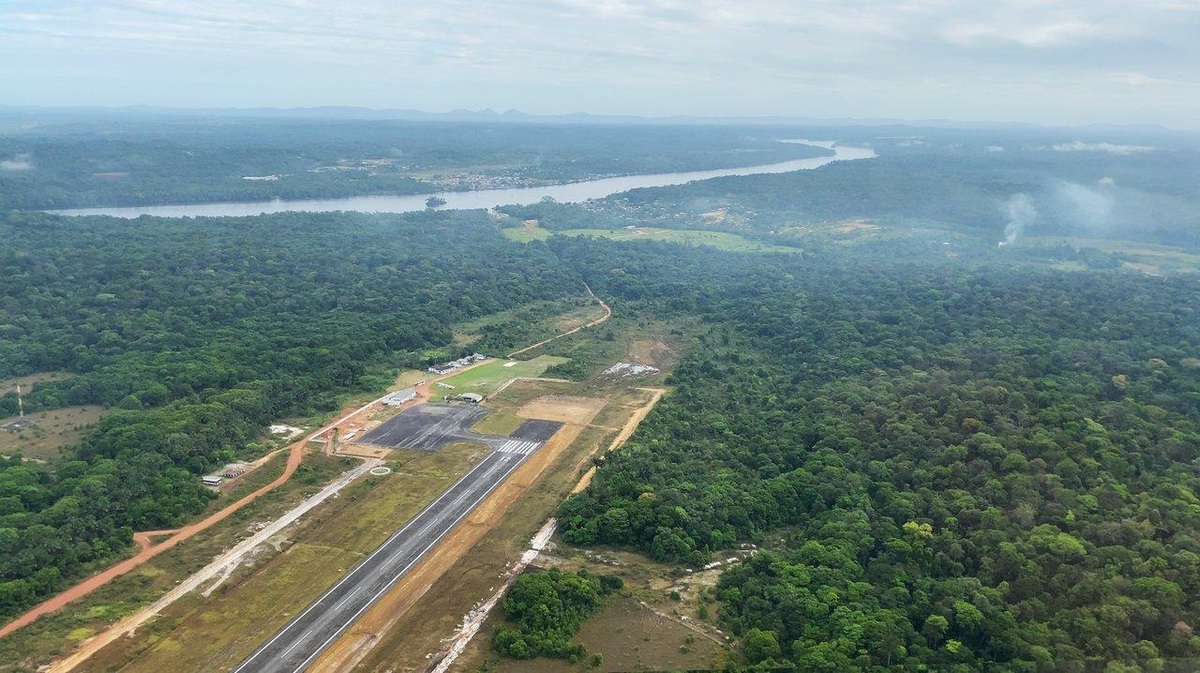
Even after the upgrades, one limitation remains: the airport has no fuel services for the aircraft used on charter flights.
The impact is reflected in transport capacity. The eight weekly flights between Macapá and Oiapoque operate at about half capacity, a restriction related to the need to ensure enough fuel for the operation.
At an airport with more extensive facilities, refueling would allow greater flexibility in scheduling. In Oiapoque, the lack of fuel services must be factored in from the outset when planning trips.
The problem has not prevented exploration from continuing, as the NS-42 operation demonstrates. But it highlights the number of adjustments needed to keep teams working regularly in the region.
If oil activity grows, demand for travel could also increase. That would require a reassessment of air transport capacity and service frequency.
Ships must travel 800 kilometers to supply the drilling rig, and the distance could raise Petrobras’ costs
Offshore, the logistical challenge is even greater.
Belém serves as a base for sending equipment and supplies to the drilling rig. The capital of Pará has support services and facilities that help make the operation possible, but it is far from the drilling area.
Vessels must travel approximately 800 kilometers to make deliveries. They then return to the base to load new materials and make the trip again.
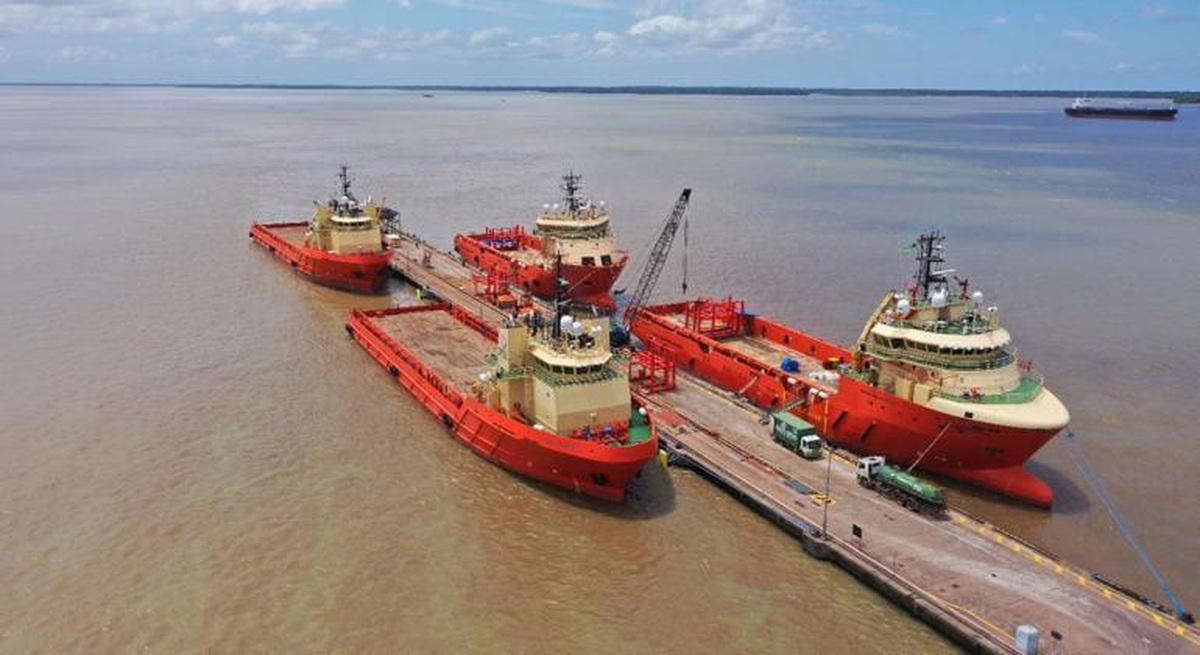
That distance directly affects supply planning. A vessel that spends more time at sea takes longer to become available for another trip.
Maintaining the same delivery schedule may require using more vessels. That would mean additional spending on fuel, crews, maintenance and maritime services.
The contrast with the pre-salt helps explain the concern.
In the Santos Basin, Petrobras has a support network built over decades of exploration and production. Ports, suppliers and specialized companies are integrated into an established industrial supply chain.
At the Amazon River mouth, the distance from bases and the region’s infrastructure create different conditions.
During exploratory drilling, the volume of materials moved is relatively limited. An exploration campaign using one drilling rig requires fewer resources than the simultaneous operation of several wells and production units.
If studies confirm the reservoirs’ commercial viability, however, supply needs could grow considerably.
In that scenario, food, replacement parts, industrial equipment and other materials would need to be transported continuously.
Petrobras’ challenge is not simply reaching the Amazon River mouth. It is making the journey economically sustainable throughout the life of any potential producing field.
Why Oiapoque cannot serve as the main port base, despite being closer to the exploration area
At first glance, Oiapoque might seem like a natural choice for concentrating maritime support for Petrobras.
The municipality is closer to the discovery area than Belém and could shorten some of the distances vessels have to travel.
There are, however, obstacles that make this option difficult.
The first involves navigation conditions. The river connecting Oiapoque to the ocean is not deep enough to accommodate the larger vessels used by the oil industry.
The second issue is the location of Cabo Orange National Park, a federal protected area on the region’s coast administered by the Chico Mendes Institute for Biodiversity Conservation (ICMBio).
The area’s environmental sensitivity limits interventions that could alter its natural features.
These factors mean that, under current conditions, Oiapoque is ruled out as the main port base for any future production.
The municipality is expected to continue serving primarily as an air transportation hub for workers, an activity that already supports local businesses.
Maintaining this infrastructure could benefit hotels, transportation companies and other businesses serving workers in transit.
However, the economic impact is likely to be smaller than that associated with establishing a major offshore base, which would require cargo handling and specialized industrial services.
This difference helps explain why the choice of future ports has attracted interest from municipalities and state governments.
Santana, Mazagão and Calçoene emerge as alternatives, but none offers a ready-made solution
With maritime support operations unable to be based in Oiapoque, Petrobras and other companies in the sector are assessing other locations in Amapá.
Santana and Mazagão, in the Macapá region, are among the most discussed alternatives. Both are associated with areas that have port activity, which could facilitate some aspects of setting up a support base.
Even so, the distance to the discovery area remains considerable: about 500 kilometers.
The distance would be significantly shorter than the route from Belém, but long sea voyages would still be necessary.
Access by land is another challenge.
Amapá has no direct road connection to the rest of Brazil. As a result, transporting industrial equipment manufactured in other states depends on logistical alternatives that must be factored into planning.
An offshore support base requires more than a dock for vessels to berth.
It needs space to store equipment, handle heavy cargo, organize supplies and receive materials from different suppliers.
Calçoene, a municipality between Macapá and Oiapoque, has also been considered.
Its location could shorten the distance to the exploration area, but building port infrastructure would require investment virtually from the ground up.
The option remains a possibility for the long term, if the region confirms enough potential to justify development.
TGS President João Corrêa, whose company conducts seismic surveys along the Equatorial Margin, told Folha de S.Paulo that the ports currently available lack the infrastructure needed to support an oil operation of this scale.
Petrobras says the selection of support bases for a potential production phase is still under study.
The decision will depend on the project’s characteristics and the operational needs identified during exploration.
Competition between Pará and Amapá involves investment, jobs and the future of oil infrastructure
The choice of a logistics base could also determine where some of the investment associated with exploration in the Amazon Mouth is concentrated.
Belém is already part of the operation and has infrastructure for shipping equipment and supplies. Amapá, meanwhile, is seeking to leverage its geographic proximity to the oil region to attract new projects.
The debate gained political prominence in October 2026.
During a visit to Belém, Petrobras President Magda Chambriard mentioned the central role the capital of Pará could play in logistics for potential production.
The statement drew a reaction in Amapá. Chambriard later clarified that she was referring to the use of bases in both states.
The Amapá government also began taking steps to improve the state’s competitiveness.
One is Repetro Amapá, a special tax regime presented as a way to cut operating costs by up to 40%.
Another initiative was authorization from the National Council for Fiscal Policy, known as Confaz, to grant an exemption from ICMS, Brazil’s state-level value-added tax, on diesel used by vessels operating in the state.
The government also reached an agreement with a Petrobras subsidiary to help identify port areas.
These measures could affect cost comparisons among different logistics options. However, the choice of a base does not depend solely on tax incentives.
The depth of shipping channels, availability of land, cargo-handling capacity and distance to platforms remain important factors.
For the states involved, the decision has implications that extend beyond Petrobras’ operations.
A marine base could attract suppliers, maintenance companies, transport firms and service providers. The scale of these effects, however, will depend on the actual level of investment and the participation of local workers and businesses.
Job expectations rise in Oiapoque, but the city already faces pressure on rents and land use
While infrastructure decisions remain unresolved, Oiapoque is seeing expectations rise around oil.
The possibility of expanded Petrobras activity has sparked economic interest in a municipality historically tied to activities such as fishing and gold mining.
The effects, however, have yet to match the growth expected by some residents.
According to a report by Folha, rents have risen sharply, while the city is grappling with problems linked to illegal land occupation.
Local job creation directly related to oil exploration also remains limited.
Petrobras says its operations involve hundreds of company and contract workers, including people from the region in support and logistics roles.
The number varies with the needs of each stage of the exploration campaign.
The city has also received a center for treating animals that could be affected by oil spills.
The facility, required by Ibama, Brazil’s environmental agency, has eight technicians, most of them from elsewhere, as well as maintenance staff.
These developments show that oil activity is already affecting local life, even without the start of commercial production.
The extent of the economic benefits will depend, among other factors, on where future facilities are located and on the ability to bring regional businesses and workers into the services supply chain.
Strong currents force Petrobras to adapt equipment and make operations even more complex
Long distances and a lack of infrastructure are not the only challenges facing Petrobras.
Sea conditions at the mouth of the Amazon River also require specialized technical solutions.
The region’s powerful currents put force on equipment used during drilling, including the structure that connects the drilling rig to the well on the ocean floor.
In the NS-42 operation, this assembly is nearly three kilometers long.
To reduce the effects of moving water, devices were installed along the pipe. The components rotate with the current and help reduce the loads on the structure.
Engineer Artur Schlinker’s account illustrates the complexity of the operation.
As the drill string was lowered, the rig moved approximately 64 kilometers to compensate for the currents until it reached the required position over the well.
The situation shows how ocean conditions affect the planning of activities that may require different procedures in other regions.
Currents were also among the causes of a leak that halted rig operations in January, as Folha reported.
In a remote area, any operational incident requires special attention to response capabilities, equipment availability and the time needed to mobilize resources.
Logistics planning must therefore account for both regular supply runs and situations requiring unplanned interventions.
The issue is also part of the environmental licensing process. Before drilling was authorized, Brazil’s Ministry of Mines and Energy said Petrobras had completed a pre-operational emergency response assessment under the supervision of Ibama, Brazil’s environmental agency.
Petrobras plans R$3.3 billion in new drilling, while logistics costs could affect production viability
Petrobras received environmental approval to drill three more wells in Block 59 of the Foz do Amazonas Basin, according to a report by Folha de S.Paulo.
The company told Ibama it expects to spend R$3.3 billion on the work, which is intended to expand knowledge of the discovery and assess its characteristics.
The new wells are expected to provide important information about the size and quality of the reservoirs.
The data will be key to determining whether the oil can be produced commercially.
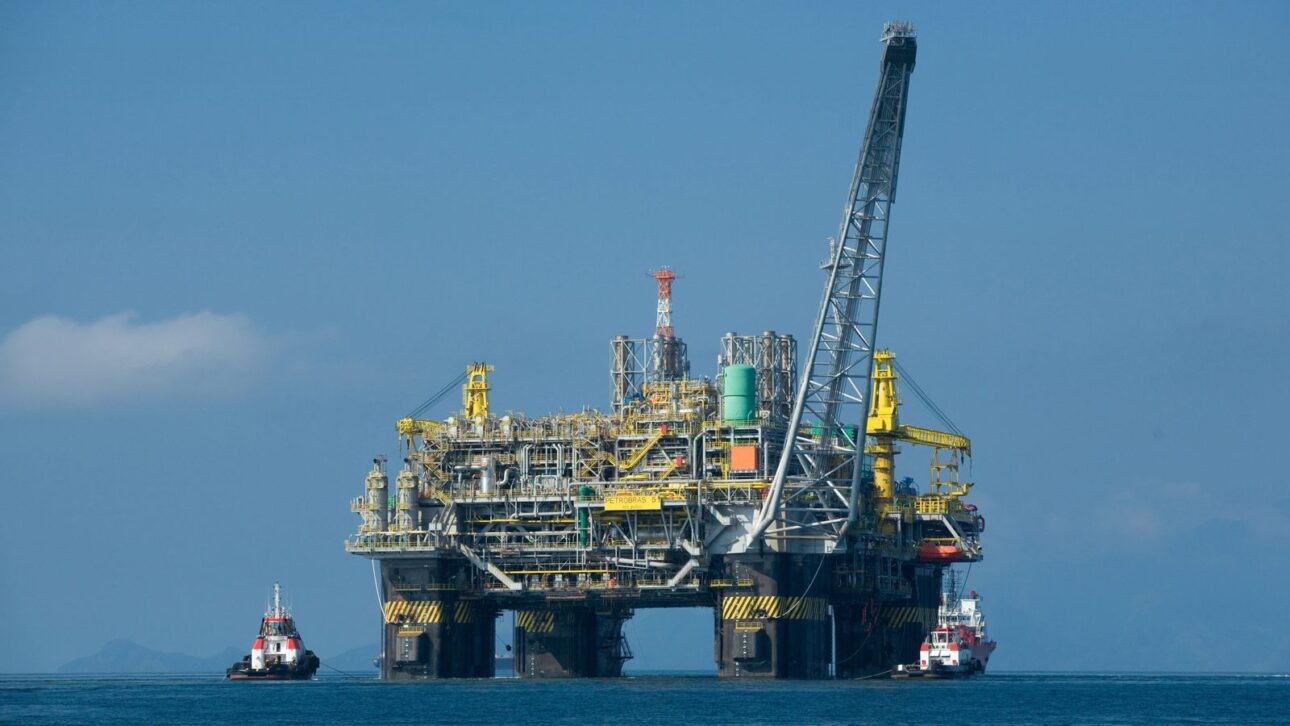
In a statement published in October 2026, Petrobras confirmed the identification of another oil-bearing interval in the Morpho well, located in Block FZA-M-59, in 2,886 meters of water. The company said the results help assess the basin’s oil potential.
The report expects the reservoirs to be smaller than the giant pre-salt fields, but comparable to those in the Campos Basin.
That possibility has yet to be confirmed by exploration results.
This is where logistics challenges begin to directly affect the economic assessment.
A reservoir with favorable volume and characteristics could justify heavy investment in infrastructure, even when transportation is complex.
On the other hand, if the resources found are smaller or pose additional development challenges, the costs required to sustain operations could undermine their viability.
The comparison involves different options.
Continuing to use distant bases could require more vessels and increase recurring costs. Building facilities closer to the site, in turn, would require substantial upfront investment and could face environmental or access restrictions.
The choice will depend on the relationship between the reservoirs’ economic potential and the costs of each option.
The experience with the NS-42 shows that Petrobras was able to organize the logistics needed for the exploration campaign. The company itself says the planning was appropriate and worked without bottlenecks.
But any commercial production would require operations on a different scale.
Before deciding where to build or expand support bases, it will be necessary to determine how many wells could be developed, which structures would be used and how long production could be sustained.
The 800-kilometer distance between Belém and the exploration area, therefore, represents more than a sea journey. It is part of a calculation involving investment, operating expenses and the ability to maintain supplies in a region that is difficult to access.
If the next wells confirm significant commercial potential, Petrobras will have to decide how much it is worth investing to bring its infrastructure closer to the platforms. If the results are less favorable, the logistical burden could make development more difficult.
That decision is still a long way off, but the first campaign has already highlighted a particular challenge in the Amazon Mouth: in this region, oil project viability will also depend on the ability to transport equipment, supply operations and keep people working hundreds of kilometers from support bases.
Should Petrobras invest in building a new port base in Amapá to reduce distances, or continue using Belém’s infrastructure despite sea journeys of about 800 kilometers?


