





 Portuguese
  English
  Spanish
  3 min of reading


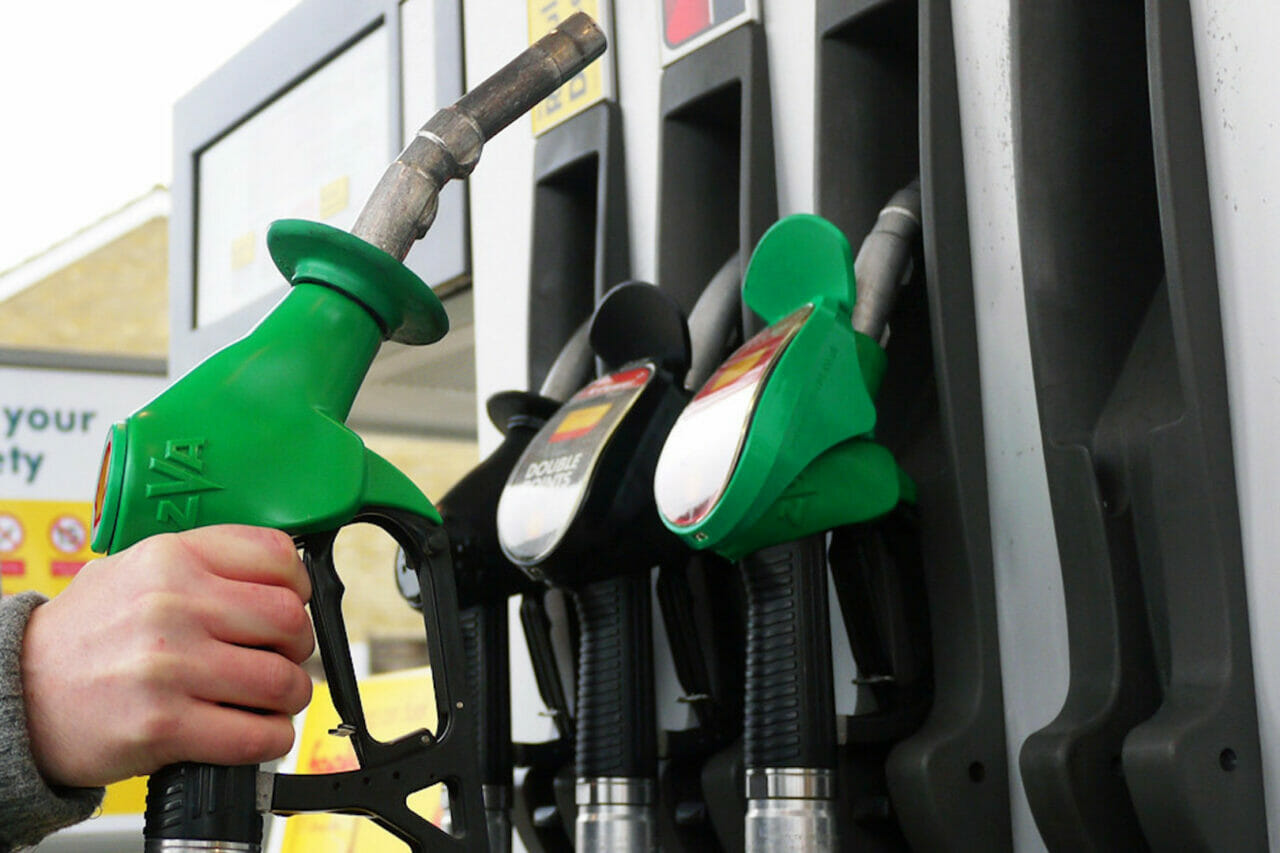
Fuel stock replenishment is not sufficient in border areas with the province of Misiones, according to an alert issued by the Chamber of Fuel Stations of the Northeast of Argentina on Monday.
The president of the association, Faruk Jalaf, said in an interview with the newspaper Primera Edición that the oil companies have decreased their monthly quotas of gasoline and diesel, citing import issues, which has resulted in a variable increase of 3% to 8% in the price of fuels.
This price increase occurs in a country where the official inflation in May of this year was 7.8%, accumulating 42.2% since the beginning of the year and 114.2% over the last 12 months. Furthermore, the lack of incentives for imports due to the outdated price of fuel in Argentina explains the decrease in stock deliveries.
Another issue contributing to the possible shortage is the increased demand for diesel in the country, possibly due to the harvest of products such as yerba mate, which has limited the amount of fuel sold per customer in some areas of the province. The situation is exacerbated in Misiones due to the fact that the region already has the highest fuel prices in Argentina, up to 30% higher than Buenos Aires.
-
With the new law, shopping malls will no longer operate on Sundays, similar to supermarkets; the rule imposes closure by 9 PM, foresees a fine of R$ 15,000, suspension, and even revocation of the license in Salvador.

-
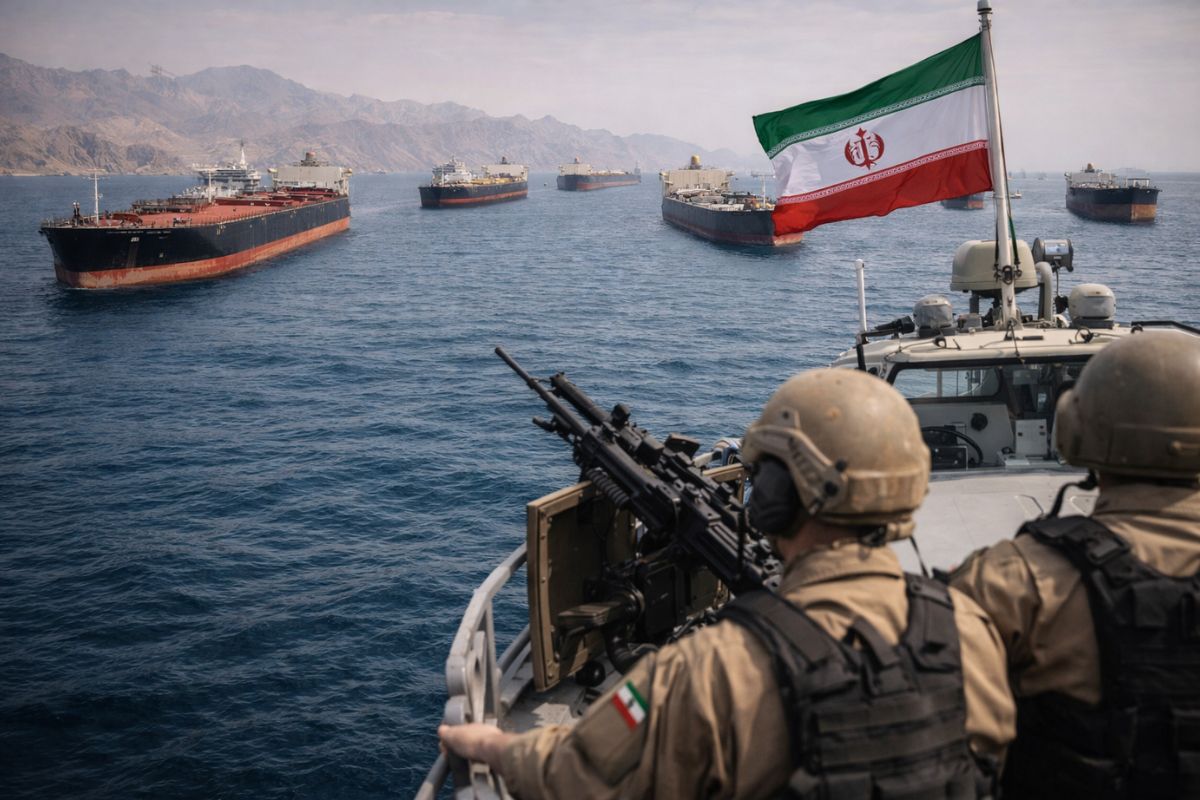
Only 7 ships have crossed the Strait of Hormuz in the last 24 hours when the normal is 135 per day, and the United Arab Emirates confirms that 230 oil tankers loaded with oil are ready to depart but are prevented from leaving while Iran turns the waterway into a sovereign control post.
-
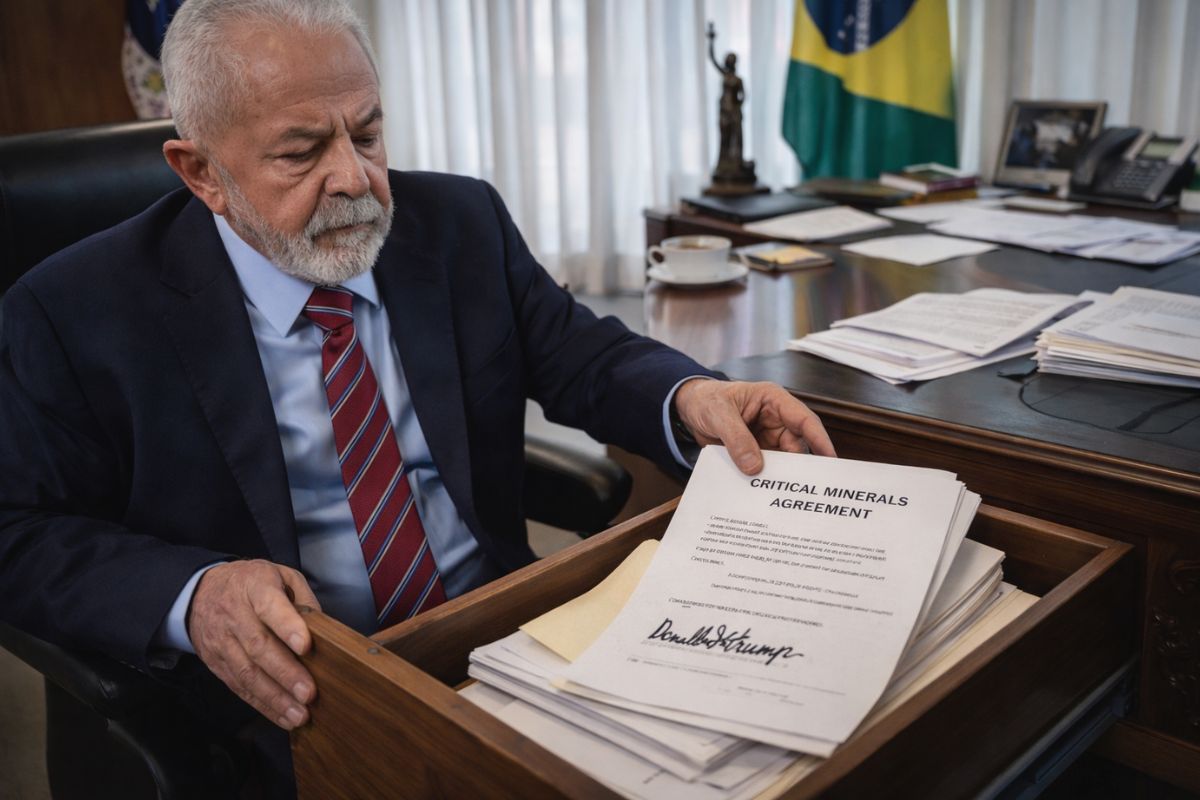
Trump sent a treaty on critical minerals to Lula in early 2026, and the document is sitting in the president’s drawer unsigned because the Brazilian government considers the proposal too generic and refuses to turn the country into a mere exporter of raw materials.
-
R$ 7 billion forgotten in the FGTS may finally be released after failures in the 2025 measures, while millions of workers find out they may have unclaimed money.

According to Jalaf, this difference cannot be justified solely by transportation costs, which add an additional 5% to 7%, not 24% or 25%. In border towns, sales still occur, as fuels in Argentina are cheaper than in Brazil and Paraguay, but inside the provinces, sales have dropped, forcing drivers to refuel in the province as little as possible to leave it, and then fill up in other parts of the country.
Exchange Rate Volatility in the Region
Exchange rate volatility in the region has also been a factor to consider when evaluating fuel prices. Iguassu Câmbio, for example, sold on a Saturday morning (07/17/2021) the parity of R$ 1 to P$ 80, with a liter of Nafta gasoline costing the equivalent of R$ 3.93 at YPF stations.
With the possible fuel shortage, the population may face difficulties in transportation and companies may be affected. Therefore, it is important for oil companies to seek a solution to the lack of fuel in Misiones to avoid interruptions in operations and the consequent economic loss. Authorities can also assist in this regard by taking measures to facilitate fuel imports and encouraging their market.
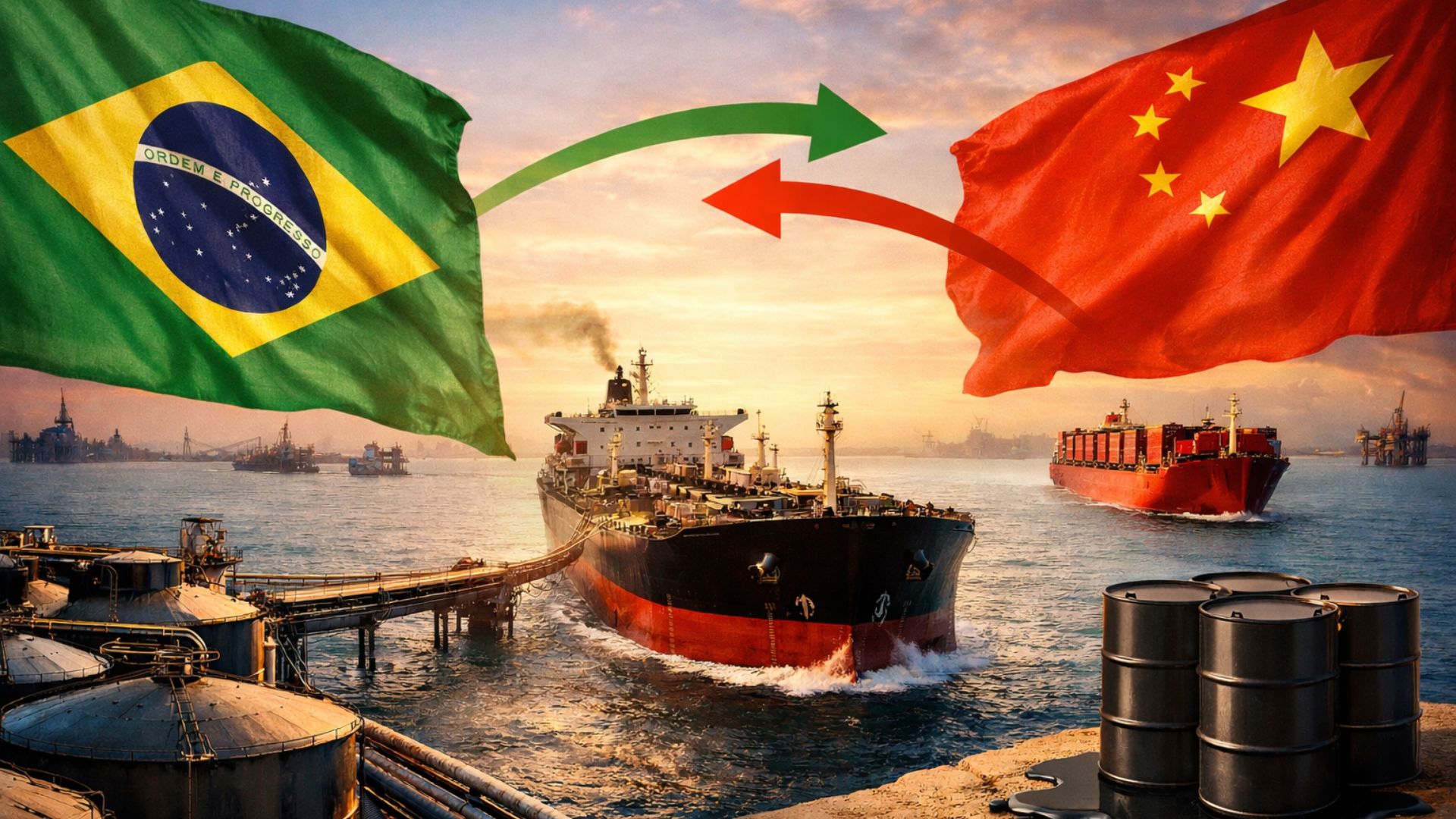
The lack of fuel negatively affects not only the oil sector but the entire economy of the country. The price of oil, for example, has a significant impact on the Brazilian economy, being one of the drivers of Brazil’s economic growth. Thus, the possible fuel shortage in Misiones may affect trade relations between Brazil and Argentina, generating a negative impact across the region.
In any case, it is essential to find a quick and effective solution to the lack of fuel in Misiones so that the population is not harmed and the economy of the entire country does not suffer the consequences of a possible interruption of business activities. This is the challenge to be faced by authorities and oil companies at this current moment.









Seja o primeiro a reagir!