





 Portuguese
  English
  Spanish
  3 min of reading


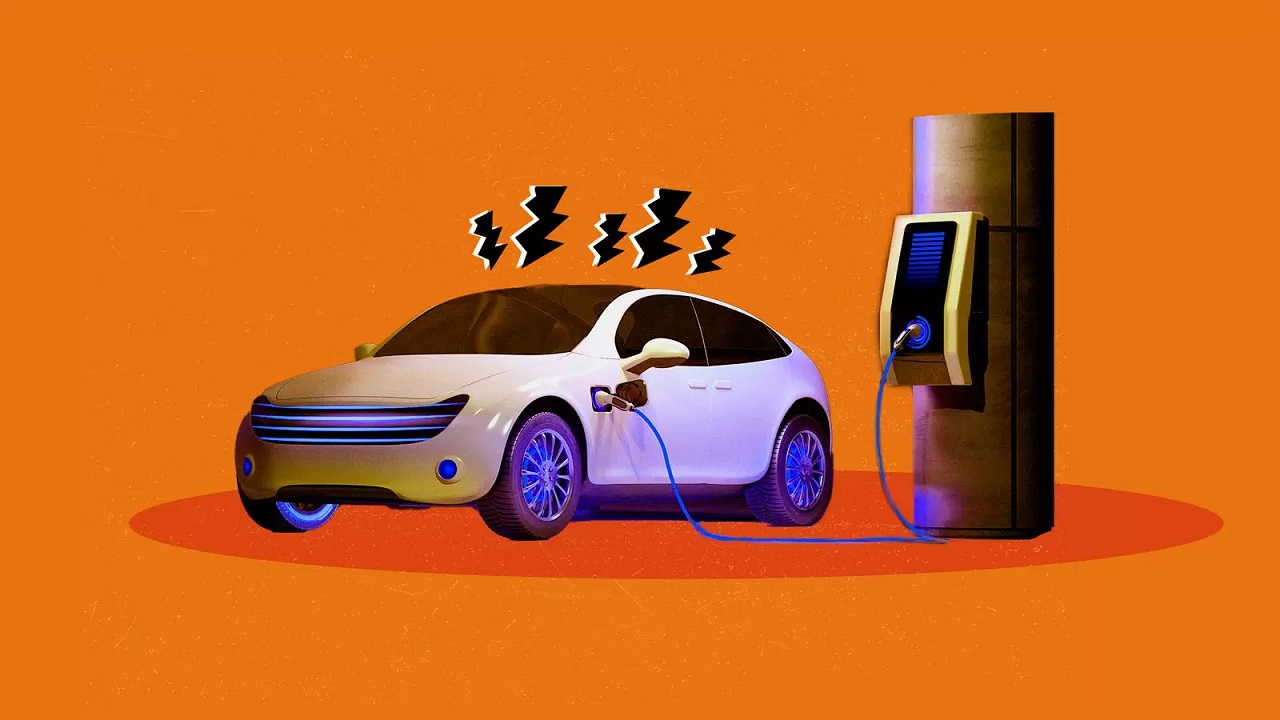
According to Ford’s CEO, the Blame for the Higher Electric Car Price Is on Raw Materials, Which Are Also Rising.
During the week, it was announced that the price of the electric car will be higher for a longer period. According to Jim Farley, CEO of Ford, along with the group of global automaker executives, they express great concern about the rising prices of commodities. In fact, it has been discussed for some time regarding the price increase of various essential products for manufacturing an electric car, especially the rising prices of specific metals used in the production of electric car batteries, which may continue to pose a problem for automakers and manufacturers. According to Ford, during an event in Michigan, the prices of lithium, cobalt, and nickel will not ease anytime soon; thus, automakers will have to still sell their cars at even higher prices.
Dealing with Rising Commodity Prices, Automakers Decide to Keep Electric Car Prices High
If the price of electric cars was already high, all indications suggest that further increases are on the way. If the trend continues this way, with metals becoming increasingly expensive, the solution found by automakers is to raise the prices of battery-powered cars.
The Tesla and Ford have created a pricing table for their main vehicles, where the F-150 Lightning pickup truck, depending on the version, will see estimated price increases between $6,000 and $8,500 (R$ 30,700 to R$ 44,000). The Coronavirus pandemic contributed to a general delay in the market’s sectors, especially in the automotive industry.
-
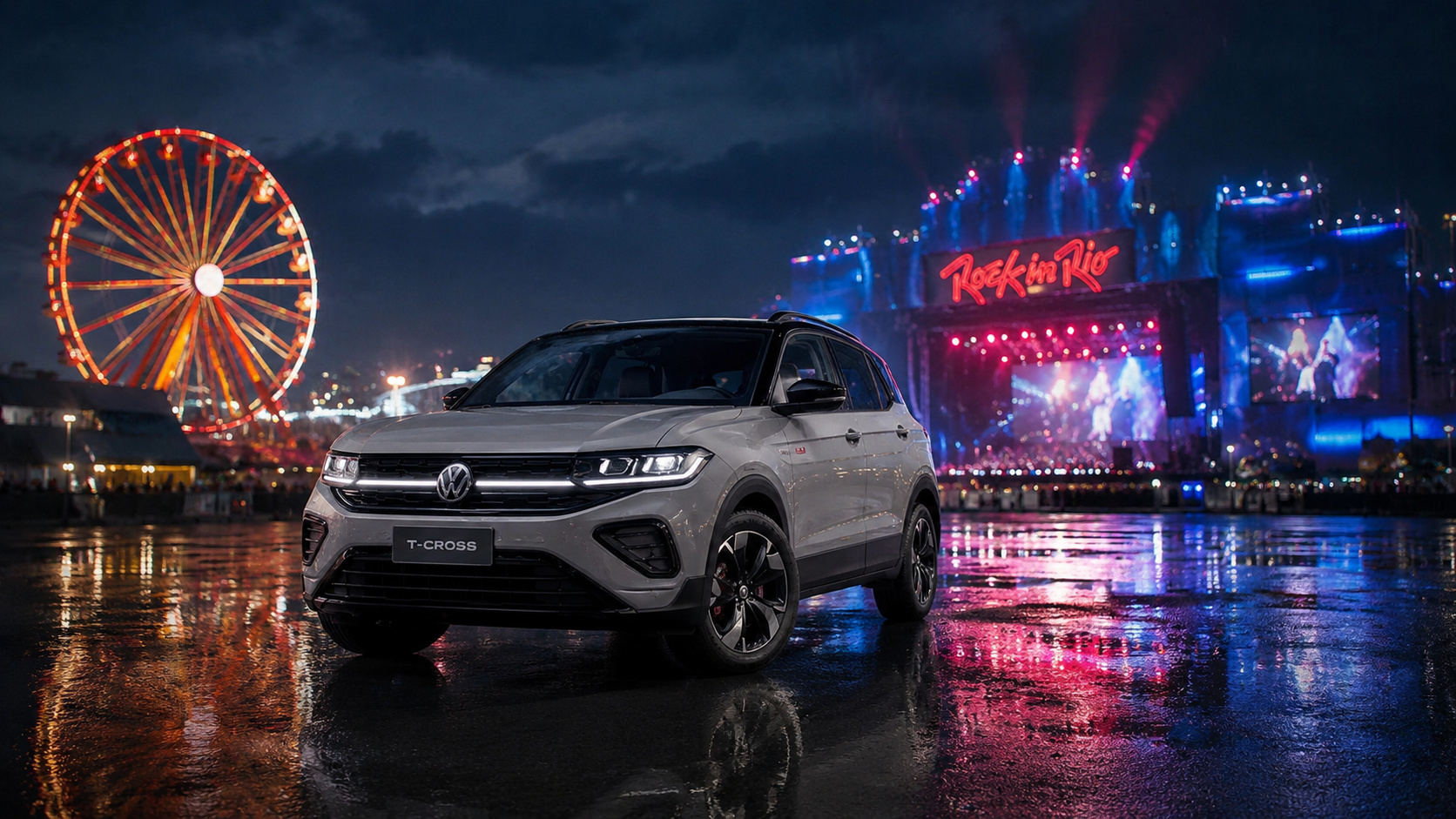
T-Cross gets Rock in Rio edition with exclusive details, themed seats, 17-inch wheels, and price maintained by Volkswagen at R$ 142,990.

-
Cheaper than HB20, Onix, and Argo: with a 1.6 flex engine of up to 120 hp, 6-speed automatic transmission, well-known mechanics, and affordable maintenance, this hatch remains among the most sought-after used cars in Brazil: meet the Volkswagen Gol 2022 automatic.

-
New Jeep Scrambler SRT resurfaces with a 6.4 Hemi V8 engine producing 470 hp, rear seats that rotate 180°, a cabin for four occupants, and a removable roof in a project planned for 2030.

-
Cheaper than a Kwid, this Japanese sedan offers a giant 482-liter trunk, a 1.6 flex aspirated engine, automatic CVT transmission, and six airbags; the Nissan Versa Sense is ideal for those who prioritize interior space, comfort, and affordable maintenance costs.


Before that, a ‘phenomenon’ known as the “hunger for electrification” had already settled in, where people, as well as the automotive industry, became aware of the environmental situation. With the post-Covid recovery, automakers found the mining industry partially unprepared, unable to keep up with the demand from the automotive industry.
Technology Will Help the Electric Car Industry More and More
Despite the challenges, there are alternatives to work around this situation, even if only partially. According to Farley, investments in batteries made from less “noble” raw materials, like lithium iron phosphate (LFP), may be an alternative.
Without nickel and cobalt, as a way to reduce production costs, the CEO of Ford believes this could be an affordable alternative to achieve zero-emission mobility.
Alternatives to Create Low-Cost Batteries
Ford has already announced that it has purchased these revolutionary batteries from the Chinese manufacturer CATL. The automaker’s goal is to assemble them in the Mustang Mach-E as early as next year (2023) and in the electric F-150 Lightning starting in 2024.
Another alternative developed by Ford is solid-state batteries, which are safer and have a higher capacity, in addition to being faster to recharge than conventional nickel-manganese-cobalt (NMC) standards.
Moreover, batteries are being developed by various companies, such as Solid Power, a company in which Ford invested alongside manufacturer BMW.
The startup plans to deliver the first prototypes by the end of this year, even though it may take a few more years before we actually see these battery prototypes reach the market.




Be the first to react!