





 Portuguese
  English
  Spanish
  3 min of reading


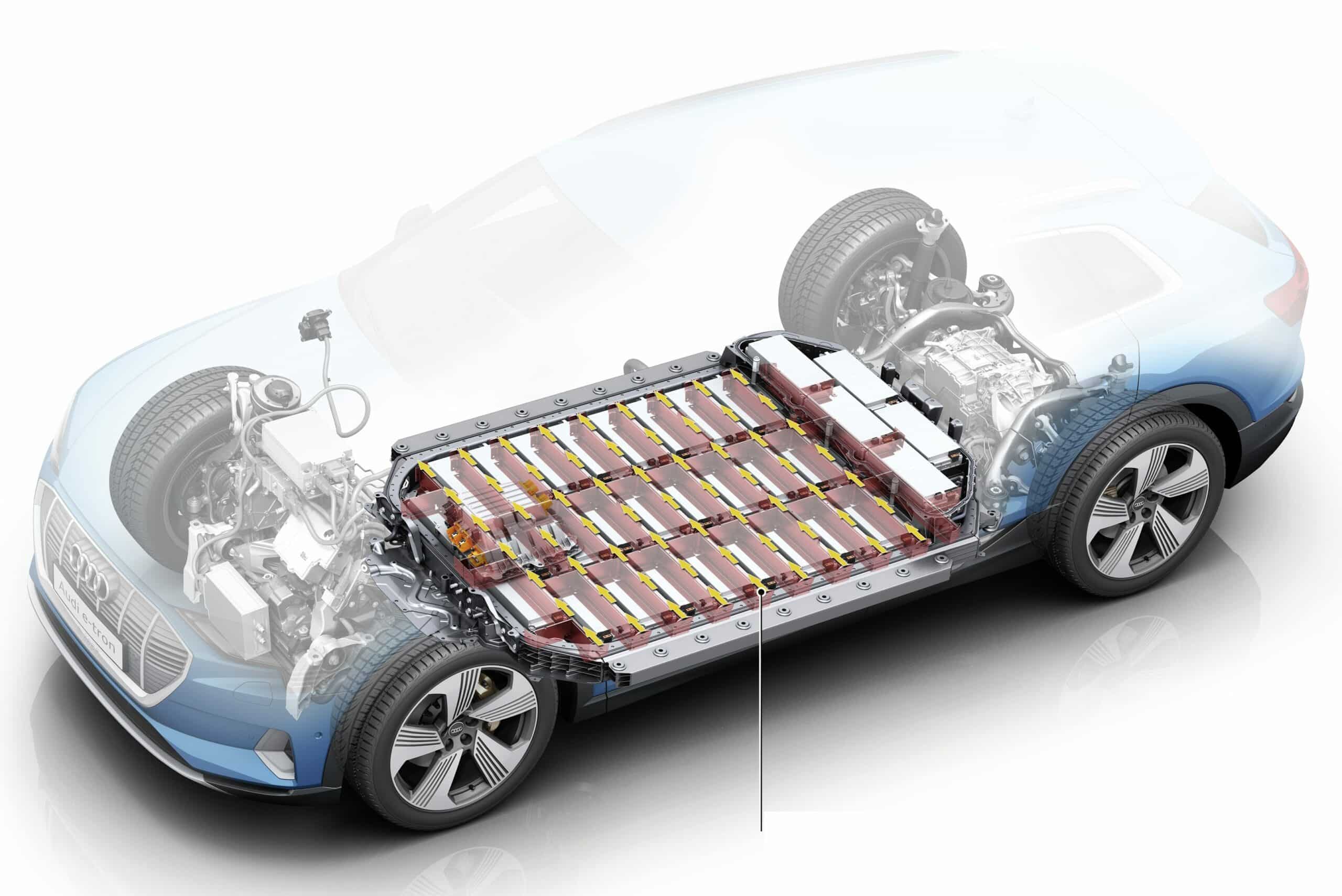
Chief Researcher of Toyota Research Institute Says It Is Not Yet Time to Implement Solid-State Batteries in Electric Vehicles. Understand Better Below
Even though solid-state batteries are considered those that could help drastically improve the performance of today’s electric cars, it has already been reported that the first vehicles to be equipped with this type of battery will not be electric models. According to the Japanese manufacturer Toyota, it is confirmed that this new solid-state battery technology will be equipped in hybrid cars, but only in two or three years.
Read Other Related News
Solid-State Battery Project
The news was given by Toyota’s Chief Scientist and Head of the Toyota Research Institute, Gill Pratt, who made the announcement during an interview. Gill Pratt also reported that the manufacturer responsible for the solid-state battery has made advances in the project and that the development of this new technology is on schedule.
The Chief Scientist did not mention which hybrid model from Toyota will receive the solid-state battery, but continued to explain the reasons why there will not be an immediate implementation of this type of battery in a 100% electric car.
-
The culture of cars that jump on the asphalt was born in the garages of Mexicans in the 1940s, was treated as a crime in the United States for decades, and has now become an official postage stamp of the American Postal Service in a twist that no one expected.

-
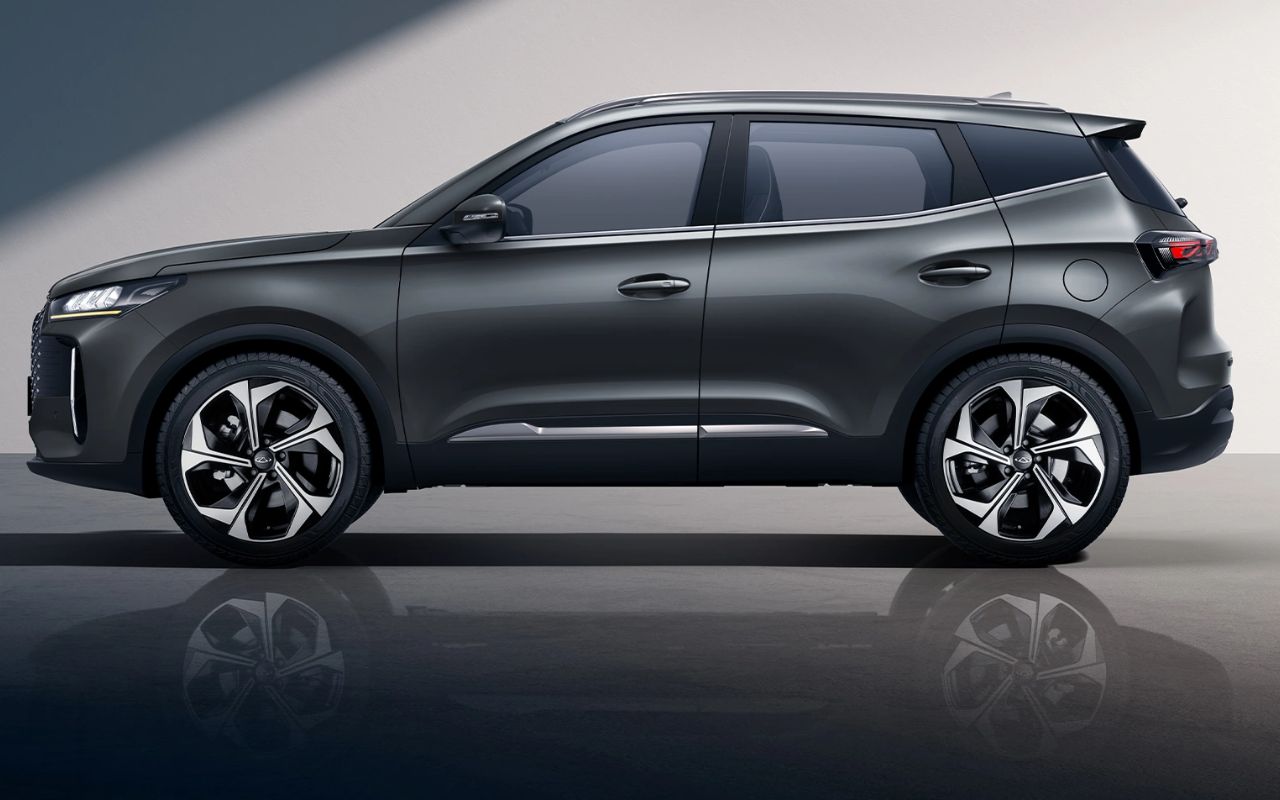
It surpassed the Onix Plus and HB20S: with over 5,000 units sold in March, the Caoa Chery Tiggo 5X 2027 has refreshed its look, conquered the market, and will soon launch a version priced at R$ 120,000 for PcD.
-
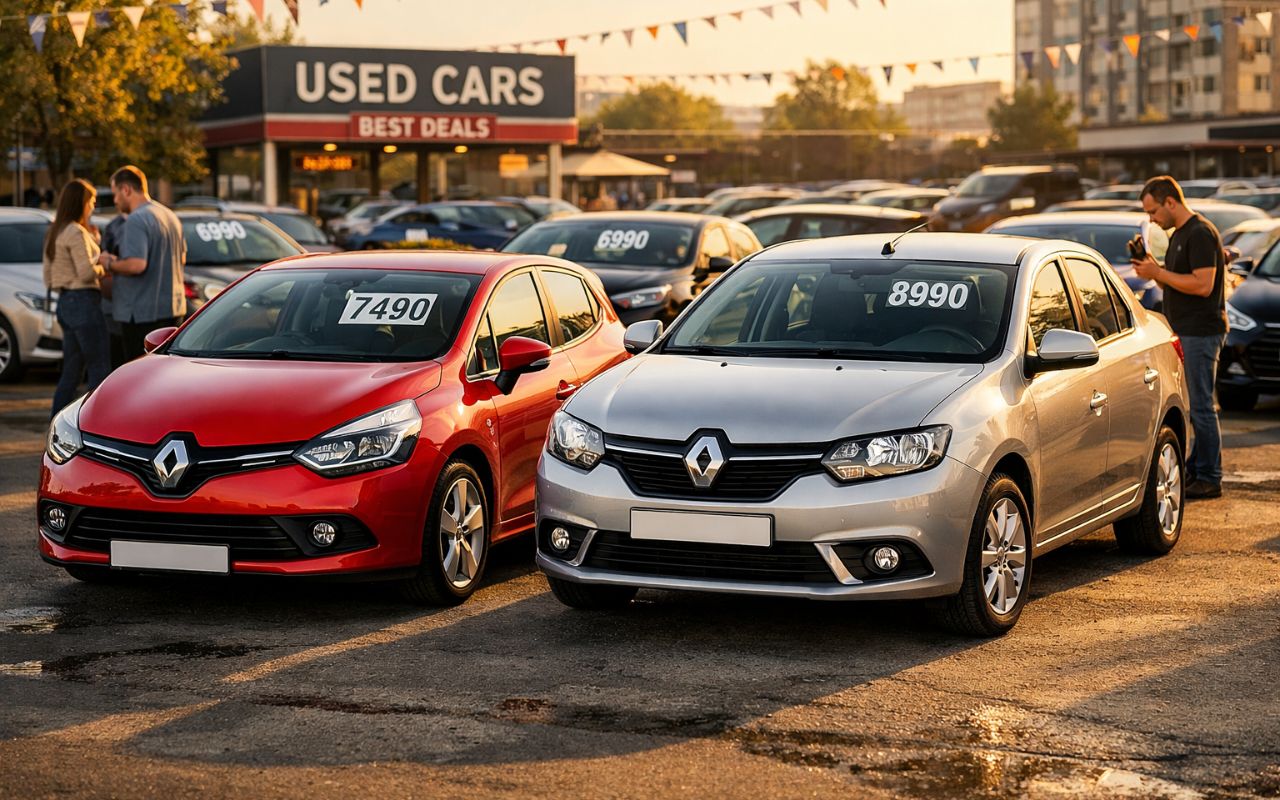
Used cars soar in Brazil: historical appreciation changes the landscape in 2026
-
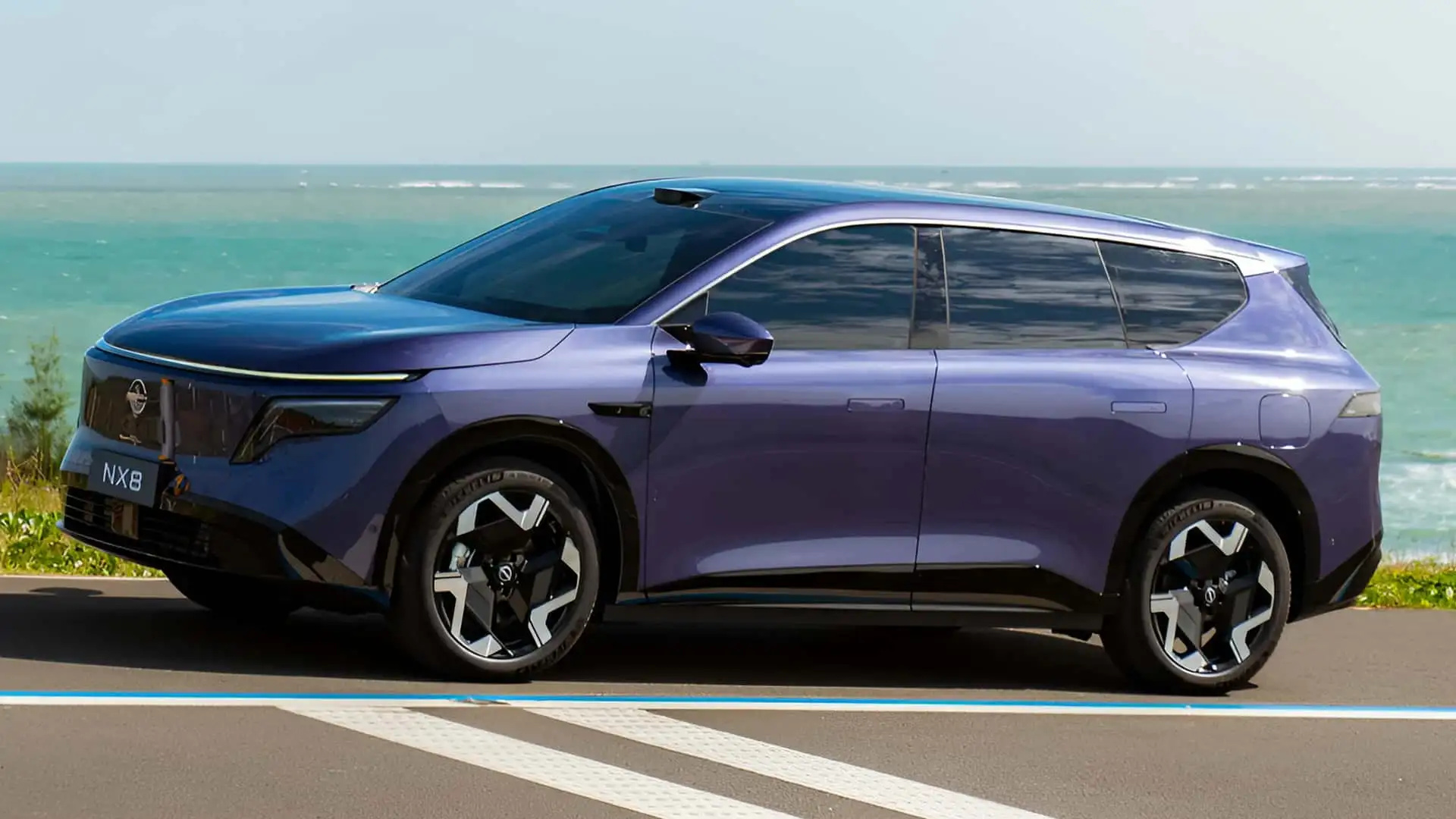
Nissan NX8 prepares a counterattack with a range of 1,450 km, EREV system, and tests already underway in Brazil, in a Japanese response to the offensive from BYD, GWM, and Leapmotor.
According to Pratt, the main reason is related to the size of the battery, which for a hybrid car with an internal combustion engine has dimensions slightly smaller than in a pure electric car model.
The Cost of Implementing Solid-State Batteries May or May Not Affect the Final Value of the Vehicle, Depending on the Situation
The cost of solid-state batteries will be much higher, according to the manufacturer. However, if the package itself is small, switching to the solid-state model will not result in any significant change in the final cost of the vehicle.
Gill Pratt stated in an interview that he recognizes that the approach adopted by Toyota may be a bit counterintuitive, but he reported that the cost issue of the battery appears to be more logical than it seems at first glance.
Future Investments Could Boost Advances in Solid-State Battery Improvement Research
Solid-state batteries are about seven to eight times more expensive than lithium-ion batteries, and it is expected that the cost of the solid-state battery will not drop significantly until mid-2025, making it a truly viable solution for electric cars.
It is estimated that by 2030, if more companies continue to heavily invest in the development of batteries, along with a bit of luck, there could be some kind of breakthrough. However, the automotive market cannot wait for this advancement to come from Toyota, as there is a strong chance that it may not, since there are many other companies and manufacturers working hard on this possibility of advancement in battery improvement.
Nissan Aims to Produce Cobalt-Free Electric Car Batteries to Reduce Production Costs by 65%
The Japanese brand claims that by the fiscal year 2028, it will launch electric cars with its proprietary solid-state batteries, and the pilot factory for these batteries, located in Yokohama, Japan, is expected to be ready by 2024.
The term “proprietary” and the location of the pilot plant indicate that Nissan has some internal technology. It is worth noting that the company has been involved with lithium-ion batteries for around 20 years and, alongside NEC, produced its own batteries for electric cars through AESC, which was later acquired by a Chinese partner.
It has not yet been confirmed whether the solid-state batteries will use the brand’s cobalt technology or whether it will be a separate innovation for a more common chemistry without cobalt, such as LFP. According to a statement, the ASSB will be essential for expanding the brand’s lineup of electric cars.








Seja o primeiro a reagir!