





 Portuguese
  English
  Spanish
  4 min of reading


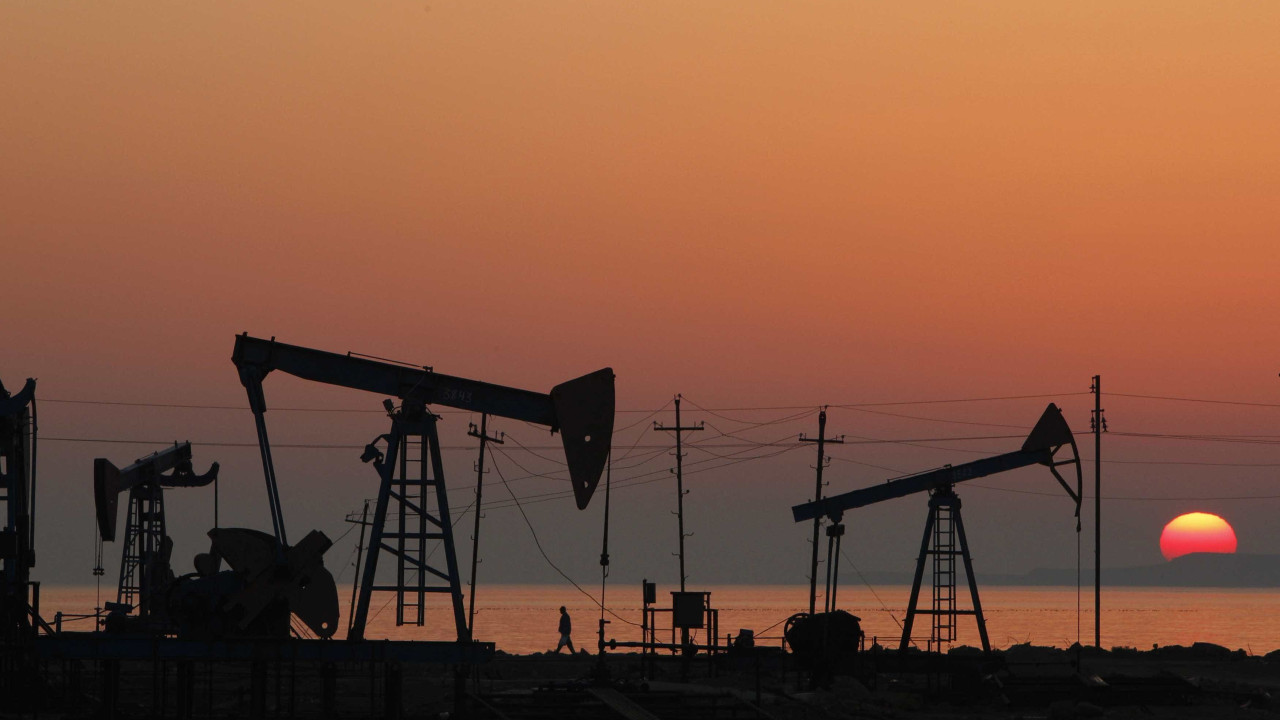
Brazilian Oil Producers Are in a New Cycle, According to the President of the Brazilian Association of Independent Oil and Gas Producers (Abpip), Marcio Felix.
During the 2016-2022 divestment program of Petrobras, independent oil and gas companies succeeded in acquiring mature onshore areas and exploring new markets, such as the natural gas market. However, they now must prepare for a new era without the benefits of selling new assets, which requires gaining efficiency, contributing to the ESG agenda, and working together with the government to reduce the requirements for starting oil and gas production.
According to Felix, in the onshore sector, some independent companies are focusing more on natural gas, which can replace other fuels in the energy transition. Companies in areas like Alagoas are contributing with a strong social commitment, revitalizing unproductive exploratory areas. There are also projects being considered for carbon capture in Brazil.
Felix Sees Possibilities for Diversification of Energy Sources, Assisting in the Energy Transition and ESG.
It is possible to create a new sense of purpose for the fossil fuels industry, making it hybrid and flexible. Brazil has many opportunities for this, as members of the onshore sector are located in areas that often coincide with wind potential.
-
The rise in oil prices could ensure an extra revenue of R$ 100 billion for the Federal Government, indicates a recent economic study.

-
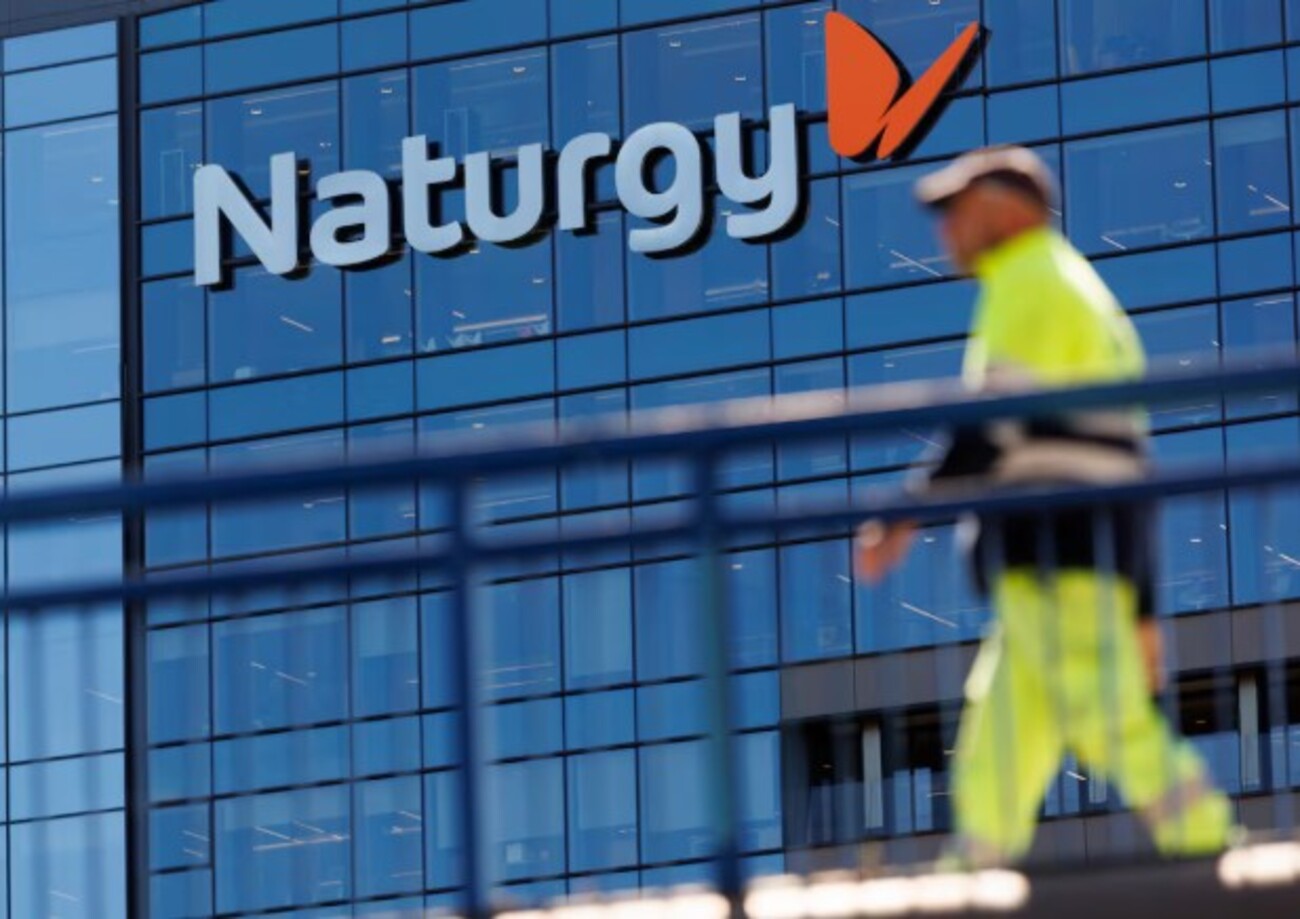
Naturgy begins an investment of R$ 1.6 million to expand the gas network in Niterói and benefit thousands of new residences and businesses.
-
A major turn in the Justice system suspends tax increases and directly impacts oil and gas companies in Brazil by affecting costs, contracts, and financial planning, leaving uncertain what could happen to the sector if these costs had increased.

-
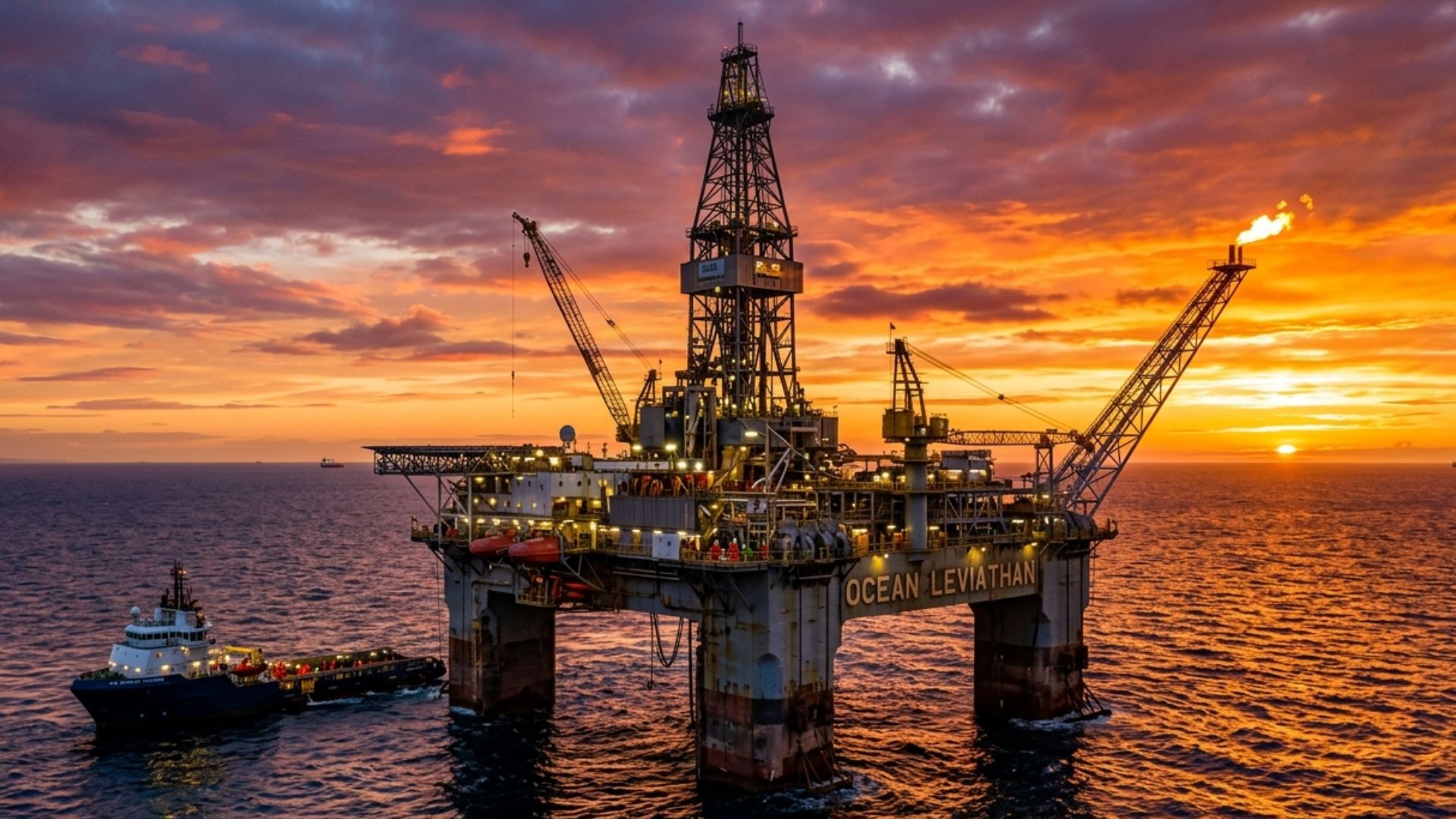
Brava Energia begins drilling in Papa-Terra and Atlanta and could change the game by reducing costs in oil while increasing production and strengthening competitiveness in the offshore market.
Moreover, it is necessary to seek the highest possible recovery factor [of oil]. Independent companies play a role in the transition, and many are beginning to see themselves as energy companies, not just oil and gas.
Felix stated that his term as president of Abpip will seek a more conciliatory profile. Petrobras has completed its divestment cycle, and the company is expected to initiate a new round of sales, but in the onshore segment, practically all assets have already been put up for sale.
It is pointless to praise the past. Campaigning for new divestments will not change the current situation. It is necessary to wait for new movements beyond what is already underway. Requirements and investment deadlines for exploration in Brazil need to be adjusted. Exploration is very rigid in terms of regulations and deadlines. This timeframe can be reduced. The continuous offer of blocks by the National Petroleum Agency could also be facilitated.
Felix Emphasizes That the Challenge Is That the Requirements for a Well Producing 5 b/d Are the Same as for a Well Producing 50,000 b/d, with an Offshore Production Mindset.
Low production and low-risk areas should be facilitated. To achieve this, it is important to think about temporary provisions to simplify the issue. The permanent offer from the National Petroleum Agency aims to simplify by keeping blocks available, but it has turned into an annual auction. We will still need to expand our exploration, especially where there is infrastructure.
Regarding the gas market, Felix comments that it will grow. We have emerging intermediate links in the gas chain, compressing, liquefying, and delivering directly to industrial consumers in a free market model. This transformation is visible and will grow even more soon.
In Summary, Independent Brazilian Oil and Gas Producers Are Facing New Challenges and Seeking New Opportunities.
They are committed to the ESG agenda and the energy transition. Gradually, they are becoming energy companies, not just oil and gas.
This new phase in oil and gas production is the result of changes in the divestment dynamics from a few years ago. Independent companies are focusing on the natural gas market, which is a more viable and less polluting energy source, as well as possible carbon capture projects. These companies are increasingly committing to the ESG agenda and recognizing the value of becoming energy companies, not just oil and gas.
The President of Abpip, Marcio Felix, Highlights the Importance of Adjusting the Requirements and Investment Deadlines for Exploration in Brazil.
He emphasizes that, currently, exploration is very rigid in terms of regulations and deadlines, which can affect oil and gas production in the country. To face these challenges, low production and risk areas must be facilitated, focusing on expanding exploration in areas that already have infrastructure.
Furthermore, Felix mentions the gas market as an area that should grow. He notes that there are emerging intermediate links in the gas chain, compressing, liquefying, and delivering directly to industrial consumers in a free market model.
Overall, independent Brazilian oil and gas producers are constantly evolving, facing new challenges and seeking new opportunities. They have a strong social commitment, revitalizing unproductive exploratory areas and gradually becoming energy companies, contributing to the energy transition and the ESG agenda.










Seja o primeiro a reagir!