Portuguese
  Spanish


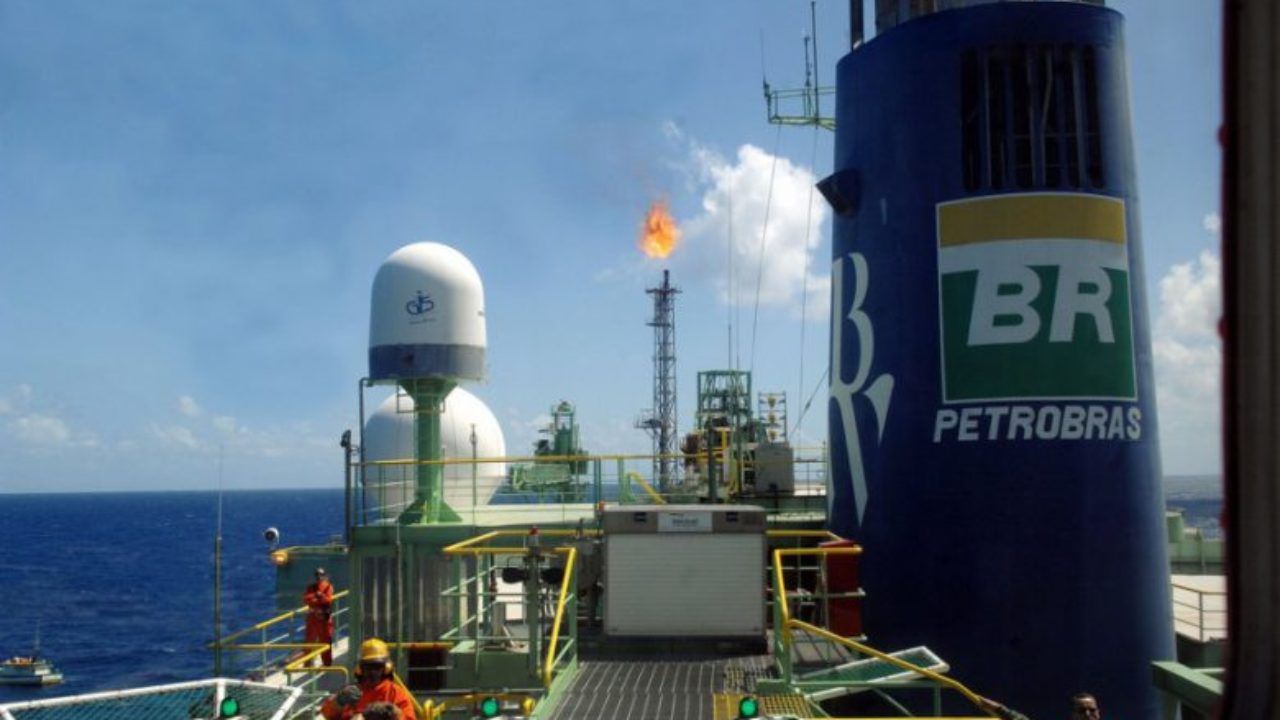

In March, Brazil’s Oil and Gas Production Registered a Decline of 11.95% Compared to the Previous Month.
According to the National Agency of Petroleum, Natural Gas and Biofuels (ANP), the average production was 3.68 million barrels of oil equivalent per day (boed). In February, production had reached a record 4.18 million boed.
Compared to the same period last year, there was also a decline of 3.75%. The average production of oil also registered a significant drop of 12.76% compared to February and a decrease of 4.55% versus a year earlier, to 2.846 million barrels per day (bpd).
Oil and Gas Exports
Despite the decline in Brazilian production, the country exported a historic volume of oil in the same month. A total of 11.31 million tons were exported, more than double compared to the same month in 2022, according to official government data. It was unclear whether exports remained unaffected by the production decline in March due to the large volumes produced in February.
-
Qantas and Airbus Invest in Company Aiming to Convert Unsorted Household Trash into Jet Fuel

-
Brazil’s ANP Opens 86 New Oil Blocks in the Equatorial Margin, Expanding the Amazon River Mouth Frontier

-
OPEC+ Boosts Oil Supply by 188,000 Barrels per Day in July 2026, Leading to Price Drop from $112 to $89 per Barrel in Under Two Months

-
TotalEnergies Signs 20-Year Deal to Purchase 2 Million Tons of LNG from Alaska, Boosting Project Viability
Recently, Brazil began to charge a tax on external sales of oil. The tax started being levied on March 1st, yet external oil sales recorded an increase in February.
Average Natural Gas Production
The average natural gas production in the third month of the year fell by 9.09% compared to February and decreased by 0.91% compared to March 2022, to 133.22 million cubic meters per day. However, despite the decline in March, natural gas production has shown considerable growth in recent years.
Challenges for Brazil’s Oil and Gas Production
The oil and gas sector is a significant revenue generator for Brazil, but it has faced considerable challenges in recent years. Production in the country fell in 2021 due to the Covid-19 pandemic and the economic crisis.
In addition, oil prices fell during the pandemic, and OPEC+ (Organization of the Petroleum Exporting Countries and allies) decided to cut production, which affected oil-producing countries, including Brazil.
Another challenge is the increasing competition in global oil and gas markets. There is a greater supply of natural gas, for example, due to production in countries such as the United States and Russia. This can affect the demand for Brazilian LNG (liquefied natural gas).
Additionally, there is a global trend towards cleaner energy sources, such as wind and solar energy. This may lead to lower demand for fossil fuels like oil.
Investments in Brazil’s Oil and Gas Sector
To tackle these challenges, Brazil needs to invest in technology and innovation. This can help improve the efficiency of oil and gas production, increasing its competitiveness in global markets.
The Brazilian sector of oil and gas also needs investments in infrastructure. The country has significant potential in offshore oil and gas, but requires investments in platforms and tankers to explore these reserves. Brazil also needs to encourage more foreign investment in the oil and gas sector. This can help improve technology and expertise in production processes, as well as attract more capital to the country.
Brazil’s oil and gas production registered a decline in March, but exports of the product had a historic increase during the same period. The country faces significant challenges in the oil and gas sector, but it can overcome them through investment in technology, innovation, and infrastructure. Furthermore, Brazil needs to stimulate greater foreign investment in the sector to enhance its competitiveness in global markets.