





 Portuguese
  English
  Spanish
  3 min of reading


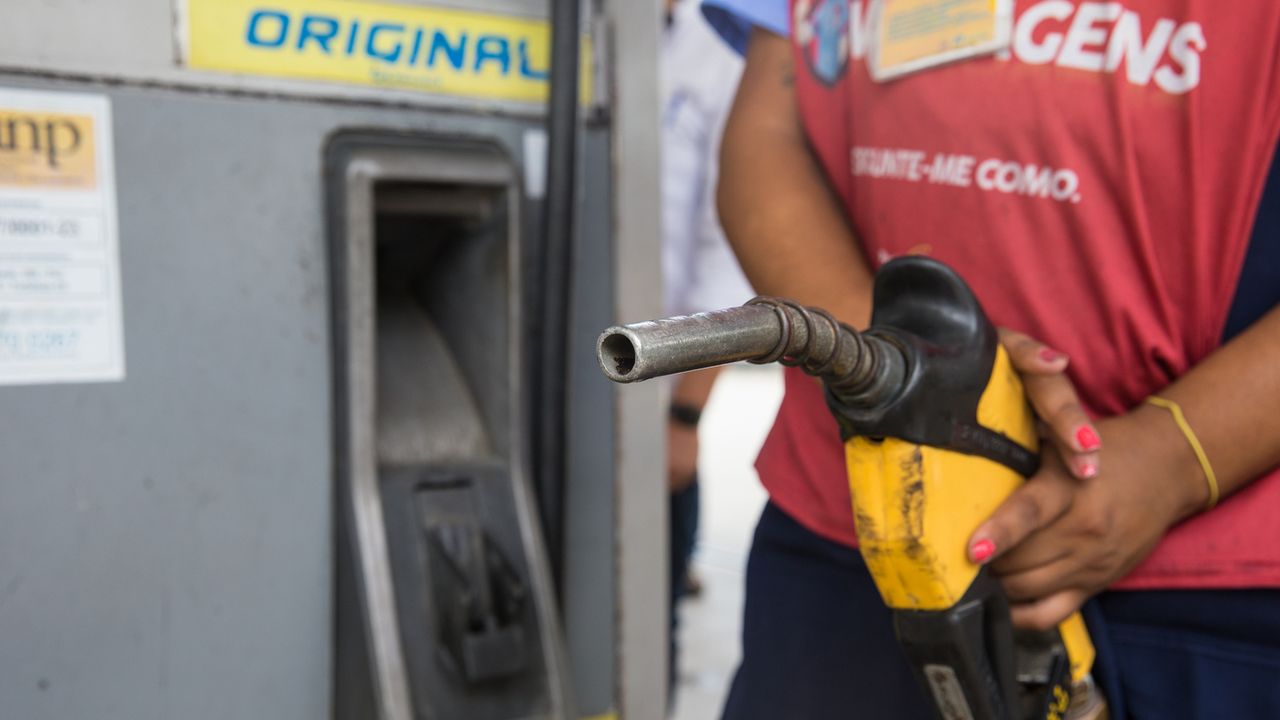
In Expectation of Solutions from the Federal Government, Senators from Sergipe and Rio Grande do Norte Present Bill Establishing Guidelines for the Pricing Policies of Main Fuels and Cooking Gas (LPG)
The Senate Economic Affairs Committee approved this past Tuesday (7), the Bill No. 1472, authored by Senator Rogério Carvalho of the Workers’ Party – PT/SE and reported by Senator Jean Paul Prates, also from the Workers’ Party – PT/RN, which establishes a series of guidelines for pricing policies for the sale of fuels such as gasoline and cooking gas (LPG). The agenda is expected to be reviewed in the Senate plenary very soon.
Read Other Related News
Senate Seeks Ways to Mitigate the Prices of Main Fuels and Cooking Gas (LPG), Essential for the Population
The main objective of the Senate is to create a type of fund that can serve as a basis to mitigate the prices of petroleum derivatives, in cases of severe fluctuations in their pricing in the international market or in price variations at gas stations in Brazilian cities.
According to the authors of the bill, it is possible to reduce at least the average price of a liter of gasoline to a maximum of R$ 5. Currently, with various fluctuations in the market, the fuel is priced around R$ 7 in several Brazilian states, and there have been 15 price changes.
-
R$ 7 billion forgotten in the FGTS may finally be released after failures in the 2025 measures, while millions of workers find out they may have unclaimed money.
-
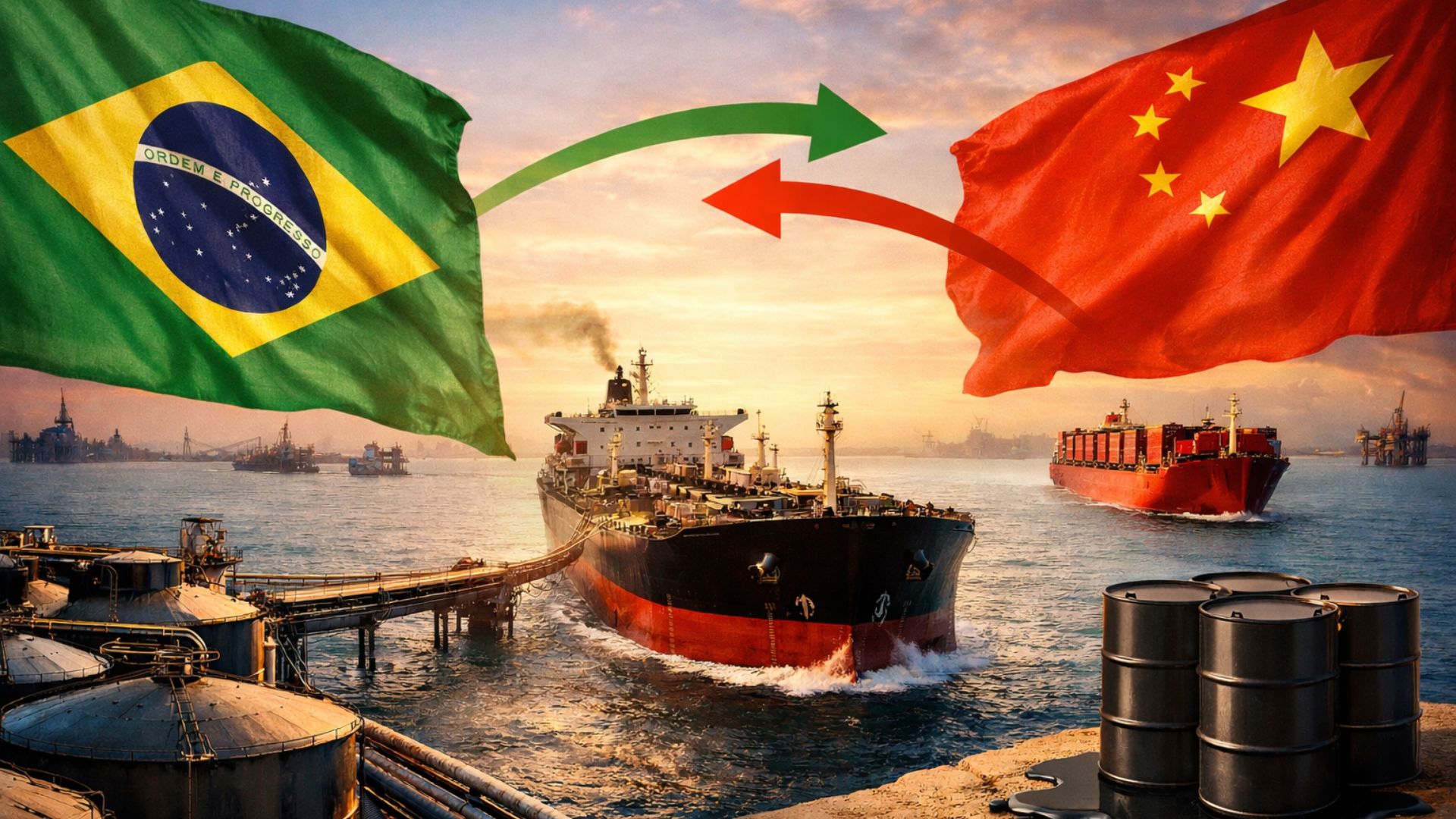
Brazil’s oil exports soar with record purchases from China, potentially generating a new cycle of economic growth, increasing external revenues, and consolidating the country as a global strategic supplier.
-
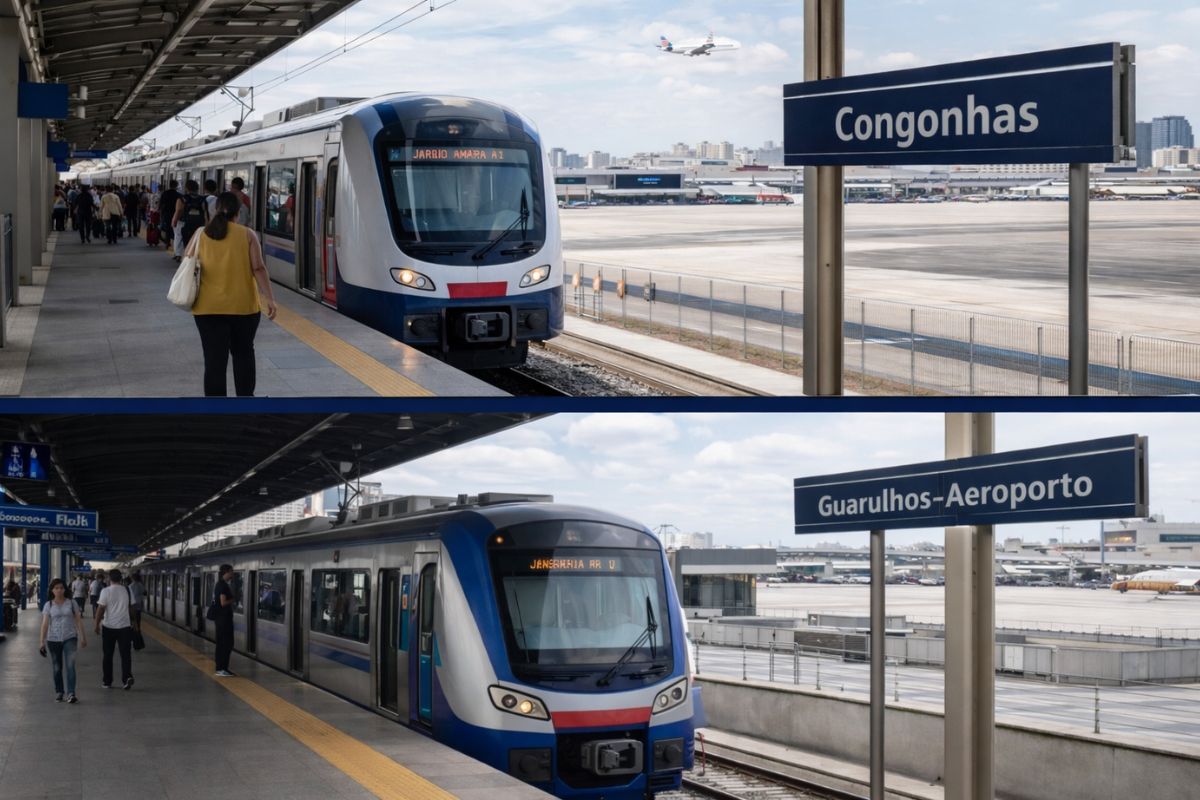
São Paulo has connected its two airports by rail for the first time in history, and now you can travel by train from Congonhas to Guarulhos for just R$ 5.40. However, the journey requires four transfers, takes about two hours, and only operates during a narrow time window that almost no one can use.
-
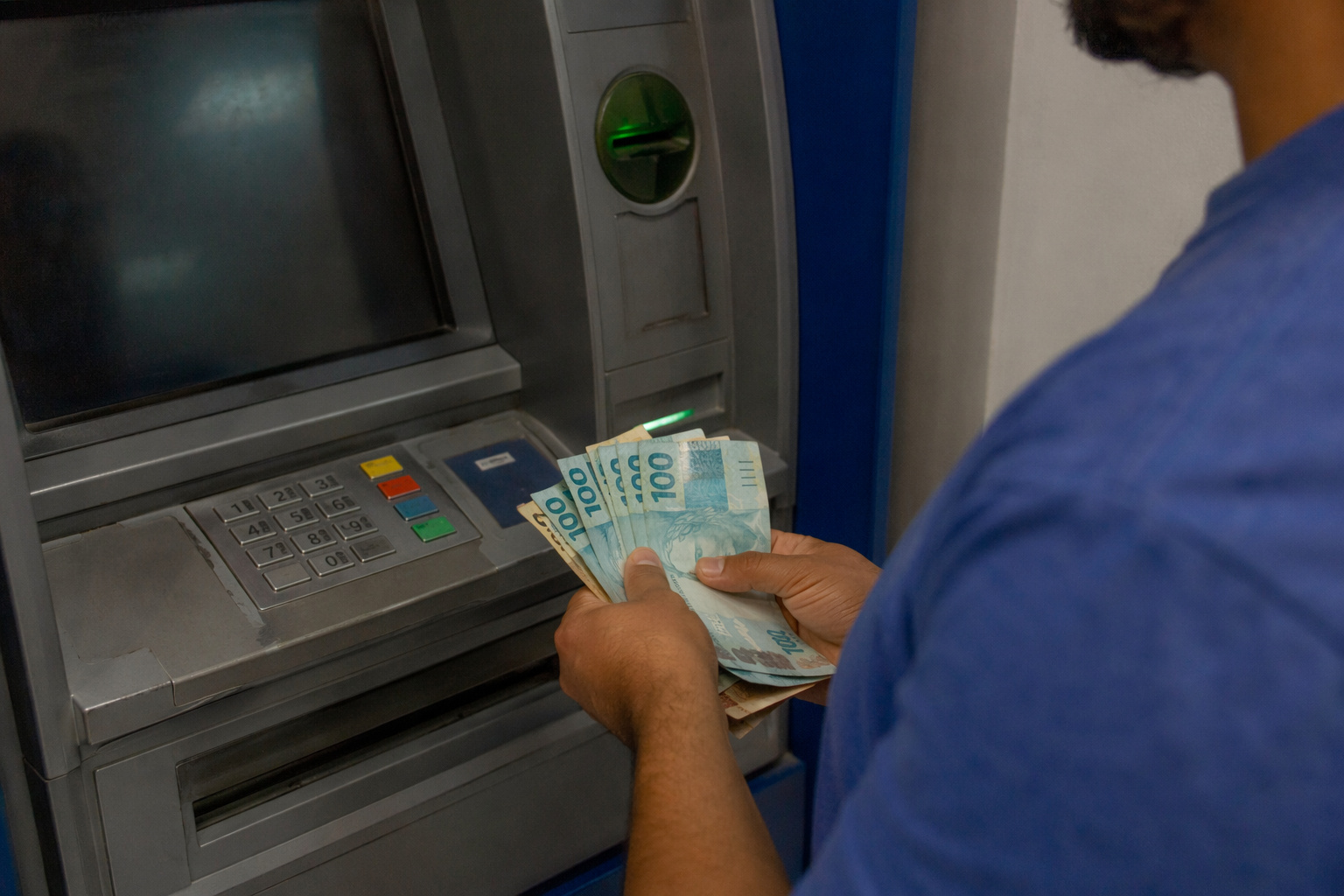
The savings of Brazilians are depleting: savings accounts recorded the third consecutive month of withdrawals, with over R$ 41 billion taken out in the first quarter of 2026, the largest outflow in an entire year.

Main Points of Bill No. 1472 That Could Reduce Gasoline Prices
- Establishes new guidelines for the pricing policy for the sale of fuels such as gasoline, cooking gas, and others;
- Creates the Stabilization Fund for the prices of petroleum-derived fuels, which should be funded by resources from the export tax and price variations in relation to the band, with no other budgetary source of funding being allowed;
- Considers the protection of consumer interests; reduction of external vulnerability; encouragement of the utilization of refining capacity; moderation of internal prices; reduction of internal price volatility;
- Stipulates that the prices of petroleum-derived fuels should reference average prices in the international market, internal production costs, and import costs;
- Establishes a band regime for the prices of petroleum-derived fuels, with pre-defined frequency of adjustments and compensation mechanisms;
- Implements progressive export tax rates for crude oil starting at a price of US$ 40 per barrel.
Source: Federal Senate)
Numerous Criticisms Regarding the Bill
During the session, some senators criticized the Federal Government’s stance in light of the rising prices of petroleum derivatives, described by some lawmakers as an omission and inert position.
Indignant about the current situation, Senator Jean Paul, one of the bill’s authors, stated that he is not proposing what he called a “magic solution,” but is merely seeking to present solutions to the problem, since the government itself has not been able to. Jean’s remarks during the session were filled with references to the public hearings held with managers and collaborators from Petrobras and the Ministry of Economy.
Senator Omar Aziz, an ally of the Bolsonaro government, downplayed the situation, saying that the concern should not be Congress’s but rather the Government’s. Aziz also stated that, after the bill’s approval in committee, the house would wait for suggestions from the Government, concluding his remarks by saying that any suggestions coming from Bolsonaro would be very welcome.








Seja o primeiro a reagir!