Portuguese
  Spanish


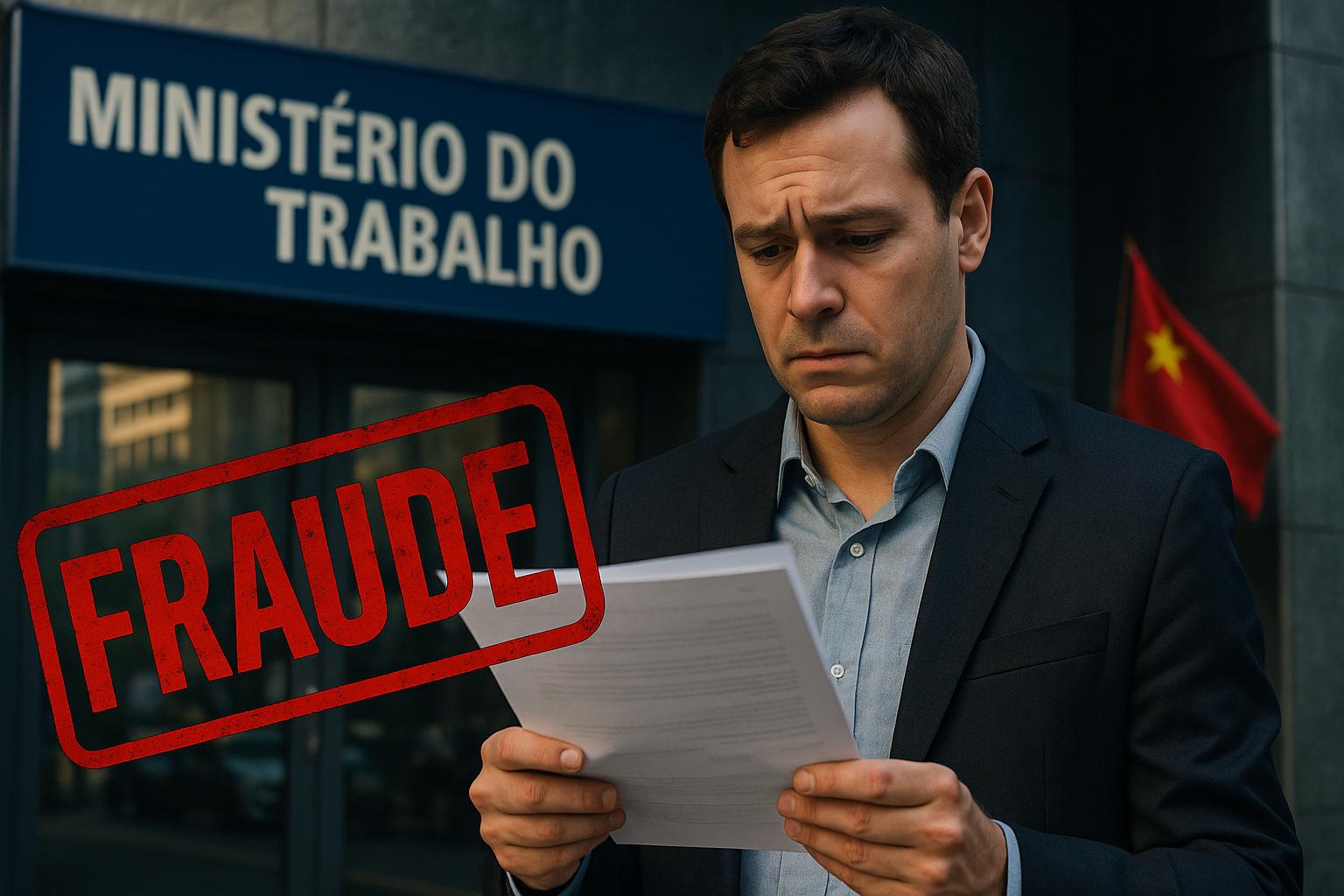

Unemployment Insurance Can Be Canceled If There Is a New Job; Worker Who Hides Employment Must Repay Amounts and Can Answer for Fraud.
The unemployment insurance is one of the most important benefits of the Brazilian social protection network. Created by Law No. 7.998/1990, it provides temporary income to workers dismissed without just cause, assisting in their subsistence while they seek reemployment. However, this right is not unconditional: the law requires that the beneficiary is truly unemployed and without formal income.
When a worker secures a new job or starts receiving compensation, they immediately lose the right to the benefit. If they conceal this information and continue receiving installments, they commit fraud against the system and may be required to repay the amounts received improperly.
What The Law Says About Cancellation and Repayment of the Benefit
Law No. 7.998/1990, in its Article 7, is clear: unemployment insurance will be suspended when the worker returns to employment or begins receiving another compensation. If they continue receiving amounts without entitlement, the consequence is full repayment to the treasury.
-
Court Upholds Just Cause Dismissal of Employee for Posting Social Media Videos During Work Hours

-
Dismissing a retired worker or one eligible for retirement constitutes ageism and creates a duty to compensate: a unanimous decision by the TRT mandates reinstatement to employment, payment of back wages, and upholds compensation of R$ 15,000 for discrimination.

-
Work less and produce more? Nobel Prize in Economics explains why shorter workdays can increase productivity

-
Unions are growing again in Brazil after more than a decade, but they face an urgent challenge to win back digital workers and maintain relevance.



Additionally, the Normative Instruction No. 2/2015 from the Ministry of Labor details the inspection procedures, allowing government bodies to cross-check information with CAGED, CNIS, and other records to detect active employment during the benefit period.
In other words, those who attempt to hide a new job are unlikely to go unnoticed, as the system cross-checks data in real time.
How Fraud Is Detected and The Consequences for The Worker
Detection occurs through electronic cross-referencing of information. As soon as the employer registers the hiring in the system, the Ministry of Labor receives the data. If the worker is receiving unemployment insurance, the system detects the conflict.
The consequences are:
- Immediate cancellation of the benefit;
- Administrative collection for the repayment of amounts already paid;
- Inclusion of the debt in the active debt of the Union, if there is no voluntary restitution;
- In severe cases, criminal liability for the crime of fraud against the Union (Art. 171 of the Penal Code).
Cases Reviewed By The Courts Reinforce The Alert
The Federal Regional Court of the 4th Region has already confirmed the conviction of a worker who improperly received unemployment insurance by omitting active employment.
The court found that there was unjust enrichment and ordered the repayment of the amounts, with monetary adjustment.
Similar decisions have been adopted in other regions of the country. In some cases, in addition to repayment, the defendants were sentenced to alternative penalties for fraud, confirming that the benefit can only be paid in situations of actual unemployment.
Experts Explain The Responsibility of The Beneficiary
For labor lawyer Carlos Henrique Bezerra Leite, “unemployment insurance is a food benefit and should be protected. But this does not give the worker the right to receive it improperly. Omitting a new job is fraud and generates serious consequences.”
Economist Adriana Fernandes adds that “data cross-referencing has become more efficient in recent years, and today it is practically impossible to continue receiving unemployment insurance while having active employment.”
How To Repay Improperly Received Amounts
When there is an administrative collection, the worker can issue the Union Collection Guide (GRU) on the official portal of the Ministry of Labor and Employment. Spontaneous repayment prevents the debt from being registered in the active debt and sent for fiscal execution.
Those who do not voluntarily repay the amounts may face judicial collection processes, with asset seizure and account blocking through BacenJud.
The Benefit Is A Right, But It Must Be Used Correctly
Unemployment insurance is an essential tool to protect workers in times of vulnerability. But it only fulfills its function when there is responsibility and transparency on the part of the beneficiary.
The worker who secures a new job needs to communicate immediately, under penalty of losing the benefit and also having to repay what was received improperly.
The message from the courts and the government is clear: defrauding unemployment insurance is not worth it. The risk of administrative processes, repayment of amounts, and even criminal actions outweighs any temporary advantage.