





 Portuguese
  English
  Spanish
 4 min of reading
  1 comment


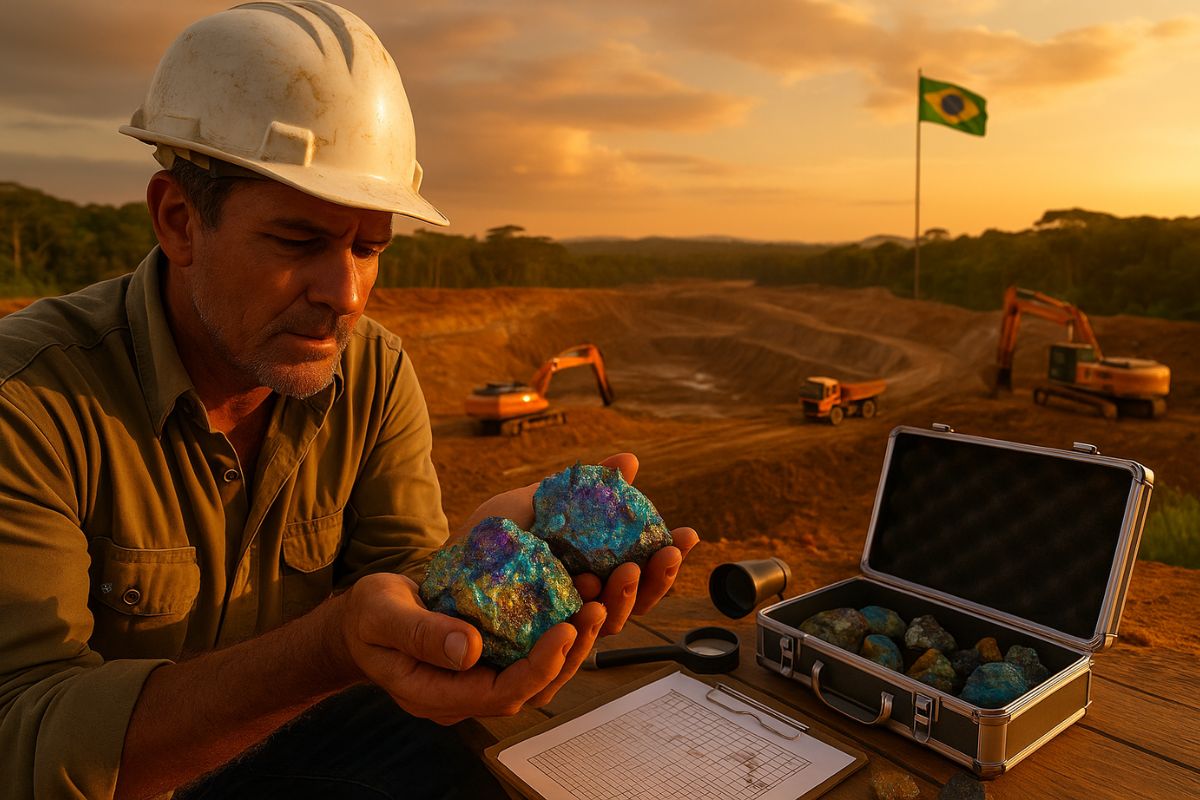

Researchers from UFRR Identify Unprecedented Concentrations of Rare Earths in Caracaraí, in the Central-South of Roraima. The Potential is Up to 50 Times Greater than Conventional Deposits and Could Reposition Brazil as a Global Power in Strategic Minerals.
Rare earths are a set of 17 chemical elements crucial to the modern world. Used in permanent magnets, lithium batteries, catalysts, LED screens, superconductors, and defense systems, these minerals are considered strategic inputs for the energy transition and the so-called Industry 4.0.
Today, China dominates about 70% of global production, which raises concerns about dependency and geopolitical risk. In this context, new discoveries outside Asia gain immediate weight, especially when it comes to countries with great potential like Brazil.
The Discovery in Caracaraí
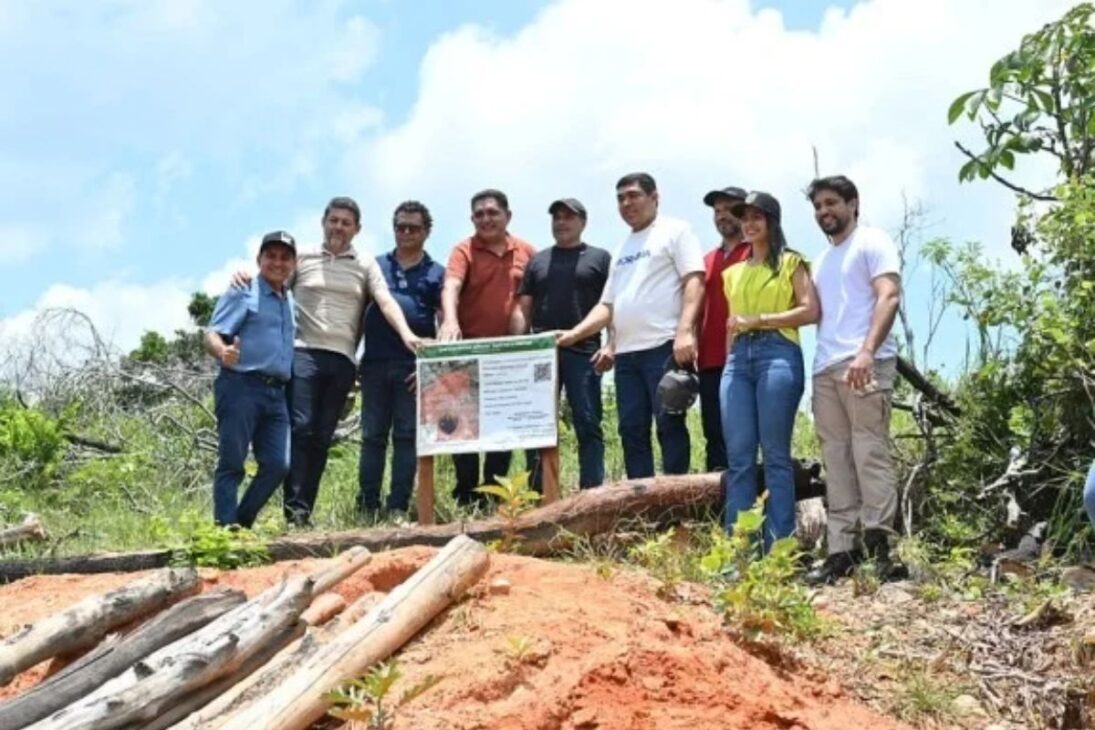
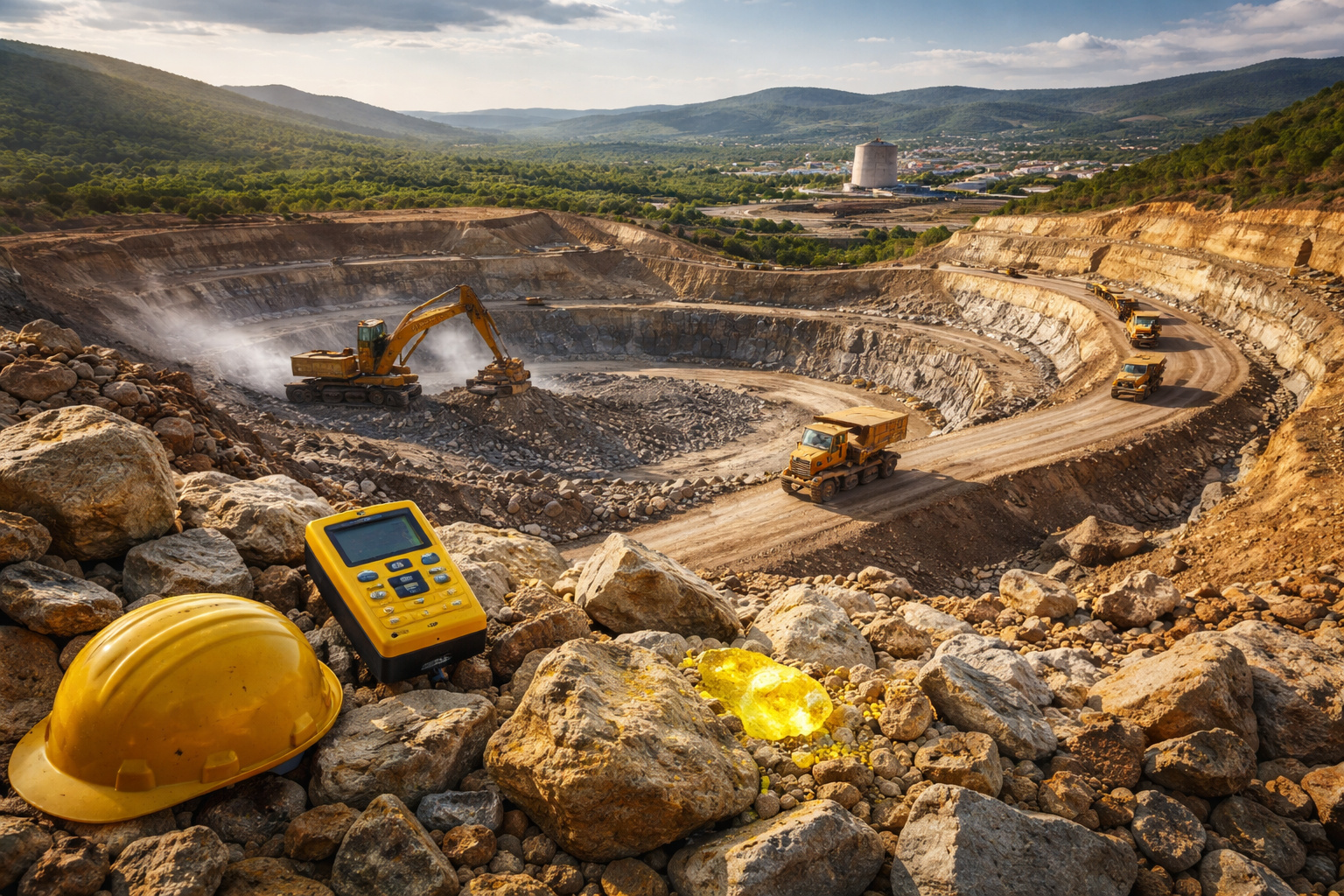
According to Revista Fórum, researchers from the Federal University of Roraima (UFRR) announced the identification of rare earth concentrations up to 100 times higher than normal in samples collected from the Barreira Mineral Complex, located in the rural area of Caracaraí, approximately 140 km from Boa Vista.
-
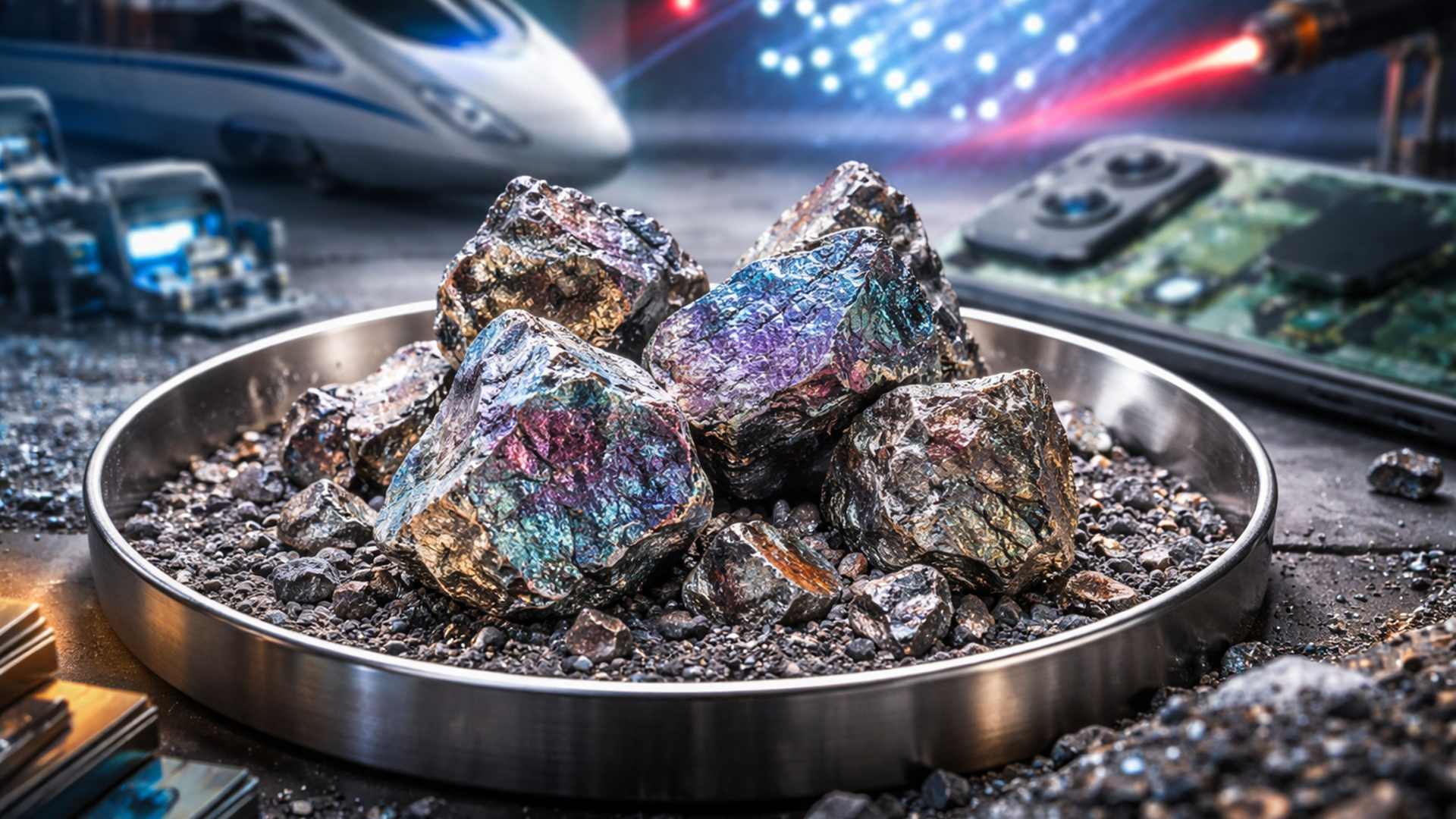
Rare earths are in everything, from cell phones to bullet trains, and what almost no one realizes is why they have become the target of such a delicate global war.
-
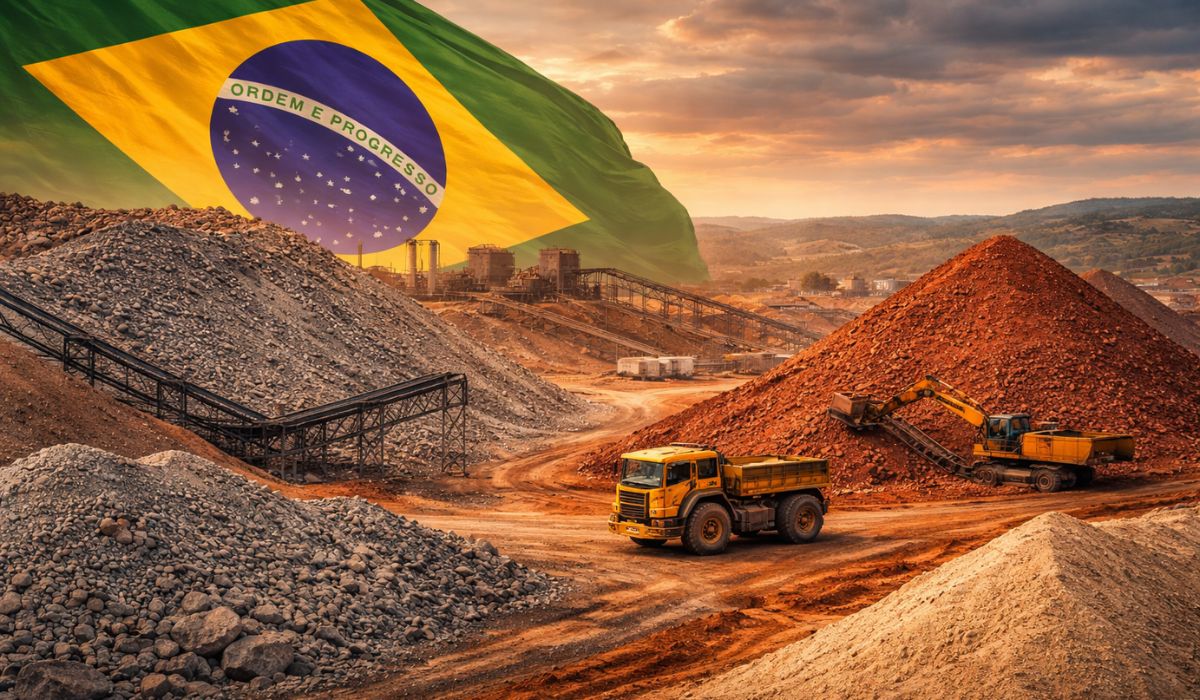
Brazil extracts 26.3 million tons of ore from what was previously treated as waste, transforming residues into wealth, producing over 3 million tons of sand, and demonstrating how national mining is relearning to generate value.
-
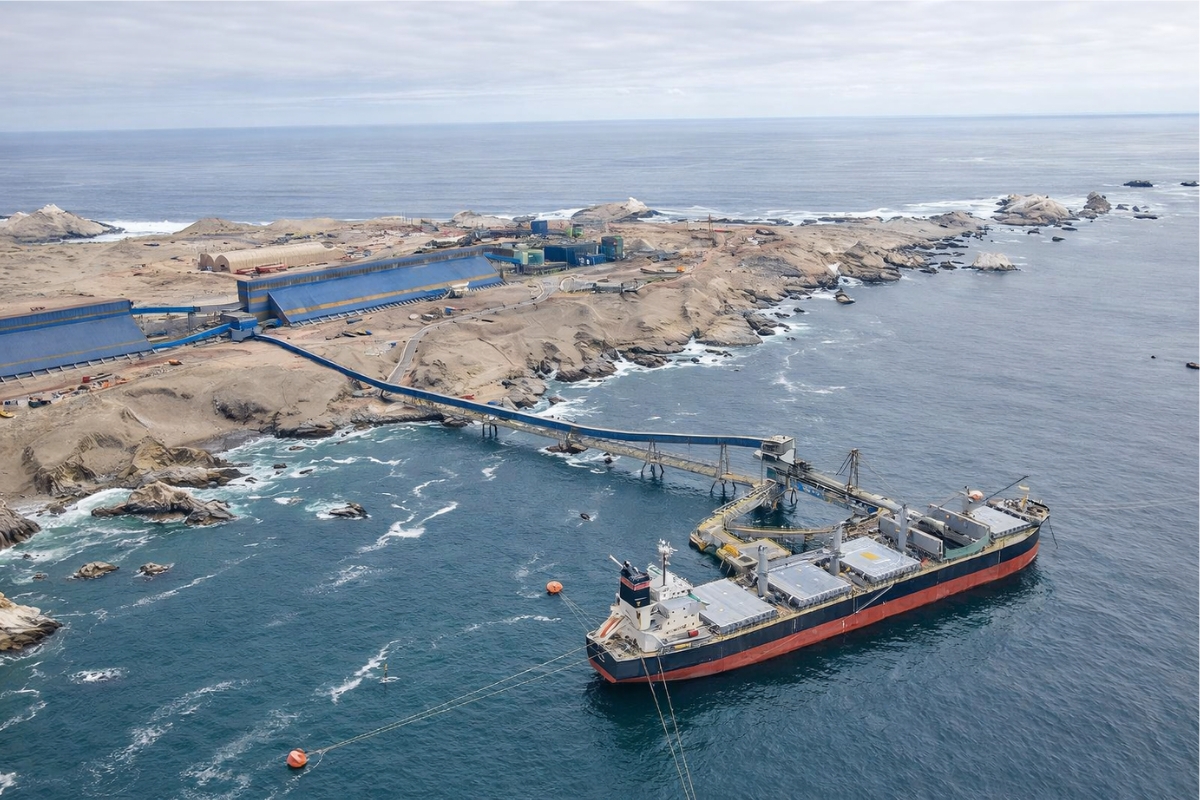
A $3.5 billion megaproject in Latin America pumps desalinated seawater at 1,050 liters per second over 194 km to keep a copper supermine in the Andes operational for another 20 years.
-
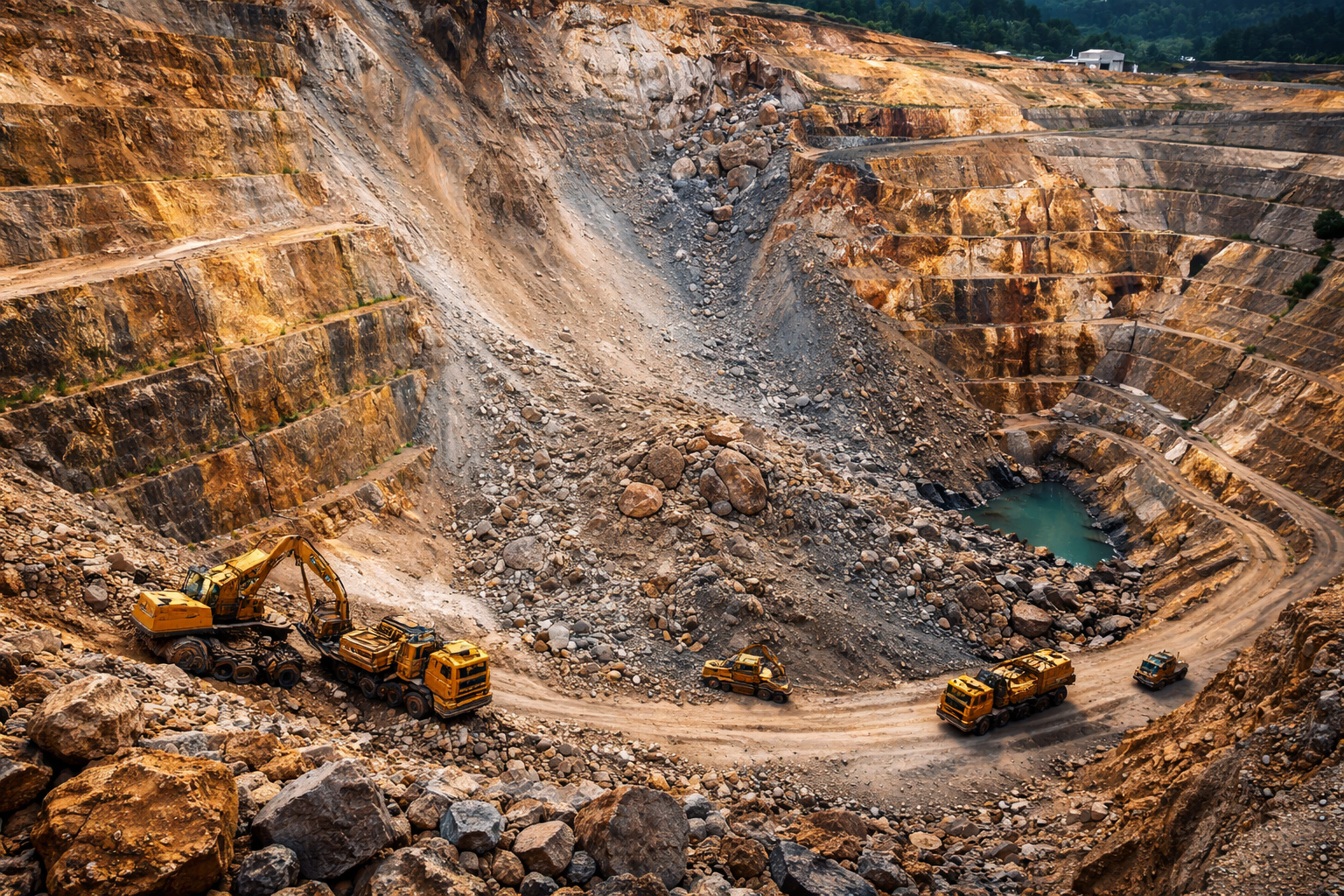
A hidden mine in the Andes valued at nearly R$ 1 trillion is starting to attract global attention, containing copper, gold, and silver, and raises an intriguing question: why do Argentina and Chile need to act together to exploit this gigantic wealth?
The initial studies, led by Vladimir de Souza, Carlos Eduardo Lucas Vieira, and Lorena Malta Feitosa, found significant levels of elements such as yttrium, essential for manufacturing metallic alloys, semiconductors, and optical devices.
The measurements revealed up to 296 parts per million (ppm) of yttrium, a number that attracts the attention of international laboratories and large industries.
Unprecedented Dimension of the Deposit
The estimate is that the Caracaraí area has 100,000 hectares of mineral potential, with deposits up to 50 times larger than conventional ones.
If confirmed by deeper drilling, these numbers would position Brazil as the second largest global reserve of rare earths, behind only China.
The analyzed land belongs to lawyer Gustavo Hugo de Andrade and businessman Lucergio Barreira Abreu da Silva.
The location is considered strategic, as it is 60 km from the nearest indigenous lands and 50 km from areas of environmental preservation, reducing, at least in theory, the risks of direct overlap with protected territories.
Who Regulates and What’s Coming Next
The process is being monitored by the National Mining Agency (ANM), the National Defense Council, and the Federal Police, with technical coordination from UFRR. The next steps involve:
Detailed geological mapping;
Expanded sample collection;
Drilling operations;
Economic assessment of the deposit.
Only after this step will it be possible to know if the wealth found in the laboratory translates into industrial viability.
The Brazilian regulatory framework allows individuals or companies to apply for mineral research authorization, provided they present technical reports and demonstrate financial capacity.
The timeframe is up to three years, and noncompliance results in fines.
This process is the entry point for mineral extraction, the moment when commercial exploration is officially authorized.
Brazil on the Global Map of Rare Earths
Brazil already has areas under exploration, such as the ionic clay projects in Goiás (Serra Verde Pesquisa e Mineração), and promising deposits in Poços de Caldas, Araxá, and Tapira, in Minas Gerais.
The discovery in Roraima, however, adds a new strategic hub within the Legal Amazon.
President Lula has already stated in a speech that “No one is going to put their finger on our critical minerals,” reinforcing that the issue is of national sovereignty.
The statement shows that the government sees rare earths not only as an economic opportunity but also as a strategic asset for defense and diplomacy.
The Environmental and Social Dilemma
Despite the economic potential, the discovery raises environmental concerns.
Large-scale mining in the Amazon could generate impacts such as:
Deforestation and soil degradation;
Contamination of rivers and aquifers;
Pressures on traditional communities.
Researchers warn that exploitation will only be sustainable if there are environmental recovery plans, independent monitoring, and participation of local communities.
If not, the economic gains could be outweighed by irreversible environmental and social losses.
Geopolitical Consequences
If confirmed, the scale of the deposit will give Brazil international bargaining power.
This is because countries like the United States, Japan, and members of the European Union are seeking alternatives to reduce dependence on China.
With abundant rare earths, Brazil could become a strategic supplier of critical minerals, attracting investments, technological partnerships, and bilateral agreements.
On the other hand, this also increases pressure on the government to define clear policies for exploitation, export, and local industrialization.
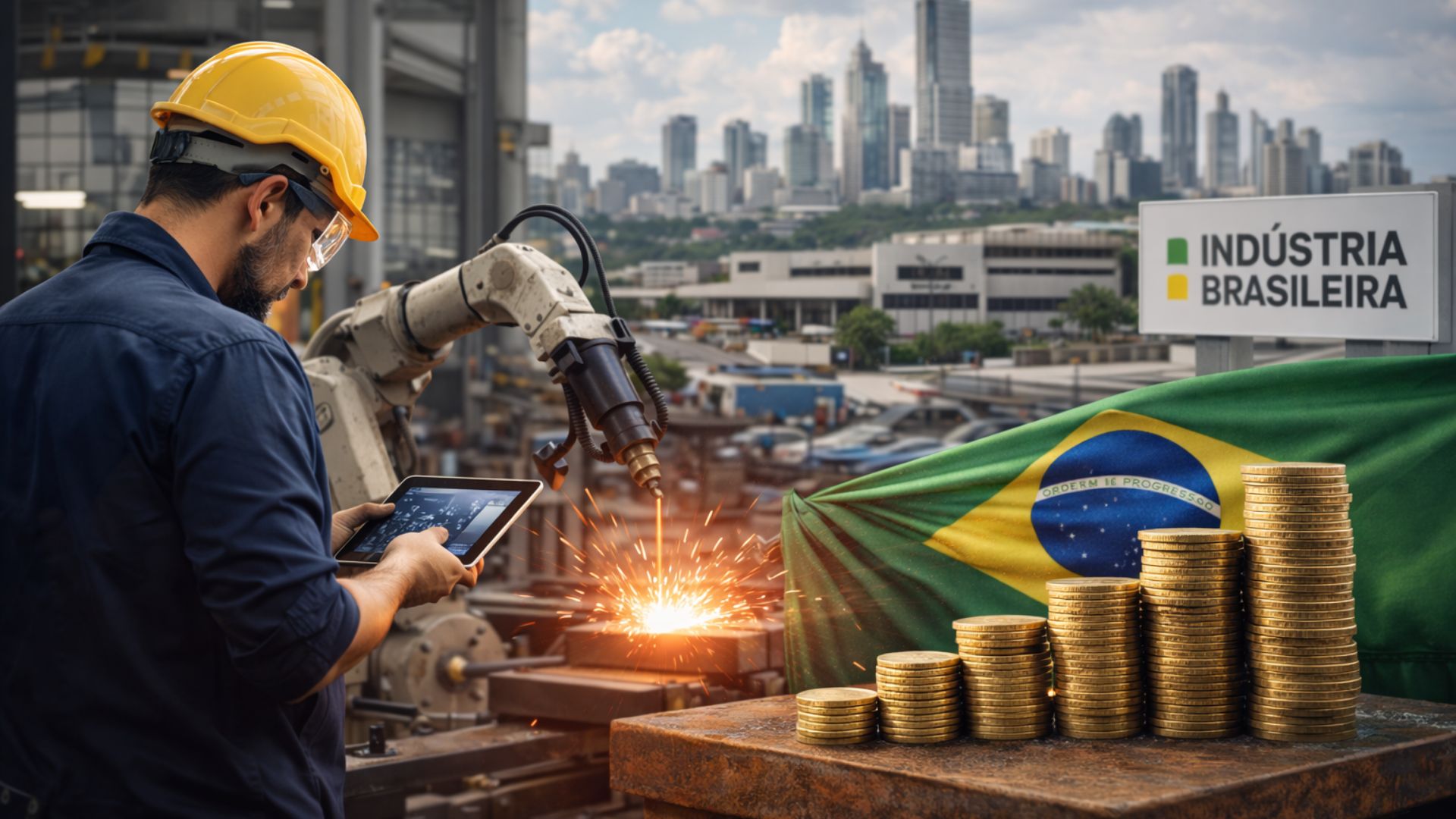
The discovery in Caracaraí, Roraima, could represent the biggest turnaround for Brazil in the critical minerals sector in decades.
If the estimates of deposits up to 50 times larger than conventional ones are confirmed, the country will compete for global prominence with China.
The challenge will be to balance economic exploitation, environmental preservation, and geopolitical interests.
The wealth lies beneath the surface, but it is up to Brazil to decide whether it will lead to external dependence or leverage for innovation and national development.
And you, do you believe that Brazil should prioritize the exploration of rare earths in Roraima to gain global relevance, even in light of environmental risks? Leave your opinion in the comments — we want to hear from those closely following this strategic debate.




Na minha opinião, o Brasil precisa consolidar pesquisas no que diz respeito à exploração de Terras Raras em Roraima, evoluir tecnologicamente para realizar o refino desses ****, adotando rigorosa política de combate à exploração ilegal dos minérios e de preservação ambiental, amparando os interesses geopolíticos desenvolvendo sua economia e sociedade.