Portuguese
  Spanish


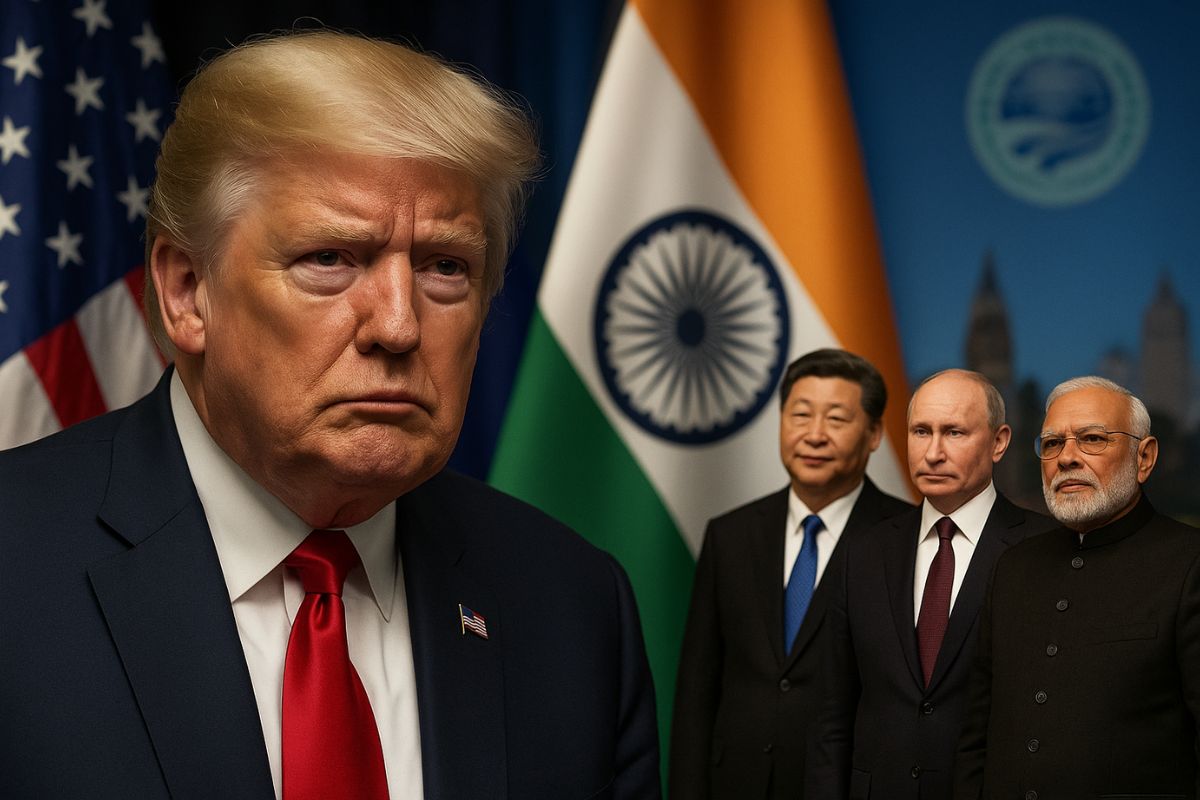

Trump Attacks India After Modi’s Visit To China: Calls Trade Relationship A “Unilateral Disaster” And Says Country Should Have Zeroed Tariffs Years Ago
According to the newspaper CNBC, the President of the United States, Donald Trump, has once again attacked India by classifying the U.S.-India trade relationship as a “unilateral disaster.” The criticism was published on his Truth Social network on September 1, the same day Indian Prime Minister Narendra Modi was returning from a trip to China, where he participated in the Shanghai Cooperation Organization (SCO) summit, a bloc that includes Russia, China, and other regional powers.
Trump stated that New Delhi had offered to zero out import tariffs, but that the measure came “too late.” The statement reinforces the U.S. president’s strategy of using social media to launch direct attacks, often without detailing deadlines or contexts, but capable of generating immediate geopolitical impact.
What Lies Behind the Statement?
In recent years, India has expanded its global influence. The country has already surpassed Japan in nominal GDP and has become a key player for companies looking to reduce dependency on China, such as Apple, which has transferred part of its iPhone production to Indian territory. This rise makes Washington uncomfortable, as it sees New Delhi both as a strategic ally against Beijing and as a direct competitor.
-
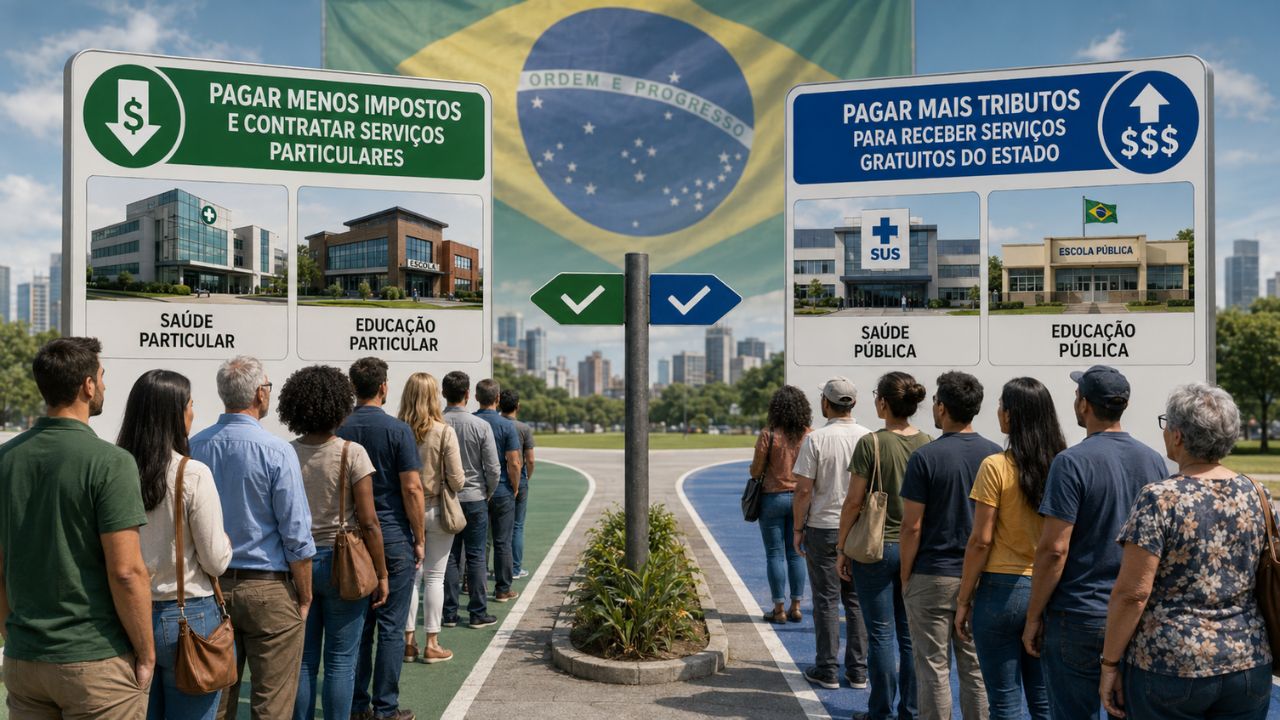
Half of Brazilians Prefer Lower Taxes with Private Health and Education, While 44% Opt for Higher Taxes for State-Provided Services, Datafolha Survey Reveals

-
Brazil’s Most Expensive Toll Rises to R$ 40.60 on Route from São Paulo to the Coast, Nearly Matching Bus Fare to Santos

-
As Brazil Expands Social Welfare, Survey Reveals 40% Blame Poverty on Laziness, While 58% Cite Lack of Opportunities

-
China Tightens Control on Antimony, Driving Prices from $22,000 to Nearly $40,000 per Ton as U.S. Rushes to Bolster Strategic Reserves



For Trump, the discomfort is even greater. He has always advocated for factories to leave China, but to migrate to the U.S. — not to emerging economies like India. Modi’s approach to Russia and China within the SCO adds political pressure, clearly indicating India’s pursuit of greater autonomy in international alliances.
What Does It Mean for the U.S.-India Trade Relationship?
Trump’s remarks open the door to new uncertainties. The U.S.-India trade relationship is marked by tariffs, disputes over digital services, and negotiations regarding access to agricultural and technological markets. Although the two countries maintain strategic ties in defense and technology, aggressive rhetoric increases doubts about the future of this partnership.
Moreover, India’s gesture of dialoguing with Russia and China in multilateral forums may weaken the position of the U.S. as an exclusive partner. This transforms the U.S.-India trade relationship into a broader geopolitical battleground, where every move directly affects markets and diplomatic negotiations.
Trump’s criticism of the U.S.-India trade relationship demonstrates how U.S. foreign policy continues to be characterized by verbal clashes and unpredictability. While Modi reinforces India’s prominence in international forums, the U.S. seeks to prevent a strategic partner from becoming a significant competitor in global alliances.
Do you believe India should maintain proximity with China and Russia even at the risk of friction with the U.S.? Or would it be more advantageous to strengthen only the U.S.-India trade relationship? Share your opinion in the comments — we want to hear different viewpoints on this geopolitical clash.