Portuguese
 Spanish


USA Rare Earth warns Brazil’s critical minerals law could put Serra Verde’s rare earth supply contract, projected to last about 15 years, at risk.
USA Rare Earth, which took control of mining company Serra Verde in September, warned investors on November 12, 2026, about potential effects of Brazil’s critical minerals legislation on its business. The concern involves a contract estimated to last 15 years that allocates nearly all initial output from the Pela Ema mine in Goiás to a buyer financed in part by the U.S. government. In a report submitted to the U.S. Securities and Exchange Commission (SEC), the company said future requirements for exports, rare earth processing and international agreements could affect its operations in Brazil.
15-year contract links rare earth production in Goiás to a U.S.-financed buyer
The Pela Ema mine in Minaçu, in northern Goiás state, is at the center of a commercial commitment that helps explain the U.S. parent company’s concern. In April, Serra Verde agreed to sell US SIIE nearly all the output expected from the project’s initial phase. The projected term is about 15 years, but the contract’s duration is also tied to specified production volumes and the start of commercial operations.
As part of the buyer’s financing structure, the U.S. government committed $750 million, alongside private investors. The amount is tied to financing for US SIIE, not payment for the mine. The contract sets minimum prices for certain elements and includes purchase commitments, as part of a U.S. strategy to expand access to materials used in defense, technology, electric vehicles and energy while reducing reliance on Chinese processing.
-
Brazilian company finds rare earths with concentrations 25 times the crustal average in Bahia, but another discovery detail could shift mineral exploration’s direction

-
Samarco transforms 588,000 metric tons of marble waste into raw material for steelmaking

-
Mining companies in Pará invest R$1.7 billion in social programs, revealing eightfold difference
-
Aperam Launches Minas Gerais Project to Explore New Uses for Stainless Steel and Cut Industrial Costs


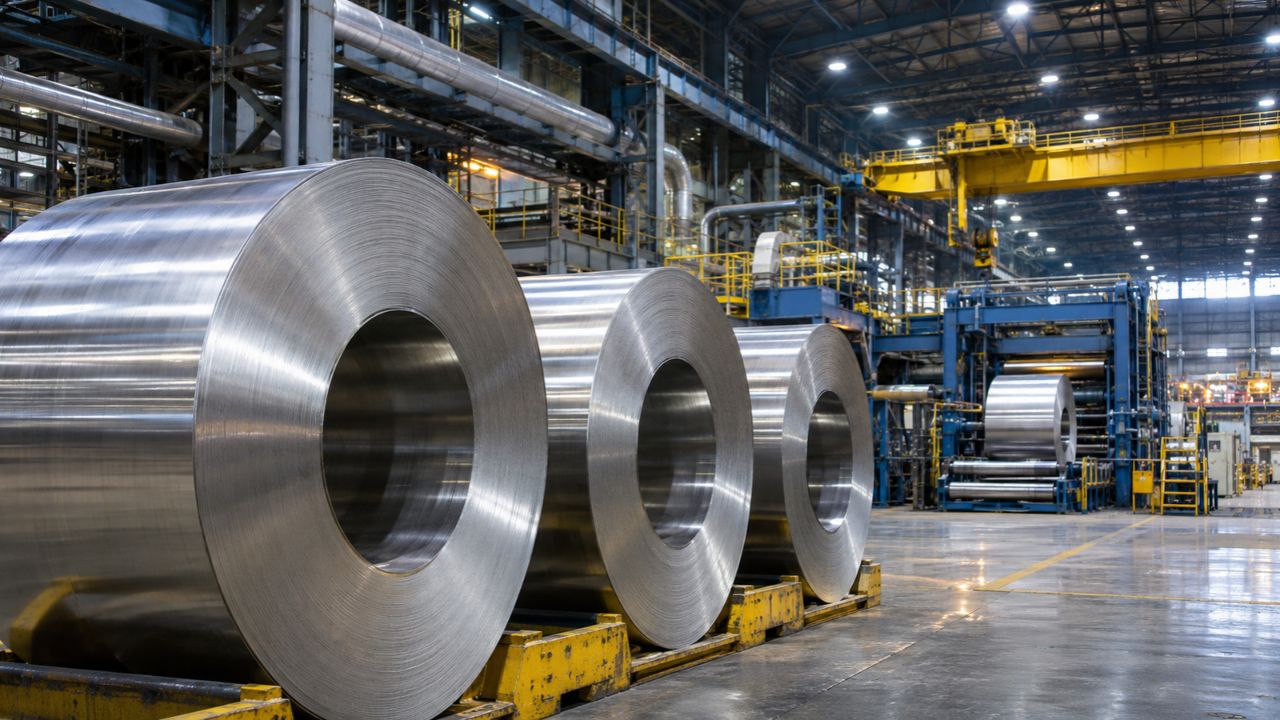
Serra Verde produces mixed rare-earth carbonate, a material that combines different elements in a single product. The ore is beneficiated and chemically processed in Brazil, but it still requires a further step to separate its components, a higher-value process. These include neodymium, praseodymium, dysprosium and terbium, which are used to make high-performance permanent magnets.
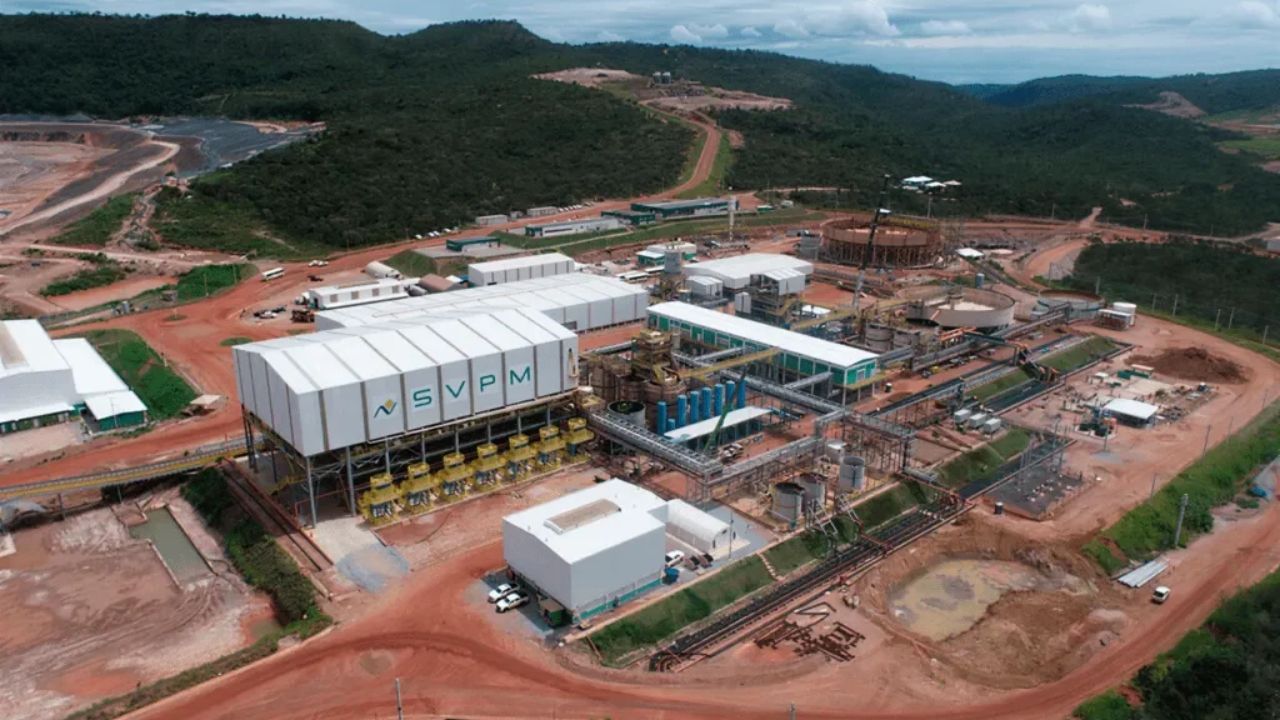
The first commercial shipments to US SIIE took place in October, while sales were recorded in November, USA Rare Earth said. The agreement drew attention in Brasília because it ties the initial output of one of the few commercial heavy rare earth operations outside Asia to a buyer whose financing is linked to the United States.
Serra Verde sale divided the government and intensified debate over domestic industrialization
The transfer of Serra Verde to USA Rare Earth’s control divided opinion within the federal government even before the deal closed in September. A minority within the administration argued that the government should try to block the acquisition, saying mineral resources belong to the Union and that strategic assets should have specific safeguards to protect the national interest.
The proposal, however, failed to secure enough support. The prevailing view was that intervening in a transaction conducted under the rules in force at the time could undermine legal certainty and damage the confidence of investors interested in Brazil’s mining sector.
That position was already supported by institutional statements made before the deal closed. In June, Brazil’s Office of the Attorney General opposed a case brought before the Federal Supreme Court challenging the miner’s sale. The office said new mechanisms to oversee investment in strategic minerals should be created by the executive and legislative branches, rather than through judicial intervention targeting a specific transaction.
In August, Brazil’s Administrative Council for Economic Defense (Cade), the country’s antitrust authority, also closed its proceeding related to the acquisition. The agency found that the transaction did not meet the revenue thresholds that would have required prior notification to the antitrust authority.
With the acquisition going ahead, another debate gained traction: how Brazil can increase its role in the higher-value industrial stages of the mineral supply chain. A proposed national policy for critical minerals was already under discussion before the deal, but the Serra Verde case intensified debate over rules for future transactions and the processing of resources mined in the country.
New law allows review of contracts and exports, but requirements still depend on regulations
Signed into law on September 16, Law No. 15,506 established the National Policy on Critical and Strategic Minerals and created the National Council for the Industrialization of Critical and Strategic Minerals (CIMCE). In early November, the council approved a list of 27 minerals divided into three priority categories, placing rare earths in the highest-priority group.
That classification does not mean new trade restrictions are already in force. The government still needs to establish specific criteria for the mechanisms provided for in the law, a situation that led USA Rare Earth to flag regulatory risks in its report to the SEC.
Possible measures that could affect companies in the sector include:
- Review of international transactions: Article 3 provides for screening and approval mechanisms for certain changes in corporate control and supply contracts that could affect Brazil’s economic or geopolitical security, subject to regulations.
- Export conditions: Article 8 allows the government to set technical requirements and value-added commitments, which could encourage more mineral processing in Brazil.
- New corporate obligations: The company considers that it could face requirements to provide information, additional oversight, reviews of foreign investment and contributions to an industry fund.
The company recognizes constitutional protections for vested rights and completed legal acts, but believes new obligations could apply to the future performance of earlier contracts without undoing the agreements.
The executive branch has also discussed separation and refining facilities, as well as increasing the concentration of economically valuable elements in exported products. Broad restrictions on exports of less-processed materials, however, failed to win majority support.