






 Portuguese
 Spanish


COSL hires three shipyards to build support vessels for oil platforms, with deliveries scheduled from 2028 to 2030.
China Oilfield Services Limited (COSL) has placed an order for 59 offshore support vessels, worth approximately $1.64 billion to China’s shipbuilding industry. The package includes vessels for supplying oil platforms, transporting equipment and supporting offshore operations. Most of the new fleet will run on liquefied natural gas, while other vessels will have conventional high-power engines.
In a disclosure filed with the Hong Kong Stock Exchange, COSL said the contracts were signed on November 14, 2026, and officially announced on November 16. The total investment is 10.928 billion yuan, including taxes, to build vessels across six models. Deliveries are scheduled from 2028 to 2030, primarily to support oil and gas exploration and production in China’s coastal waters.
China orders 59 offshore vessels in a $1.64 billion deal
The agreement was signed with a consortium of three Chinese shipyards. The order will allow COSL to expand and modernize its offshore support fleet, which serves companies involved in oil and natural gas exploration and production.
-
Transocean begins drilling offshore well in Australia with potential for 64 billion cubic feet of gas

-
Chevron Deploys Seismic Survey Vessel to Greece for Offshore Gas Exploration
-
QatarEnergy signs $800 million contract to install 100 km of subsea infrastructure
-
Shell Agrees to Sell 16.67% Stake in Major Australian Gas Project for $1.45 Billion


The contract is worth approximately $1.64 billion, based on the conversion reported by specialist maritime media. The financial commitment was originally set in yuan, the currency used for the payments specified in the contracts.
COSL said the new vessels will be built to meet the needs of its operations. Construction had not yet begun when the disclosure was issued, and deliveries will be spread over three years.
Forty-six vessels will run on liquefied natural gas
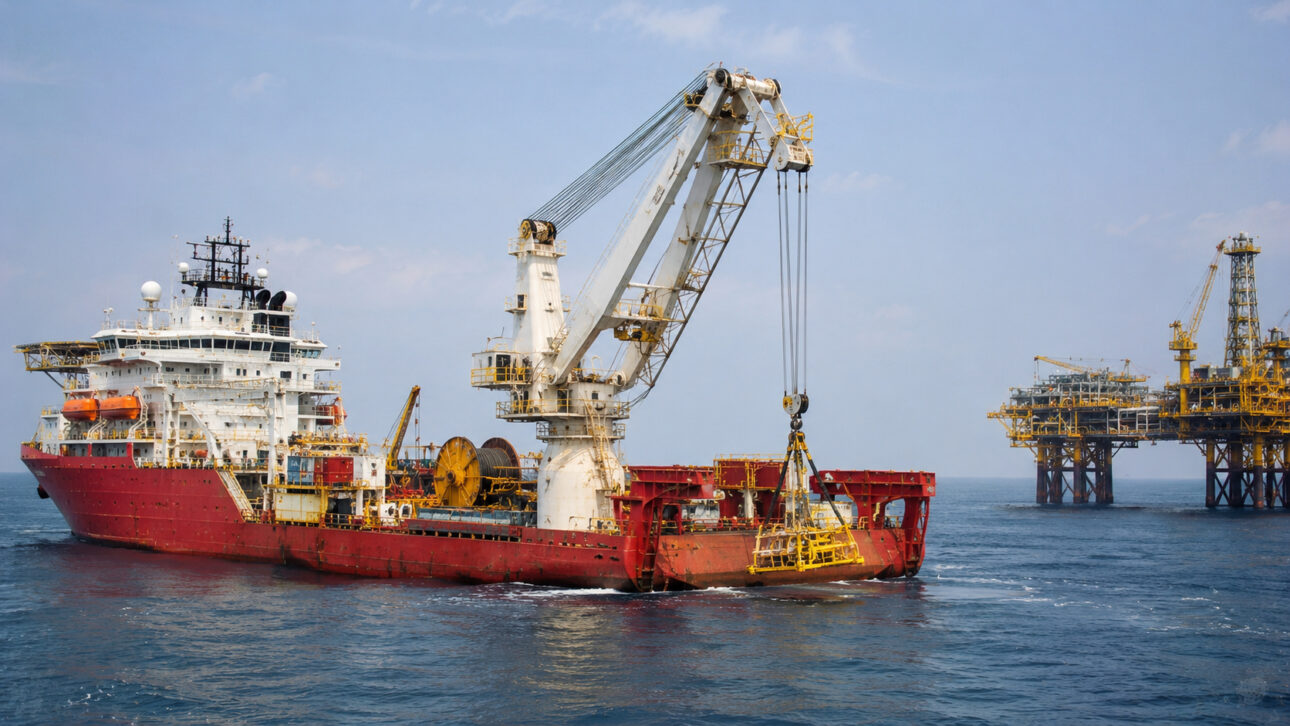
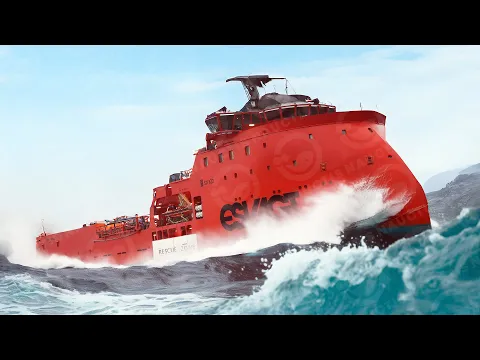
Most of the order consists of 46 platform supply vessels, known by the acronym PSV. These ships carry materials needed to keep offshore oil installations running.
The vessels can carry equipment, parts, supplies and other materials used by offshore crews. They also play an important role in connecting onshore bases with platforms installed at sea.
The 46 PSVs will have propulsion systems powered by liquefied natural gas (LNG). The fuel is stored at extremely low temperatures and used in the engines after being prepared for combustion.

Choosing LNG could reduce certain emissions compared with conventional marine fuels. However, the environmental impact will depend on the engines, operating conditions and controls for potential methane leaks.
Another 13 vessels will have powerful engines to move offshore structures
The contract also calls for the construction of 13 AHTS-type vessels, used mainly in operations requiring substantial pulling force.
These vessels can help move and position platforms, as well as transport materials and support operations involving anchors and marine equipment.
The acronym AHTS comes from the English term Anchor Handling Tug Supply, used to identify vessels that combine towing, anchor handling and supply functions.
Unlike the 46 PSVs, the 13 AHTS vessels will have conventional, high-power propulsion. COSL did not disclose individual prices or full engine specifications in its announcement.
Fleet will be divided into six models for different operations
Although the order includes two main groups of vessels, the company said the ships will be divided into six technical types.
This division will allow the vessels to be adapted to different operational needs. Some will be assigned to supply transportation, while others will be suited to supporting offshore structures and large equipment.
The announcement does not provide a full breakdown of the 59 vessels among the six models. It also does not disclose the length, speed or individual cargo capacity of each version.
Three Chinese shipyards will build the vessels between 2028 and 2030
Construction will be handled by a consortium comprising Fujian Southeast Shipbuilding, Fujian Mawei Shipbuilding and Fujian Funing Shipbuilding Heavy Industry. All three companies belong to the Fujian Shipbuilding Heavy Industry group.
Southeast Shipbuilding will lead the consortium, coordinating the work and contract execution. The other companies will take part in construction based on the allocation of available industrial capacity.
The contracts were awarded after a selection process that drew bids from two qualified suppliers. COSL evaluated prices, shipbuilding experience, delivery capacity and technical characteristics before selecting the consortium.
Payments will be split into five installments of 20%
The investment will not be paid in full at the start of construction. COSL has set a disbursement schedule tied to each vessel’s physical progress.
The individual contracts call for five payments of 20%. The first installment will be released when the relevant contract takes effect. Subsequent payments will be tied to the start of construction, keel laying, launch and delivery.
The keel is one of the hull’s central structural components. Its installation marks an important stage in the vessel’s construction and assembly.
The arrangement makes it possible to monitor progress before releasing additional funds. The contracts also provide for guarantees and financial adjustments if vessels are delayed or fail to meet specifications.
COSL will use internal funds and external financing
The company said it plans to pay for the order using a combination of internal funds and financing from financial institutions.
The share covered by each source has not yet been disclosed. The announcement confirms the total contract value but does not identify a specific bank loan to finance the entire construction program.
The investment represents a long-term bet on demand for maritime services linked to the energy industry. The vessels will enter the fleet gradually as the shipyards deliver them.
The company also acknowledged that changes in prices charged for offshore services could affect expected financial returns.
New vessels are expected to serve mainly China’s oil operations
COSL operates at different stages of oil and natural gas exploration and production. Its services include offshore support, drilling operations and technical work related to producing fields.
The new fleet will be deployed mainly in China’s coastal waters, where oil companies use platforms, drilling rigs and other offshore facilities.
Transporting equipment and supplies is necessary to keep these facilities operating. An offshore support vessel can make trips between port bases and offshore facilities, carrying materials as each operation requires.
The company is also considering opportunities related to new energy projects at sea. However, it has not disclosed specific contracts that would ensure the 59 vessels are used after delivery.
Chinese shipbuilders to receive order worth nearly 11 billion yuan
The contracts will involve three shipbuilders in Fujian province. Their work will include building hulls, installing engines, assembling equipment and integrating the systems needed for navigation.
The shipyards will also be required to conduct tests to verify that the vessels meet the specified requirements. Contract terms cover speed, vibration, noise and cargo capacity.
If a vessel fails to meet the established standards, its price may be discounted. In more serious cases, COSL will have the right to reject the vessel.
The agreement also provides for bank guarantees to protect payments made during construction, as well as a quality guarantee tied to delivery.
Deliveries to begin in 2028 and continue through 2030
The first vessels are expected to be delivered in 2028, with additional batches arriving through 2030. The company has not disclosed how many vessels will be added each year.
The program will allow the company to expand its offshore support fleet gradually. This schedule will also require shipyards to plan for meeting deadlines and the technical specifications of the different models.
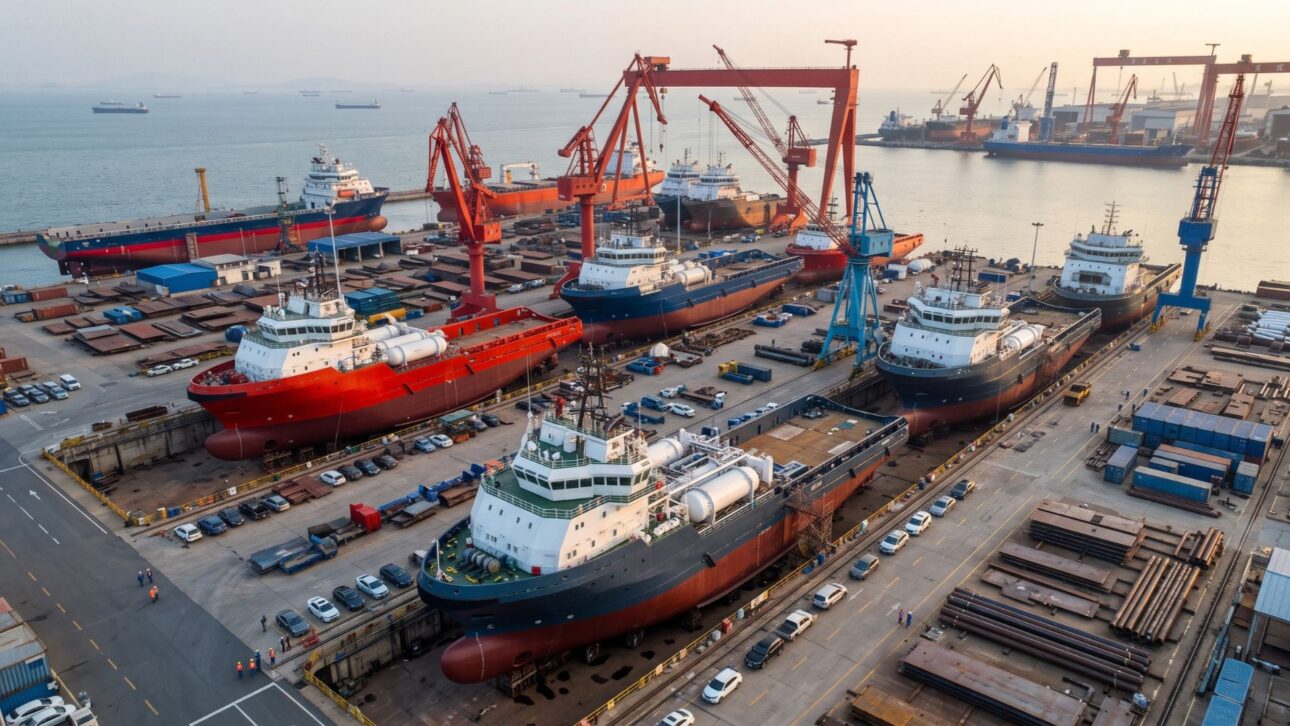
As of November 2026, construction of the vessels had not yet begun. The investment represents contracts signed for future construction, not a fleet already available for operations.
COSL also has not said how many jobs the order will directly create. The number will depend on how the shipyards and their suppliers organize their industrial operations.
New fleet could expand capacity to support offshore production
The order includes vessels for two essential offshore industry activities: supplying platforms and supporting maritime operations that require substantial towing capacity.
With 46 LNG-powered PSVs and 13 high-powered AHTS-type vessels, COSL aims to expand its capacity to serve oil and natural gas exploration, development and production projects.
The 10.928 billion yuan investment was contracted in November 2026. The next step is to turn the agreements into construction projects at the three Chinese shipyards and meet the delivery schedule through 2030.


