





 Portuguese
  English
  Spanish
  2 min of reading


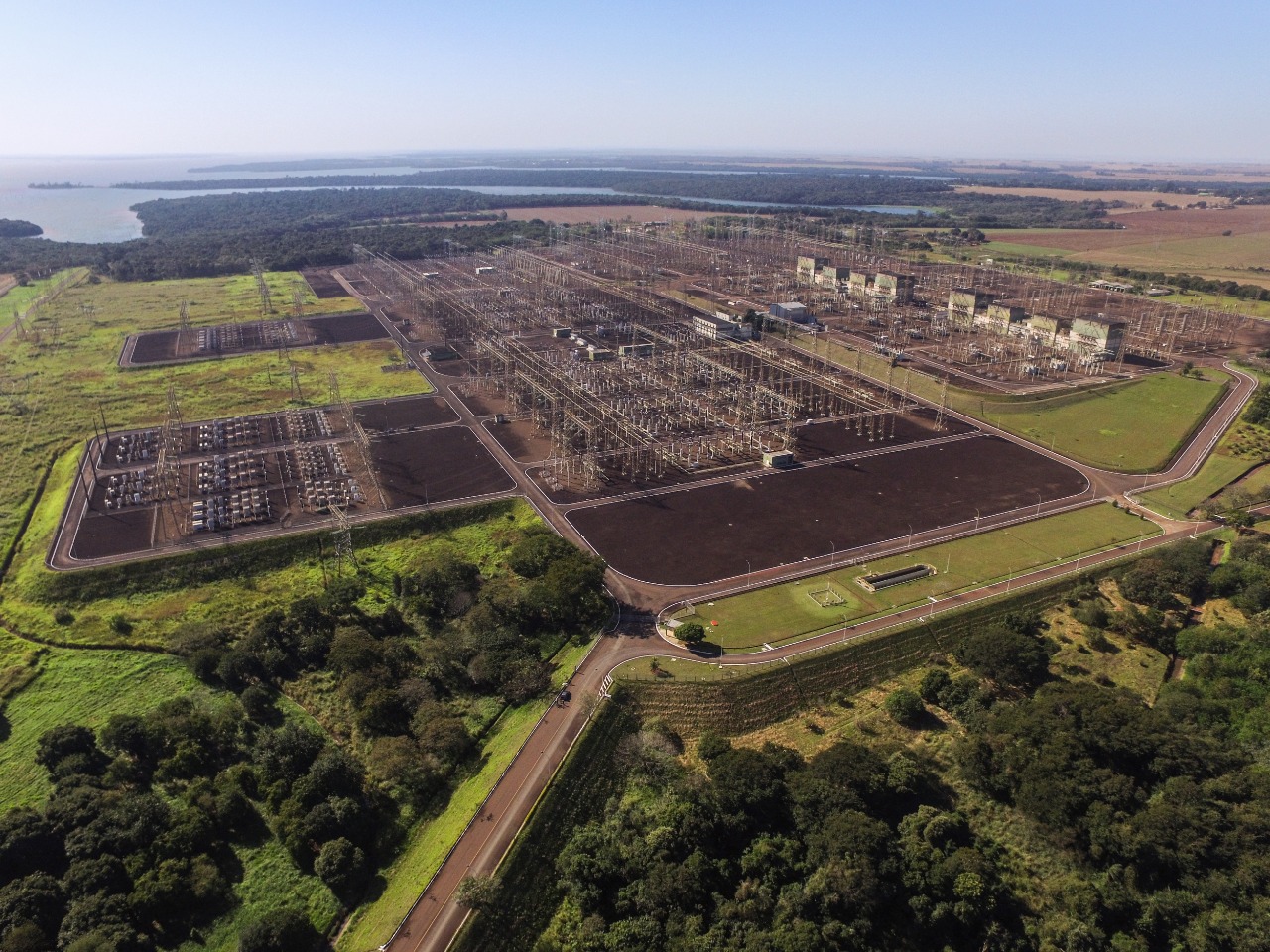
The Investment of the Itaipu Plant Is Related to the Furnas Systems That Have Been Operating Since 1984 and Are Already at the End of Their Useful Life
The Furnas transmission system in Foz do Iguaçu (PR) will receive an investment of R$ 1 billion from the Itaipu Plant. The announcement that this funding would arrive in Foz do Iguaçu was made on Monday (15), during a revitalization operation of these assets, which will last about five years.
See Also
According to Itaipu Binacional, this action will strengthen the energy security network of the Brazilian electrical system, as the system has been operating for about 36 years and is at the end of its useful life.
Agreement and Convention of the Plant
The convention was already signed, and the first transfer to Furnas, in the amount of R$ 161 million, was made on December 30, 2020. Now, the projects and the bidding process need to be developed to continue the process. The agreement has a duration of 60 months and will assist in the modernization of equipment at the converter station in Foz do Iguaçu.
-
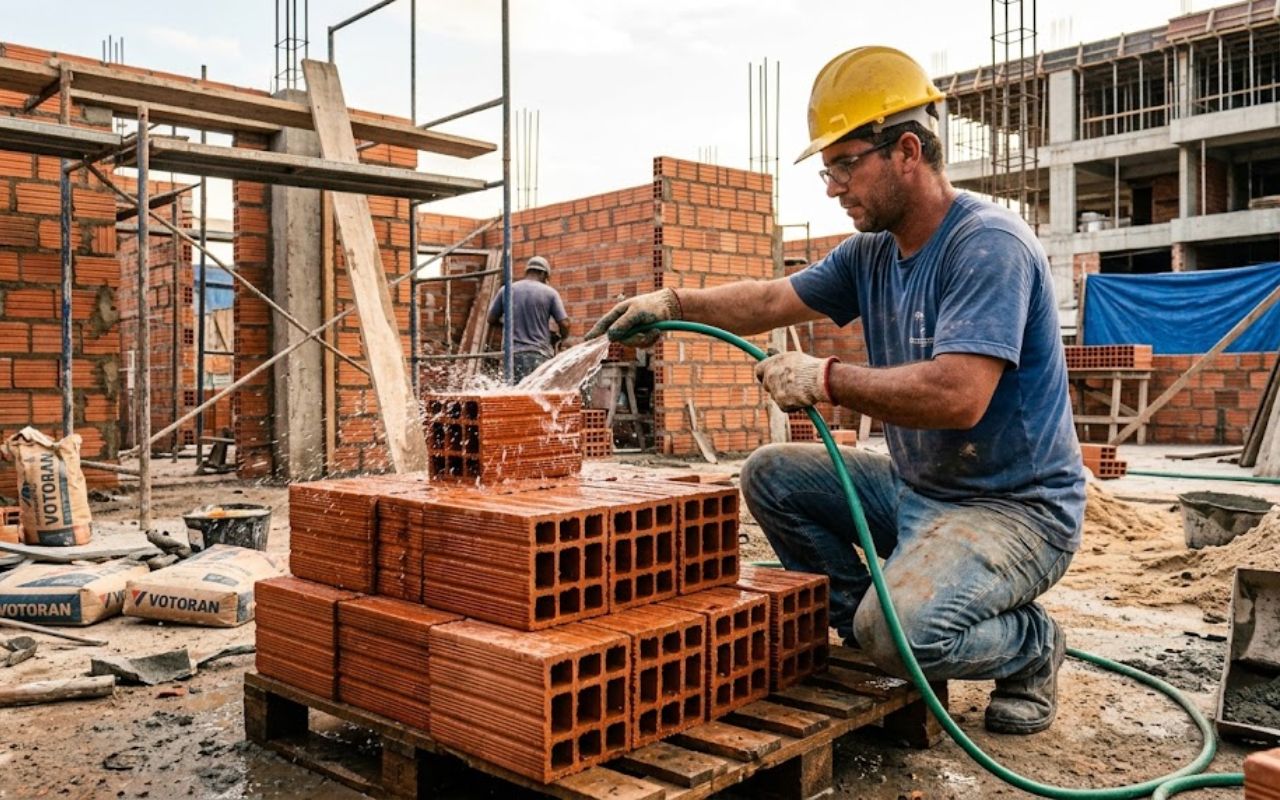
A simple technique of wetting the brick before laying it prevents cracks, improves the adhesion of the mortar, reduces fissures, and ensures stronger walls and more durable constructions.
-
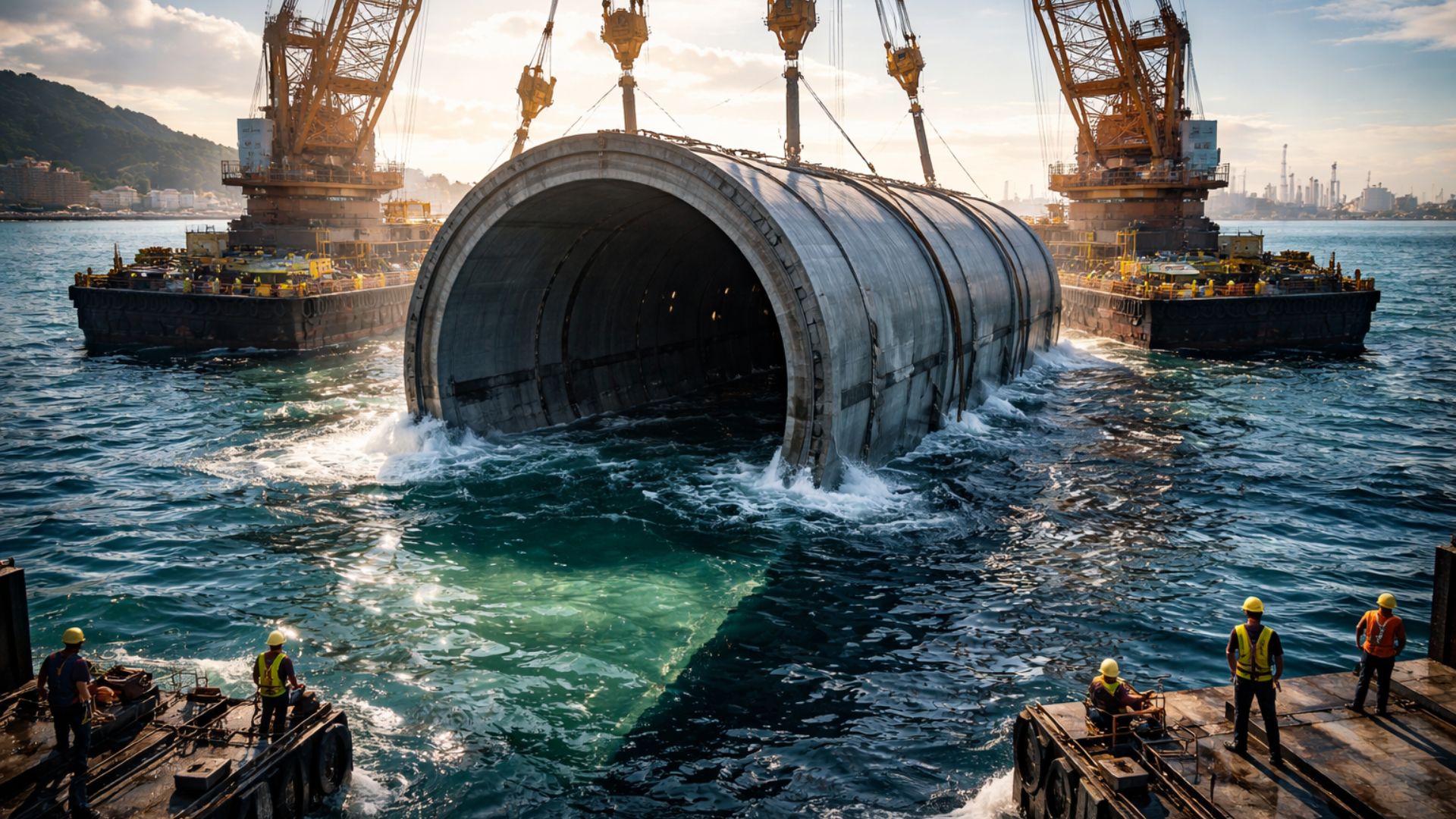
The government opens the vault and deposits R$ 2.6 billion for the construction of Brazil’s first underwater tunnel, with a length of 1.5 km, 870 m under the sea, a total project cost of R$ 6.8 billion, and a 30-year concession.
-
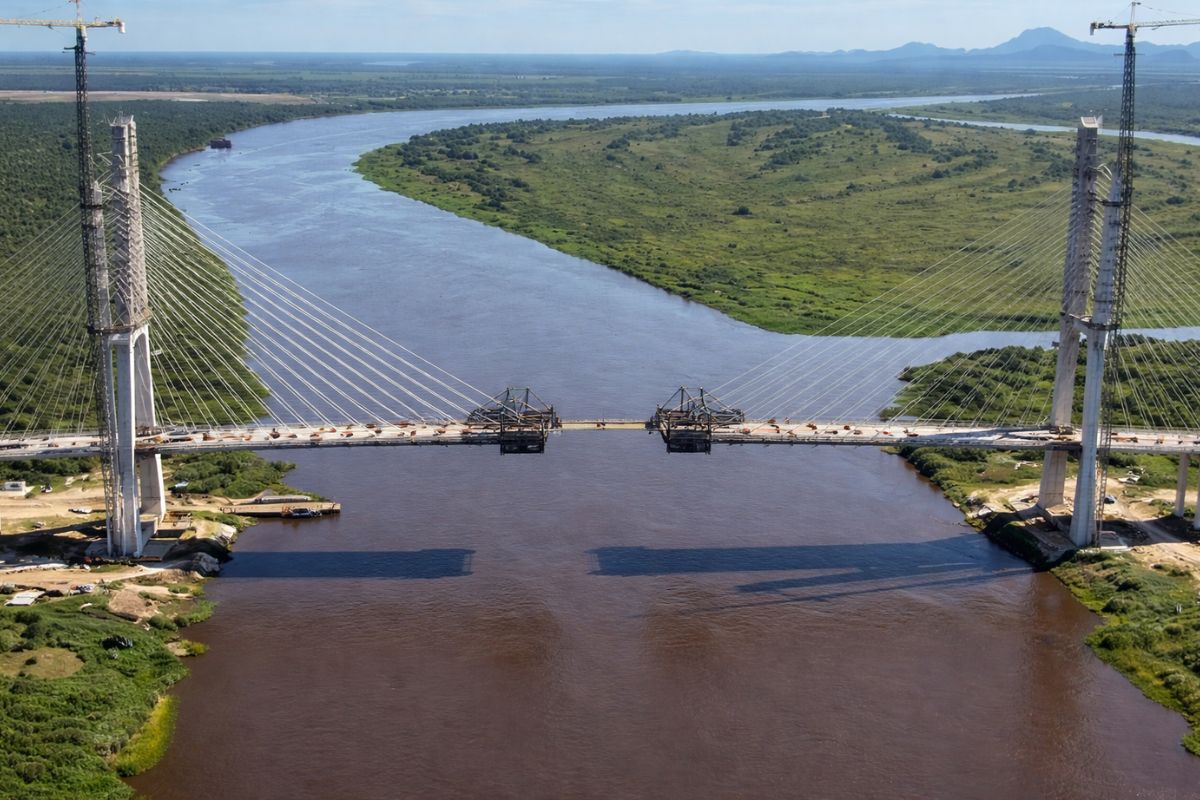
Only 46 meters remain for Brazil and Paraguay to connect via the Bioceanic Route bridge, the project that will link the Atlantic to the Pacific by land and change the logistical map of four countries in South America.
-
The bridge that holds the largest stone railway arch in the world: built over 100 years ago, destroyed in the war, and rebuilt to continue operating to this day, it still carries trains over the Soča River in Slovenia.

This system has been operating since 1984, with a transmission capacity of 6,300 MW. With the Paraguayan electrical system operating at a frequency very different from the Brazilian (50 Hz), all the energy acquired here in Brazil cannot be directly integrated, as it needs to be converted to direct current and transported to Ibiúna, in São Paulo, where it is converted back to alternating current, now operating at 60 Hz.
Considerations on the Project
Pedro Brito, president of Furnas, stated that the project is more than essential for the company to continue operating and maintaining the pioneering HVDC transmission system of Itaipu, with great safety and efficiency. The expectation of the president of Furnas is also to reduce the need for high investment after the project is completed.







Seja o primeiro a reagir!