Portuguese
  Spanish


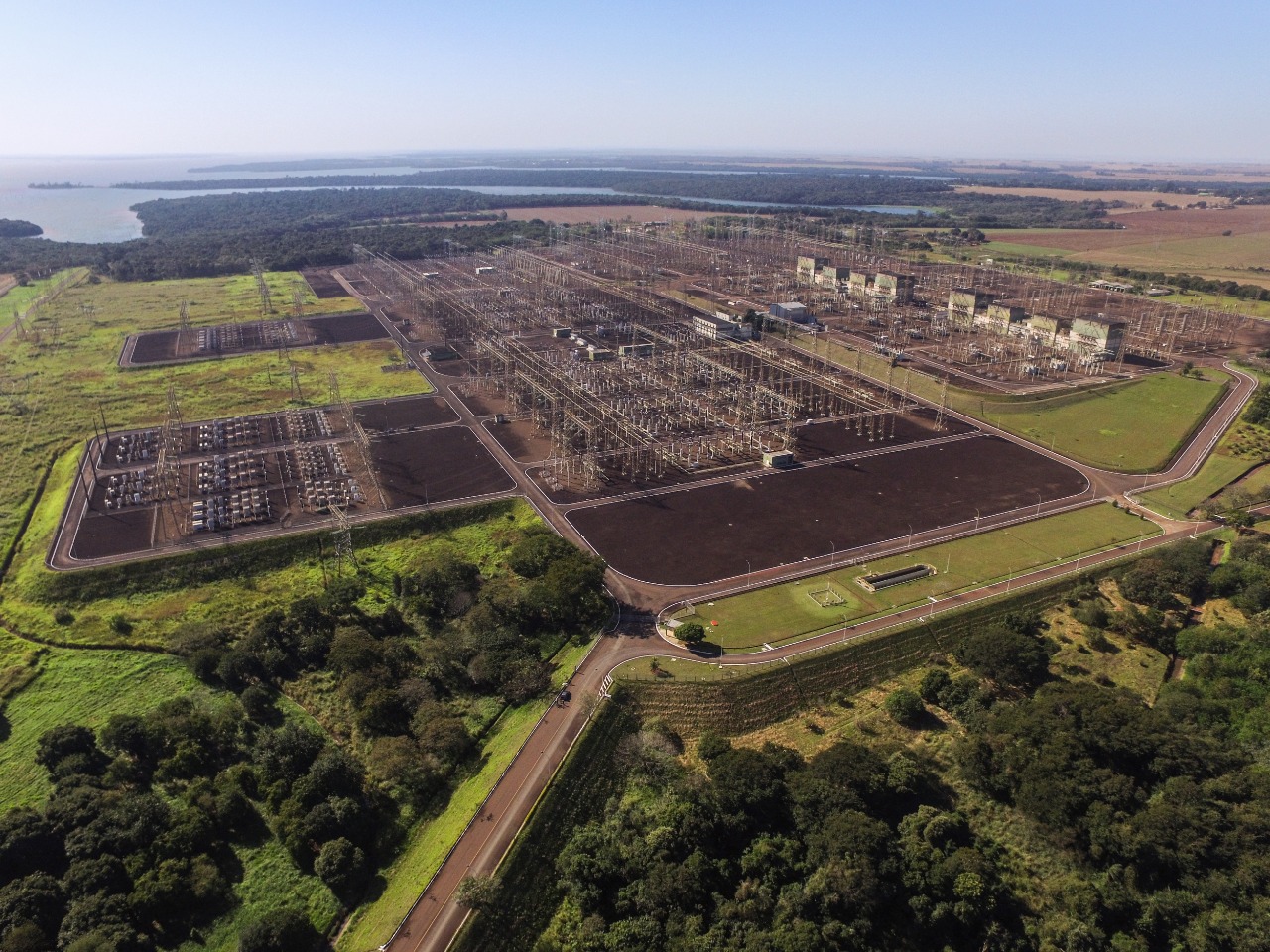

The Investment of the Itaipu Plant Is Related to the Furnas Systems That Have Been Operating Since 1984 and Are Already at the End of Their Useful Life
The Furnas transmission system in Foz do Iguaçu (PR) will receive an investment of R$ 1 billion from the Itaipu Plant. The announcement that this funding would arrive in Foz do Iguaçu was made on Monday (15), during a revitalization operation of these assets, which will last about five years.
See Also
According to Itaipu Binacional, this action will strengthen the energy security network of the Brazilian electrical system, as the system has been operating for about 36 years and is at the end of its useful life.
Agreement and Convention of the Plant
The convention was already signed, and the first transfer to Furnas, in the amount of R$ 161 million, was made on December 30, 2020. Now, the projects and the bidding process need to be developed to continue the process. The agreement has a duration of 60 months and will assist in the modernization of equipment at the converter station in Foz do Iguaçu.
-
Concrete-filled PVC homes could be cheaper than traditional masonry, UPF research finds; with ready modular panels, less waste, and faster construction, the Concrete-PVC system aims to cut costs and transform affordable housing in Brazil.

-
Brazilian House Built with 32.8 Tons of Construction Debris Offers Affordable Housing Solution
-
Americans Build Entire Homes in a Day Using Compact Sand Foundations and Pre-Made Wooden Trusses, Reducing Construction Costs

-
China’s Largest Floating LNG Plant, NGUYA, Sets Sail for Congo: 2.4 Million Tons Annually for Italy’s Eni


This system has been operating since 1984, with a transmission capacity of 6,300 MW. With the Paraguayan electrical system operating at a frequency very different from the Brazilian (50 Hz), all the energy acquired here in Brazil cannot be directly integrated, as it needs to be converted to direct current and transported to Ibiúna, in São Paulo, where it is converted back to alternating current, now operating at 60 Hz.
Considerations on the Project
Pedro Brito, president of Furnas, stated that the project is more than essential for the company to continue operating and maintaining the pioneering HVDC transmission system of Itaipu, with great safety and efficiency. The expectation of the president of Furnas is also to reduce the need for high investment after the project is completed.