





 Portuguese
  English
  Spanish
 4 min of reading
  0 comments


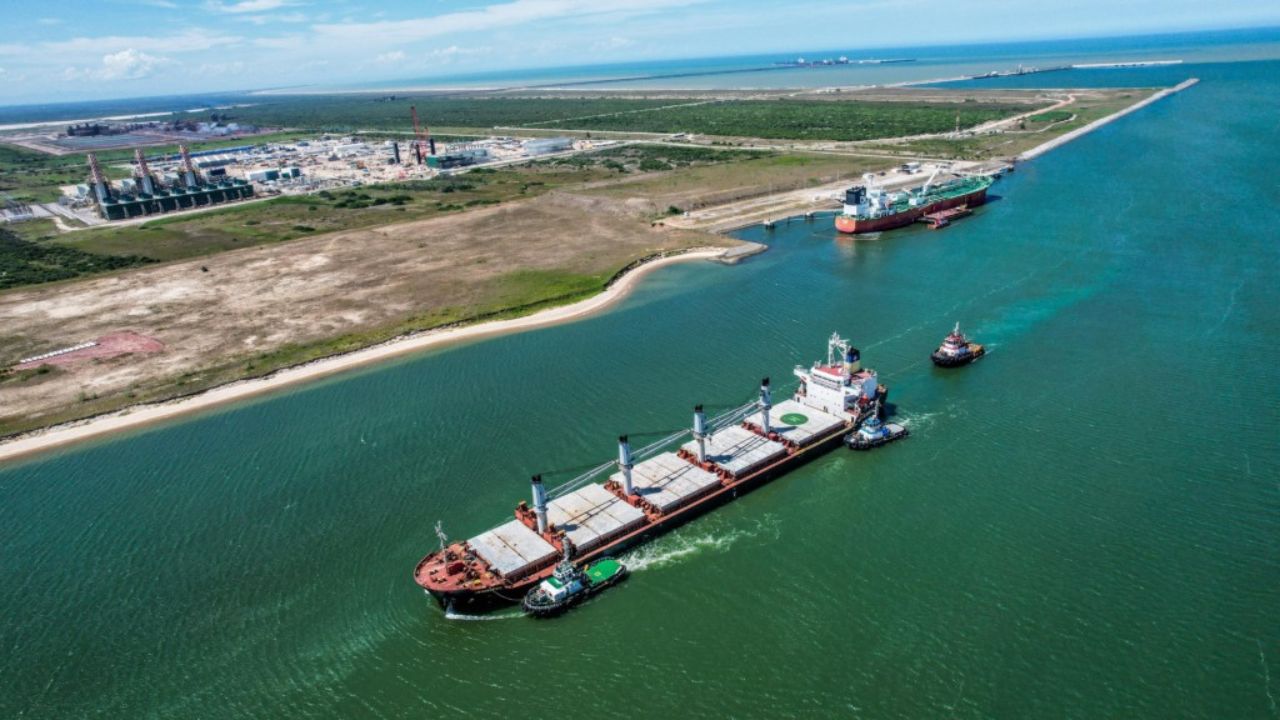
Partnership Between the Açu Port and Antwerp-Bruges Port Advances in Creating a Sustainable Corridor for E-Fuels, Strengthening the Connection Between Brazil and Europe
On November 3, 2025, the Açu Port and the Antwerp-Bruges Port finalized an agreement that establishes a green corridor for e-fuels that will integrate Brazil into the global low-carbon energy chain.
According to an article published by Agência Eixos, this initiative is a milestone for the energy transition, directly connecting the operations of Brazilian and European ports to strengthen sustainable trade between Brazil and Europe.
Açu Port and Antwerp-Bruges Port: Strategic Partnership for the Future
The ports of Brazil and Europe have taken a decisive step towards sustainability by signing a memorandum to create an exclusive maritime corridor for e-fuels.
-
The first 100% Brazilian aviation fuel came from soybeans: SAF Petrobras delivered 3,000 m³ at Galeão and is preparing R$ 17.5 billion to dominate the world market by 2027.

-
Reduction of up to 55% in emissions: a joint study by Embrapa and UNB reveals that second-crop canola strengthens aviation by expanding SAF biofuels, reducing emissions, and integrating agriculture and clean energy.

-
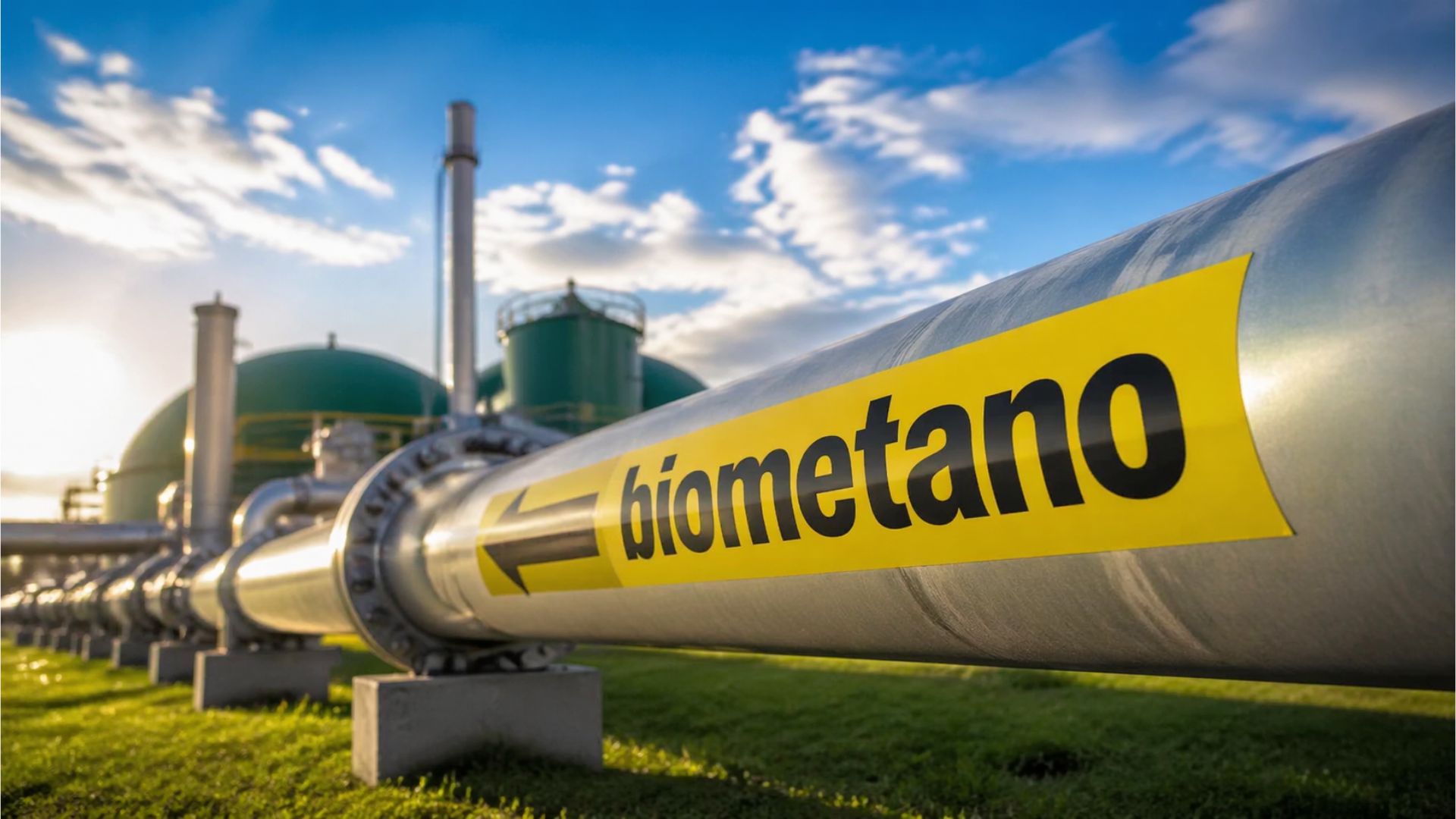
According to the outlook, with biogas expanding, biomethane emerges as a protagonist of clean energy in Brazil, promoting sustainability, reducing emissions, and opening a new economic frontier based on the intelligent reuse of waste.
-
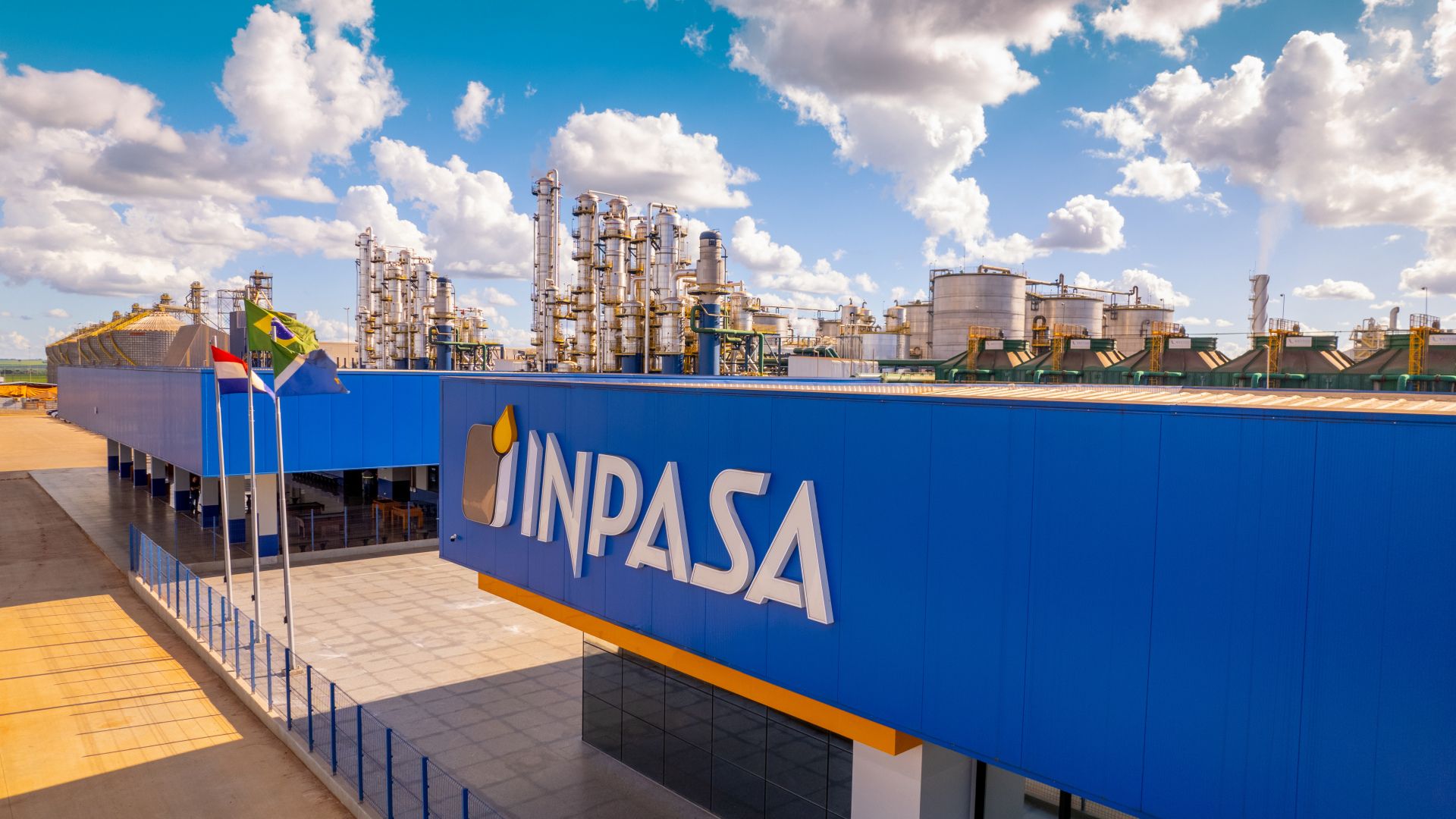
Inpasa announces an ambitious plan for 10 corn biorefineries by 2027 and aims for leadership in sustainable biofuels with a direct impact on the economy, clean energy, and job creation in the country.



The Açu Port, located in the state of Rio de Janeiro, and the Antwerp-Bruges Port, one of the main European ports, established this agreement to facilitate the export and import of these low-carbon fuels between the two continents.
This green corridor is a strategic response to the growing global demand for sustainable energy solutions and contributes to positioning Brazil as a key player in the international renewable energy market.
The Role of E-Fuels in the Energy Transition
E-fuels are fuels produced from renewable sources that have a lower environmental impact. They are essential for the decarbonization of the maritime and industrial transport sectors, and are a viable alternative to replace fossil fuels. The production and transportation of e-fuels represent key technologies for reducing greenhouse gas emissions worldwide.
The Açu Port has been standing out as a hub for sustainable energy solutions, with deep draft, direct access to the docks, and extensive infrastructure that supports large-scale export. On the other hand, the Antwerp-Bruges Port offers direct connection to consumer markets and cutting-edge infrastructure for the distribution of clean fuels.
Brazil and Europe: Integration into the Global Low-Carbon Energy Chain
The partnership between the Açu Port and the Antwerp-Bruges Port directly connects Brazilian production, which has a strong base in renewable energies, to the European market, which seeks to accelerate the decarbonization of its energy matrix.
The creation of a sustainable supply chain, which encompasses everything from production to transportation and consumption of the fuels, contributes for Brazil and Europe to advance in their international climate commitments.
Furthermore, the agreement promotes the strengthening of economic and technological cooperation between the two regions, increasing Brazil’s competitiveness in the renewable energy sector. It also boosts investments in new technologies and infrastructures for the production and transportation of low-carbon fuels.
Infrastructure and Low-Carbon Fuel Projects at the Açu Port
The Açu Port has been significantly investing in creating a hub focused on green fuels, especially in the development of green hydrogen and green ammonia, which are essential e-fuels for a low-carbon economy.
The complex has reserved areas for the installation of industrial plants aimed at producing these fuels. These partnerships aim to leverage the logistics and infrastructure of the port to scale up e-fuel production. In-depth technical, economic, and environmental feasibility studies are underway to ensure the success of these projects.
Economic and Environmental Impacts of the Green Corridor
With this initiative, the Açu Port establishes itself as an attractive hub for green investments, creating jobs and stimulating the local economy. For Brazil, this means the possibility of diversifying its export matrix and increasing its share in the global sustainable fuel market.
Environmentally, the green corridor significantly contributes to the reduction of carbon emissions associated with international transport, in addition to encouraging the use of renewable sources in energy production. This project symbolizes the convergence of economic development and environmental preservation, essential for the future of the global energy industry.
Initiative of the Açu Port and Antwerp-Bruges: Future of E-Fuels
The agreement between the Açu Port and the Antwerp-Bruges Port represents a significant advance for the integration of Brazil into the global low-carbon energy chain.
With robust infrastructure, strategic partnerships, and a focus on low-carbon fuels, the Açu Port stands out as a fundamental hub for sustainable growth.
The direct connection to the European market reinforces the importance of the project for the global energy transition, positioning Brazil and Europe as key players in the fight against climate change.
This is a clear example of how innovation, investment, and international cooperation can transform environmental challenges into economic opportunities, promoting a greener and more sustainable future.






-

1 person reacted to this.