Portuguese
  Spanish


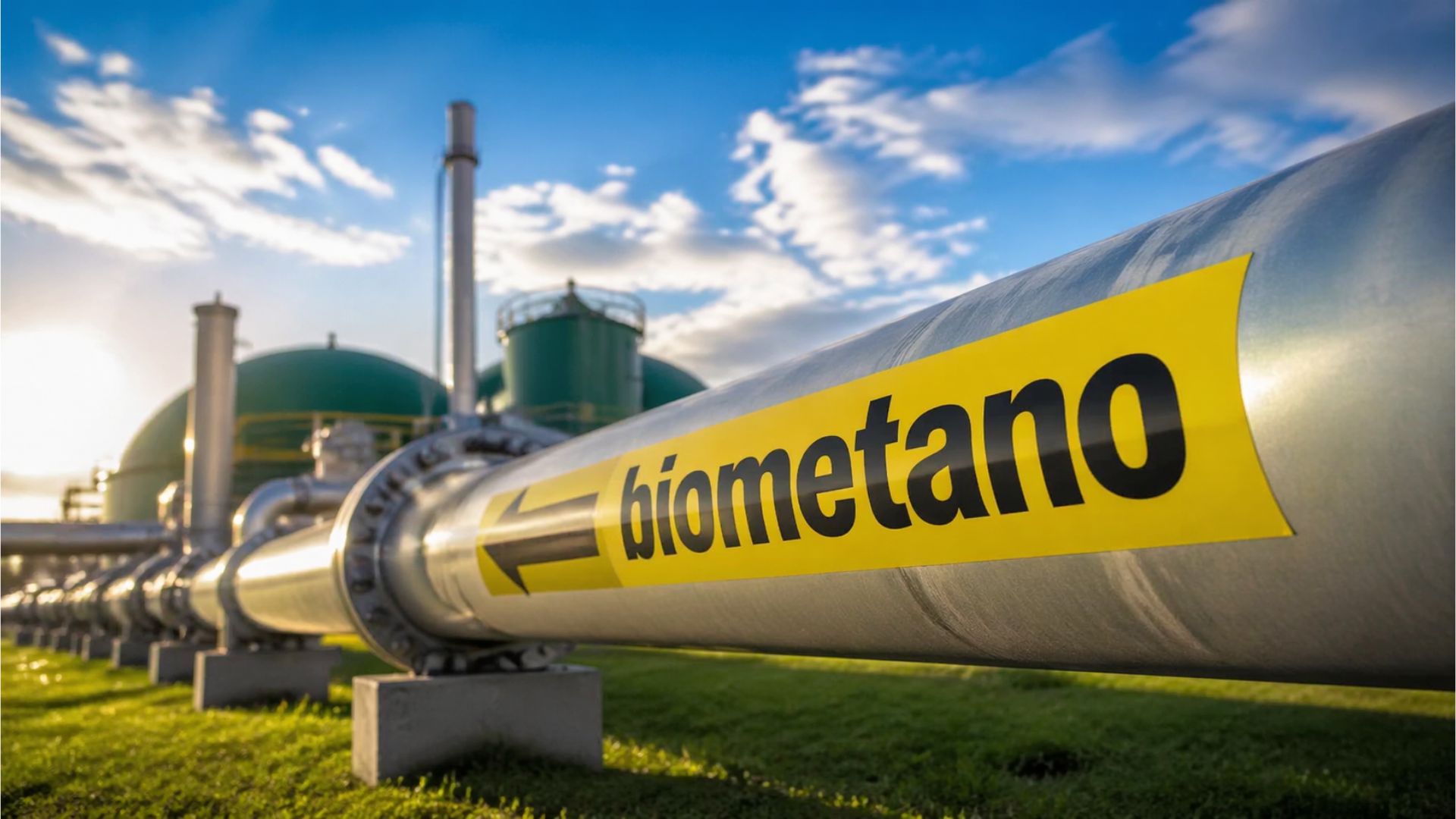

Brazil accelerates biogas production and expands the use of biomethane as a strategic solution for clean energy, boosting sustainability, circular economy, and innovation with updated data from CIBiogás.
Brazil is undergoing a significant transformation in its energy matrix. The advancement of biogas, combined with the rapid growth of biomethane, repositions the country in the clean energy landscape and reinforces its commitment to sustainability. Recent data indicates that the sector has already reached 1,803 operational plants and a production close to 5 billion Nm³ per year, highlighting an important structural leap.
According to data from the Biogas Panorama in Brazil 2025, released by the International Center for Renewable Energies – Biogas (CIBiogás), this movement is not limited to numerical expansion. It reveals a new moment, with more efficient projects, greater production scale, and integration with complex industrial chains. CIBiogás plays a central role in this process by organizing data, fostering innovation, and supporting sustainable growth strategies.
Expansion of biogas in Brazil reveals sector maturity and gain in production scale
The growth of biogas in Brazil shows a sector that has moved from being emerging to becoming strategic. The number of 1,803 plants represents a consistent advancement, with growth of about 5% in units and 6% in volume produced compared to the previous year.
-
Brazil Advances with JetBio’s Megaproject to Build the World’s Largest Ethanol-Based Sustainable Aviation Fuel Plant, Aiming to Become a Global Exporter

-
Brazil on Track for Record 40.7 Billion Liters of Ethanol in 2026/27 Season, Driven by Corn Ethanol
-
Petrobras Approves $1.2 Billion Refinery in Brazil to Produce Aviation Fuel and Diesel from Plants
-
US$ 7 billion, green hydrogen, and steel with up to 95% less CO₂: the first green steel plant on the planet emerges in Sweden and targets Brazil as the next chapter


According to analyses conducted by experts linked to CIBiogás, such as Felipe Souza Marques, the institution’s president, the current advancement goes beyond quantity. There is a clear gain in operational efficiency and production scale. This means that the country is producing more with more robust structures.
Another relevant point is the change in the profile of projects. Today, it is observed:
- Fewer new plants per year
- Greater production capacity per unit
- More structured and long-term investments
This transformation indicates market maturation and greater investor confidence in the potential of biogas as a source of clean energy.


Biomethane gains prominence and redefines the role of clean energy in the country
The biomethane emerges as one of the main engines of this new phase. Although biogas still has a strong presence in electricity generation, accounting for about 62% of production, biomethane already represents approximately 34% of the total volume.
This growth is significant because it expands the use of clean energy beyond electricity. Biomethane can be used as a direct substitute for natural gas, especially in sectors such as transportation and industry.
Experts like Daiana Gotardo Martinez, associated with CIBiogás, highlight that this advancement represents a qualitative change. Biogas ceases to be just a solution for waste and begins to integrate more sophisticated value chains.
Among the main uses of biomethane, the following stand out:
- Vehicle fuel with lower environmental impact
- Replacement of fossil gas in industrial processes
- Integration with gas distribution networks
This scenario strengthens sustainability and broadens the economic reach of the sector.
Biogas production grows, but regional concentration still limits energy potential
Despite advancements, the distribution of biogas production in Brazil is still unequal. States like São Paulo lead with about 4.9 million Nm³ per day, followed by Rio de Janeiro with 1.8 million Nm³/day.
Paraná and Minas Gerais also appear as important hubs, consolidating more developed regions in the generation of clean energy. On the other hand, the North and Northeast still have low participation.
This concentration reveals an important challenge for national sustainability. At the same time, it opens clear opportunities for expansion, especially in regions with a large availability of agro-industrial waste.
The CIBiogás and other institutions point out that public policies and incentives will be crucial to:
- Expand investments in less explored regions “` “`html
- Leverage the potential of local waste
- Promote regional economic development

Regulatory advancement strengthens biogas and drives energy sustainability
The growth of biogas is also directly linked to regulatory advancement. Being a regulated fuel, it has greater security for commercialization and expansion.
The Future Fuel Law (14.993/2024) introduced important instruments, such as the Biogas Guarantee of Origin Certificate. This measure strengthens traceability and increases market confidence.
According to analyses by Aline Scarpetta, an expert associated with CIBiogás, the sector recorded the highest growth rate in its history in 2025. This advancement is directly related to regulation and increased demand, especially in the transportation sector.
Moreover, new authorizations and requests to the regulatory agency indicate that the pace of expansion is expected to continue in the coming years.
Technological innovation expands biogas applications and integrates new industrial chains
Technological innovation plays a decisive role in the advancement of the sector. Biogas is no longer seen merely as a basic energy source, but as a raw material for more complex solutions.
A relevant example is the biofuels demonstration unit linked to Itaipu, which has processed over 720 tons of organic waste since 2017. This volume allowed for the production of enough biogas to travel approximately 480,000 kilometers.
These initiatives show that clean energy can be applied in different contexts, including highly complex sectors, such as:
- Production of sustainable fuels for aviation
- Development of renewable hydrocarbons
- Applications in the chemical industry
CIBiogás acts as a facilitator of these innovations, promoting research and technological integration, always focusing on sustainability.
Data intelligence strengthens decisions and accelerates sector growth
“`Another essential factor for the advancement of biogas is the availability of reliable data. The Biogas Panorama has become a national reference, gathering strategic information for the entire sector.
Experts like Rafael Menezes, linked to the Ministry of Science, Technology and Innovation, emphasize that qualified data increases the ability to direct investments and accelerate growth.
Market representatives, such as Tiago Santovito, highlight that the organization of this information allows for safer and more efficient decisions. CIBiogás is also working on the development of digital tools for real-time monitoring, which should enhance transparency and strengthen the clean energy market in Brazil.
A new energy cycle driven by biogas and biomethane
Brazil is entering a new stage of its energy transition. The growth of biogas and the prominence of biomethane show that the country has a solid foundation to advance in the production of clean energy.
With nearly 5 billion Nm³ produced per year and a growing share in different sectors, biogas is no longer a secondary alternative and is taking on a strategic position.
This new cycle is marked by some decisive factors:
- Consistent expansion and scale gain
- Regulatory advancement and legal security
- Integration with complex industrial chains
- Strengthening of the circular economy
With the support of CIBiogás, the sector is advancing in a structured manner, promoting sustainability, innovation, and economic development. The reuse of waste is no longer just an environmental solution but transforms into a concrete growth opportunity for Brazil.
With information from Cenário Energia.