






 Portuguese
  Spanish


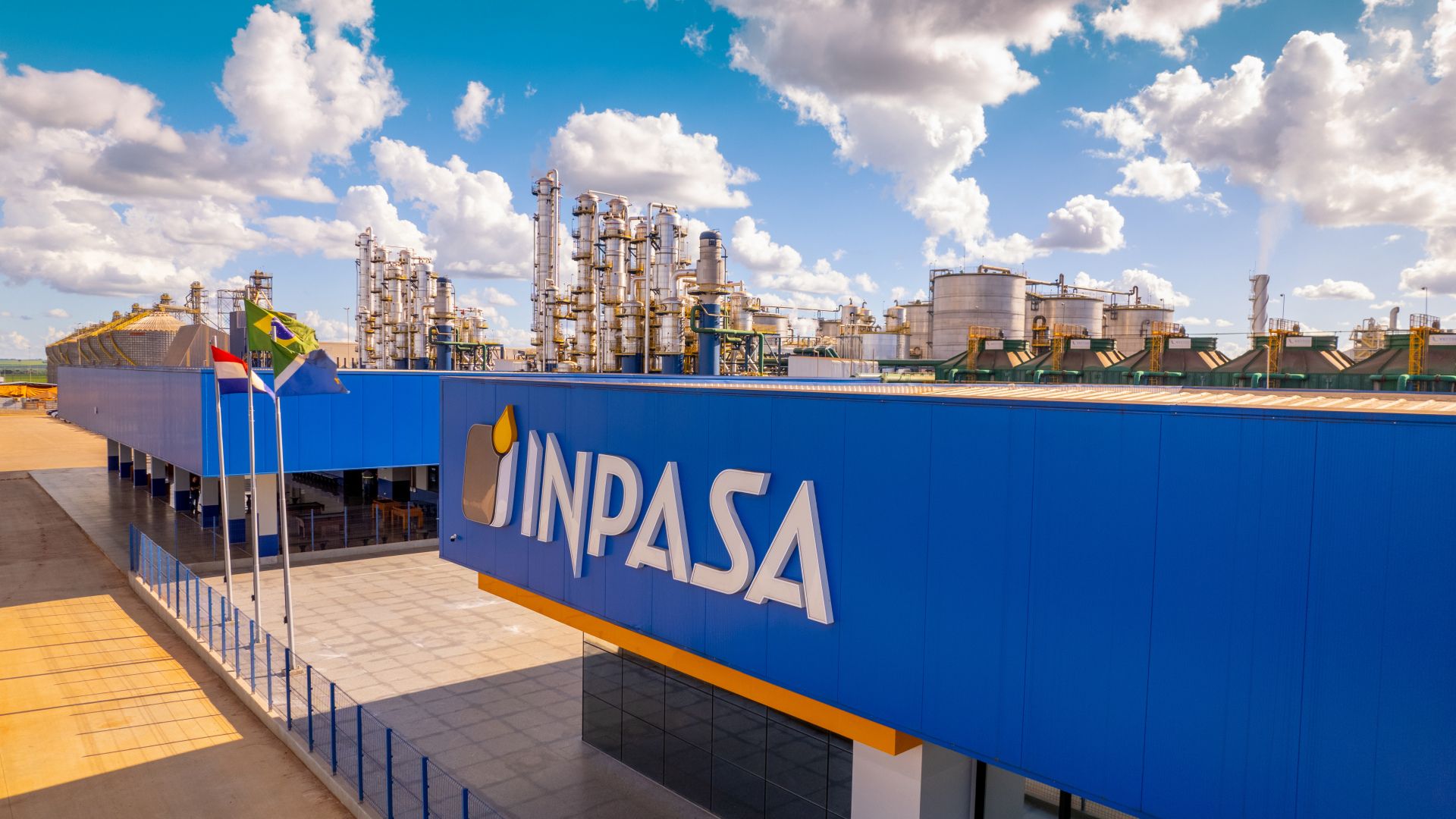

Inpasa accelerates investments in Brazil with new corn biorefineries, expanding the production of sustainable biofuels and strengthening clean energy, with direct effects on the economy and employment.
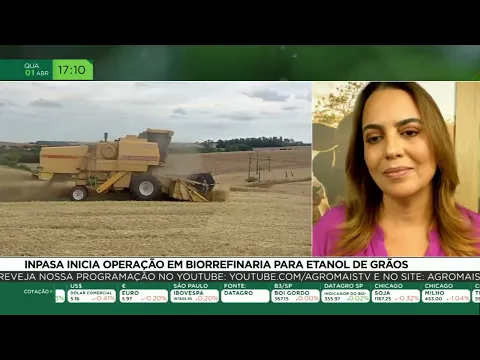
Inpasa announced an ambitious plan that foresees the operation of 10 corn biorefineries by 2027, reinforcing its position as one of the largest grain ethanol producers in the world. According to CNN Brasil on April 16, the initiative reinforces the advancement of sustainable biofuels and expands the role of clean energy in the Brazilian energy matrix.
With over R$ 15 billion already invested in the country and an annual growth of around 50%, the company accelerates its presence in strategic regions. This movement not only strengthens agribusiness but also boosts the economy and job creation, positioning Brazil as a potential global leader in renewable energy solutions.
The strategy follows a global trend of replacing fossil fuels, especially in hard-to-decarbonize sectors such as maritime transport and aviation. In this scenario, corn ethanol gains relevance as a viable and competitive alternative.
-
Corn ethanol attracts R$ 23 billion in 21 new plants and prepares for a nearly 50% jump in Brazilian production by 2027, even with high interest rates.

-
Ceará brings together 7 giants and R$ 66 billion to transform Pecém into the largest green hydrogen hub in Brazil, with final decisions expected by the end of 2026.
-
H2A to Invest $570 Million in 22 Biomethane Plants in Brazil, Converting Agricultural Waste into 700 Tons of Renewable Fuel Daily

-
Brazil to Introduce B16 Diesel with Increased Soybean Oil Content for Trucks by 2026

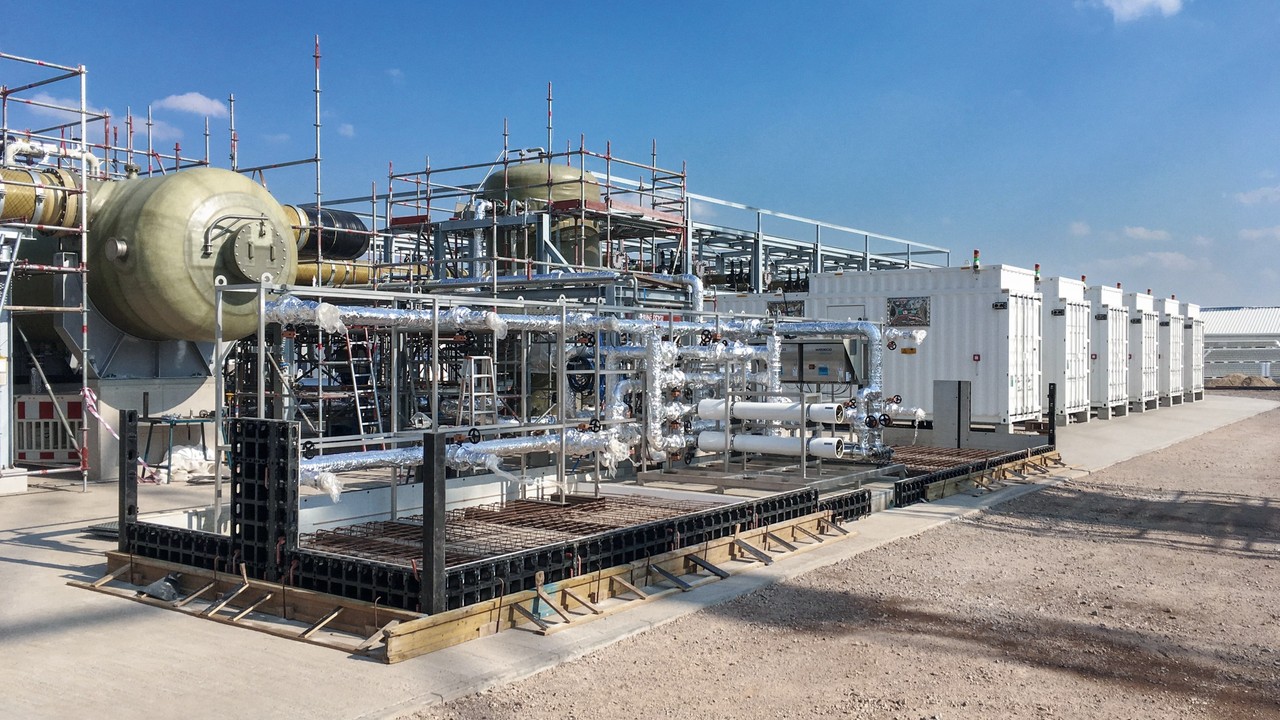

Corn biorefineries gain prominence in Inpasa’s industrial strategy
The foundation of Inpasa‘s growth lies in the expansion of corn biorefineries, industrial structures that allow for the full utilization of raw materials. This model ensures productive efficiency and revenue diversification, going beyond ethanol.
In the company’s units, corn is transformed into different products, which strengthens the production chain and amplifies the economic impact. Among the main derivatives, the following stand out:
- Ethanol used as renewable fuel
- DDGS, intended for animal nutrition
- Vegetable oil for industrial application
- Energy generation from biomass
This format strengthens sustainable biofuels by reducing waste and increasing competitiveness against traditional fuels. At the same time, it expands the share of clean energy in national consumption.
An example of this efficiency is the unit in Sinop, Mato Grosso, considered the largest ethanol biorefinery in the world, with a production capacity of about 2 billion liters per year.
Geographical advancement brings clean energy to new strategic regions
The expansion of Inpasa is not limited to increasing production capacity. The company is also advancing geographically, bringing its operations to regions with high growth potential.
The arrival in the Northeast, with the unit in Luís Eduardo Magalhães, Bahia, represents an important milestone. The project received an investment of R$ 1.3 billion and aims to reduce the dependence on ethanol imports in the region.
This movement strengthens the presence of corn biorefineries in the national territory and expands access to sustainable biofuels, directly contributing to the decentralization of clean energy production.
In addition, the company has new plants under construction, such as in:
- Rio Verde, Goiás
- Rondonópolis, Mato Grosso
These initiatives demonstrate the accelerated pace of expansion and reinforce the commitment to regional development.

Sustainable biofuels gain strength in hard-to-decarbonize sectors
The strategy of Inpasa is also aligned with the growing global demand for carbon emission reduction. Sectors such as maritime transport and aviation are among the biggest challenges of the energy transition.
In this context, sustainable biofuels emerge as a viable alternative to reduce the environmental impact of these activities. Ethanol produced in corn biorefineries can directly contribute to this process.
According to company executives, the maritime sector has aggressive decarbonization targets in the coming years, which opens up opportunities for Brazil to become an important supplier of cleaner energy solutions.
The expansion of clean energy in these segments represents not only an environmental advance but also a relevant economic opportunity.
Direct economic impacts with job creation and new investments
The plan from Inpasa brings significant effects for the Brazilian economy. The construction and operation of corn biorefineries generate jobs at different levels, from the construction phase to industrial operation.
Furthermore, the strengthening of sustainable biofuels stimulates various sectors, creating a multiplier effect in the economy. Among the main impacts, the following stand out:
- Creation of direct and indirect jobs
- Increased demand for corn
- Expansion of logistics infrastructure
- Attraction of national and international investments
The expansion of clean energy also contributes to the country’s energy stability, reducing dependence on fossil fuels and increasing competitiveness in the global market.
Industrial efficiency and innovation drive corn biorefineries
Another central point in Inpasa‘s strategy is the continuous investment in technology. The corn biorefineries utilize modern processes that increase productivity and reduce environmental impacts.
The integration between ethanol production, co-products, and energy generation allows for a more sustainable and efficient model. This further strengthens sustainable biofuels as a competitive alternative.
The pursuit of innovation also contributes to the expansion of clean energy, allowing the company to increase its capacity without compromising sustainability principles.
This type of approach is essential to ensure long-term growth, especially in an increasingly demanding global scenario regarding environmental practices.

Inpasa consolidates leadership by uniting scale, sustainability, and strategy
With an installed capacity of approximately 6.7 billion liters of ethanol per year, Inpasa positions itself as one of the leading companies in the sector worldwide. The goal of reaching 10 units by 2027 reinforces this growth trajectory.
The corn biorefineries are the heart of this strategy, enabling large-scale production of sustainable biofuels and increasing the share of clean energy in the energy matrix.
The combination of production scale, operational efficiency, and environmental commitment places the company in the spotlight on the international stage. At the same time, it strengthens Brazil’s role as a protagonist in the energy transition.
What is at stake with the new phase of clean energy in Brazil
The advancement of Inpasa represents more than business growth. It is a structural transformation in the Brazilian energy sector, driven by corn biorefineries and the expansion of sustainable biofuels.
The expansion of clean energy in the country helps reduce emissions, diversify energy sources, and increase supply security. Furthermore, it strengthens agribusiness and creates new opportunities for regional development.
With billion-dollar investments, a growing presence, and a focus on innovation, Inpasa positions itself as one of the main engines of this change. The impact goes beyond the energy sector, affecting the entire economy and reinforcing Brazil’s role on the global stage.
In this context, the expansion plan until 2027 is not just a business goal, but a clear indication of how the country can move towards a more sustainable, competitive, and energy-secure future.








