Portuguese
  Spanish


Study by Embrapa and University of Brasília indicates how second crop canola can boost SAF biofuels in aviation, expand the use of clean energy, and reduce emissions in the air transport sector
The second crop canola is beginning to gain traction as an alternative to reduce emissions from aviation, one of the most challenging sectors in the global energy transition. A study conducted by Embrapa in partnership with the University of Brasília and published in Science Direct indicates that the use of biofuels of the SAF type can reduce greenhouse gas emissions by up to 55% compared to fossil Jet-A1 kerosene.
This percentage, according to researcher Priscila Sabaini from Embrapa Meio Ambiente, represents an ideal scenario that is not yet fully viable. Nevertheless, the data highlights the potential of clean energy in the aviation sector, especially when integrated with Brazilian agricultural production.
According to information from Embrapa released on April 22, the analysis follows the Life Cycle Assessment model, meaning that all stages were considered, from the cultivation of second crop canola to the burning of fuel in aviation.
-
US$ 7 billion, green hydrogen, and steel with up to 95% less CO₂: the first green steel plant on the planet emerges in Sweden and targets Brazil as the next chapter

-
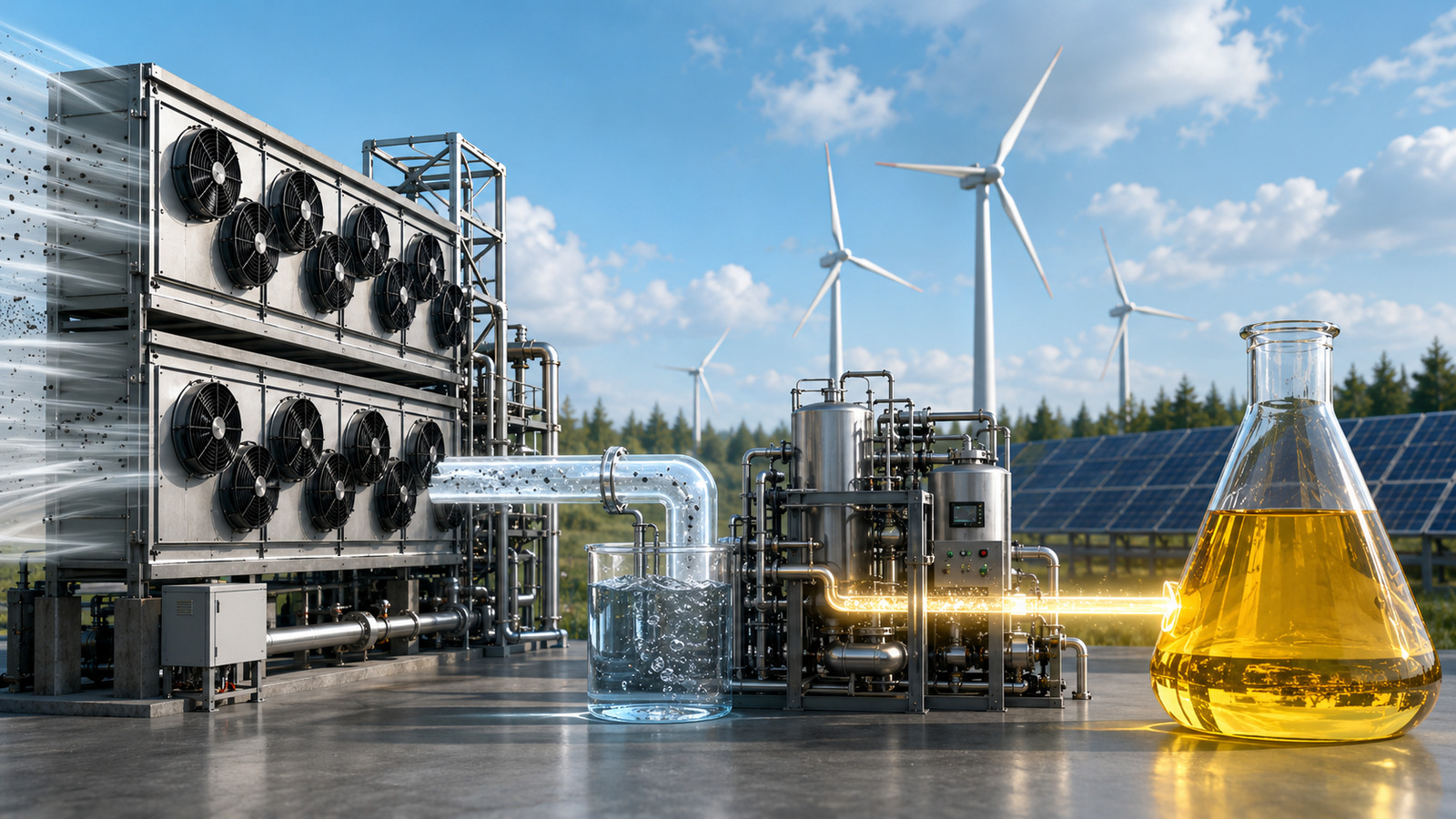
Swedes manage to create synthetic fuel with CO₂, water, and renewable energy, compatible with current engines, but face a huge problem: the energy expenditure is still double the return.
-
Brazil begins to transform wheat, residues, sweet potatoes, and soy molasses into ethanol, in a new phase of biofuels that seeks to utilize leftovers from the field and industry to fuel flex-fuel cars.

-
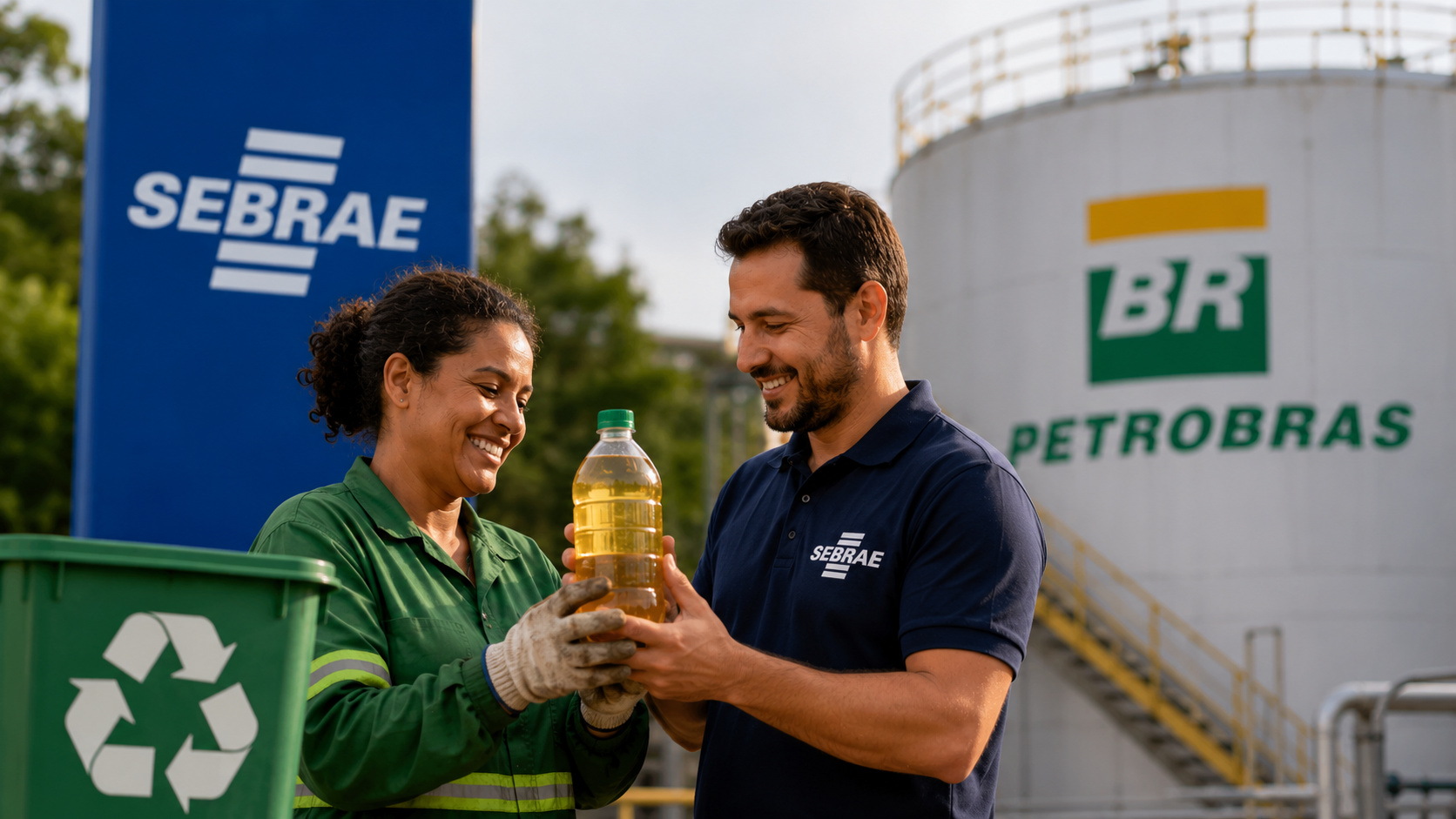
Sebrae and Petrobras join forces in Ceará to include waste pickers in the circular economy and strengthen the biofuel chain, creating new income opportunities and expanding the sustainable use of waste with a direct impact on regional development.



Study by Embrapa and UNB details how SAF is produced from canola
The research developed by Embrapa and the University of Brasília analyzed the production of biofuels based on the HEFA route, one of the most established technologies currently for producing SAF.
This route uses vegetable oils and fats as raw materials, converting them into fuel through industrial hydroprocessing. In the Brazilian case, second crop canola was evaluated under real tropical cultivation conditions.
Three main scenarios were considered:
- Use of traditional fossil kerosene
- Blend of SAF with conventional fuel
- Full use of renewable fuel
The analysis was based on the production of 1 megajoule of energy, allowing for a direct comparison of the environmental impacts of each alternative.
According to researcher Giulia Lamas, affiliated with the University of Brasília, the differential of the study lies precisely in analyzing canola cultivated in the second harvest in Brazil, a context still little explored internationally.

Regulatory and technical limitations still restrict the advancement of SAF in aviation
Despite the identified potential, the use of biofuels in aviation still faces significant barriers. Embrapa itself highlights that the scenario of up to 55% reduction depends on ideal conditions.
Currently, the SAF produced by the HEFA route has a blending limit of approximately 50% with fossil kerosene. This prevents the total replacement of conventional fuel in the short term.
Among the main challenges are:
- Technological limitations in large-scale production
- Still high costs of biofuels
- Regulatory restrictions in the aviation sector
These factors indicate that the expansion of second harvest canola as a source of clean energy depends on structural advancements and incentive policies.


Agriculture concentrates the largest share of emissions in the biofuel cycle
One of the most relevant points of the study by Embrapa and the University of Brasília is the identification of the agricultural phase as the main source of emissions.
The cultivation of second harvest canola accounts for about 34.2 g of CO₂ equivalent per megajoule, a value mainly associated with the use of nitrogen fertilizers and nitrous oxide emissions in the soil.
On the other hand, the industrial stage, responsible for conversion into SAF, presents about 12.8 g of CO₂ equivalent per megajoule, especially when the hydrogen used is of fossil origin.
Researcher Alexandre Cardoso from Embrapa Agroenergia highlights that the use of fertilizers is one of the main critical points of the system. He points out that alternatives such as bioinputs can help reduce this impact.
Additionally, the study also identified impacts related to:
- Eutrophication of aquatic environments
- Potential toxicity to humans
- Pressures on ecosystems
These factors reinforce that the sustainability of biofuels goes beyond direct emissions.
Integration with renewable hydrogen expands clean energy gains in SAF production
Another important highlight of the study is the role of hydrogen in the production of SAF. The source of this input can significantly alter the environmental impact of the fuel.
When fossil hydrogen is replaced by alternatives of clean energy, such as solar and wind sources, the reduction in emissions at the industrial stage varies between 86% and 94%.
Professor Edgar Amaral Silveira from the University of Brasília points out that this integration between bioenergy and renewable hydrogen can significantly reduce the carbon intensity of aviation fuels.
This scenario shows that the potential of second-crop canola does not depend solely on agriculture but also on the evolution of the associated energy chains.

Efficient land use strengthens second-crop canola as a sustainable solution
A relevant differentiator for Brazil is the way second-crop canola is cultivated. Unlike other countries, where the crop may compete with main agricultural areas, in Brazil it is integrated into rotation systems, usually with soybeans.
According to Bruno Laviola from Embrapa Agroenergia, this characteristic significantly improves the environmental performance of the crop.
Among the main benefits of this model are:
- Utilization of already cultivated areas
- Reduction of pressure for deforestation
- Increase in productive efficiency
This context makes second-crop Canola a strategic alternative to expand biofuels and strengthen clean energy in the country.
Public policies and certification can accelerate SAF biofuels in Brazil
The study also indicates that public policies will be decisive in increasing the use of SAF in aviation. The research engages with national and international decarbonization initiatives.
Among them are programs aimed at reducing emissions in the aviation sector and carbon certification mechanisms.
Currently, canola is not yet fully integrated into tools like RenovaCalc, used within the scope of RenovaBio. This absence limits the formal recognition of second-crop Canola as a relevant source of biofuels.
The inclusion of this raw material can:
- Increase the generation of decarbonization credits
- Encourage rural producers
- Strengthen clean energy chains
Additionally, the study contributes technical data that can enhance these policies.
Paths to a more sustainable aviation based on canola and SAF
The results presented by Embrapa and the University of Brasília show that second-crop Canola has real potential to contribute to the decarbonization of aviation.
Even with current limitations, the advancement of biofuels of the SAF type represents one of the most viable solutions in the short and medium term to reduce emissions in the aviation sector.
The path involves a combination of factors:
- Technological innovation
- Improvement in agricultural practices
- Expansion of production
- Integration with clean energy sources
The research also reinforces Brazil’s role as a protagonist in this scenario, thanks to its agricultural conditions and the potential for integration between rural production and renewable energy.
By connecting second-crop Canola and clean energy, the study points to a clear direction: the energy transition of aviation increasingly passes through the countryside.