






 Portuguese
  Spanish
  7 min of reading
  0 comments


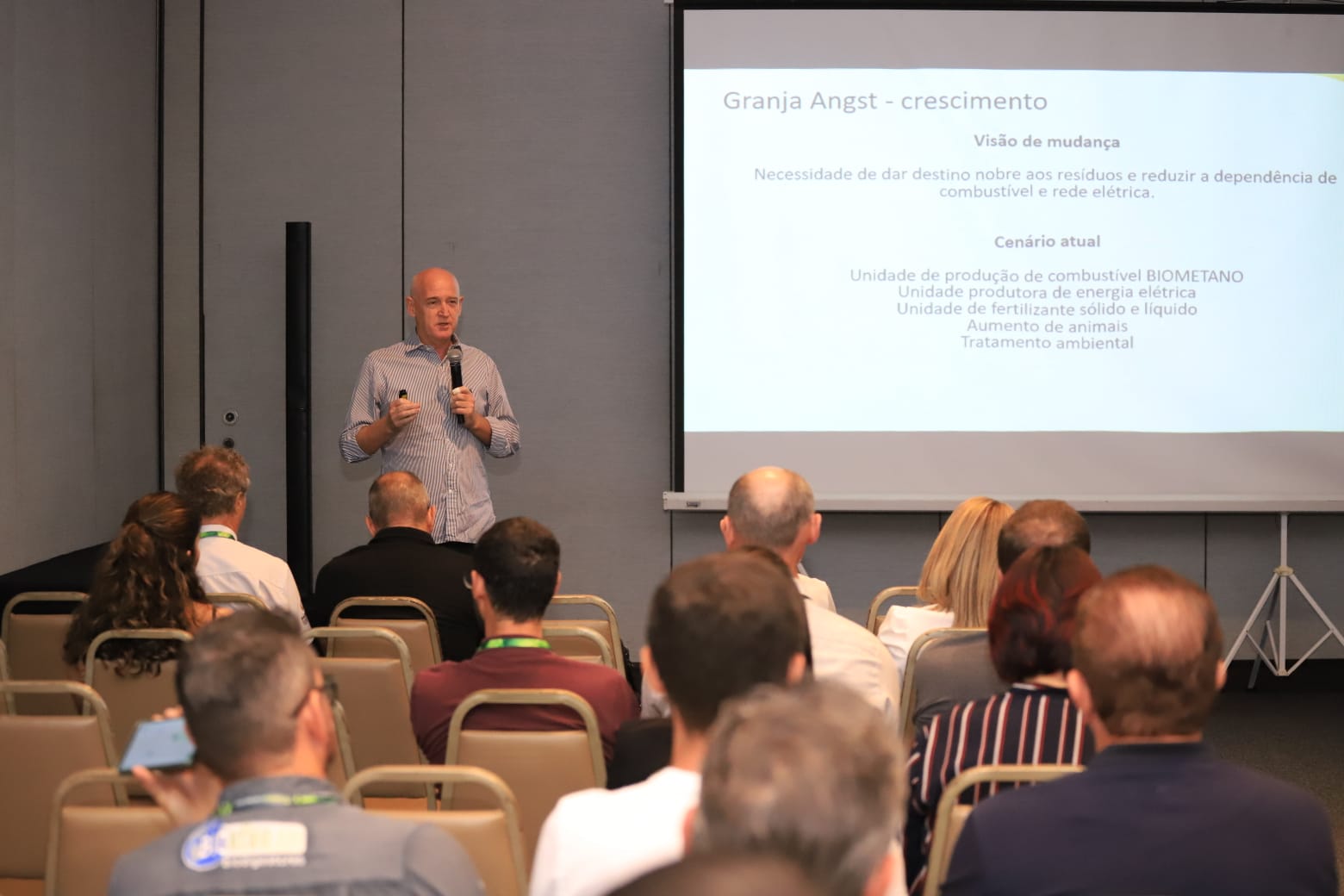
Specialists and authorities debate in Foz do Iguaçu the strategies to implement biogas in agriculture transportation, aiming to replace diesel with renewable fuel produced on their own farms.
The Rural Development Institute of Paraná (IDR-Paraná) leads a crucial technical debate on the viability and expansion of biogas in agriculture transportation during a strategic meeting in Foz do Iguaçu.
The event brought together engineers, rural producers, and government representatives to outline the roadmap for logistics decarbonization on Paraná’s roads. The initiative focuses on transforming waste from pig and poultry farming into high-performance fuel for heavy fleets, such as tractors and trucks.
Currently, logistics costs represent one of the biggest bottlenecks for Brazilian rural producers, and replacing diesel oil with purified methane promises to reduce operational expenses to unprecedented levels.
-
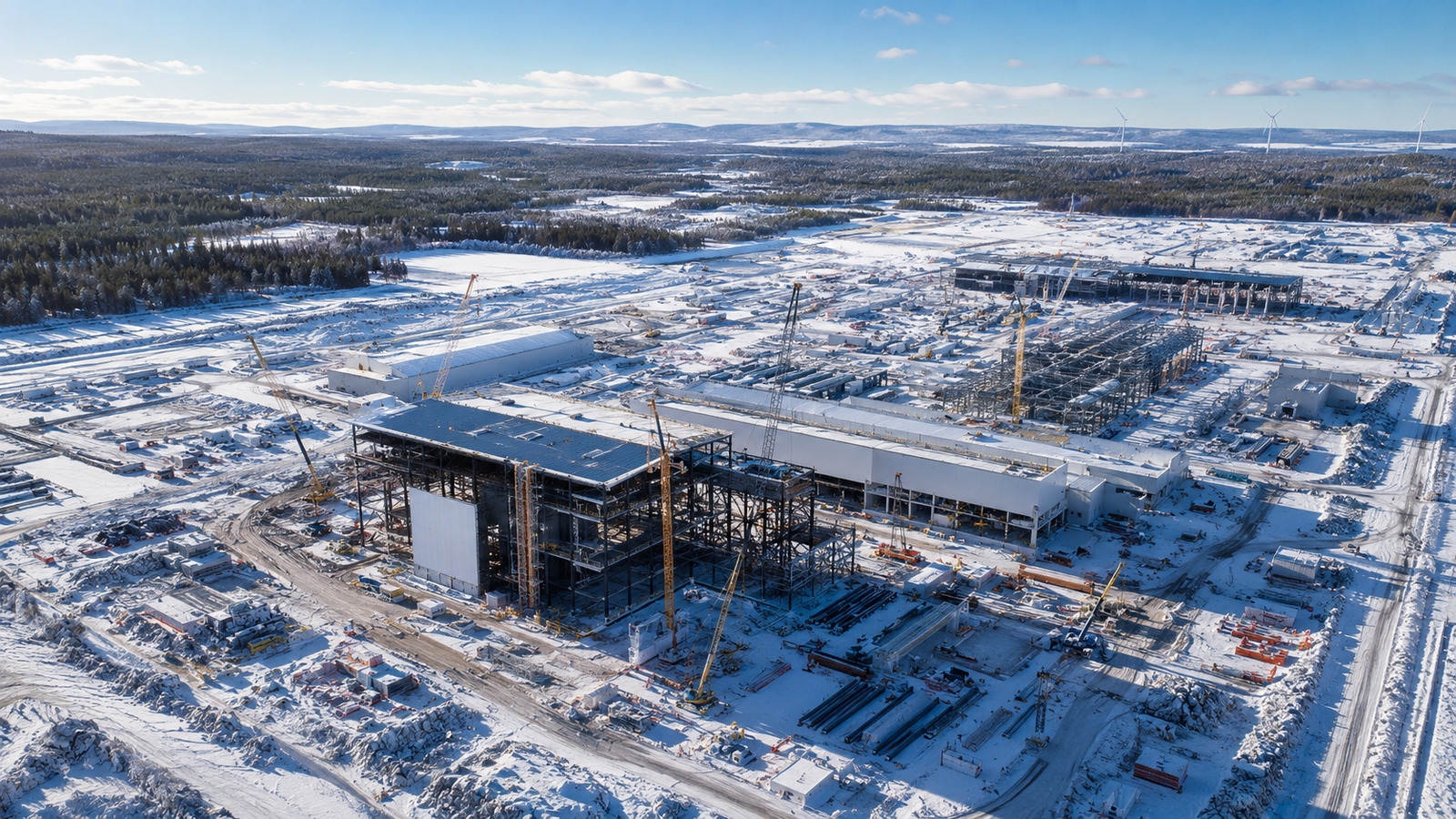
US$ 7 billion, green hydrogen, and steel with up to 95% less CO₂: the first green steel plant on the planet emerges in Sweden and targets Brazil as the next chapter

-
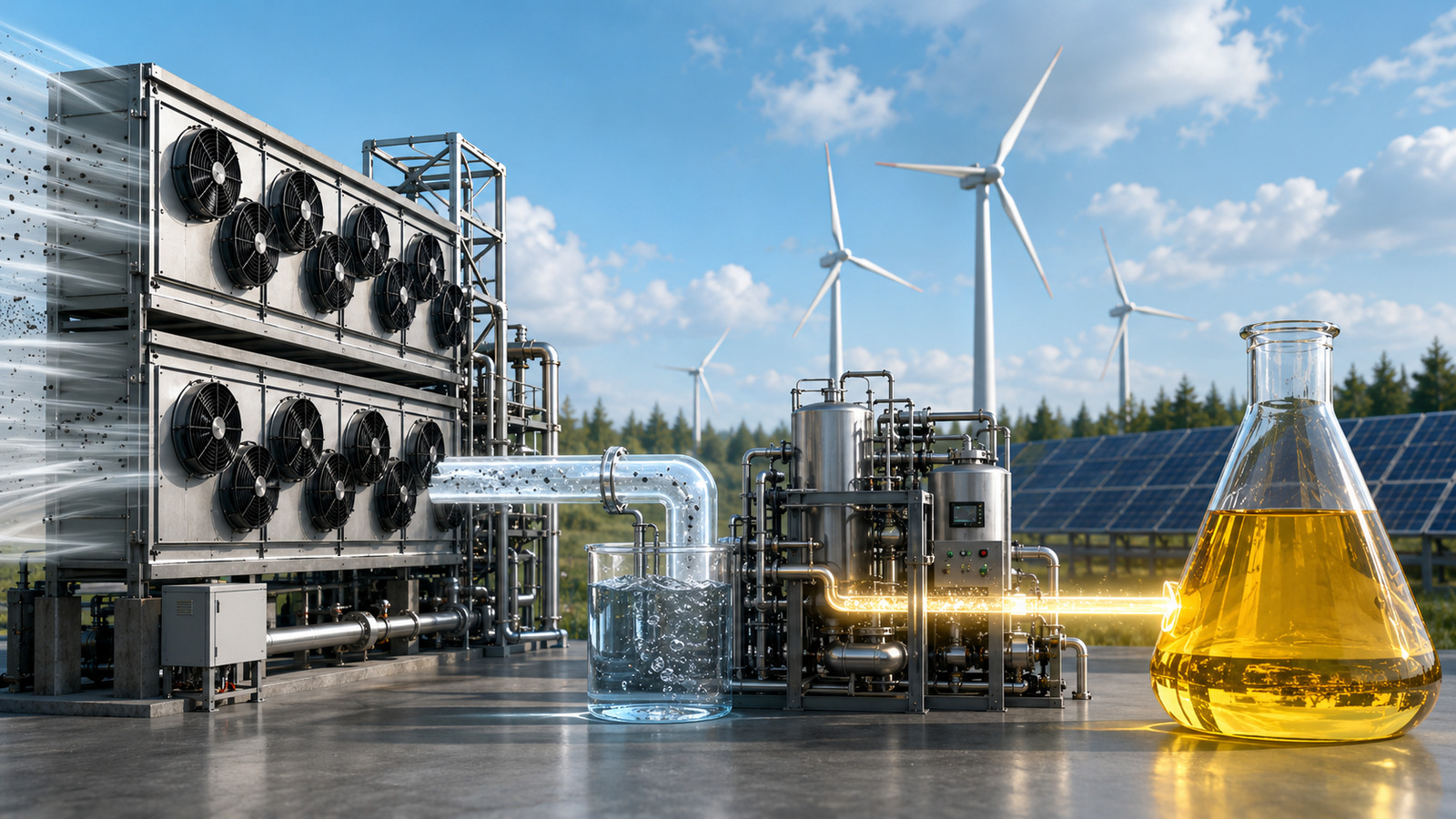
Swedes manage to create synthetic fuel with CO₂, water, and renewable energy, compatible with current engines, but face a huge problem: the energy expenditure is still double the return.
-
Brazil begins to transform wheat, residues, sweet potatoes, and soy molasses into ethanol, in a new phase of biofuels that seeks to utilize leftovers from the field and industry to fuel flex-fuel cars.

-
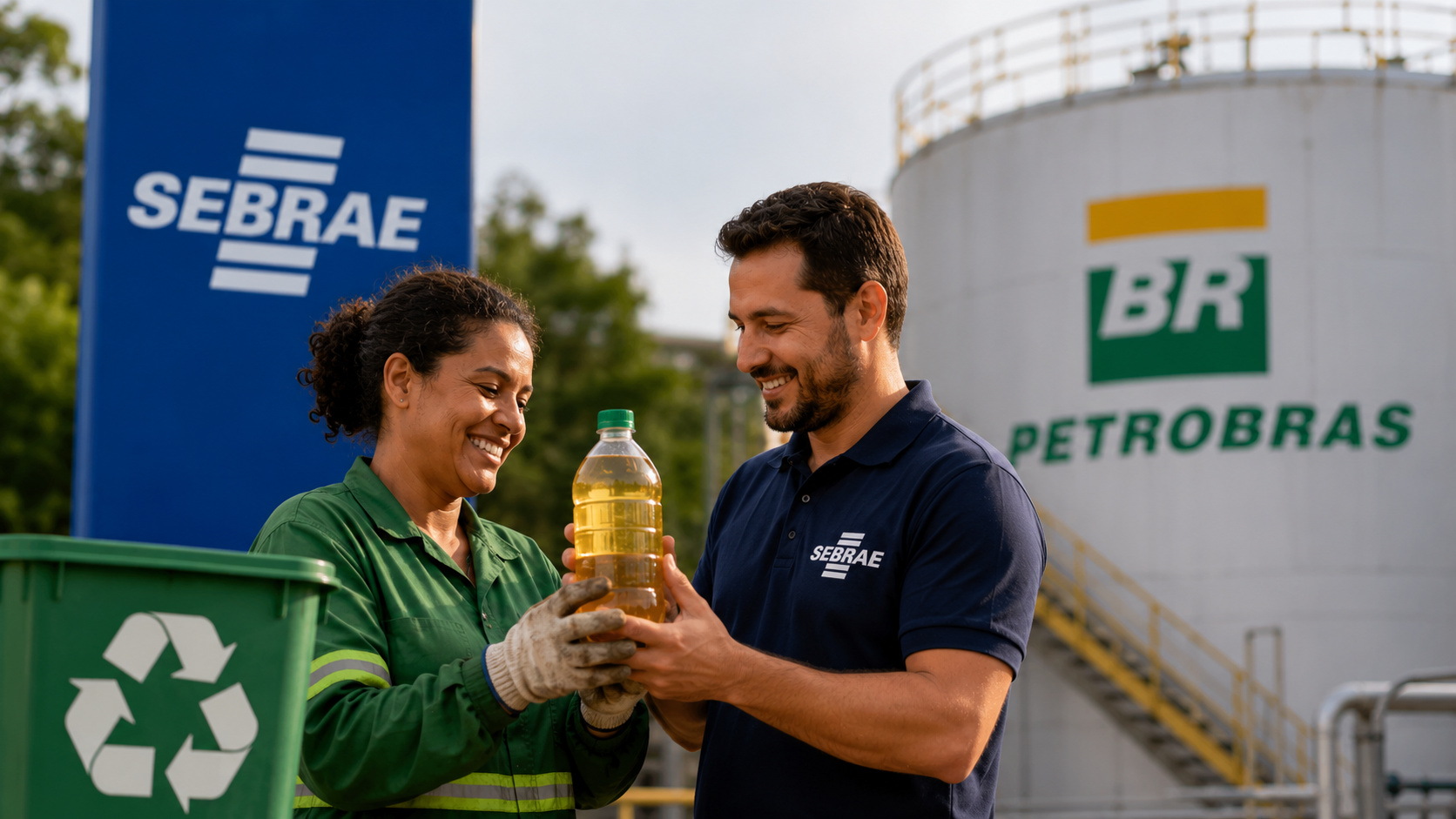
Sebrae and Petrobras join forces in Ceará to include waste pickers in the circular economy and strengthen the biofuel chain, creating new income opportunities and expanding the sustainable use of waste with a direct impact on regional development.

Paraná stands out as the ideal setting for this transition due to its enormous concentration of available biomass. By adopting green fuel, the agricultural sector not only improves its profitability but also eliminates critical environmental liabilities, positioning the state at the forefront of the circular economy.
The disruptive potential of biogas in agriculture transportation
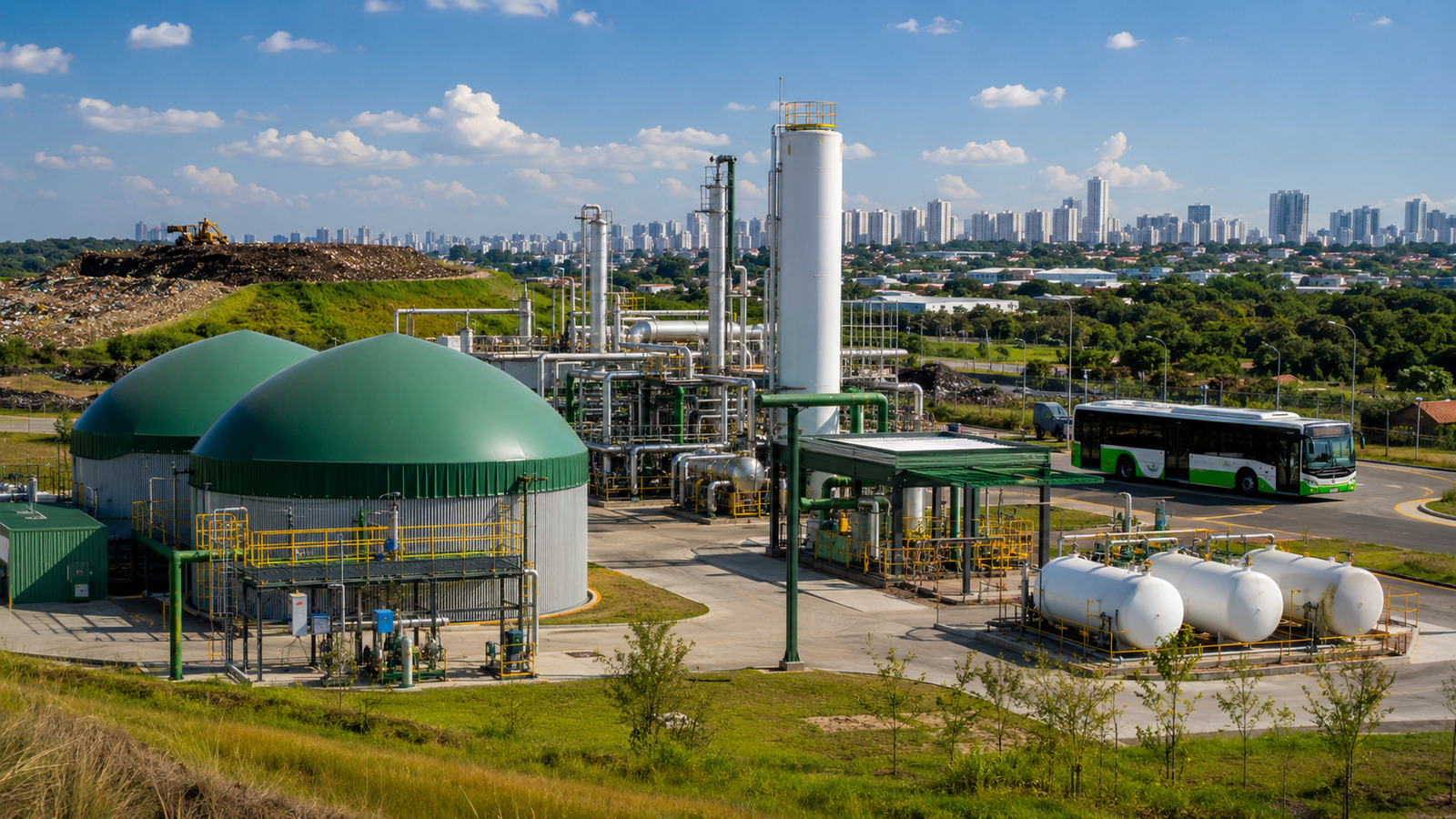
The engineering behind the use of biogas in agriculture transportation is based on a complete circular economy. The process begins within rural properties, where biodigestion systems capture the methane gas resulting from the decomposition of organic waste.
After purification (upgrading), this gas reaches a purity level above 90%, becoming technically equivalent to compressed natural gas (CNG).
This technology solves two problems simultaneously. First, it prevents the direct emission of greenhouse gases into the atmosphere, as methane has a much higher global warming potential than carbon dioxide. Second, it generates a local and inexhaustible energy source.
The transportation of grains and animal protein requires a heavy and constant fleet. When the producer uses the biogas generated in their own unit, they “lock in” their fuel cost, protecting themselves from international fluctuations in oil barrel prices.
The brutal economy with the replacement of diesel
Foreign diesel raises Brazilian freight costs and increases food inflation. The advancement of biogas in agriculture transportation offers an escape route from this external dependency. Studies presented in the debate in Foz do Iguaçu indicate that direct savings on fuel supply can exceed 40% compared to fossil fuel.

In addition to the cost per liter, biomethane, for example, presents mechanical and environmental advantages for heavy vehicles:
Lower particulate emissions: Gas engines do not emit the characteristic black smoke of diesel, which reduces local pollution.
Noise reduction: Gas-powered trucks operate much more quietly, improving the quality of life on urban and rural routes.
Simplified maintenance: The post-treatment gas system in methane engines tends to be less complex than the filters required for modern diesel (Euro VI).
This operational efficiency attracts the attention of large cooperatives in Paraná. Companies that move thousands of tons of crops daily see biomethane as a solution to ensure competitiveness in the foreign market, where the carbon footprint of the final product is increasingly scrutinized.
Paraná as the “Caipira Pre-Salt”
The term “Caipira Pre-Salt” is gaining traction in the corridors of IDR-Paraná. The analogy makes sense when we observe the numbers of animal production in the state.
Paraná leads chicken slaughter in Brazil and has one of the largest pig herds in the country. Each of these animals generates waste that, when properly treated, produces valuable cubic meters of gas.
By integrating biomethane in agribusiness transportation, the state creates a decentralized fuel plant. Instead of relying on distant refineries, the fuel is produced in the backyards of farms in Toledo, Cascavel, and Marechal Cândido Rondon.
This reach strengthens regional development, as the money that the producer would spend on imported diesel remains circulating within the local Paraná economy, generating jobs and new infrastructure.
Infrastructure and supply challenges in the field
Although the benefit is evident, the implementation of biomethane in agribusiness transportation faces significant logistical barriers. The biggest challenge lies in creating an efficient supply network. Unlike diesel, which any roadside station offers, biomethane requires high-pressure compressors and specific storage systems.


Thus, the debate in Foz do Iguaçu addressed the creation of “blue corridors.” These are strategic routes equipped with biomethane stations to serve the main crop flow paths.
IDR-Paraná works with the private sector to encourage the installation of these stations within large cooperatives. The goal is for the truck to leave the farm with renewable fuel and find charging points along the route to the Port of Paranaguá.
Sustainability and the real impact on the environment
The carbon footprint of Brazilian agribusiness is under the global microscope. The use of biomethane in agribusiness transportation serves as an unmatched sustainability credential. The fuel has a negative carbon footprint in many cases, as the process removes methane from the environment (where it would pollute) and transforms it into useful energy.
The Paraná livestock sector seeks international certifications to export “carbon-neutral” meat and grains. The adoption of biomethane-powered trucks closes the sustainability cycle that begins with direct planting and continues through waste management.
This paradigm shift transforms transportation, which was once the villain of emissions, into the hero of decarbonization. The real impact affects not only the global climate but also the respiratory health of populations living near highways.
Technical innovation: Trucks ready for gas
The automotive industry already offers off-the-shelf solutions for those wishing to invest in biomethane in agribusiness transportation. Major manufacturers present in Brazil produce heavy trucks designed exclusively to operate with compressed or liquefied gas. These vehicles are not adaptations; they have Otto cycle engines optimized for methane.
The performance of these giants is impressive. They deliver the same torque and power needed to climb the Brazilian mountains loaded with 40 tons of soybeans. During the meeting in Foz do Iguaçu, technicians discuss the feasibility of converting old diesel cycle engines to the hybrid (dual-fuel) system, which would accelerate the fleet’s transition without requiring the disposal of lightly used vehicles. This technical flexibility ensures that small and medium producers also participate in the energy revolution.
The role of IDR-Paraná and public policies
The state government plays a facilitative role through the IDR-Paraná. The focus of public policies is on technical assistance and financial support. For biomethane in agribusiness transportation to gain scale, the producer needs legal security and access to cheap credit.
Tax incentive programs, such as the reduction of ICMS for renewable energy equipment, stimulate the purchase of gas purifiers and storage tanks.

The IDR-Paraná also promotes field days and technical seminars to educate rural workers about the safe operation of gas systems. Correct technical information prevents design errors and ensures that the biogas production unit is profitable from the first day of operation.
Energy independence and national sovereignty
Global geopolitics shows that relying on a single energy source is dangerous. International crises drive up diesel prices and disrupt the accounts of Brazilian agribusiness. Strengthening biogas in agribusiness transportation increases national sovereignty. Producing one’s own fuel protects the country against embargoes, wars, or currency fluctuations.
This energy independence reflects on food security. With lower and more stable freight costs, the final price of food on supermarket shelves tends to experience fewer fluctuations.
Biogas, therefore, transcends environmental issues and becomes a pillar of economic stability for Brazil. Paraná, by leading this debate, serves as a model for other states with strong agricultural and industrial vocations.
From biogas in agribusiness transportation to renewable hydrogen
The technological horizon presented in Foz do Iguaçu points to even bolder steps. Biogas is the shortest path to renewable hydrogen production in the field. Through reforming processes, methane can be transformed into hydrogen for fuel cells, a technology that promises even greater efficiency and zero emissions (only water vapor).
This evolution consolidates the role of rural producers as “energy producers.” In the near future, farms will not only export food but also clean energy to supply neighboring cities and industries. The use of biogas in agribusiness transportation is the first step of this technological ladder that will permanently change the landscape of rural Brazil.
The debate promoted by IDR-Paraná in Foz do Iguaçu leaves a clear message: the technology for using biogas in agribusiness transportation is mature and available. What the sector now demands is the coordination of efforts to build the supply infrastructure and facilitate access to credit.
Transforming waste into fuel is no longer a scientist’s dream but a successful administrative practice that guarantees profit and environmental preservation. Paraná demonstrates that the secret to a strong agribusiness lies in the integration of food production and clean energy generation.
By paving the way for the use of methane on the roads, the Brazilian agricultural sector reinforces its position as the economic locomotive of the country, now powered by a green, cheap, and fully national fuel.






Be the first to react!