





 Portuguese
  English
  Spanish
 5 min of reading
  0 comments


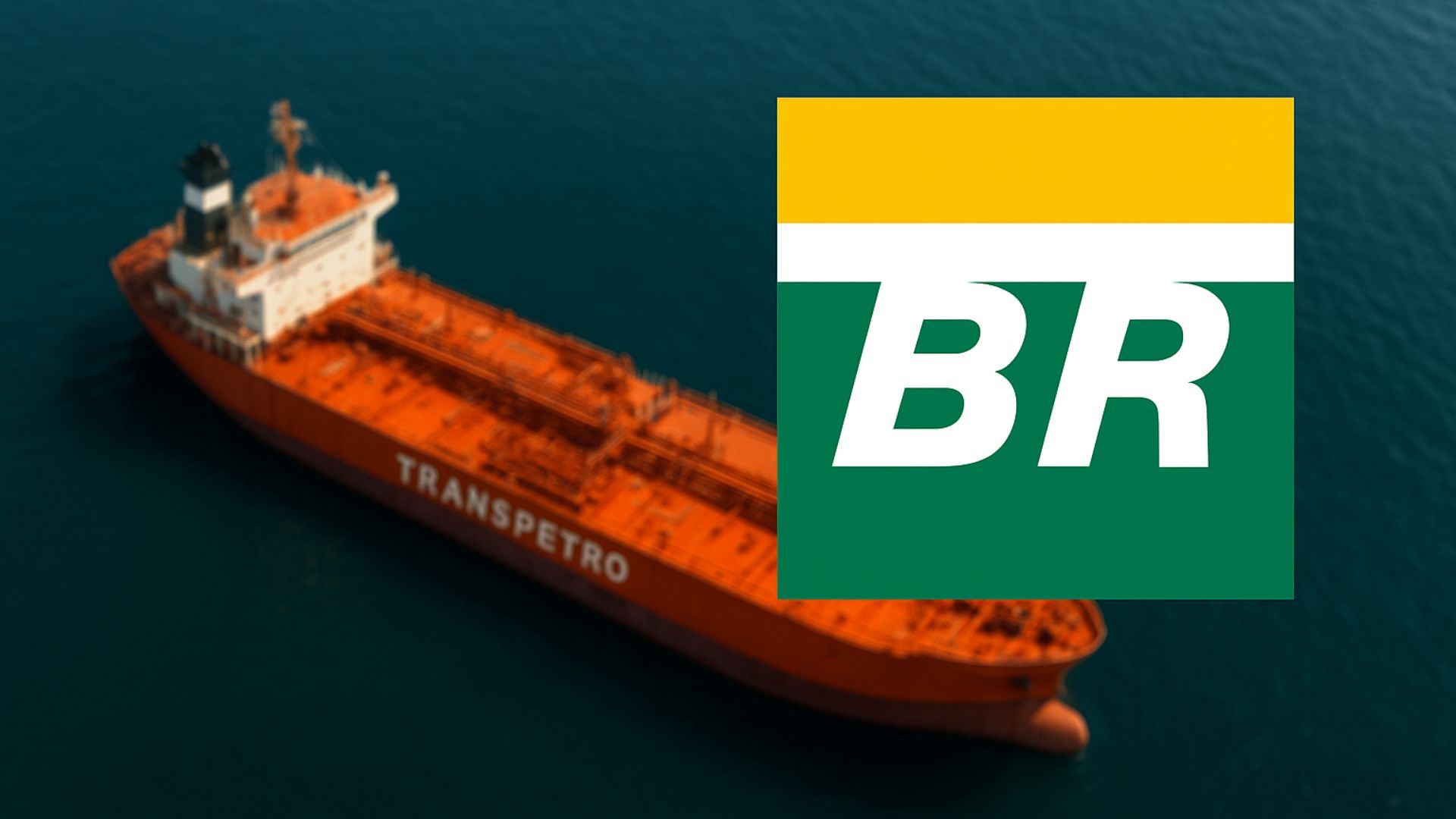
Petrobras Conducts Unprecedented Operation and Supplies Transpetro Vessels with Renewable Bunker B24, Expanding the Use of Biodiesel and Strengthening Sustainability in Brazilian Navigation
Between November 10 and 17, 2025, Petrobras carried out an operation deemed a milestone for the Brazilian maritime sector: the supply of three Transpetro vessels with the renewable marine fuel B24, consisting of 24% biodiesel and 76% traditional bunker oil. According to an article published by the website Portos e Navios, the operation took place at the São Sebastião Aquatic Terminal (Tebar) on the coast of São Paulo and is part of the national strategy for decarbonizing maritime transport.
Supply of Transpetro Vessels with Renewable Bunker B24
The initiative signals a real advance in Brazil’s energy transition. The use of renewable bunker B24 strengthens Petrobras’s commitment to cleaner and more technological solutions for navigation, positioning the country among the leading developers of alternative fuels in the sector.
During the operation, three vessels were supplied: the tanker Zumbi dos Palmares received about 1,300 tons of fuel, while the vessels Rômulo Almeida and Carlos Drummond de Andrade received approximately 400 and 300 tons of renewable bunker B24, respectively.
-
The first 100% Brazilian aviation fuel came from soybeans: SAF Petrobras delivered 3,000 m³ at Galeão and is preparing R$ 17.5 billion to dominate the world market by 2027.

-
Reduction of up to 55% in emissions: a joint study by Embrapa and UNB reveals that second-crop canola strengthens aviation by expanding SAF biofuels, reducing emissions, and integrating agriculture and clean energy.

-
According to the outlook, with biogas expanding, biomethane emerges as a protagonist of clean energy in Brazil, promoting sustainability, reducing emissions, and opening a new economic frontier based on the intelligent reuse of waste.
-
Inpasa announces an ambitious plan for 10 corn biorefineries by 2027 and aims for leadership in sustainable biofuels with a direct impact on the economy, clean energy, and job creation in the country.



This marine fuel was supplied by PBio, a Petrobras subsidiary specializing in biofuels. As a “drop-in” solution, B24 can be used directly in existing engines without the need for technical adaptations or equipment replacement — a decisive factor for immediate feasibility and reduction of operational costs.
This characteristic is considered a key point for accelerating energy transition in maritime transport, as existing vessels can operate with lower carbon intensity along national and international routes.
Petrobras Initiative: Technical Features and Environmental Certifications
The renewable bunker B24 consists of 76% conventional bunker oil and 24% FAME (Fatty Acid Methyl Ester) biodiesel. In addition to meeting technical performance specifications, the fuel has international certification under the ISCC EU RED standard, which guarantees traceability and compliance with strict socio-environmental criteria.
This certification is essential to expand global acceptance and enables the fuel to be marketed in international ports. The adoption of certified fuels demonstrates companies’ concern with the environmental requirements of regulatory bodies and with standards established by the International Maritime Organization (IMO).
Another relevant feature is that renewable bunker B24 has a lower sulfur content compared to traditional marine fuel. This contributes to the reduction of atmospheric pollutants, ensuring greater compliance with decarbonization policies and environmental targets that are already being implemented worldwide.
History of Adoption of Sustainable Fuels in the Maritime Sector
The authorization for the commercialization of renewable bunker containing up to 24% biodiesel was issued by the National Oil Agency (ANP) in 2024. Since then, Petrobras and Transpetro have been conducting tests and gradual operations with marine fuels containing renewable content.
In 2025, Petrobras obtained international certification to formally market the low sulfur and renewable content fuel at Brazilian terminals, consolidating the use of the B24 blend in commercial operations. Prior to this, tests had already been conducted on different vessels, assessing parameters such as stability, combustion, and engine performance.
These initiatives position Brazil strategically, keeping pace with sustainability trends that are already advancing in large maritime markets in Asia, Europe, and North America.
Sustainability and Carbon Emission Reduction
The Environmental Importance of Adopting Renewable Bunker B24
The use of renewable bunker B24 represents a significant step towards reducing maritime greenhouse gas emissions. The shipping sector is historically associated with high emission levels due to global cargo transport. The use of biodiesel reduces carbon emissions compared to pure fossil fuels.
According to information disclosed by Petrobras, the adoption of this renewable blend can reduce greenhouse gas emissions by up to 20% during the operation of the vessels. This reduction enhances the environmental competitiveness of companies and helps meet international norms and requirements imposed by the IMO.
Furthermore, B24 supports sustainability because it allows for the inclusion of recyclable or sustainably sourced raw materials in the production chain, such as used cooking oil or agro-industrial by-products. Thus, it also contributes to strengthening the bioeconomy and circular economy.
Impact of Petrobras’s Initiative on the Brazilian Naval Sector
National Leadership in the Energy Transition of Navigation
The supply of Transpetro vessels with renewable bunker B24 demonstrates that the energy transition in the Brazilian maritime sector is already underway. This operation not only represents a technological milestone but also paves the way for Brazil to strengthen its position in the global renewable fuels market.
The use of sustainable marine fuel also boosts port competitiveness and can attract more companies and maritime routes to operate in the country. Mastering this technology allows the development of logistical and industrial capabilities related to biofuel production, generating a direct impact on the economy and the production chain.
Additionally, initiatives like this reinforce public and private policies aimed at reducing carbon, complying with national environmental targets, and modernizing Brazilian port infrastructure.
Challenges and Limitations for Large-Scale Use
Despite advancements, the adoption of renewable bunker still faces obstacles. Among the main challenges are:
- Production and supply of sustainable raw materials in sufficient volume to meet growing demand.
- Port and logistical infrastructure still being developed for regular supply of renewable fuels.
- Cost and competitiveness of the fuel, which can vary depending on the biofuel market.
Even in the face of these limitations, experts believe that initiatives like this make renewable fuel increasingly accessible and competitive, favoring investments and public policies to expand the use of low-carbon alternatives.
What This Advancement by Petrobras Means Now for Brazil
The operation carried out by Petrobras with the Transpetro vessels shows that Brazil has the technical and industrial capacity to lead the adoption of renewable fuels in navigation. The B24 blend positions itself as a viable, immediate, and scalable solution for reducing emissions in the maritime sector.
This movement demonstrates that sustainability can go hand in hand with operational efficiency, competitiveness, and innovation. By opting for renewable bunker B24, Brazilian companies in the naval sector take center stage in a global market increasingly committed to decarbonization.
The challenge now is to standardize this initiative, expand supply to other vessels, develop infrastructure, and continue advancing in low-carbon fuels for the future of navigation.






Be the first to react!