






 Portuguese
  Spanish


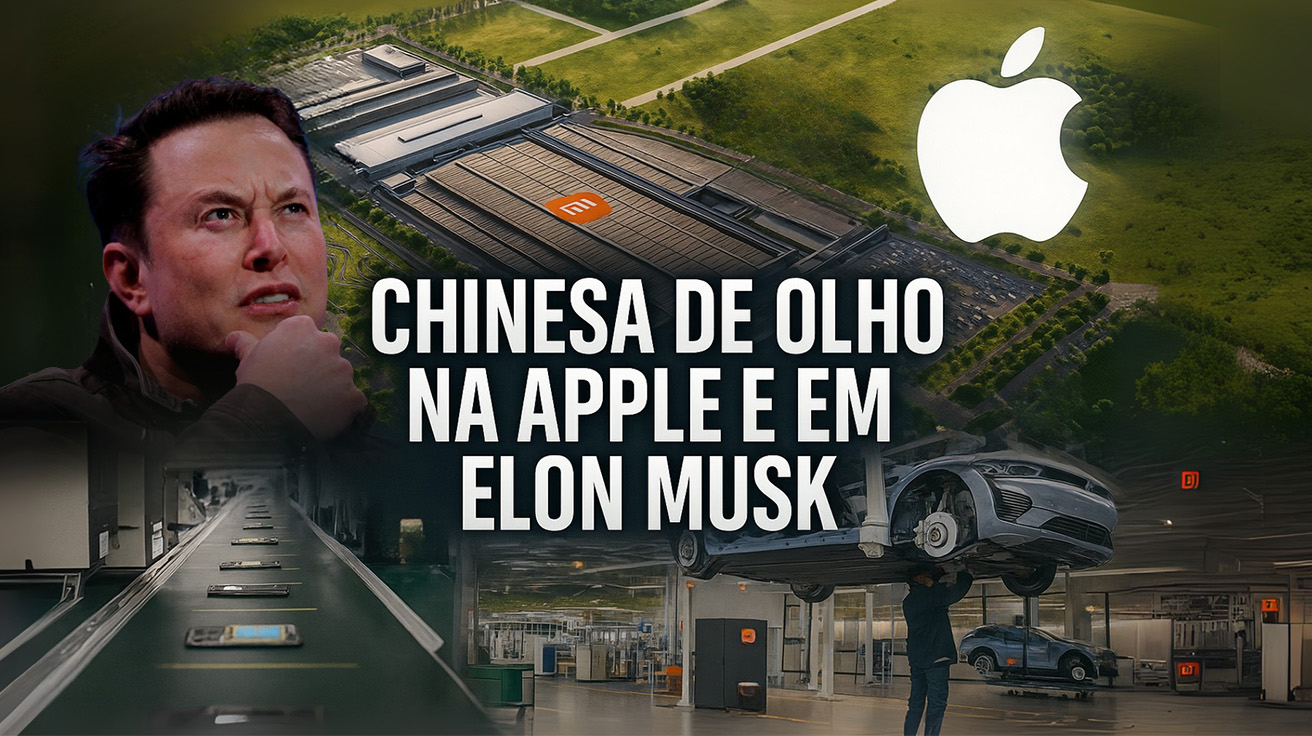

Xiaomi Transforms Factory Into Technological Attraction in Beijing, Bets on 3nm Chips and Challenges Tesla in the Chinese Market with Accelerated Production, New Electric Models and Vertical Integration Strategy.
Xiaomi has transformed its electric vehicle factory in Beijing into a showcase of technology and efficiency. Visits must be scheduled in advance and, during peak times, entry is determined by a lottery.
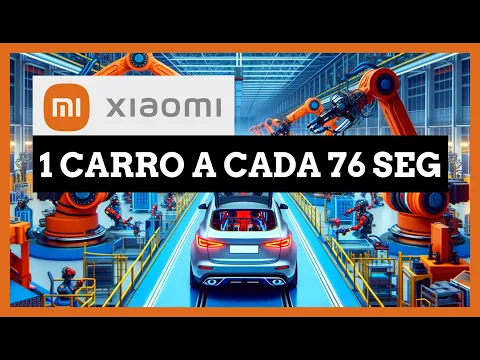
While fans — the “mi fen” — closely follow the automated line that assembles a car every 76 seconds with more than 700 robots, the company accelerates a vertical integration strategy aimed at rivals like Tesla and Apple, from the car to the 3nm chip.
Factory in Beijing and the Race for Volume
Located in the Chinese capital, the plant has gained status as a tourist attraction due to the transparency of processes and the level of automation in critical stages.
-
China Tightens Control on Antimony, Driving Prices from $22,000 to Nearly $40,000 per Ton as U.S. Rushes to Bolster Strategic Reserves

-
BlackRock Freezes $1 Billion in Brazilian Renewable Energy, Impacting 1.5 GW of Planned Projects and Highlighting Investor Concerns Over Infrastructure Bottlenecks Cutting Up to 25% of Solar and Wind Generation
-
Labor Shortage: Despite Record Average Salary, 90% of Brazilian Bar and Restaurant Owners Struggle to Hire Key Roles Like Sushi Chefs and Head Cooks

-
Supermarket Deli Counter Attendants in Brazil Could Earn Over $2,100 Monthly by 2026, Plus Benefits Package


The company operates with a focus on scale and industrial repeatability, combining robotics, computer vision, and real-time quality control to reduce bottlenecks and maintain a steady production pace.
In addition to the showcase, there are ambitious goals. The company is expanding its capacity with the second phase of the vehicle complex, planned to support the delivery of 350,000 units in 2025.
In parallel, it is developing an appliance factory in Wuhan to begin its own production of air conditioning units, reinforcing its investment in in-house manufacturing.
From “Lego Car Manufacturer” Label to Own Industry
The brand was born in 2010 with modest ambitions — “milhete,” in the Chinese name, and the reference of Lei Jun to the spirit of “corn and rifles” from the years of scarcity — but grew quickly.
In three years, it was already among the global leaders in cell phones and expanding its portfolio to connected home products. Despite its success, critics pointed out excessive reliance on suppliers.
“This variety of products was not historically from the Xiaomi; the company has a wide network of partners,” said Richard Windsor from Radio Free Mobile.
Perceptions began to change with advancements in R&D. “We used to say that Xiaomi took everything from outside and assembled it like a Lego block,” said Ivan Lam from Counterpoint Research; for him, investing in research has been rebalancing the equation.
Premium Smartphones Gain In-House Production
The first concrete move occurred in 2020, with the factory for small series of foldable devices. In early 2024, the company moved premium smartphone models to its own lines.
The results showed in the numbers: in the first quarter, shipments of premium phones grew 81% year-over-year, well above the overall market growth.
The internal reading is straightforward: “Technology brands can charge a premium when they are known for using advanced technology, and cutting-edge factories are one of the tangible representations of this,” said the company to the Financial Times.
Three Years From Announcement to First Sedan
In cars, the execution was faster than that of many competitors.
On March 28, 2024, Xiaomi launched the SU7, a sports sedan produced in Beijing, three years after announcing it would enter the sector. Apple, by contrast, ended its automotive project a month earlier.
The SU7 came with state-of-the-art assisted driving and an integrated operating system within the ecosystem of phones and appliances.
The manufacturer also highlighted components and equipment developed in-house, such as proprietary aluminum alloys, ultra-high-strength steel, and molds for casting large parts of the body.
SUV YU7 Sees Spike in Orders and Aims at Tesla Model Y
On June 26, 2025, Xiaomi presented the YU7, an SUV positioned to compete with the Model Y.
The initial response was remarkable: 200,000 pre-orders in 3 minutes and 289,000 in 1 hour, with a starting price below that of Tesla’s competitor.
Strong demand pressured delivery timelines, while the SU7 was already among the best-selling in the competitive Chinese market.
The impact was immediate in the financial market: shares have risen close to 200% in 12 months, driven by the performance of the cars and the perception that the company controls more critical stages of the supply chain.
3nm Chips and Bet on Vertical Integration
The verticalization strategy reached a milestone with the XRING O1, a 3nm SoC produced by TSMC that powers the brand’s premium smartphones and tablets.
According to analysts, this decision opens up space for a more cohesive ecosystem among devices, services, and potentially, connected car features.
Xiaomi announced minimum investments of 50 billion yuan over ten years for chips and 200 billion yuan over five years for cutting-edge technologies like operating systems and artificial intelligence.
For Lu Weibing, the company’s president, differentiation will come from this capability: in the future, he said, there will be “only two types of businesses: those that develop their own chips and those that do not develop“, with a generational gap in competitiveness between them.
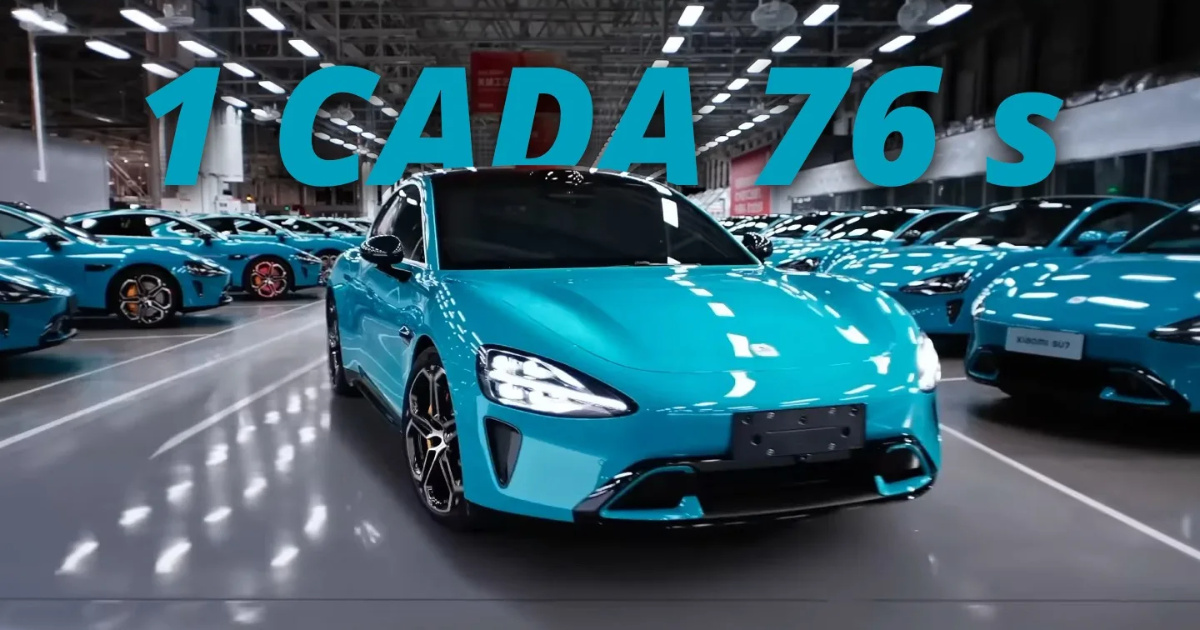
Guided Tours Reinforce Factory Narrative
The opening of guided tours helped solidify the narrative of advanced manufacturing.
“You can call me Factory Director Lei“, wrote Lei Jun on social media, in a tone of industrial provocation and pride, after praising the virtues of electric car and smartphone lines.
Xiaomi is also riding a domestic trend: Beijing’s encouragement to build “new quality productive forces” that combine automation, data, and process control.
An editorial approved by the People’s Daily highlighted the efforts of engineers from the 1950s and compared them to the use of more than 700 robots today in the brand’s factory.
The Next Step: Surpassing Tesla in China
If commercial traction holds, the challenge to Tesla should take on statistical contours.
Projections from Citic Securities suggest that Xiaomi’s cars could surpass Tesla’s sales in China by 2026, if the production pace and demand for both models remain steady.
The operational goal for 2025 — 350,000 cars — combined with gains in industrial efficiency, indicates that the company does not intend to revert to being a mere integrator of components.
Still, risks remain.
Advancement in proprietary semiconductors may stumble upon sanctions and geopolitical restrictions, as the manufacturing of the XRING O1 relies on TSMC.
In the short term, competitive pressure in the Chinese market and the execution of the second phase of the vehicle factory will be crucial in turning pre-orders into deliveries and profit margins.

Reinvention Aiming Beyond Smartphones
The company known for affordable phones and “ecosystem” electronics has reorganized its priorities to establish itself as a manufacturing powerhouse.
In-house production of premium smartphones, accelerated entry into automobiles, the construction of a new appliance line, and the leap to advanced chips form the same strategic arc: capturing value where the technological barrier is highest and where process control can turn into an advantage.
Today, the question shifts from whether Xiaomi competes with Apple and Tesla to when and in which fronts this competition will become measurable in market share, revenue, and profit — would you bet that the next major turning point will come from the car, the chip, or the fusion of both in the connected home ecosystem?


