





 Portuguese
  English
  Spanish
  3 min of reading
  0 comments


Technology And Artificial Intelligence Open New Paths In The Industry
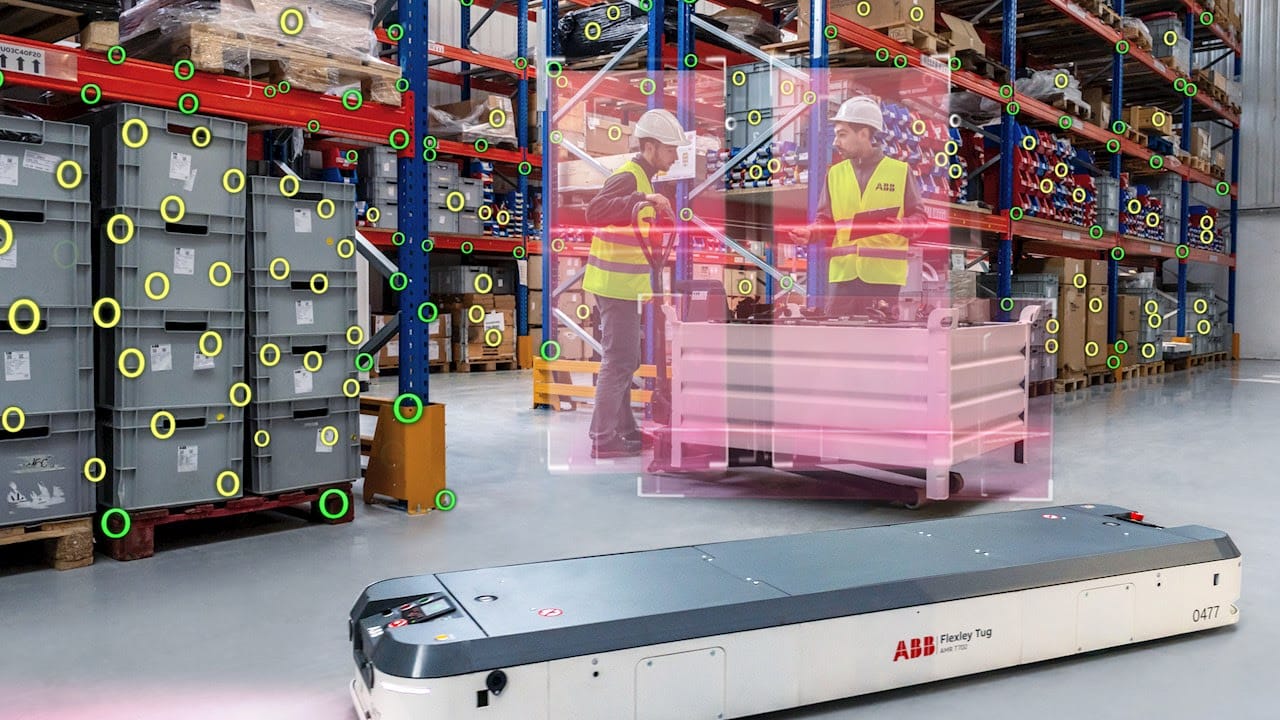
As we enter 2024, ABB, a global leader in automation and technology solutions, is exploring new horizons with the integration of robotics and Artificial Intelligence (AI). Marc Segura, the President of the company’s Robotics Division, highlights three pillars that will guide the development of AI-driven robotic solutions this year, marking ABB’s continued expansion into previously unexplored segments of robotic automation.
With the promise of redefining the future of industrial robotics, ABB’s vision for 2024 focuses on the transformative role of AI, from advanced autonomy of mobile robots and cobots to enabling innovative applications in new sectors, thus broadening opportunities for learning and professional development.
AI-Enhanced Autonomy In Robotic Applications
The accelerated evolution of AI is establishing new paradigms regarding industrial robotics. With the implementation of advanced technologies like ABB’s Visual Simultaneous Localization and Mapping (Visual SLAM), robots now exhibit unprecedented capabilities for navigation and mapping in complex environments, paving the way for significant operational efficiencies in flexible factories, warehouses, and laboratories.
-
Massive, isolated and with no crew on board, this “ghost” oil platform operates alone in the middle of the ocean and ushers in a new era in exploration.

-
Two cold waves are already scheduled to freeze Southern Brazil in the coming days, and one of them could arrive right on Mother’s Day with sub-zero temperatures.

-
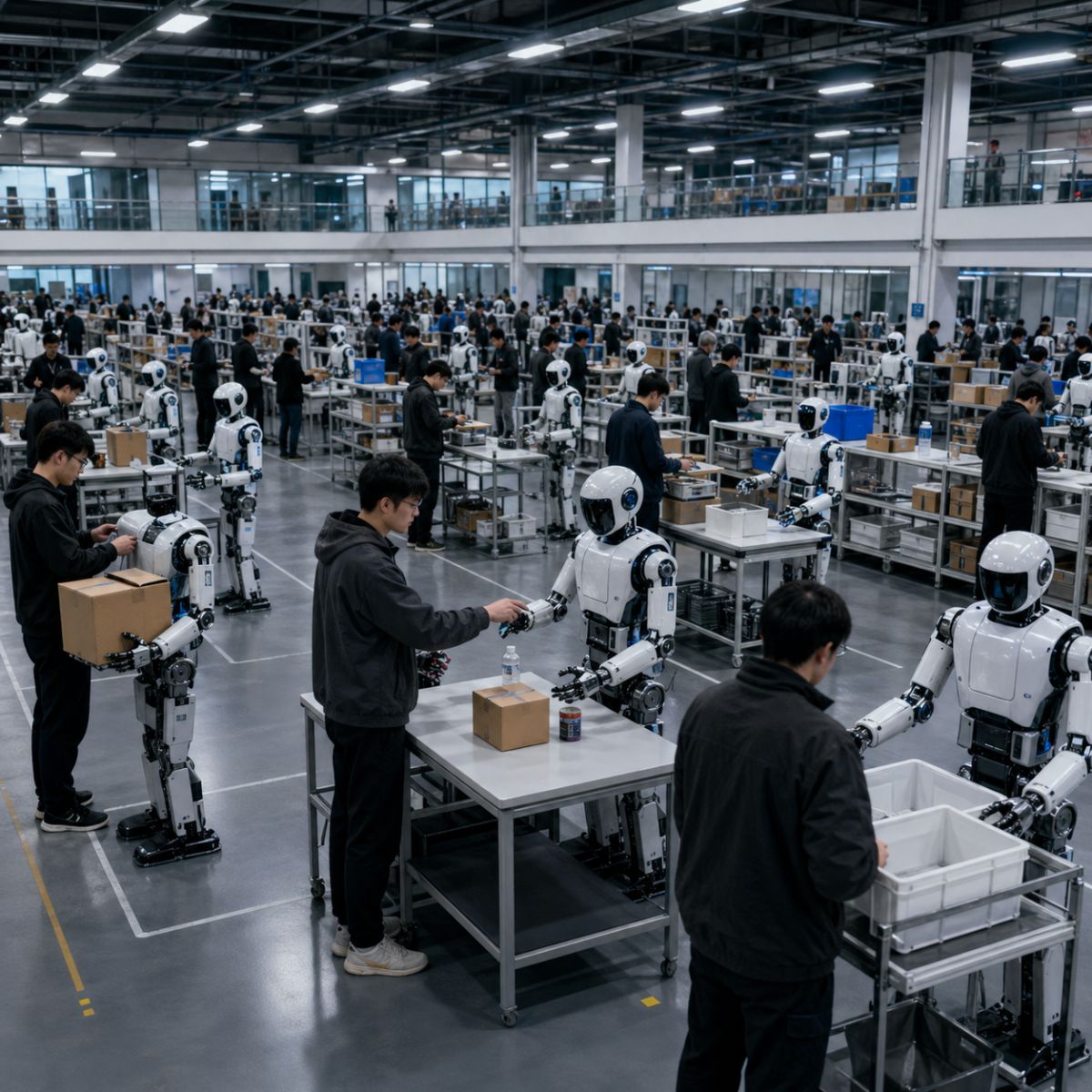
There is a building in China where 200 humans go to work every day just to teach robots to do simple things like picking up a jar or carrying a box, and the reason why this is necessary reveals something disturbing about the future that is coming.
-
China is building an aircraft engine that promises to end its dependence on foreign technology, and when you discover what type of aircraft it was made for, the true ambition behind this project becomes terrifyingly clear.




“AI-equipped mobile robots are transforming entire sectors, from discrete manufacturing to logistics and beyond,” says Segura. These advancements promise to transform static production lines into dynamic operation networks while delegating monotonous or dangerous tasks, freeing humans for more rewarding roles.
Expansion Of Robotics With AI In New Sectors
Beyond operational improvements in traditionally automated sectors, AI-enabled robotics is venturing into fields previously unexplored by automation. Areas such as healthcare, life sciences, and retail are beginning to glimpse the potential of robotics to optimize processes and enhance efficiency. In the construction sector, for instance, the introduction of collaborative robots promises to revolutionize productivity, workplace safety, and sustainable building practices.
“AI-powered robots have a transformative role in challenging sectors like construction,” explains Segura. AI enables these robots to perform critical tasks with greater accuracy and speed, contributing to more sustainable construction and reducing the need for material transportation, which aligns perfectly with modern sustainability practices.
New Opportunities For Education And Employment With Robots
Significant advancements in AI and robotics are also closing the skills gap in automation and making technology more accessible to a wider audience. AI is simplifying robot programming, making it possible to instruct machines using natural language, which opens new employment prospects and helps mitigate the shortage of skilled labor.
“The barrier of lacking necessary skills to program and support robots is being overcome,” points out Segura. “With advancements in natural language programming driven by AI, we will see a new dynamic in human interactions with robots.”
50 Years Of Innovation In ABB Robotics
This year marks the 50th anniversary of ABB’s robotic innovation, a journey that began in 1974 with the introduction of the world’s first fully electric commercial robot. Today, ABB continues to lead the way in robotic automation, helping companies of all sizes and sectors become more resilient, flexible, and efficient. With around 11,000 employees in over 100 locations worldwide, ABB Robotics & Discrete Automation offers a comprehensive portfolio that encompasses robots, autonomous mobile robots, and machine automation solutions, all designed and orchestrated by software that creates value, supporting customers in the transition to the connected and collaborative factory of the future.
Source: Carla Macedo.






Be the first to react!