Portuguese
  Spanish


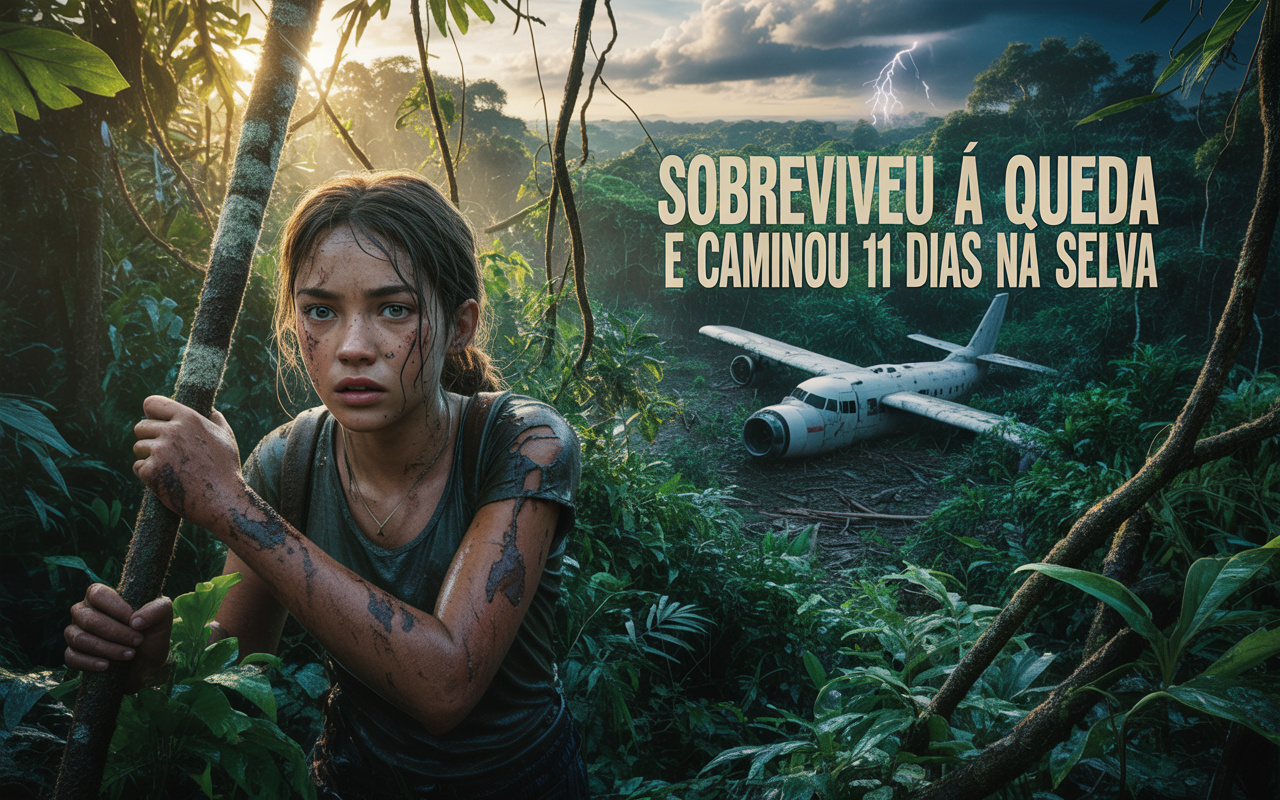


At 17 Years Old, A Teenager Fell From A Plane Struck By Lightning In The Amazon, Survived The Fall From 3,000 Meters, And Walked 11 Days Alone Until She Was Rescued.
On December 24, 1971, one of the most remarkable episodes in aviation history occurred over the Peruvian Amazon. During a severe storm, LANSA 508, a flight from Lima to Pucallpa, was struck by lightning, lost part of its fuselage in mid-air, and disintegrated at approximately 3,000 meters altitude. Of the 92 passengers and crew members, only one person survived: the teenager Juliane Koepcke, who was 17 years old at the time.
The fall — recorded in official reports and later analyzed by aviation experts, physiologists, and rescue teams — remains to this day one of the most extraordinary cases of human survival ever documented. The young girl plummeted from the sky still strapped to her seat, traversed the treetops, and fell into the heart of the Amazon rainforest. Even injured, disoriented, and alone, she walked for 11 days until finding help, demonstrating a physical and mental resilience that defies explanation.
The Accident: A Plane Split Apart Mid-Air After Direct Lightning Strike
Documents from the time, including official Peruvian reports, confirm that the lightning struck the wing root — the area where the wing connects to the fuselage — igniting a fire that quickly compromised the structure. The plane entered a stall, broke apart in the air, and several seats were released in free fall.
-
World War II American Bombs Discovered in German City Prompt Evacuation of 20,500 Residents

-
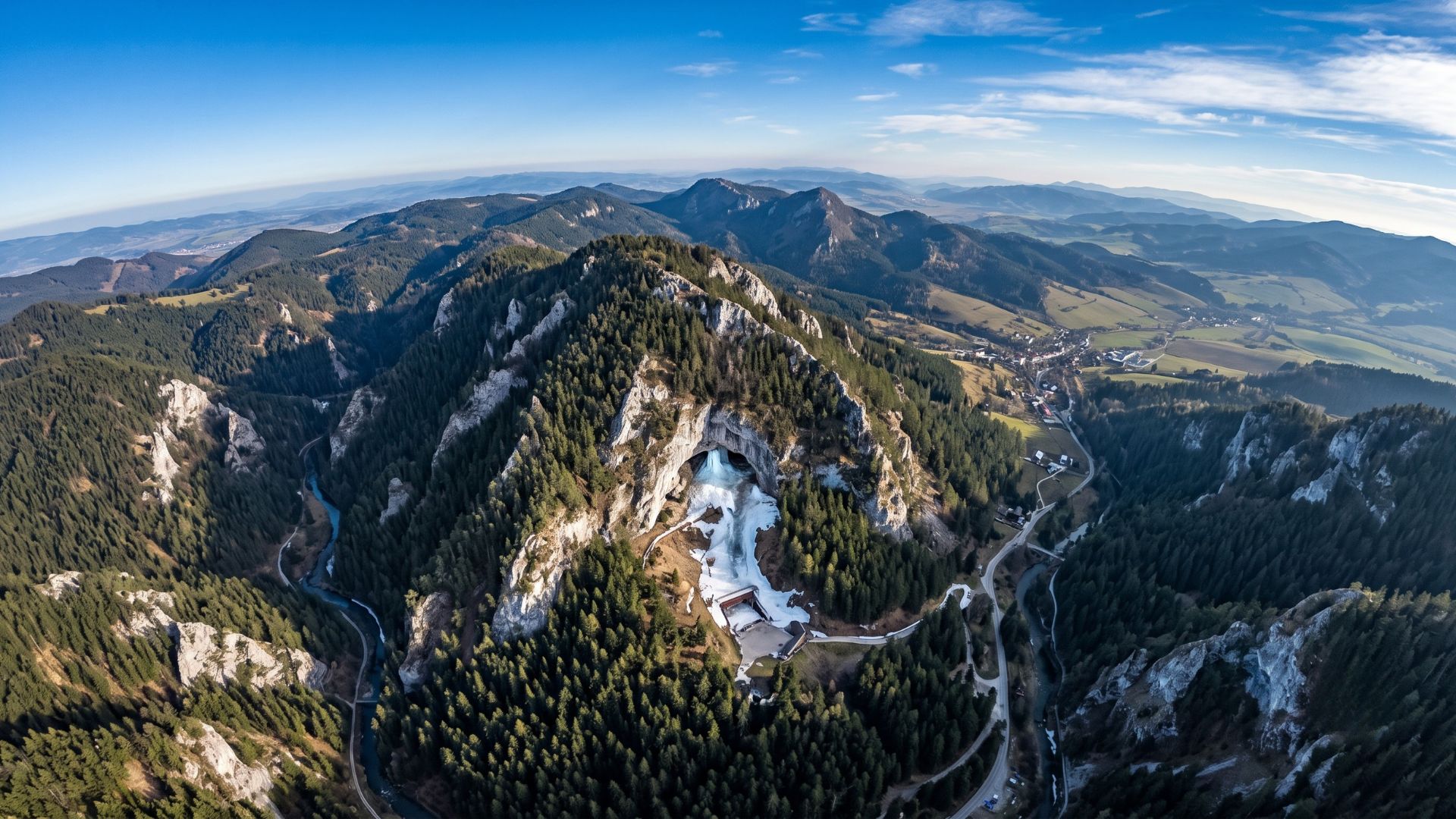
World’s Largest Ice Cave Extends 42 km Beneath Austrian Alps, Revealing a Vast Frozen Realm Preserved by Natural Air Currents

-
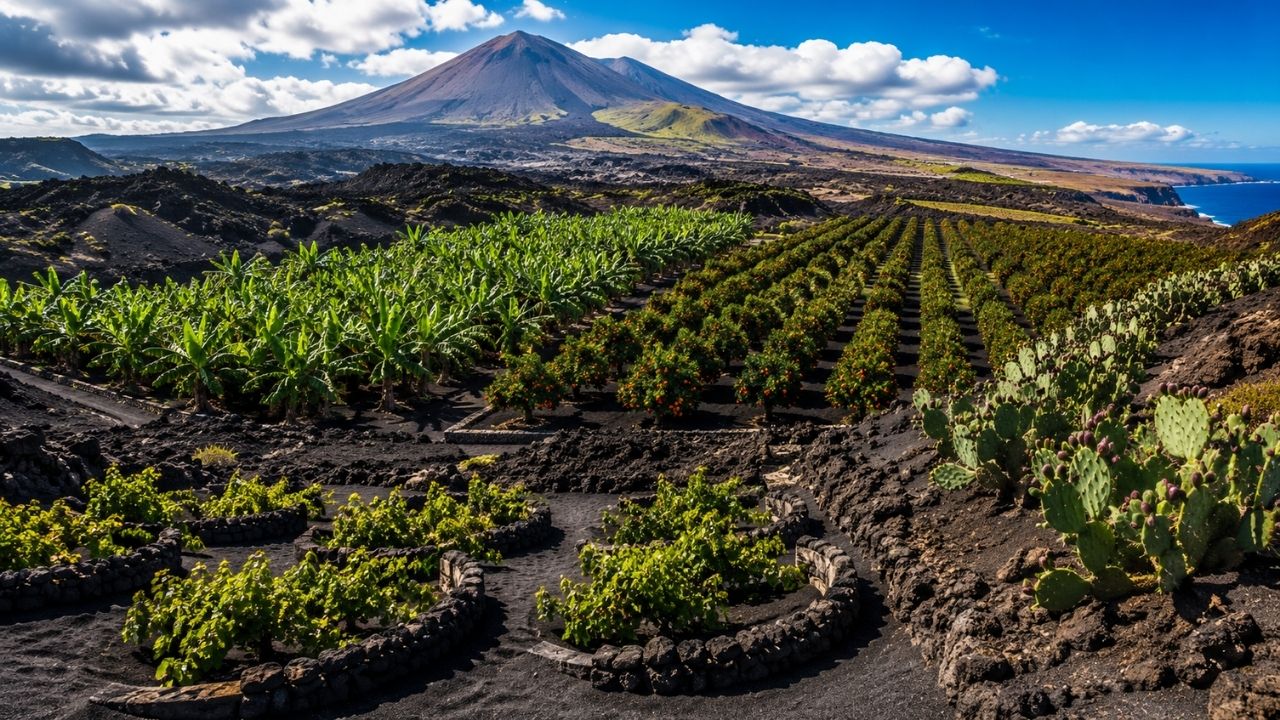
Volcanic Soils from Destructive Eruptions Turn into Million-Dollar Crops: Ashes Nourish Grapes in Lanzarote, Bananas in the Canary Islands, Blood Oranges on Mount Etna, and Cacti in Mexico, Showcasing How Lava-Formed Lands Sustain Rare Harvests in Seemingly Barren Regions
-
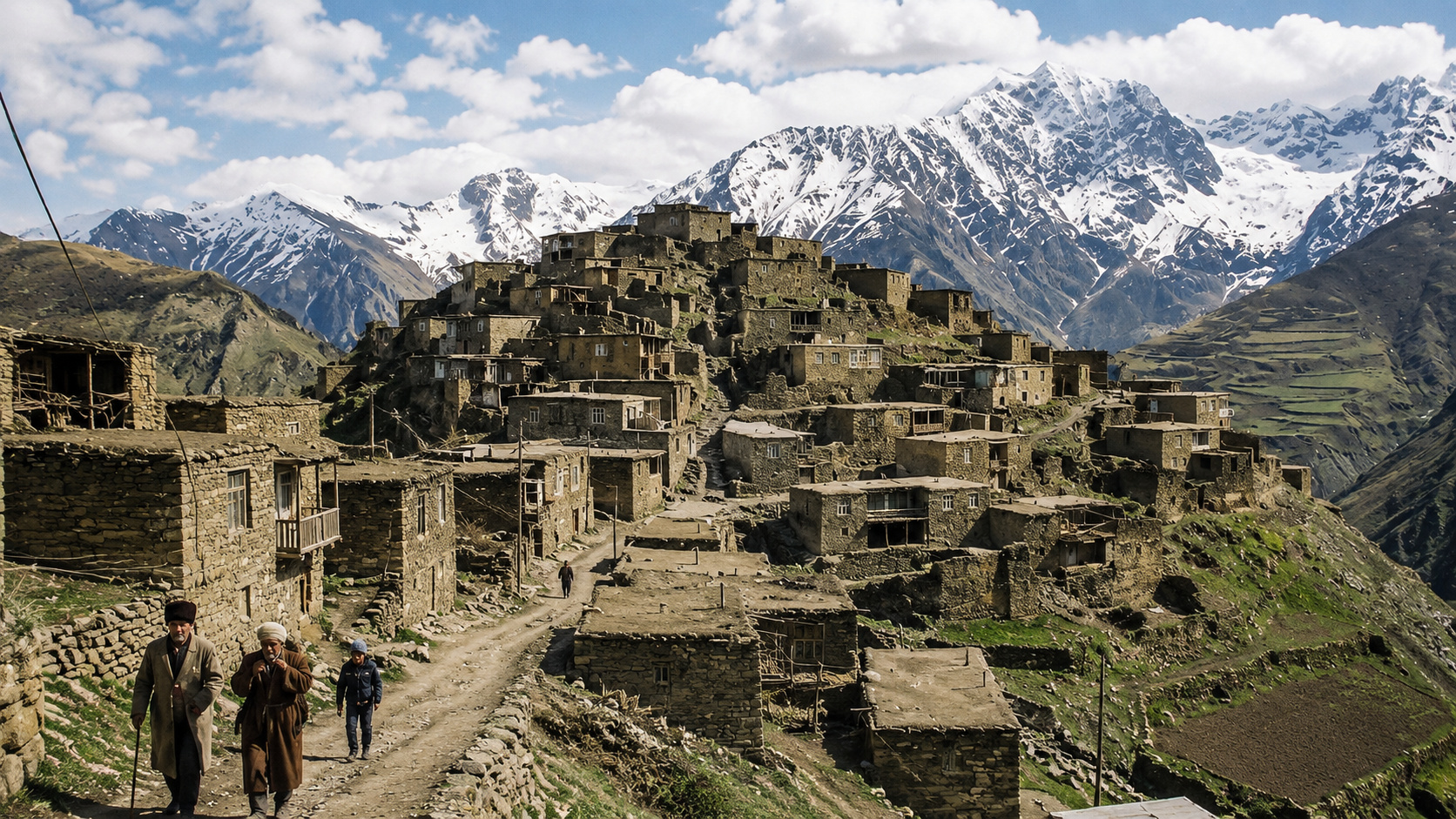
In the Caucasus Mountains, a Community Preserves a Language So Rare Few Outsiders Can Understand It


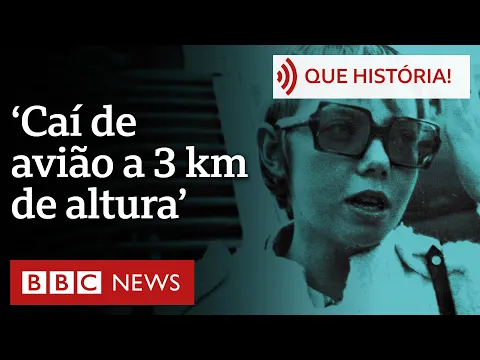

Juliane, strapped to a three-seat bench, fell spinning violently as wind and reduced pressure cushioned part of the impact. Subsequent studies suggest that:
- the seating assembly acted as an improvised aerodynamic surface;
- the dense canopy of the forest served as a “natural cushion”;
- the rotating fall distributed the impact force;
- Juliane’s young and healthy body helped absorb the kinetic energy.
Even so, she sustained serious injuries: a broken collarbone, deep cuts on her leg, bruises all over her body, and a severe concussion.
Alone In The Jungle, Injured And Without Supplies
Upon regaining consciousness the following morning, Juliane found no other survivors. The surrounding forest was completely dense, humid, hot, and infested with insects. She had only:
- a torn dress;
- one shoe;
- open wounds;
- vision partially impaired by chemical burns;
- and no food.
The only advantage was her prior knowledge of the jungle: the daughter of two German scientists studying Amazonian ecosystems, Juliane had grown up learning about rivers, trails, species, and natural dangers. This theoretical repertoire became, in practice, her most important tool.
She knew that, in the Amazon, following watercourses increases the chances of finding people. And that’s exactly what she did.
The 11-Day Walk: Hunger, Pain, And Resilience In Extreme Conditions
For eleven days, Juliane walked following streams that flowed into larger bodies of water, always trying to stay in the water to avoid insect bites. Along the way, she faced:
- severe dehydration;
- infection in her wounds;
- intense tropical heat;
- exposure to predators;
- larvae lodged under her skin;
- nights completely in the dark;
- prolonged hunger, feeding only on small fruits found occasionally.
The case is widely studied by physiologists because it demonstrates how the human body, under extreme stress, prioritizes vital functions, reduces energy consumption, and mobilizes minimal metabolic reserves to prolong life.

The Rescue: A Cabin, A Team Of Lumber Extractors, And A Story That Went Around The World
On the eleventh day of her walk, already extremely weakened, Juliane spotted an abandoned cabin used by lumberjacks in the area. There she found a bit of gasoline, which she used improvisationally to try to kill the larvae infesting her leg — knowledge learned from her father.
Some time later, three lumber extractors returned to the site and were surprised to find the teenager alive after so many days. They put her in a canoe and took her to the nearest rescue post, from where she was taken to a hospital in Pucallpa.
Juliane not only survived: she became a key figure in identifying the wreckage, guiding air teams to locate the crash site.
A Survival Studied By Experts To This Day
Researchers from European universities, as well as doctors and aerospace engineers, have analyzed the case over the past decades. They point out:
- Biomechanical Factors: The fall while strapped to the seat increased air resistance;
- Damping By The Forest: The Amazon canopy drastically reduces the final acceleration of falling bodies;
- Rare Physiological Capacity: The combination of youth, physical fitness, and low body mass increased impact tolerance;
- Prior Knowledge Of The Jungle: Without this, survival would have been unlikely during the following 11 days;
- Extreme Mental Resilience: Experts emphasize that, more than physical, this case represents a psychological milestone.
After the accident, Juliane became a biologist, following her parents’ career. The story inspired books, documentaries, academic studies, and even films. She remains alive and active, participating in discussions on Amazon conservation, air safety, and human resilience.
The case also resulted in revisions of aircraft maintenance practices and flight protocols during tropical storms in the following decades.
One Of The Greatest Survival Stories In Modern History
The fall from 3,000 meters, the impact cushioned by the forest, the serious injuries, the 11-day walk alone in the jungle, and the improbable rescue make Juliane Koepcke a global symbol of human resilience. Her story transcends borders and remains one of the most remarkable testimonies that courage, knowledge, and instinct can overcome even the most extreme conditions ever faced.