






 Portuguese
  Spanish


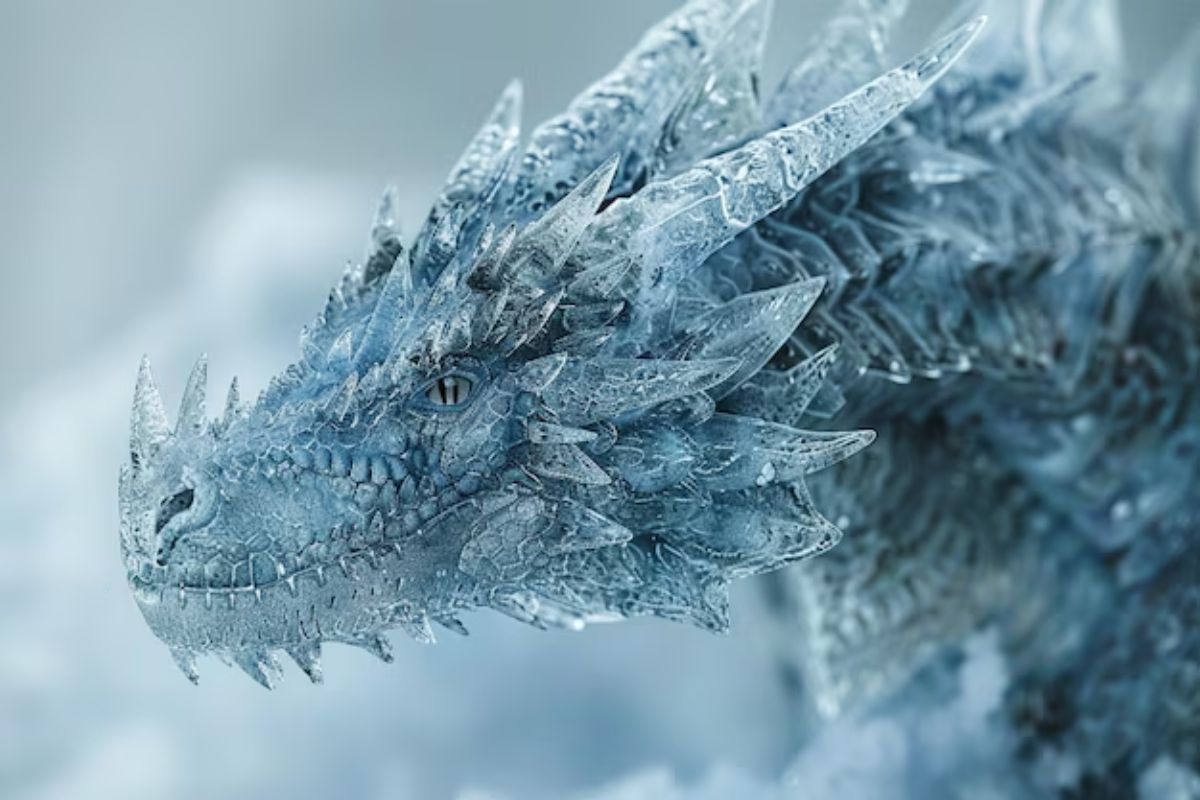


According to the channel You Knew?, the so-called “frozen dragon” discovered in Alberta was not a dragon, but rather Cryodrakon boreas, a giant pterosaur from the Cretaceous period.
The discovery of fossils in Alberta, Canada, earned the nickname “frozen dragon” and became viral on social media due to its resemblance to legendary creatures. Fragments of vertebrae, parts of the skull, and an unusually large humerus led researchers to envision a colossal animal, with wings measuring up to 10 meters in span.
According to the channel You Knew?, detailed analyses confirmed that it was not a mythical dragon, but a giant pterosaur from the Cretaceous period, named Cryodrakon boreas, a term meaning “frozen dragon of the north wind”.
Who Was the True Owner of the Fossils
The Cryodrakon boreas lived about 77 million years ago, during the Cretaceous period.
-
Son of farmers, he started at the age of 12 working in a pharmacy in the countryside of Paraná, saw his partner declare the company “bankrupt” and leave, and today he runs a supplement brand present in 83,000 pharmacies, investing R$ 67 million towards R$ 500 million.

-
From a motorcycle sold for R$ 146 million: he used to blend açaí in his home kitchen, left informal work, and now runs a network of 140 stores in 12 states.

-
He almost went bankrupt during the pandemic and drove his own delivery truck to keep the ice cream shop open, created the “ice cream wholesale” and now sells 1.3 million popsicles per month starting at R$ 1, with 32 stores and a goal of R$ 100 million.

-
A couple living in Australia missed natural baby food from Brazil, created a brand that dominates 93% of the baby food category, and now launches a cookie and chocolate drink “without being junk” to double in size and earn R$ 360 million.


The fossils were preserved in sedimentary rocks, not in ice, as the popular nickname suggested.
The bones indicate a reptile with an elongated neck, a pointed skull, sharp teeth, and wings that could rival the size of an F-16 fighter jet.
It is estimated that the animal weighed up to 200 kg, making it one of the largest flyers in history.
For comparison, the albatross — the largest flying bird alive today — reaches a maximum wingspan of 3.5 meters, only one-third the size of this pterosaur.
Where the Pterosaur Lived and Who Its Predators Were
Although they lived during the same era as dinosaurs, pterosaurs belonged to a different group of flying reptiles.
They shared the environment with other Cretaceous species but followed their own lineage.
Curiously, some fossils from this group show bite marks from prehistoric crocodiles, including on the neck.
This suggests that even giant winged creatures could fall victim to predator attacks or ambushes near rivers and lakes.
Why It Was Confused With a Dragon
The nickname “frozen dragon” arose due to the impressive appearance of the bones and the scientific name chosen.
However, as the You Knew? reminds, the scientific reality is that there was no ice at the discovery site, nor was it a mythical creature.
The resemblance to dragons in movies and series only fueled popular imagination, but the scientific confirmation reinforced the value of the discovery for paleontology.
The Impact of the Discovery on Science and Culture

The revelation that the “dragon” was, in fact, a pterosaur reinforces the importance of Canadian fossils in understanding the evolution of flying reptiles.
The species adds valuable information about the size, morphology, and environment of these animals.
At the same time, the discovery gained traction outside academic circles, inspiring comparisons with fictional dragons and showing how science and popular culture often intersect in paleontological discoveries.
The “frozen dragon of Canada” is merely a popular nickname for one of the largest pterosaurs ever identified, Cryodrakon boreas.
Science dispelled the myth, but confirmed something equally impressive: the existence of a giant flying reptile that dominated the skies of the Cretaceous.
Do you believe that prehistoric creatures like Cryodrakon boreas may have inspired legends about dragons? Share your thoughts in the comments — we want to hear your perspective on this connection between myth and science.







I thought is was a real dragon, I personally like dragons, no not the fire breathing or ice breathing part but their grace in flying and their beauty from shimmering scales to glittering wings. My favorite dragon is the ice dragon, or a calm friendly dragon that is nice to humans and their pets