Portuguese


Cassava prices rise 7% in Paraná, but excessive rain, farm costs and low-yield prospects worry growers and processors.
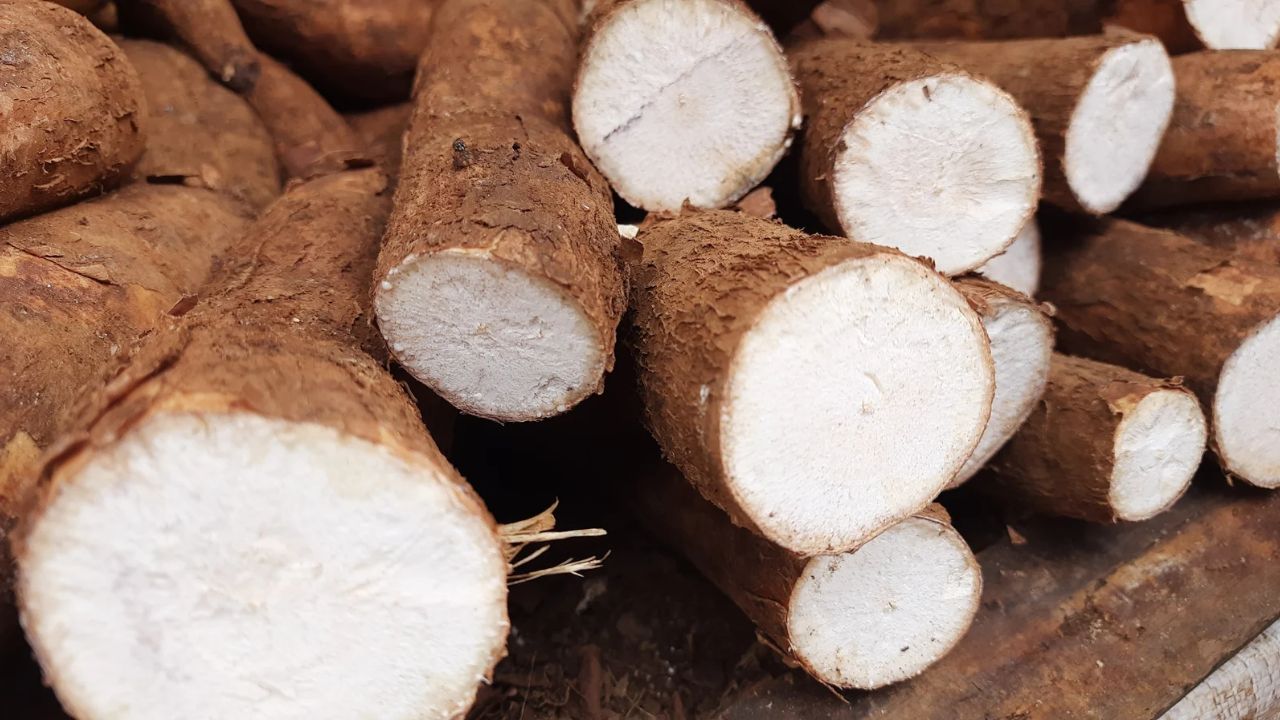
A ton of cassava rose from R$ 544.20 to R$ 582.37 in Paraná between October 2025 and the same month in 2026, according to the Department of Rural Economy (Deral). Although that represents a 7% increase, it is still not enough to restore profitability for farmers, who are facing additional expenses due to excessive rain and crop diseases. Companies that process the roots are also struggling financially, as the higher cost of raw materials has outpaced price increases for processed products.
Paraná expands cassava acreage but faces lower yields
The outlook for production in Paraná is worrying the sector, even after more land was devoted to cultivation. Lower yields meant the expansion could not offset the productivity decline, leaving the harvest estimate below last year’s result.
The Deral survey reports the following indicators for the 2026 season:
-
Ambev aims to more than triple barley production in Rio Grande do Sul to 50,000 hectares by 2030, reducing reliance on imports

-
End of the 6×1 Schedule: Agribusiness Must Adopt a 5×2 Workweek Without Sector-Specific Rules, Reducing to 42 Hours in December 2026 and 40 Hours in 2027
-
Lack of rain delays soybean planting in Mato Grosso, forces farmers to replant fields and threatens second-crop corn
-
Federal Government delivers 327 agricultural machines to 255 municipalities in Rio Grande do Sul; tractors, excavators and motor graders to restore rural roads


- Estimated production of 3.8 million metric tons;
- More than 80% of the planted area already harvested;
- Total area of 154,000 hectares;
- A 7% increase in acreage devoted to the crop compared with the previous season.
In addition to lower yields, crop health conditions have forced farms to change their work schedules. Some fields that had been pruned for harvest only in February or March 2027 are now being cleared earlier than planned to avoid losses as diseases spread.
Marlon Francis Zeferino, a field technician with the Faep System’s Technical and Managerial Assistance program (Ateg), said controlling these outbreaks can cost R$ 145 to R$ 210 per hectare for a single application combining fungicide, a biological product and a protectant. Repeating the treatment adds to farmers’ expenses.
Zeferino is also concerned about the performance of newer plantings, since roots and aboveground growth are not yet fully developed, leaving the crop more vulnerable to moisture. Expectations of lower productivity in 2027 are already raising concerns among processors about the availability of raw materials.
Price recovery runs up against farm costs and industry challenges
Retailers have begun slowing the pace at which they restock processed products made from cassava, adding to the challenges facing industrial operations. Fábio Isaias Felipe, an analyst at the Center for Advanced Studies in Applied Economics (Cepea), says this trend could limit companies’ ability to pass the cost of buying roots on to customers.
Among starch manufacturers, low inventories have limited trading activity. In the flour segment, buyers’ interest in securing supplies has helped push up negotiated prices.
Although demand for the raw material remained strong during Cepea’s most recent week of analysis, the resumption of farm work in some regions did little to improve supplies for processors. Some growers prefer to wait for better sales conditions, anticipating further price increases.
However, farms still need more substantial price adjustments to recover financially. Ágide Eduardo Meneguette, president of the Faep System, says prices would need to rise by at least 20% to offset expenses and allow investment in the business to continue.
Felipe notes that rising costs over recent harvests have left many farmers operating at a loss, despite the rebound in prices.
In the coming weeks, earlier harvesting could boost supplies to processors and curb further increases in root prices. In 2027, however, market balance will depend on weather conditions and the performance of crops still in development.