Portuguese
  Spanish


Samsung Launches 115” Micro RGB TV, Technology That Promises to Surpass OLED with More Brightness, Color, and Durability, and May Mark the End of OLED Displays.
Samsung has just stirred up the premium television sector with the launch of its new 115-inch TV featuring Micro RGB technology. The South Korean giant openly states that the goal is to challenge the hegemony of OLED, offering a level of brightness, precision, and realism that, according to the company, makes OLED displays outdated. The model debuts a backlighting system formed by micro RGB LEDs of less than 100 micrometers, allowing for individual control of each light point and elevating the visual quality standards in the market.
What Is Micro RGB Technology and Why Is It Different
Unlike OLED panels, where each pixel emits its own light, Micro RGB technology uses tiny red, green, and blue LEDs that can be individually adjusted.
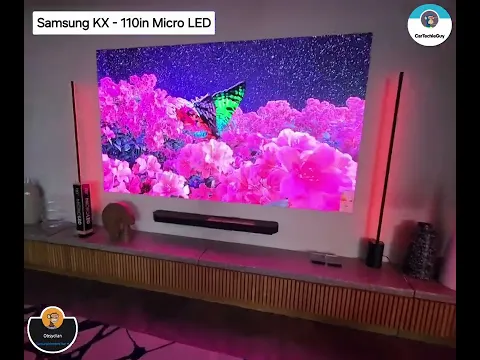

This ensures a contrast and color fidelity far superior to traditional Mini-LEDs and, according to Samsung, even to the best OLED models. Furthermore, the system promises greater durability, as it avoids common issues with organic displays, such as burn-in and brightness degradation over time.
-
Sixth-grader in Miami wins Lemelson Young Inventor Prize for creating water-absorbing concrete using discarded oyster shells and charcoal.

-
Brazilian Researchers Develop Portable, Painless, Radiation-Free Breast Cancer Tracker Using Microwaves, Costing Around $200 and Potentially Replacing $240,000 Mammograms
-
Beer as a Vaccine? Scientist Develops Experimental Method with Live Yeasts, Tests Own Brew, and Publishes Results on Zenodo

-
Brazilian Researchers Develop ‘Rapha’ Device Using Natural Latex and LED Light to Heal Diabetic Foot Ulcers and Prevent 50,000 Annual Amputations


The model also marks the debut of the Micro RGB AI Engine, a processor that analyzes and adjusts each frame in real time, optimizing color, brightness, and sharpness based on the displayed content. With this, the TV achieves 100% coverage of the BT.2020 color space, receiving the Micro RGB Precision Color certification from the German agency VDE, a global reference in image quality testing.
End of OLED Displays? Direct Comparison with Samsung’s New Technology
Samsung’s bet is bold: convincing consumers and experts that the new technology can surpass the historical advantages of OLED.
While organic panels still stand out for their virtually infinite contrast, Micro RGB combines intense brightness, deep blacks, and a wide color range with a level of sharpness that does not suffer degradation over time. This could represent the end of OLED displays as the benchmark in the ultra-premium segment, if the promised performance holds up in real-world use.
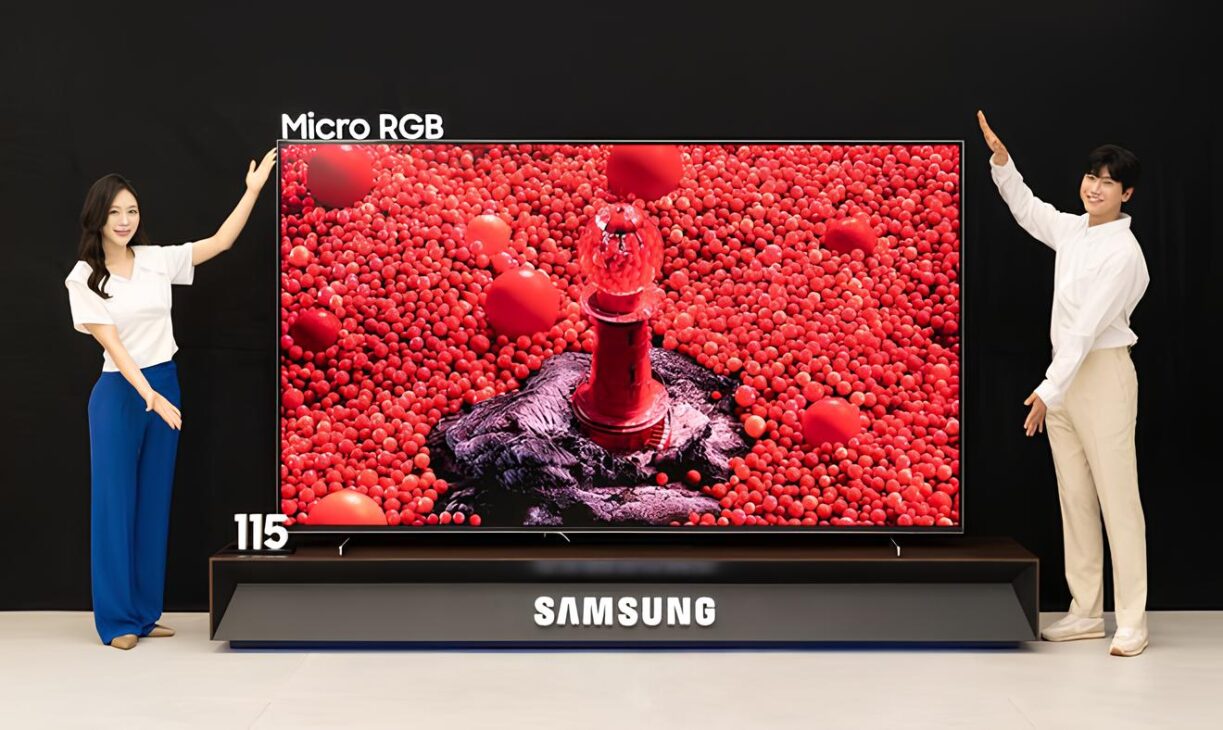
Another relevant point is that Samsung’s new technology can be produced at lower costs than current conventional microLED panels, paving the way for a more competitive market entry.
Specifications and Premium Features for Demanding Users
In addition to the innovation in backlighting, the Micro RGB TV offers a variable refresh rate of up to 144 Hz, 4K resolution, HDR10+ support, 70W speakers with Dolby Atmos, and multiple HDMI and USB ports.
Connectivity includes Wi-Fi, Bluetooth, compatibility with the Matter standard, and voice control via Bixby. The aim is to deliver not only the best image but also a complete experience for gamers, cinephiles, and users who want the latest in audiovisual technology.
Price and Availability
In South Korea, the TV is being sold for about US$ 32,000 (approximately R$ 173,000), positioning itself in the luxury segment.
According to Taeyong Son, Executive Vice President of Visual Displays at Samsung, the Micro RGB technology marks a new standard for ultra-premium televisions and reaffirms the company’s commitment to leading innovation. The brand has already confirmed that the product will be launched in the North American market, but there is no information yet on its arrival in other countries, including Brazil.
Impact on the Television Market
The launch rekindles the competition among different display technologies. While brands like LG and Sony continue to heavily invest in OLED, Samsung bets on Micro RGB as the natural evolution, promising superior quality and greater durability.
If the public and critics respond positively, it is possible that other manufacturers will start developing similar solutions, accelerating the transition to this new generation of TVs and marking, for many consumers, the end of OLED displays as the top choice in image quality.
And you, do you believe that Samsung’s new Micro RGB technology will truly leave OLED displays outdated or is there still room for evolution in OLED before its definitive retirement?