Portuguese
  Spanish


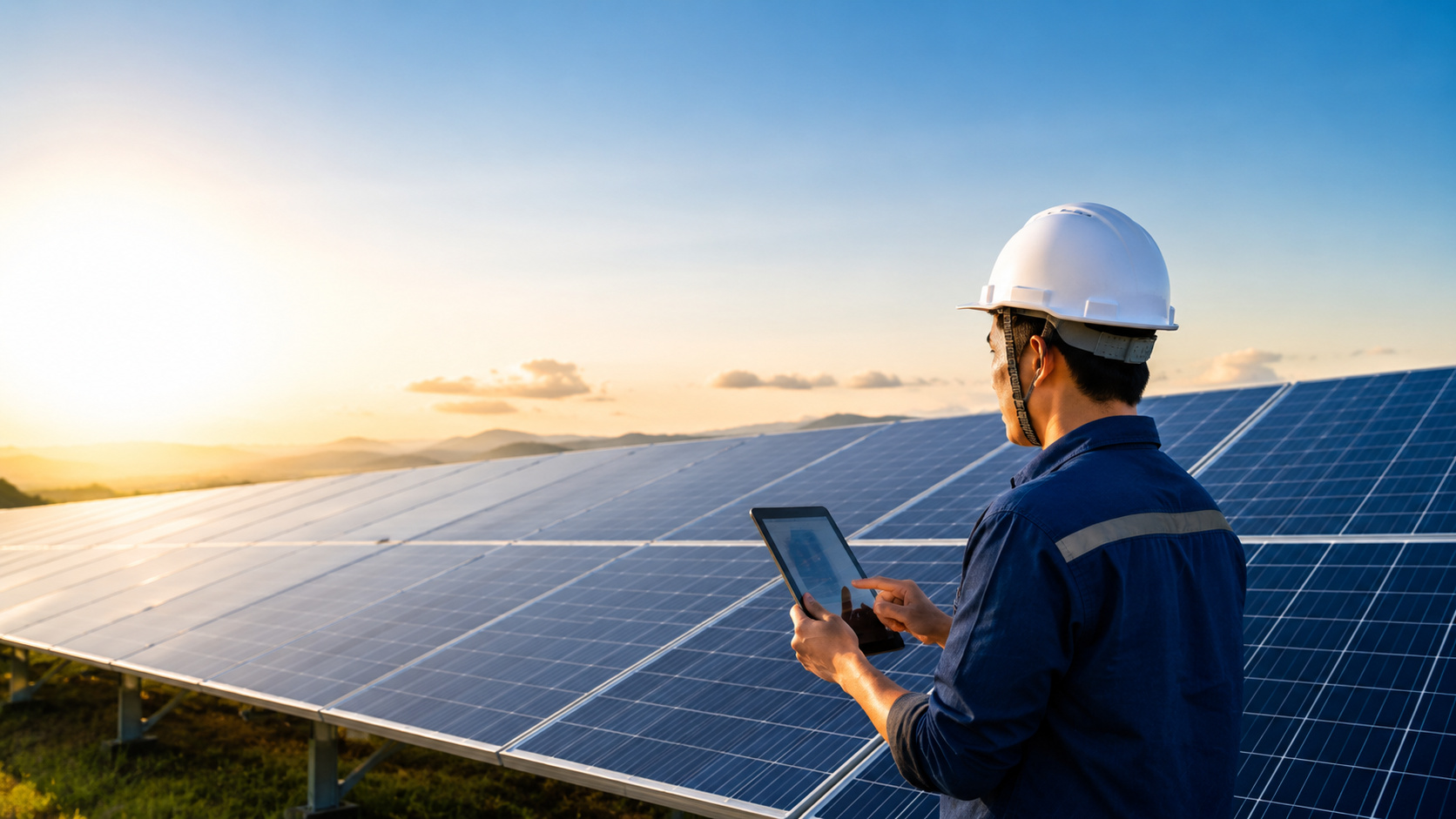

The technological transformation of the Brazilian electricity sector gained new momentum with the launch of the InovaSolar program, created by ENGIE with an investment of approximately R$ 5 million. The initiative seeks to develop solutions based on artificial intelligence and advanced technology to increase the efficiency of solar energy in Brazil.
The program selected 13 projects developed by Brazilian startups and universities focused on innovation in photovoltaic plants. Among the main objectives are optimizing energy generation, improving operational monitoring, and enhancing the performance of solar structures.
Furthermore, the initiative reinforces the advancement of digitalization in the electricity sector and highlights the strategic role of solar energy within the global energy transition.
-
Island in Brazil Innovates by Installing 184 Solar Panels on Urban Lagoon to Generate Clean Energy

-
Japanese Island of 417 Residents to Test Living Half the Year Solely on Solar Power, Reducing Dependence on Diesel Brought by Ship
-
Brazilian Fishermen Use Solar Power to Produce Nearly One Ton of Ice Daily, Preventing Fish Spoilage Before Reaching Market
-
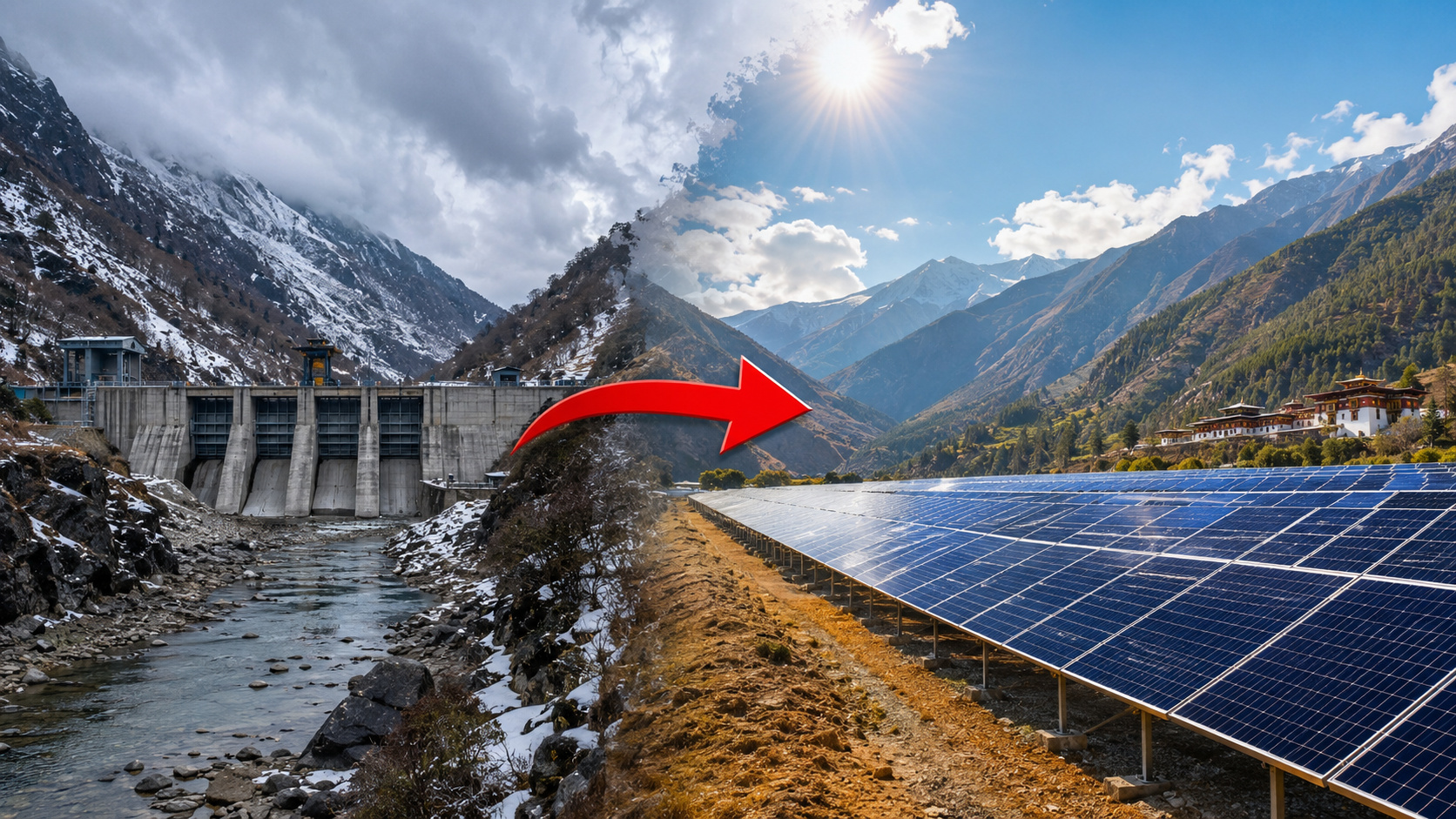
Brazil, known for its river-powered energy, installs solar plant in mountains to boost winter electricity production



What is the InovaSolar program
The InovaSolar is a program created by ENGIE to stimulate technological solutions applied to the solar energy sector.
The proposal involves integration between companies, universities, and startups specialized in energy innovation.
In addition, the project seeks to accelerate the development of technologies capable of making photovoltaic plants more efficient, intelligent, and sustainable.
According to sector specialists, initiatives of this type help strengthen the Brazilian ecosystem of renewable energy innovation.
How artificial intelligence will be used
Artificial intelligence will play a central role in the projects selected by the program.
Technological solutions include systems capable of analyzing data in real time, identifying operational failures, and optimizing the performance of solar plants.
Furthermore, advanced algorithms will be able to predict climatic oscillations, calculate energy efficiency, and reduce generation losses.
Experts state that AI is becoming a strategic tool in the modernization of the electricity sector.

The advance of solar energy in Brazil
Solar energy is among the fastest-growing renewable sources in the country.
In recent years, Brazil has seen a strong expansion of photovoltaic generation in homes, businesses, and large solar plants.
Furthermore, the reduction of technological costs has helped expand access to solar energy in different Brazilian regions.
In this scenario, investments in innovation gain importance to make the sector even more competitive.
The role of startups in the electricity sector
The ENGIE program also highlights the growth of startups focused on energy technology.
These companies are developing innovative solutions related to automation, intelligent monitoring, and energy efficiency.
In addition, many startups use artificial intelligence, the Internet of Things, and data analysis to transform operations in the electricity sector.
Experts state that the innovation environment tends to further accelerate Brazil’s energy modernization.
How technology improves photovoltaic plants
The application of technology in solar plants allows for significant gains in productivity and efficiency.
Among the benefits are:
- Real-time monitoring
- Rapid fault identification
- Reduction of energy losses
- Optimization of solar generation
- More efficient maintenance
- Climate performance prediction
Furthermore, intelligent solutions help reduce operational costs of the plants.
The impact of artificial intelligence on energy
Artificial intelligence is revolutionizing different sectors of the economy, including the energy market.
In the electricity sector, intelligent systems can process large volumes of data and make operational decisions automatically.
Furthermore, advanced algorithms allow for greater precision in energy management and better utilization of renewable sources.
In this context, specialists consider AI one of the most strategic technologies for the future of solar energy.
The growth of energy transition
ENGIE’s investment comes at a time of accelerating global energy transition.
Governments and companies are increasing investments in renewable sources to reduce carbon emissions and combat climate change.
Additionally, clean technologies have come to occupy a strategic position in global environmental policies.
In this scenario, solar energy and artificial intelligence emerge as increasingly relevant combinations for the future of the electricity sector.
ENGIE’s role in the energy market
ENGIE is one of the leading companies in the global energy sector and has a strong presence in sustainable projects.
Furthermore, the company has been increasing investments in renewable energy, technological innovation, and operational digitalization.
Experts state that large groups in the electricity sector have come to see artificial intelligence as a strategic competitive differentiator.
The InovaSolar program reinforces this trend of modernization in the energy market.


Universities also participate in the project
In addition to startups, Brazilian universities were selected to develop technological solutions for the program.
Academic participation helps bring scientific research closer to the demands of the productive sector.
Furthermore, specialists highlight that energy innovation strongly depends on the integration between companies and research centers.
In this context, collaborative projects can accelerate important technological advancements.
How solar energy became strategic
Solar energy gained global relevance due to the need to reduce dependence on fossil fuels.
Additionally, this renewable source has a lower environmental impact and enormous potential for expansion in countries with high solar incidence, such as Brazil.
In recent years, companies and consumers have started investing more in clean and sustainable generation.
Experts believe that solar energy will continue to be one of the main protagonists of the global energy transition.
The economic impact of energy innovation
Investments in technological innovation also boost the Brazilian economy.
In addition to creating specialized jobs, projects linked to renewable energy stimulate research, development, and new businesses.
In this scenario, programs like InovaSolar can strengthen the national technology sector and increase Brazil’s competitiveness in the green economy.
At the same time, more efficient solutions help reduce operational costs in the electricity sector.
The future of smart solar plants
Experts believe that future solar plants will be increasingly automated and connected.
Furthermore, artificial intelligence should enable more efficient, sustainable, and predictable operations.
Intelligent systems will be able to identify failures even before they occur, increasing energy productivity.
In this context, technology and renewable energy should become increasingly integrated.
What to expect from the sector in the coming years
The solar energy market is expected to continue growing rapidly in Brazil.
Furthermore, the pursuit of energy efficiency and sustainability tends to drive new investments in technological innovation.
Companies in the electricity sector have been expanding projects related to digitalization, automation, and artificial intelligence.
Finally, ENGIE’s R$ 5 million investment shows how technology and solar energy are becoming fundamental pillars of Brazil’s energy transformation and the construction of a more sustainable, intelligent, and efficient matrix.