






 Portuguese
  Spanish


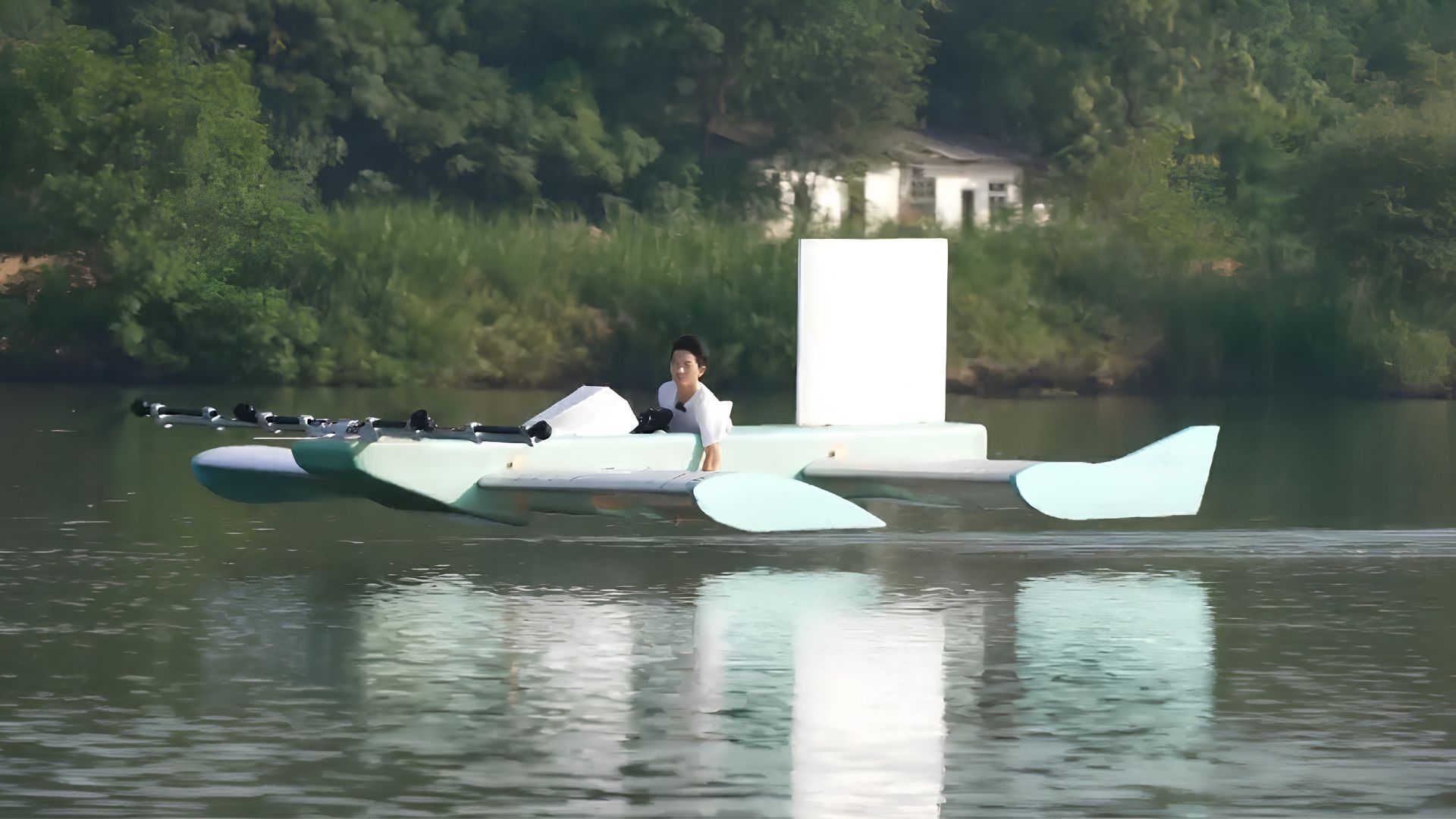


Chinese inventor creates 3.80 m mini-jet after 16 years and almost 600 prototypes, with an estimated cost of US$ 7.2 thousand.
On 04 May 2026, experimental aviation recorded an unusual milestone with the maiden flight of one of the smallest manned jets ever built. The project was led by Chinese inventor Liu Xiangqiang, developed in Jiangxi province after 16 years of continuous research and the creation of almost 600 prototypes throughout the process. The result was an aircraft just 3.80 meters long, a dimension significantly smaller than most conventional jets.
The project draws attention not only for its size but also for its cost. According to the information released, the value of materials used in the construction was approximately US$ 7.2 thousand, an extremely low figure by aviation standards, even for experimental projects. The combination of reduced scale and accessible cost places the aircraft in a rare category within aeronautical engineering, albeit with significant technical and operational limitations.
Project took 16 years and almost 600 prototypes to reach its maiden flight
The development of the mini-jet was not immediate. According to available data, the inventor spent about 16 years refining the project, testing different structural configurations, engines, and control systems.
-
New Smart Radar Begins Issuing Fines to Solo Drivers in Carpool Lanes, Uses Cameras to Count Occupants, Changing Traffic Enforcement Rules on Busy European Roads

-
Why can the crane operator only obey the correct signalman on the construction site: among dozens of workers, a hand raised by the wrong person can confuse the maneuver and turn a load of tons into an immediate risk.
-
What changes with the new public transportation rules that can reduce pressure on fares and pave the way for zero fare in Brazil?
-
Argentina confirms Belgian giant to lead strategic Paraná River waterway and promises to reduce logistical costs on one of South America’s most important routes




Throughout this period, approximately 600 experimental prototypes were built, many of them scaled down or with specific adjustments.


This volume of testing indicates an intense trial-and-error process, common in engineering projects outside major industrial centers.
Aircraft is only 3.80 meters long and drastically reduces the scale of a traditional jet
The size of the jet is one of its most impressive aspects. At 3.80 meters long, the aircraft is far below the typical dimensions of light jets, which usually exceed 6 to 8 meters.
This reduction in scale implies significant challenges. The smaller the aircraft, the greater its sensitivity to aerodynamic instability, structural vibration, and weight distribution. Designing a functional jet of this size requires fine adjustments to practically all systems.
US$ 7.2 thousand cost places the project in an unusual range in aviation
Another striking point is the cost. The construction reportedly consumed about US$ 7.2 thousand in materials, an extremely low value for any manned aircraft.
For comparison, even simple experimental projects typically cost tens or hundreds of thousands of dollars.
This figure indicates the use of alternative materials, simplified solutions, and possible reuse of components. However, it also raises questions about standardization, certification, and safety.
Mini-jet breaks previous record held by American aircraft
The project reportedly surpassed a previous record that had stood for about 25 years, belonging to a model developed in the United States.

Although the technical details of the previous model vary by source, the central point is clear: the new aircraft sets a new lower size limit for functional manned jets.
This type of record is relevant within experimental aviation, where innovation often occurs outside traditional industrial standards.
Development occurred outside major manufacturers and industrial centers
Unlike most aeronautical projects, the mini-jet was not developed by a large company. It emerged from an independent inventor, working outside the major industrial hubs of aviation.
This reinforces a trend observed in experimental projects, where individual initiatives can explore ideas outside traditional commercial and regulatory restrictions.
Project falls into the experimental aviation category
Given its characteristics, the mini jet fits into the experimental aviation segment. This type of project typically focuses on innovation, concept testing, and technical exploration, not necessarily commercial application.
The certification and operational use of these aircraft depend on specific regulations, which vary from country to country.
Even with limitations, the project is relevant. It demonstrates that it’s possible to explore scale and cost limits outside the traditional standards of the aeronautical industry.
Experimental engineering often advances precisely at these extremes, testing what is viable under unconventional conditions.
Light and experimental aviation remains an open field for innovation
Projects like this indicate that light aviation still offers room for innovation. Even in a highly regulated sector dominated by large manufacturers, independent initiatives continue to emerge.
These projects do not replace commercial aviation but expand the technical understanding of what can be built.
Now the direct question remains: if a manned jet can be built with less than 4 meters and a few thousand dollars, to what extent can miniaturization advance without compromising safety and performance within modern aviation?









A very poorly written article with no information on the technical aspects of how it is powered or achieves flight. Reading this wasted my time.
But, there are many jet propelled back-pack type machines flying humans, with dimensions of the equipment just in Inches!
Is this a ground effect vehicle ?
External propellers powered by what? Chain drive to a single C50 Suzuki motor? That’s why it only flies 6 feet off the ground. But, where’s the. JET they mentioned?