Portuguese
 Spanish


XCMG prepares to build electric trucks in Pouso Alegre with a R$270 million investment, trial assembly and new heavy-duty models.
XCMG’s factory in Pouso Alegre, in southern Minas Gerais, has begun receiving disassembled electric trucks to test a new production line. The first vehicles are being prepared with imported components, while the engineering team organizes the installation of axles and other assemblies. The Chinese manufacturer plans to turn this operation into a production line using about 30% locally made components by 2028, expanding its presence in Brazil’s heavy-duty transportation market.
A report published by O TEMPO on November 11, 2026, said XCMG plans to begin regular assembly of electric trucks using the CKD system in 2027. In the next phase, it plans to increase the share of parts made in Brazil. Executive Hilário Matzenbacher confirmed the information during Fenatran 2026, held in São Paulo. The industrial expansion is also tied to a previously announced R$270 million investment in the Minas Gerais facility.
XCMG turns Pouso Alegre factory into electric-truck production center
XCMG’s Pouso Alegre facility already manufactures machinery used in construction, mining and other industrial activities. The company is now preparing to install a production line for electric trucks.
-
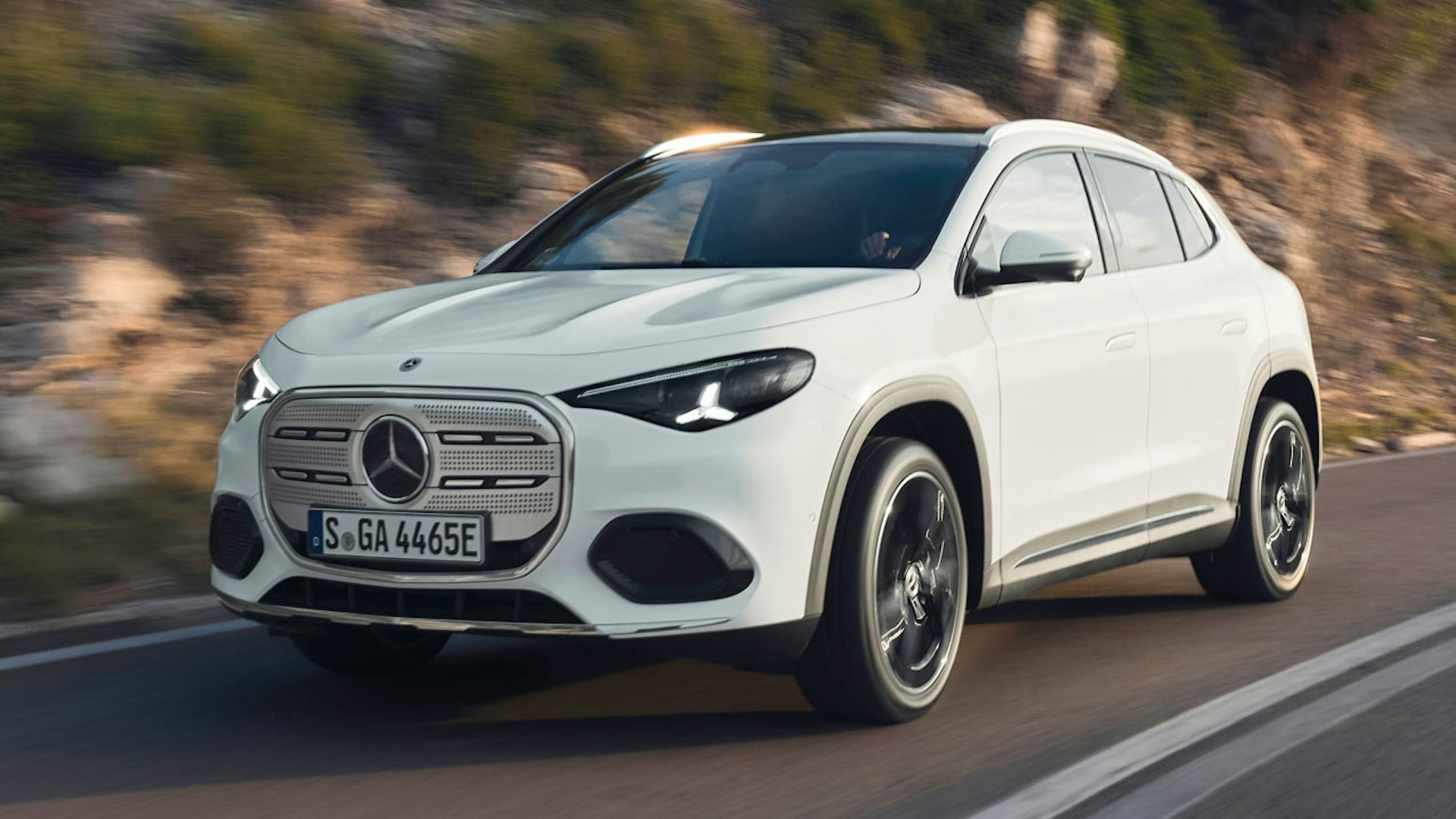
EV buyers waiting for the new electric Mercedes GLA get up to 408 miles of WLTP range from an 85-kWh battery and a 10-80% charge in 22 minutes, as the first test drives near Barcelona favor the 268-hp single-motor version

-
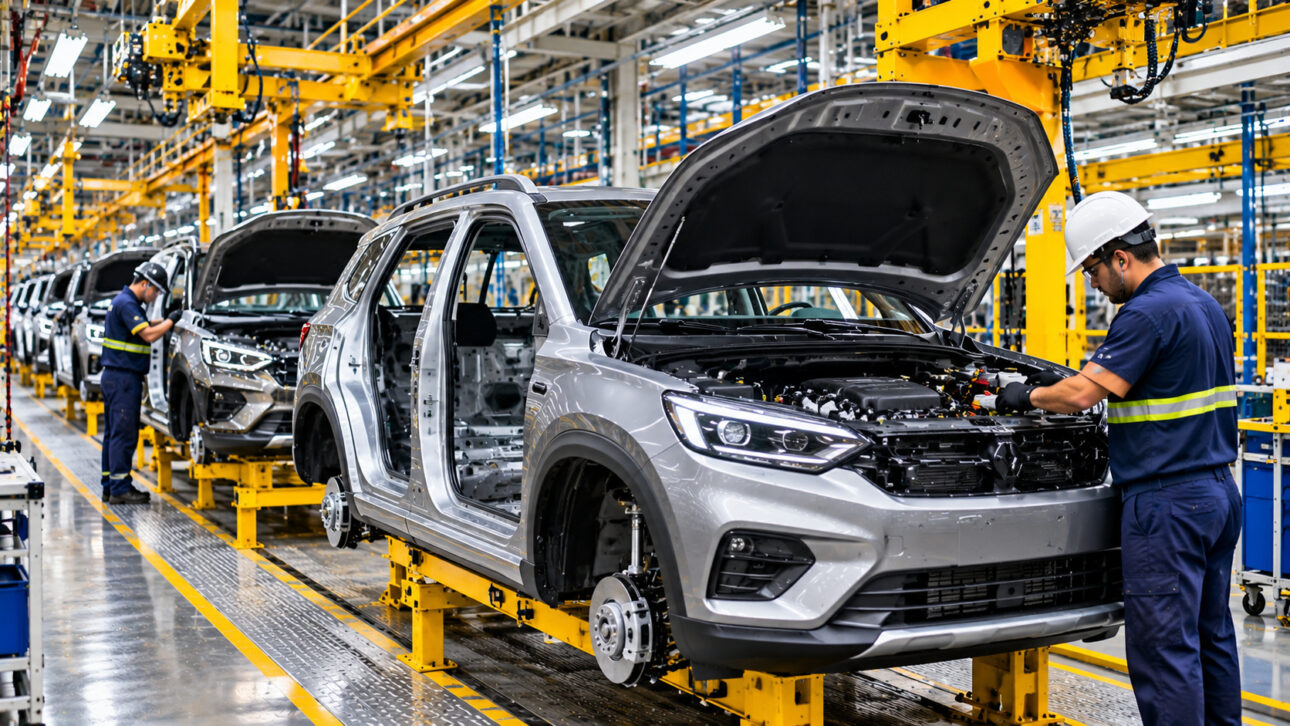
Renault Halves New-Car Development Time with Chinese Engineering and Boosts Hybrid Production in Brazil with R$5.8 Billion Investment

-
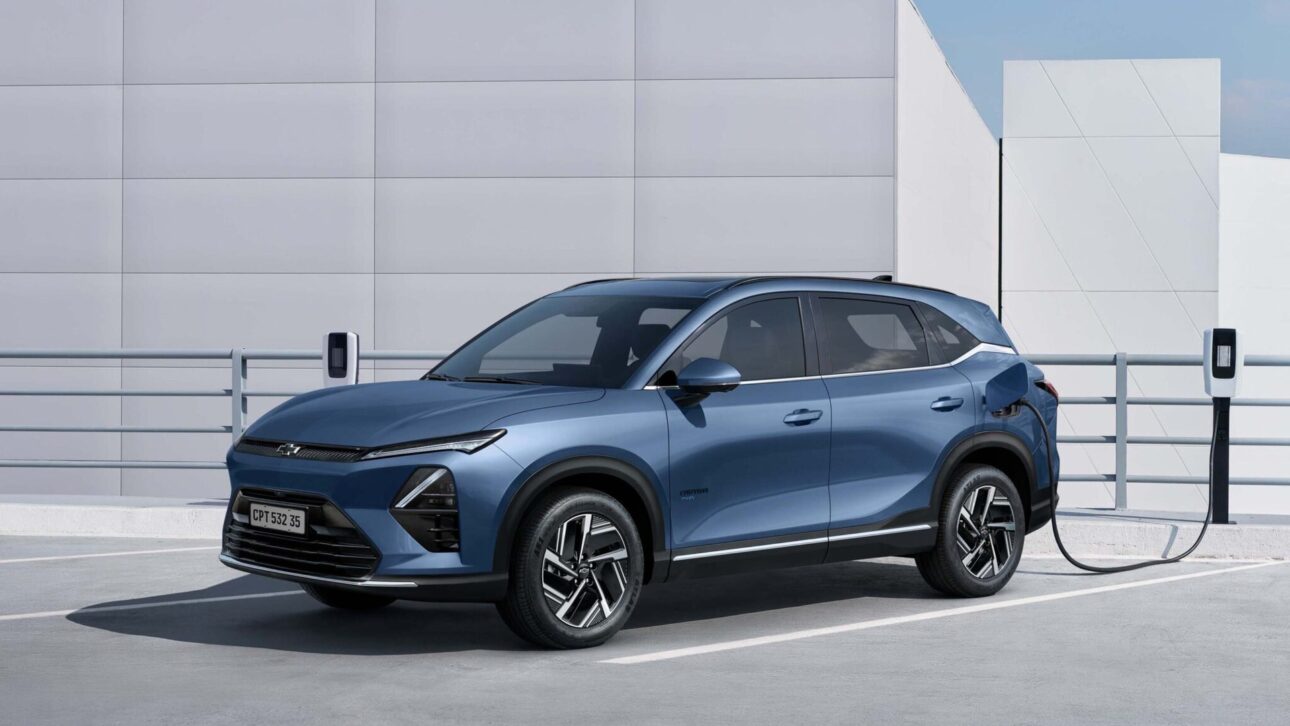
For buyers seeking a R$200,000 hybrid SUV, the Chevrolet Captiva PHEV offers 60 km of electric driving, up to 1,069 km of combined range, 227 hp and a 532-liter trunk for R$199,990, with assembly in Ceará
-
Mercedes-Benz launches seven-seat GLB 250+ electric SUV in Brazil with 427 km range, 272 hp, and ultra-fast charging up to 320 kW


The factory has been operating since 2014 and covers about 1 million square meters. The complex includes industrial buildings, assembly facilities and installations for equipment development.

The new operation will make use of part of this infrastructure. The goal is to move from assembling trucks shipped in parts to production that uses Brazilian suppliers.
Trial assembly of heavy-duty trucks has begun in Minas Gerais
The first work began in 2026, using component kits shipped from China. The model selected for testing is the XCMG E7 80T, an electric tractor truck with 6×4 drive.
This type of truck is used to pull semitrailers and haul heavy loads. The 6×4 configuration indicates that the vehicle has six wheel positions across its axles, four of which are powered by the motor.
Trial assembly makes it possible to check equipment, procedures and the needs of the production line. Workers are also assessing how to install the components to suit conditions at the factory.
Production in 2027 will initially use imported parts
The first phase will use the CKD system, an acronym for completely knocked down, or fully disassembled, kits of parts.
Under this model, components manufactured abroad are shipped to the Brazilian facility. The factory receives the kits and carries out final vehicle assembly.
XCMG plans to use this phase to organize its industrial processes and prepare its employees. The work will also help identify which parts could be sourced from suppliers based in Brazil.
The forecast presented in November calls for regular assembly to begin in 2027. Localization will take place gradually, depending on industrial capacity and component availability.
Trucks could reach 30% local content by 2028
The company’s goal is to reach about 30% local content in 2028. That means increasing the share of parts and processes carried out in Brazil.
Components under consideration include powertrain systems, electric motors, axles and equipment used to assemble the trucks.
Hilário Matzenbacher said the company is already monitoring suppliers capable of meeting the technical requirements of its electric models. One example cited was Bosch, which has industrial operations in Brazil.
Actual use of these suppliers will still depend on commercial agreements and technical requirements. XCMG intends to increase the localization rate in the years ahead.
R$270 million investment expands industrial complex in southern Minas Gerais
In November 2023, XCMG announced a R$270 million investment to expand its facilities in Pouso Alegre.
The project calls for new industrial buildings, expanded offices, installation of an electric-vehicle charging station and preparation of the factory for electric vehicles.
The announced investment included plans for 150 permanent direct jobs and 315 temporary jobs, according to the Minas Gerais state government. Those figures are part of the expansion project presented in 2023.
The company also invested in research and development infrastructure. The goal is to expand its ability to develop and adapt machinery and vehicles to the needs of the Brazilian market. Agência Minas
New 720-hp electric truck unveiled at Fenatran 2026
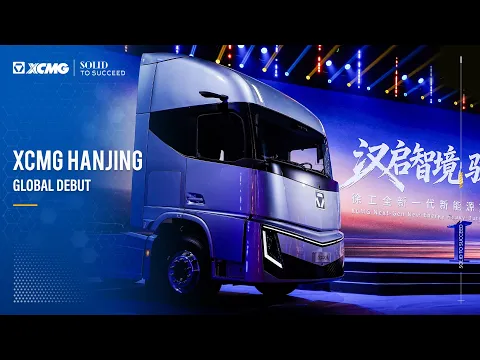
As it prepares to begin domestic production, XCMG unveiled the Hanjing electric tractor truck at Fenatran 2026.
The vehicle has two electric motors with a combined maximum output of 720 metric horsepower. The configuration on display has 4×2 drive and a stated gross vehicle weight of 42 metric tons.
The truck features a reinforced cab, air suspension and disc brakes. The company developed the model for highway freight operations requiring high tractive capacity.
Preorders opened during the trade show, with an estimated launch price of R$1.6 million. This is not the final price for every truck to be assembled in Minas Gerais.
460-kilometer range expands freight transport possibilities
The Hanjing was presented with a claimed range of up to 460 kilometers per charge. Range depends on operating conditions, payload and route characteristics.
The manufacturer also described two charging systems. With CCS2 connectors, the battery can charge from 20% to 80% in about 40 minutes.
When equipped with the MCS system, designed for high-power charging, the estimated charging time drops to 19 minutes under the conditions disclosed by the company.
These results require compatible chargers. The availability of charging stations for heavy-duty trucks remains one of the main challenges to expanding electric transportation in Brazil. AutoData
Brazilian trucking company buys 251 electric trucks from XCMG
The company’s expansion also comes as it secures larger commercial contracts. In September 2026, XCMG confirmed the sale of 251 E7 95T electric trucks to trucking company Navarini in a deal valued at approximately R$500 million.
The vehicles were purchased for freight transportation. The operation requires planning for charging, maintenance and technical support along the routes used.
The company said the trucks would arrive at the Port of Vitória in Brazil’s Espírito Santo state before being prepared and delivered.
The contract includes imported vehicles and does not mean that all 251 units have already been built in Pouso Alegre.
Distribution center in Espírito Santo bolsters Brazilian operations
In September 2026, XCMG officially opened a distribution center in Espírito Santo with approximately 200,000 square meters of floor space.
The facility receives imported equipment, inspects it, and prepares machinery and trucks before delivery to buyers.
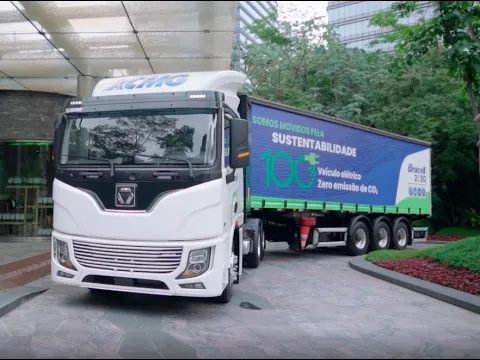
The site also stocks parts and components for technical support. The facility will help support the brand’s expansion in the commercial vehicle market.
At the same time, the company is expanding its dealership and technical service network. The goal is to serve trucking companies that need to keep their vehicles running during daily operations.
Mining and construction remain among the manufacturer’s main markets
XCMG already has experience supplying machinery for mining, construction and other industrial activities in Brazil.
Its catalog includes excavators, loaders, cranes and trucks used in off-highway operations. These vehicles operate in conditions different from those found on highways.
The manufacturer aims to increase the share of electric trucks in freight transportation while continuing to offer industrial equipment.
Company representatives expect to sell approximately 650 electric vehicles in Brazil in 2026, including highway trucks and off-highway vehicles.
Domestic production will depend on demand and charging infrastructure
XCMG’s timeline sets out two main stages: assembly using imported kits in 2027, followed by manufacturing with about 30% local content in 2028.
The company will still need to increase its sourcing of Brazilian parts and adapt its industrial processes to the different trucks in its catalog.
Another factor will be the infrastructure needed to transport heavy loads electrically. Heavy-duty trucks require high-capacity batteries and charging stations suited to their routes.
The factory in Minas Gerais has begun initial testing, while the company sells imported models and develops its service network.