Portuguese
 Spanish


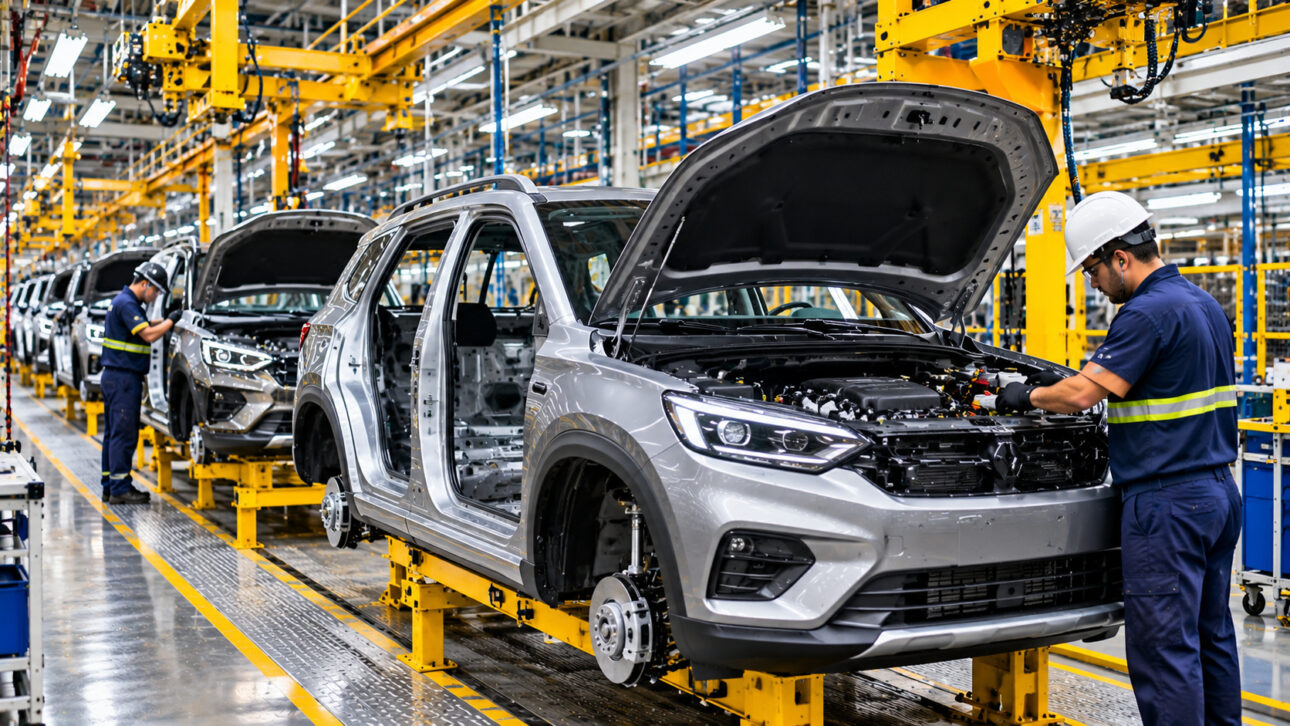

Renault adopts Chinese methods to develop vehicles in two years and prepares flex-fuel hybrid engines and new models in Paraná.
The new electric Renault Twingo crossed three countries before reaching the assembly line. The project began in France, involved engineers in China and was completed at the plant in Novo Mesto, Slovenia. The entire development process took just 100 weeks, about half the time normally required to create an electric vehicle for the brand. Now, the French automaker wants to apply that pace to upcoming launches, including in Brazil, where it has an industrial partnership with China’s Geely.
On Tuesday, November 24, 2026, Renault was reported to have begun using engineering methods adopted by Chinese automakers to speed up projects and cut costs. The shift has already reached São José dos Pinhais, in Paraná, where the company is developing a flex-fuel hybrid system in just 18 months. The strategy is part of an investment program totaling R$5.8 billion through 2027, carried out in partnership with Geely.
Renault develops new electric car in half the time
Renault used the new electric Twingo as the first major test of its accelerated development strategy. The project was completed in about 21 months, less time than the automaker had previously taken to develop similar vehicles.
-
For buyers seeking a R$200,000 hybrid SUV, the Chevrolet Captiva PHEV offers 60 km of electric driving, up to 1,069 km of combined range, 227 hp and a 532-liter trunk for R$199,990, with assembly in Ceará

-
Mercedes-Benz launches seven-seat GLB 250+ electric SUV in Brazil with 427 km range, 272 hp, and ultra-fast charging up to 320 kW

-
Chevrolet launches 227-hp hybrid SUV in Brazil with 1,069-km range, 0-to-100 km/h acceleration in 8.3 seconds and a price of R$199,990

-
For Fiat Strada owners and buyers, the Betim-built pickup tops 150,000 sales in Brazil before December 1, as Fiat cuts the Freedom double-cab price to R$108,690 during Black Month
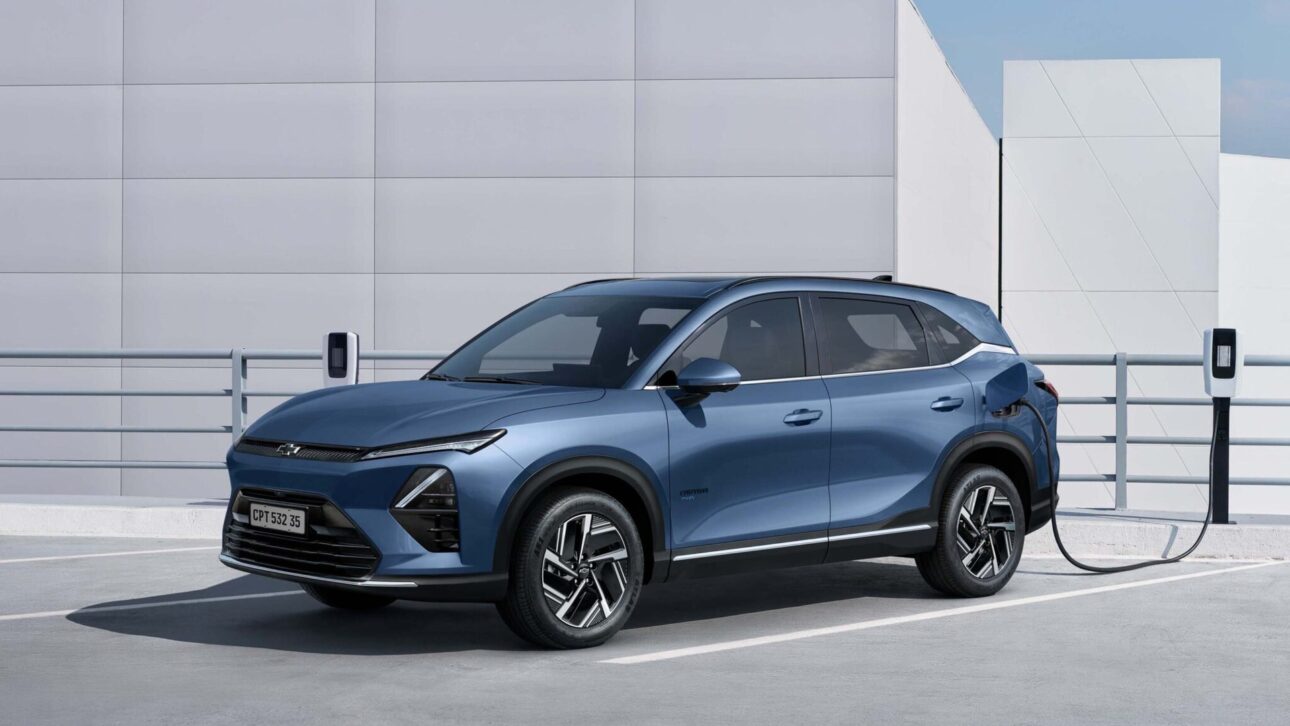


To achieve this, the automaker reorganized its engineering teams. Some of the work was done in France, while Chinese specialists contributed technologies, suppliers and development methods.
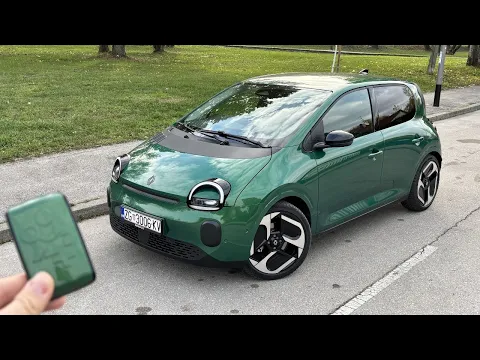

The result was a process with fewer repeated steps and faster decision-making. The experience served as a model for a change the company plans to apply to other projects.
Engineering center in China helps speed up launches
The shift gathered pace with the creation of the Advanced China Development Center (ACDC), a development center Renault opened in Shanghai in 2024.
The center brings French engineers closer to suppliers and technologies available in China’s automotive industry. The goal is to reduce the time between defining a project and preparing it for production.
China has manufacturers of batteries, electric motors, electronic systems and components used in a range of models. This infrastructure allows automakers to work with solutions that are already available instead of developing every part from scratch.
Renault also uses international teams to distribute work and speed up decision-making.
Automaker sets two-year deadline for developing new vehicles
In March 2026, Renault unveiled its futuREady strategic plan, which sets a new pace for vehicle development.
The automaker aims to make a two-year development cycle the standard for its upcoming projects. The goal was reaffirmed in July by the group’s global CEO, François Provost.
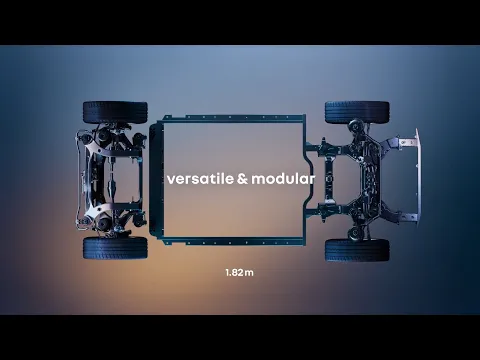
The plan also calls for cutting the initial investment required for certain new projects by up to 40% compared with the previous generation.
The savings would come mainly from engineering, development and industrial preparation costs. They do not mean that all vehicles will be 40% cheaper for consumers.
The new timelines also do not guarantee that every model can be developed in exactly two years. Projects with different characteristics require specific assessments.
Artificial intelligence and simulations replace some prototypes
One change involves using digital tools before building the first test vehicles.
Engineers create virtual models of parts, engines and bodywork. These models let them assess how certain systems work without having to immediately build a physical prototype.
Artificial intelligence also helps analyze information and identify problems during development.
According to Ariel Montenegro, president of Renault Geely do Brasil, these tools reduce the number of repeated tests. However, validation under real-world conditions remains necessary.
Geely partnership brings new strategy to Brazil
Renault is already applying some of this transformation in the Brazilian market. In November 2025, the French automaker formalized a partnership with China’s Geely.
Under the agreement, Geely acquired a 26.4% stake in Renault do Brasil, while the French group remained the majority shareholder.
The partnership allows the companies to share industrial facilities and develop vehicles with different propulsion technologies.
The companies also work together in other markets and maintain international cooperation on engine manufacturing.
In Brazil, the operation is focused in part at the Ayrton Senna Industrial Complex in São José dos Pinhais.
R$5.8 billion in investment expands production in Paraná
In September 2026, Renault Geely announced an additional investment of R$2 billion to expand its industrial operations in Brazil.
The new investment was added to the R$3.8 billion announced earlier, bringing the planned total for 2025 to 2027 to R$5.8 billion.
The funds will be used to develop vehicles, prepare assembly lines and produce electrified propulsion technologies.
The Ayrton Senna Complex has two factories and about 5,000 employees, according to information provided by the companies.
The modernization will allow Renault and Geely vehicles to be manufactured at the same facility, using equipment adapted to different production needs.
Renault develops flex-fuel hybrid system in just 18 months
The Brazilian project that best illustrates the new development pace is a flex-fuel hybrid powertrain that can combine an electric motor with one that runs on gasoline or ethanol.
Ariel Montenegro said the full development of this technology will take just 18 months. The work is being carried out in São José dos Pinhais and involves preparing components for vehicles intended for the Brazilian market.
The timeline covers development of the powertrain, not the creation of an entire vehicle.
The technology is expected to be used in future electrified versions of the Boreal SUV and Niagara pickup in 2027.
BNDES approves R$181.8 million to develop hybrid technology
The project has also received financial backing from the Brazilian Development Bank (BNDES). On October 14, 2026, the bank announced approval of R$181.8 million in financing for Renault Geely do Brasil to develop hybrid technology.
The funds will go toward research, development and innovation activities related to electrified powertrains.
The financing is a credit facility approved by the bank. It should not be confused with a grant or automatically added to the R$5.8 billion industrial investment.
The initiative will help advance the development of systems suited to the Brazilian market, where ethanol plays an important role in vehicle fueling.
Brazilian plant has already begun producing Geely hybrid model
While engineers work on upcoming launches, the plant in Paraná has already begun producing vehicles for its Chinese partner.
In September 2026, Renault Geely announced the start of production of the Geely EX5 EM-i, a plug-in hybrid made at the Ayrton Senna Complex.
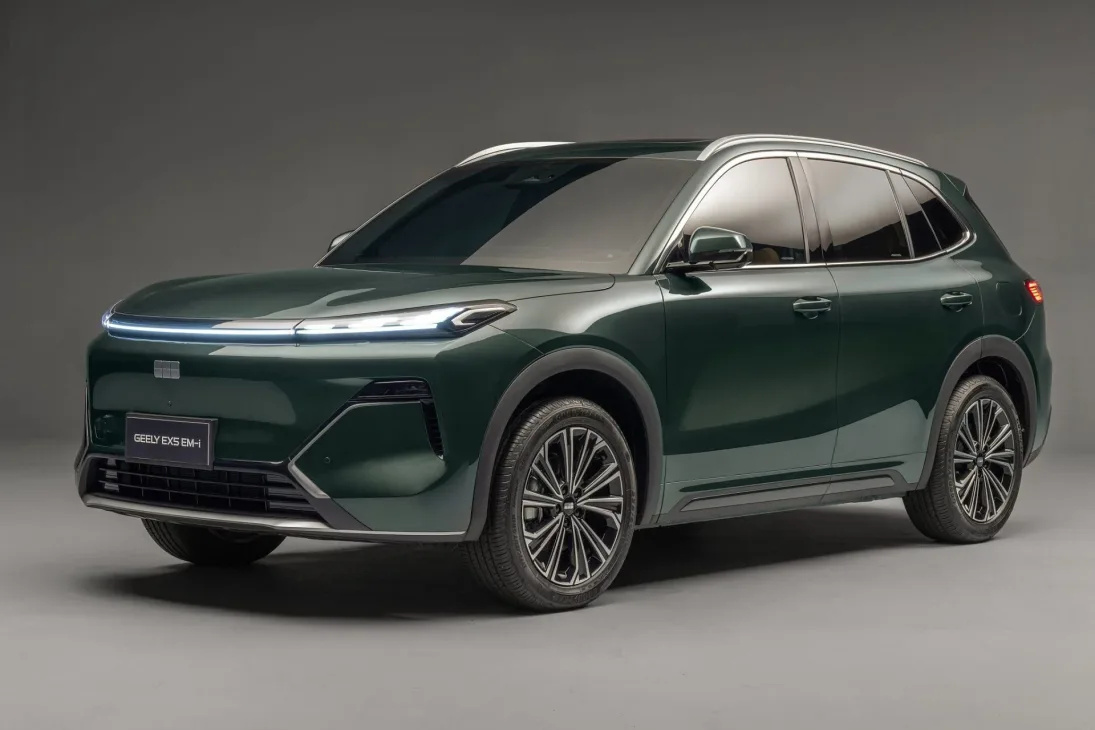
It was the first Geely model built in the Americas. To accommodate the project, the plant underwent upgrades to its equipment and industrial processes.
The factory is also equipped to use the GEA architecture, developed by Geely for electrified vehicles. Another confirmed model is the all-electric Geely EX2, which is scheduled to begin Brazilian production in December 2026.
Faster development puts greater pressure on vehicle quality
The strategy of shortening development timelines also presents challenges. A vehicle must withstand different temperatures, driving conditions and usage scenarios over many years.
When development moves faster, the manufacturer has less time to identify potential failures and make corrections.
In August 2026, Chinese authorities announced a nationwide inspection focused on vehicle quality and durability. The areas under review include testing periods and the validation of new technologies.
The move highlights concerns about balancing faster launches with product safety. Renault plans to address the issue by making simulations more precise while retaining the testing required before commercial production.
Next-generation vehicles will have shorter commercial cycles
The shorter engineering timeline reflects another industry shift: vehicles are spending less time on the market before being updated or replaced.
Ariel Montenegro said projects that once operated on commercial cycles of seven or eight years are now being planned for periods of up to five years.
That means automakers must recoup their investments in less time. To remain profitable, they need to cut costs and get products to dealerships faster.
Renault has set a two-year development timeline as a global target. In Brazil, its partnership with Geely is preparing new vehicles, flex-fuel hybrid engines and electric technologies for production in the state of Paraná.
The first major delivery of this new phase will be an expanded electrified lineup in 2027, when the plant in São José dos Pinhais is expected to produce new models from both brands.