






 Portuguese
  Spanish
  3 min of reading


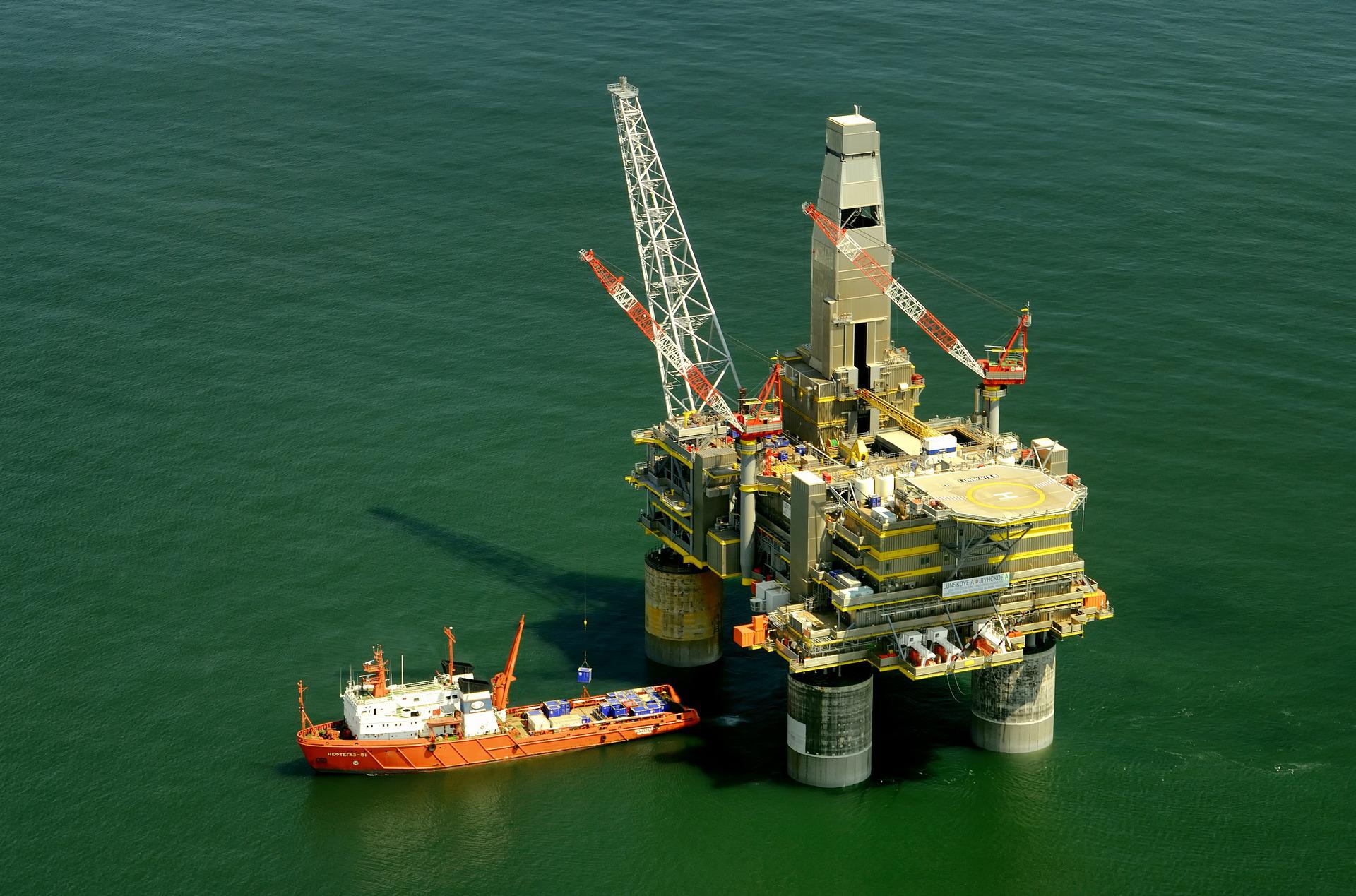
Co-Founder of the Investor Hub Talks About Expectations for the Oil Market
Curitiba, June 2022 – Ricardo Penha, co-founder of the Investor Hub, provides an analysis of the consequences of the Russian military invasion of Ukraine. According to him, this military action triggered a series of measures by the West against Russia in order to punish Putin, such as freezing its foreign reserves in dollars and euros, imposing sanctions on Russian companies and billionaires, as well as on oil. “This indeed hurts the Russian economy, which is expected to see its GDP fall by 15% in 2022; on the other hand, it has put tremendous pressure on oil prices,” he says.
According to Penha, the world has spent the last 10 years investing little in the oil and gas chain. “The ESG agenda (in Portuguese Environmental, Social and Governance) has gained global relevance and has discouraged companies and investors from looking at this old economy, which is deemed outdated and polluting. To make matters worse, Europe has realized the size of the mistake it made by delegating its energy sovereignty to a country of dubious trust,” he evaluates.

We Are Still Dependent on Russian Oil
The fact is the world still needs oil, and Russia is the second-largest producer globally. “When Europe and the United States announce that they will stop buying Russian oil, they end up shooting themselves in the foot, pushing the price of the commodity up and, especially, making the task of central banks to combat inflation even harder. No wonder that inflation in the U.S. and in the Eurozone is the highest it has been in 40 years,” explains the expert.
-
Bank of Japan raises interest rates to 1%, reaching the highest level in over three decades

-
ANP halts LPG reform, and Sindigás sees technical caution as a decisive point for safety, investments, and the future of the cylinder in Brazil.

-
Oil spill in the Caribbean raises environmental alert and increases tension between Venezuela and Trinidad and Tobago

-
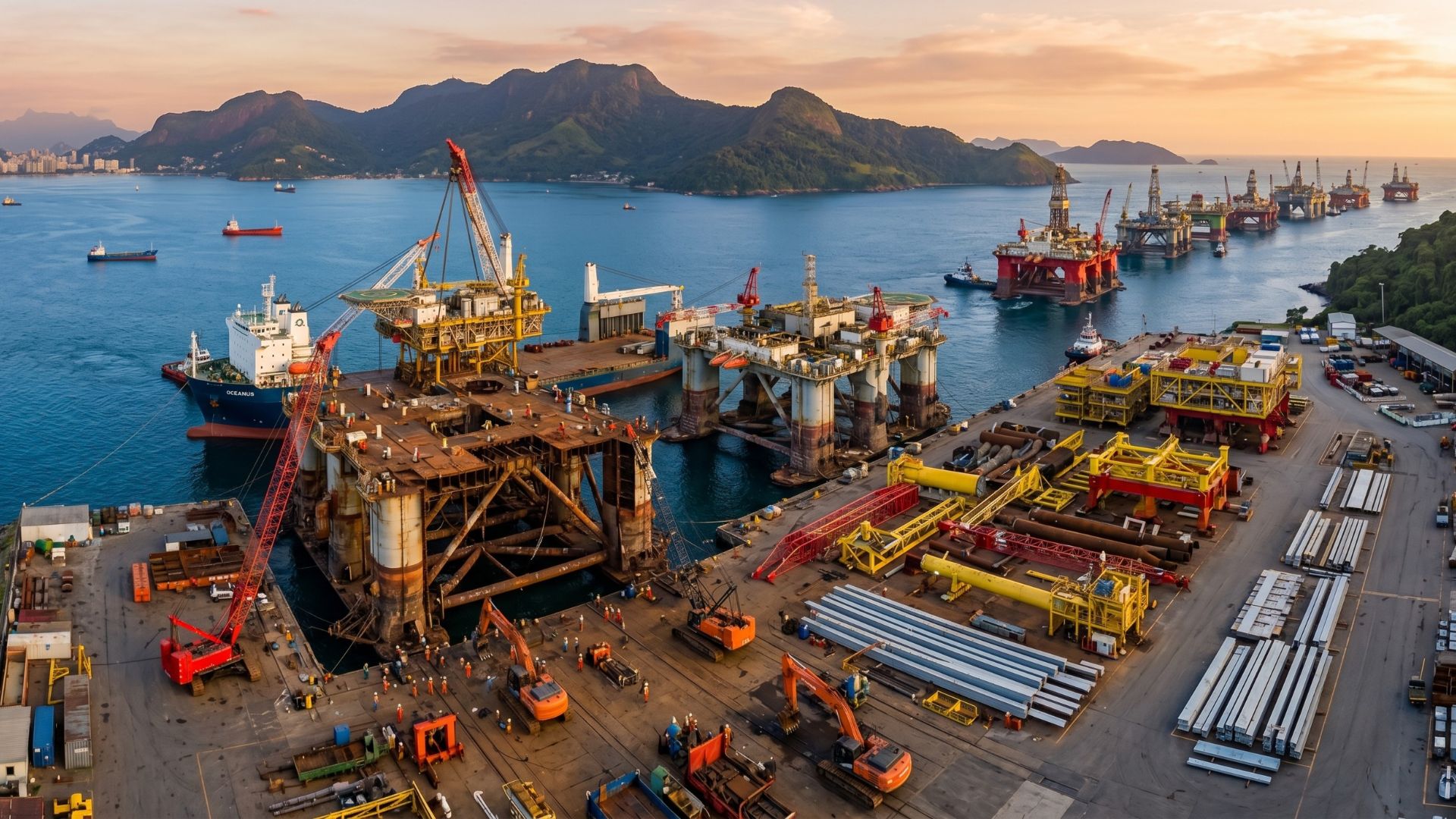
More than 40 Petrobras platforms enter the decommissioning queue and open up a billion-dollar industry in Brazil for cranes, special ships, underwater cutting, and offshore recycling.



For the co-founder of the Investor Hub, the process of pricing an iPhone is difficult and complex, while the process of pricing a commodity is simple: supply versus demand. “If you have a lot of supply and stable demand, the price falls, but if you have the same supply and demand rises, the price goes up. But it seems that politicians pretend not to know this, proposing subsidies to ‘lower fuel prices,’” he adds.
Penha Highlights Five Reasons to Continue Investing in Commodities and Companies in the Sector:
- U.S. and European oil, diesel, and gasoline inventories are at their lowest in 30 years. This period is marked by the reconstitution of inventories, which fall during the winter and rise in the summer. This trend is not occurring this year.
- OPEC+ (the oil cartel) seems unable to significantly increase its production in the short term; indeed, some countries are struggling to produce their agreed quotas.
- The capex of the world’s largest oil companies, the so-called Majors, such as Shell, Exxon Mobil, Chevron, and others, is the lowest in the past 20 years, with production expected to drop by 2% compared to 2021.
- Even if there is a cease-fire in Ukraine, Europe and the U.S. are unlikely to reverse their embargo decisions against the Russians.
- Additional production could come from Iraq and Venezuela, two complex countries for which there is no concrete data on their real production capabilities.
Source: Investor Hub






Be the first to react!