






 Portuguese
 Spanish


A prototype at the University of Málaga in Spain uses 3D-printed ceramic lattice structures, a drip system and vertical gardens to cool the space through ventilation and evaporation. Results are still preliminary, and the system is less effective in humid climates, such as Brazil’s coast.
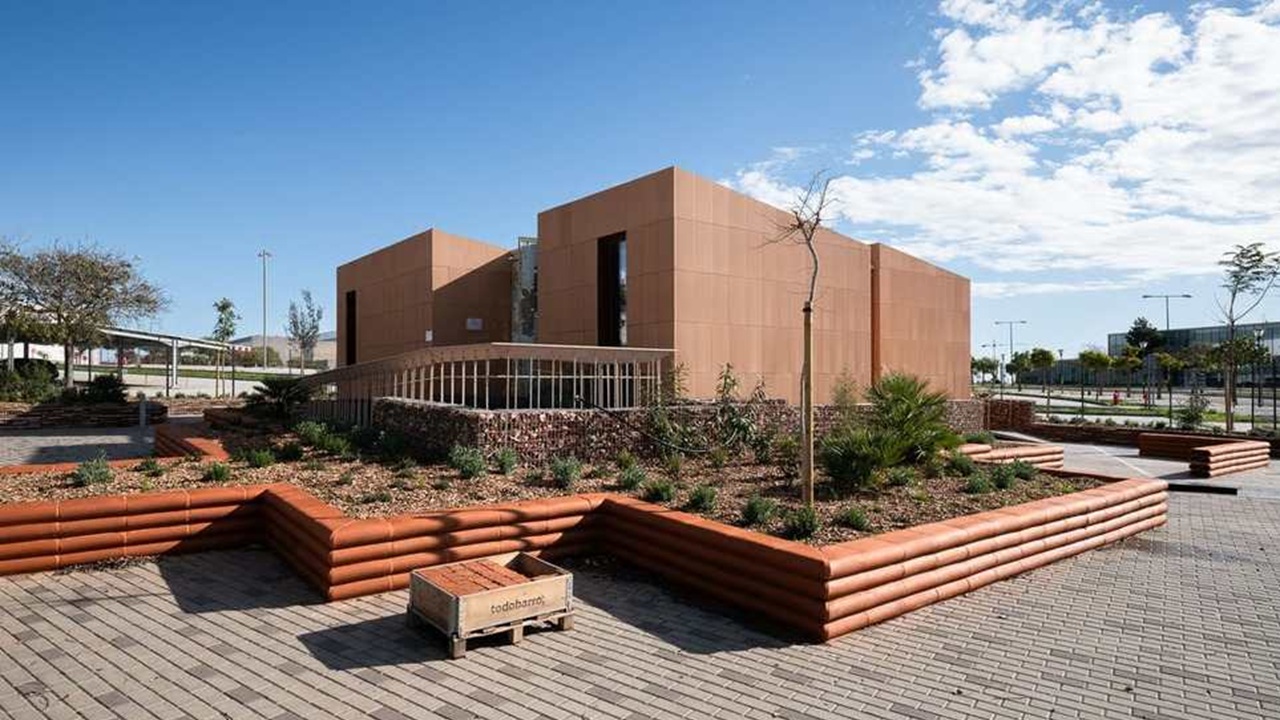
An experimental house at the University of Málaga in southern Spain can make it feel 5°C to 10°C cooler inside than outside. It uses clay, water, plants and natural ventilation, with no air-conditioning equipment.
The project is called Lab Patio 2.12. The house was built by students from Andalusia and placed second in the 2012 Solar Decathlon Europe.
Now, the Todobarro Foundation and university researchers have turned the prototype into a laboratory that people can live in. The data come from the university and were published by EcoInventos.
-
Barretos residents experience 4 intense tremors in just over 3 hours; strongest hits magnitude 2.0 and is detected by 6 stations as USP deploys seismographs to identify source

-
Westminster Abbey archaeologist Warwick Rodwell says the skeleton inside a Roman coffin made for a Briton of 300-400 AD probably belongs to a Saxon abbot, after radiocarbon dating placed the burial between 987 and 1052.

-
Elon Musk’s company says brain chip that promises to restore sight is ready
-
Does AI function like the human brain? New test shows machines use different shortcuts to recognize objects


How the cooling system works
The main components are two large ceramic lattice structures made with a 3D printer. They were positioned to catch the area’s prevailing winds. Their openings harness the Venturi effect: when air passes through a narrower section, it speeds up. This helps bring in fresh air and remove heat trapped inside the house.
When the temperature rises above a certain threshold, a drip system wets the lattice structures. As air passes over the damp ceramic, some of the water evaporates, drawing heat from the space. It is the same principle that keeps water cool in a clay water filter.
Vertical gardens and Mediterranean plants around the house provide shade and add moisture to the air.
What the number means
The reduction of up to 10°C applies to the feels-like temperature, not necessarily the air temperature. Comfort also depends on humidity, wind and heat radiating from the walls.
This point matters in Brazil. Evaporative cooling works best in hot, dry climates, such as Brazil’s interior Northeast and Center-West during the dry season. The effect is weaker in very humid cities, such as those along the coast.
For now, the results are preliminary measurements from a prototype. The lab is still testing how much energy and water the system actually saves.


