






 Portuguese
  Spanish


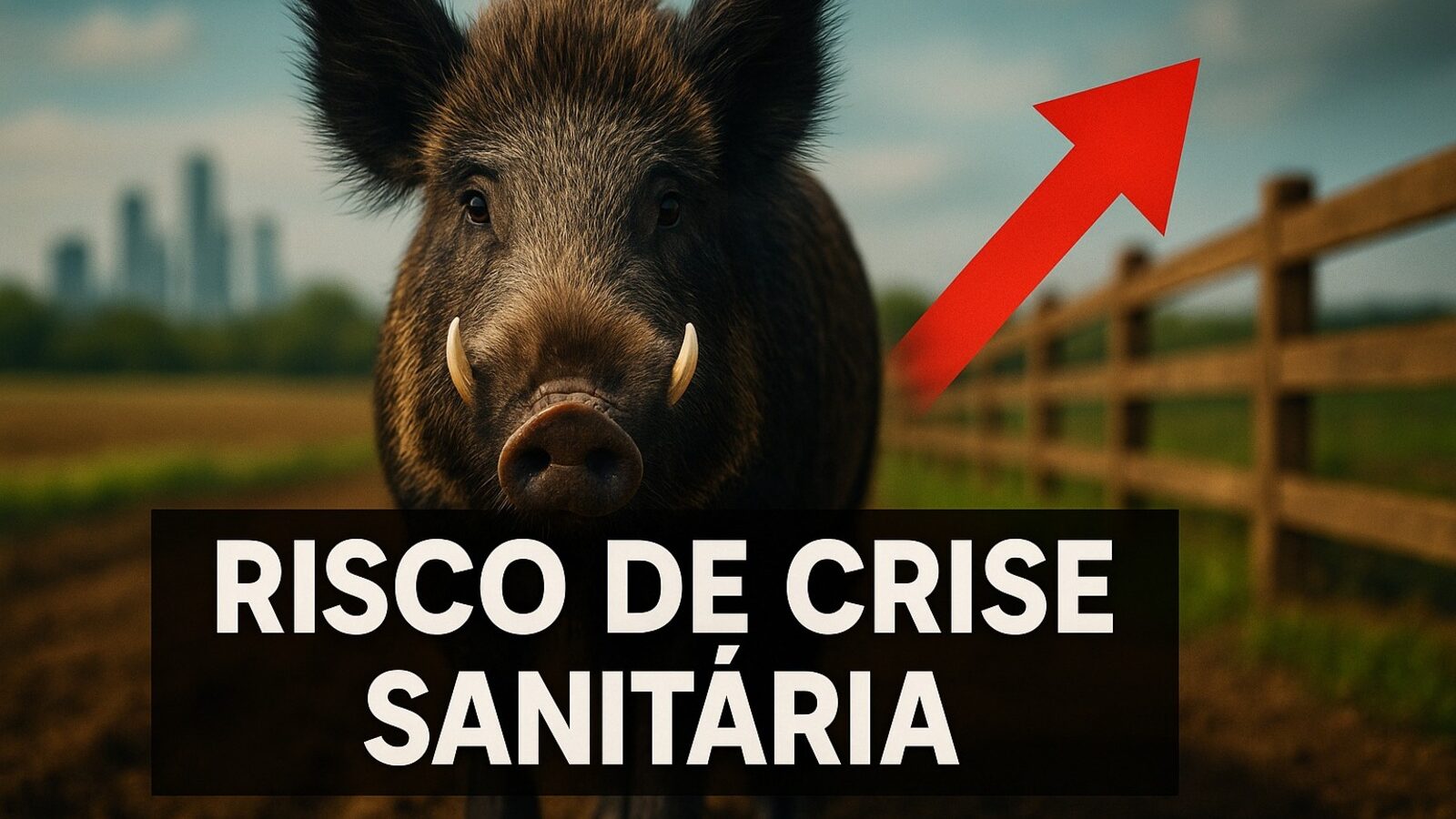
Parliamentarians and Agro Entities Pressure Congress to Approve Legal Changes and Expand Urgent Control of Wild Boars Threatening Crops and Livestock
The uncontrolled presence of wild boars and javaporcos in rural areas of Brazil has again raised concerns among parliamentarians and entities linked to the agribusiness sector. The Parliamentary Front for Agriculture (FPA) has reignited the debate in Congress and is seeking urgent changes in legislation to contain the damage caused by this invasive species.
The institutional coordinator of the caucus, Congressman Alceu Moreira (MDB-RS), argued that control should no longer be the responsibility of Ibama.
“We must definitively remove control over wild boars and exotic species from Ibama! And we will reinforce this understanding in law before a new sanitary crisis puts our animal protein production at risk!” declared Moreira on his social media.
-
Global Alert: Report Finds 159 Pesticides in Coffee Beans Sold in Europe, Posing Serious Risks to Millions of Farm Workers

-
Low-Demand Brazilian Beef Offal Gains Popularity Abroad: Indonesia Purchases $19.5 Million, Boosting Revenue and Reducing Waste
-
Soy Expansion in Former Brazilian Savanna Sparks Water and Land Conflicts in Major Agricultural Frontier
-
Mexican Pest Threatens U.S. Cattle Herds at Historic Lows, Potentially Boosting Brazilian Beef Exports as Burger Prices Soar


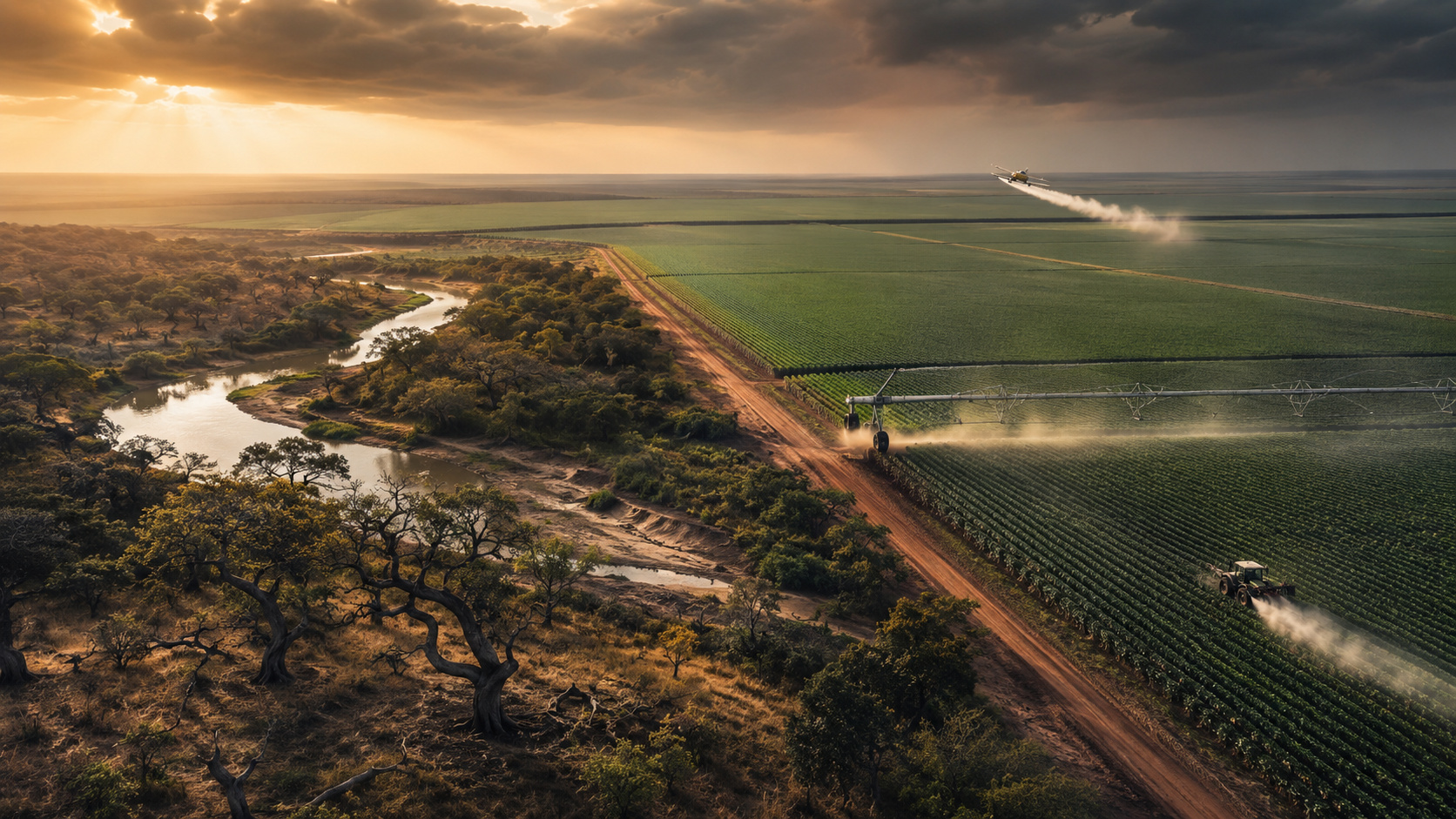

This statement has given political strength to a debate that had previously been addressed superficially, but which is now gaining traction in Congress.
The Growing Threat of the Plague
The rural sector had already warned about the risks. According to the Brazilian Association of Hunters Aqui Tem Javali, approximately 500,000 animals were eliminated in 2024, but this number was insufficient to halt the population growth.
Studies indicate that by 2025 it will be necessary to cull more than one million wild boars to reduce the damage.
The impacts are severe. These animals destroy corn and soybean crops, causing losses that can reach 40% of the harvest in some regions.
In addition, they transmit diseases such as classical swine fever and foot-and-mouth disease, which threaten Brazil’s sanitary status in the international market. Losing the title of “foot-and-mouth disease-free country” would represent immense losses for meat exports.
Parliamentarians Pressure for Changes
The issue was on the agenda of a meeting of the FPA board held at the Confederation of Agriculture and Livestock of Brazil (CNA). The president of the caucus, Congressman Pedro Lupion (PP-PR), emphasized that combating wild boars is not about exterminating a native species.
“We are not talking about exterminating a native species of Brazilian fauna. The wild boar is not from here; it was brought here. We are dealing with a plague that destroys crops, infects livestock, and poses a serious risk to the population in the interior of Brazil,” he said.
Congressman Zé Vitor (PL-MG) highlighted the damages in Minas Gerais, particularly in Triângulo Mineiro, Alto Paranaíba, and Noroeste.
In addition to crops, wild boars degrade the soil, threaten springs, and interfere with native species, extending the problem beyond agriculture.
Draft Law Under Discussion
One of the main initiatives to tackle the crisis is Bill 3384/2021, reported by Congressman Nelson Barbudo. The text authorizes the population control of invasive exotic species and regulates the consumption, distribution, and commercialization of products and by-products from culling.
Among the methods proposed are culling, capture for elimination, sterilization techniques, and the use of chemical and biological resources.
The bill also amends the Environmental Crimes Law (Law No. 9,605/1998), establishing that the management of declared harmful invasive species does not constitute a crime.
This way, hunters and rural producers gain legal support in control actions, reducing the legal insecurity that hampers operations in the field.
Wild Boars: A Ticking Time Bomb for Agro
The president of the Brazilian Association of Hunters Aqui Tem Javali, Rafael Salerno, stated that the situation has become a “ticking time bomb against Brazilian agriculture.”
For him, it is a mistake to compare the management of wild boars with the hunting of native animals, such as capybaras or jaguars.
The effort should be focused on damage reduction, as has happened in other countries facing a similar problem.
“Due to the incompetence and complacency of Brazilian authorities, it has become impossible to exterminate these animals. Efforts should be directed toward minimizing the damage, as is already occurring in other countries,” said Salerno.
Growing Pressure in Congress
The most important thing is that the pressure from the rural caucus and agro entities indicates that Congress must expedite the processing of Bill 3384/2021.
Parliamentarians consider it urgent to provide the rural sector with effective tools to tackle the problem. Therefore, expectations are growing that the proposal will advance rapidly in the coming weeks.
Meanwhile, rural producers continue to face almost alone the damages and risks caused by wild boars.
Moreover, specialists and deputies emphasize that the problem has transcended environmental concerns. The threat affects food security, the competitiveness of agribusiness, and the health of Brazilian livestock, making species control a national priority.
With information from Compre Rural.


-

-

-

-

-

23 people reacted to this.