Portuguese
  Spanish


A city of just 12,000 inhabitants in Santa Catarina produces 150,000 tons of vegetables per year on family farms of four hectares each, supplies supermarkets and fairs in four regions of the state, and holds a title that few municipalities in Brazil can dispute
Antônio Carlos, in Greater Florianópolis, is considered the Santa Catarina Capital of Vegetables and produces about 150,000 tons of vegetables per year on family-based properties, according to City Hall data. The municipality has just over 12,000 inhabitants and about 1,162 families registered in agricultural production, cultivating more than 75 types of vegetables on properties averaging four hectares each. The gross value of production reaches R$ 31.85 million, according to Epagri, and the sector accounts for about 36% of the local economic activity.
With just over 12,000 inhabitants according to IBGE estimates for 2025, the municipality of Antônio Carlos, in Greater Florianópolis, produces about 150,000 tons of vegetables per year on family-based properties. The city holds the informal title of Santa Catarina Capital of Vegetables and supplies fairs, supermarkets, and Ceasa in different regions of Santa Catarina. More than 75 types of crops are planted on properties averaging four hectares each, where the work is done by family units that put father, son, and grandfather in the same field.
“Agriculture is the basis of our economy. If you take away family farming, you don’t talk about Antônio Carlos,” said Marcelo Guesser, municipal secretary of Agriculture of Antônio Carlos, in an interview with the portal ND Mais. The statement is not rhetorical exaggeration: according to Epagri (Agricultural Research and Rural Extension Company of Santa Catarina), the gross value of the municipality’s agricultural production reaches R$ 31.85 million, and the sector accounts for about 36% of all local economic activity.
The scale of production from four-hectare properties
Antônio Carlos has about 1,162 families registered in agricultural production, distributed among small properties averaging four hectares each. The volume of 150,000 tons of vegetables per year is impressive when considering that the municipality’s total productive area is limited by the rugged terrain that prevents large-scale mechanization. Most of the work is manual, supported by tractors and backhoes provided by the city hall.
-
In China, a 26-story building produces 1.2 million pigs annually, revolutionizing livestock farming with tube feeding and AI surveillance.

-
With Nearly 60% Desert, Israel Desalinates Seawater and Recycles 90% of Wastewater to Build a Billion-Dollar Agricultural Powerhouse in Dates and Cotton
-
74-Hour Barbecue in Brazil Sets World Record: 3.4 Tons of Meat, 10,500 Meals Served

-
Man Takes on Swarms in Singapore, Saves 6 Million Bees and Encourages Locals to Choose Conservation Over Pesticides

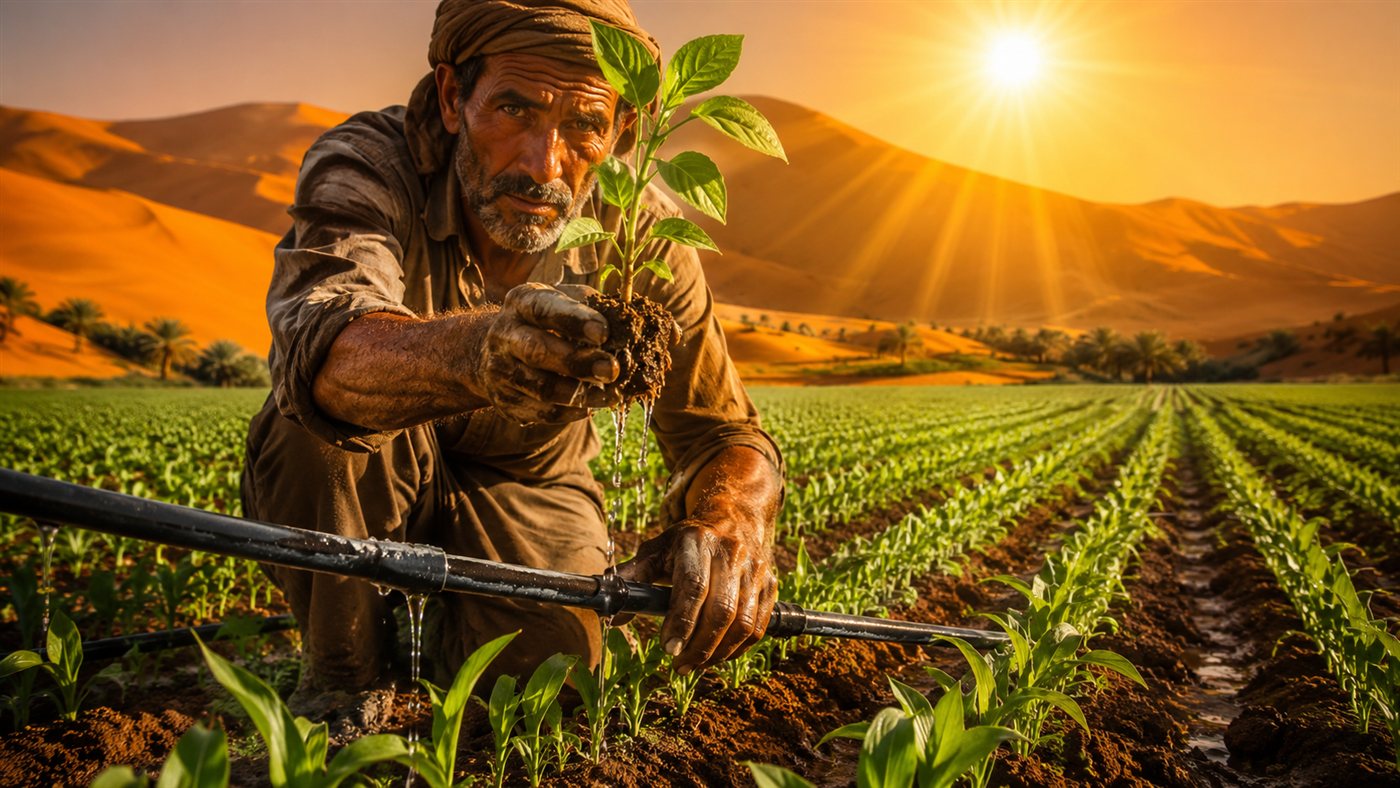


The scale is achieved through diversity and intensive crop rotation. While large farms in the Cerrado invest in mechanized monoculture, Antônio Carlos does the opposite: many different crops on small plots of land, with short cycles that allow for several harvests per year in the same area. The proximity to the Santa Catarina coast, the main consumer market, reduces the time between harvest and delivery, ensuring freshness, which is the main competitive advantage of local vegetables.
Main crops and where the vegetables go

Epagri records production data by crop that reveal the diversity of Antônio Carlos. Lettuce leads with 2,611 annual tons, followed by chayote (1,872 t), sweet potato (1,574 t), chives (652 t), arugula (614 t), parsley (569 t), carrot (350 t), cucumber (321 t), cabbage (265 t), and broccoli (264 t). These ten crops represent only a fraction of the total of more than 75 varieties planted in the municipality.
The vegetables from Antônio Carlos supply the Ceasa of Santa Catarina, large chain supermarkets, and open-air markets in at least four regions of the state, including Greater Florianópolis, Blumenau, Tubarão, and Joinville. Delivery is made directly by producers or by intermediaries who buy on the property, a model that eliminates steps in the chain and allows the farmer to retain more value from the final price. Each box of lettuce that reaches the shelf travels an average of less than 100 kilometers, a distance that guarantees freshness.
How a 19th-century German colonization created the agricultural vocation
The history of agriculture in Antônio Carlos begins with German colonization in the 1830s. The first settlers cultivated sugarcane and cassava for flour production, activities adapted to the rugged terrain and small properties imposed by geography. Over time, the vocation shifted to vegetables, a crop that adapts better to sloped land, generates income in short cycles, and takes advantage of the proximity to the coast as a consumer market.
The municipality preserves cultural traces of immigration, including Hunsrückisch as a co-official language, a detail few Brazilians know. The family tradition that sustains vegetable production is a direct heritage of this colonization: properties pass from generation to generation, and knowledge about planting, management, and harvesting is transmitted within the family unit. Guesser explained that the people’s origins were in the cultivation of sugarcane and cassava, and that the facilitated outflow due to the proximity of the coast consolidated the transition to vegetables.
The economic value that agriculture generates for the municipality


The gross value of agricultural production in Antônio Carlos reaches R$ 31.85 million, according to Epagri data. Chicken accounts for 25% of this value, cattle for 12.8%, and lettuce for 11.5%, a distribution that shows the municipality’s agricultural economy goes beyond vegetables and includes animal protein. The 36% participation of agriculture in the local economic activity, according to the secretary, makes the sector irreplaceable for the financial sustenance of the municipality.
For a city of 12,000 inhabitants, R$ 31.85 million in gross agricultural production value is a significant number that places Antônio Carlos above much larger municipalities in terms of per capita production. Each productive hectare in the municipality generates more economic value than the state average for horticulture, a result of the combination of crop diversity, short harvest cycles, and direct access to high-purchasing-power consumer markets.
The challenges that threaten the future of the Vegetable Capital
Antônio Carlos’s success story hides real challenges that could compromise the future of production. Rural succession is the most urgent: children of farmers migrate to cities in search of formal jobs and fixed salaries, leaving properties without qualified labor to maintain the volume of production. The aging of active producers is a problem that affects family agriculture throughout Brazil, and Antônio Carlos is no exception.
Extreme climatic events also pressure the sector. Epagri recorded Antônio Carlos’s crops destroyed by intense rains in November, and climatic instability tends to worsen in the coming years. The cost of diesel, essential for road transport that carries vegetables to the four regions of the state, is another factor that erodes producers‘ margins with each pump adjustment. In a sector where the final product’s value is low and the volume needs to be high, any increase in logistical costs can make the operation unfeasible.
Did you know Antônio Carlos as the Santa Catarina Vegetable Capital or is this the first time you’ve heard of this city? Tell us in the comments if the lettuce and chayote you buy at the supermarket come from Santa Catarina and what you think of a city of 12,000 inhabitants feeding a good part of the state.