






 Portuguese
  Spanish


Researchers Identify Ibirasuchus gelcae, A 4-Meter Crocodile, As A New Prehistoric Species In The Interior Of SP. Fossils From Uchoa And Monte Alto Reveal The Fauna That Coexisted With Dinosaurs
Brazilian researchers have identified a new prehistoric species, Ibirasuchus gelcae, a 4-meter crocodile that inhabited the interior of São Paulo about 85 million years ago. The discovery was made from fossils analyzed in municipalities like Uchoa and Monte Alto, revealing unprecedented details about the fauna of the Bauru Basin and the coexistence of this reptile with carnivorous dinosaurs and other crocodilians.
The find marks an important advance for Brazilian paleontology, broadening the knowledge of the diversity of Late Cretaceous predators and the complex ecological interactions of its time. With well-preserved fossils, the research offers insights into the morphology, behavior, and evolution of these prehistoric animals.
Discovery And Detailed Analysis Of The Fossils Of The 4-Meter Crocodile
The study of Ibirasuchus gelcae involved the analysis of over 200 fossils, including isolated teeth, jaw fragments, and body bones.
-
James Webb Telescope Uncovers Unexpected Clues on Mysterious Moon, Potentially Redefining Planetary Origins

-
$1.5 Billion Sleipnir Vessel Transforms Ocean into Floating Construction Site with 12 Hybrid Engines and Capacity to Lift 20,000 Tons

-
23 Years After Tragedy, Brazil’s Alcântara Space Center to Launch New Suborbital Rocket in 2026 with South Korean SEBIT Project Targeting Near-Space Tests
-
Entrepreneur Turns Neighbor’s Coffee Grounds Waste into Eco-Friendly Pellets, Earning Up to $40,000 Monthly in Brazil


The samples were found in municipalities in the interior of São Paulo, such as Ibirá, Cedral, Uchoa, and Monte Alto. These findings enabled an accurate reconstruction of the animal, which measured approximately 4 meters in length, making it a significant predator of the time.
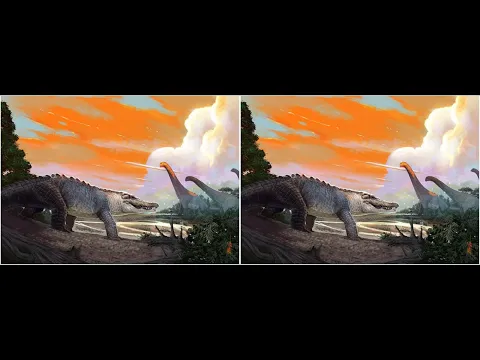

The research team utilized modern paleontological analysis techniques, including 3D scanning and comparison with other fossil crocodilians, to confirm that it was a new prehistoric species, distinct from other crocodiles known from the region.
The study also emphasized that this crocodile coexisted with carnivorous dinosaurs, as well as other crocodilians like baurussuchids and sphagesaurids, demonstrating the diversity of predators sharing the same environment.
Characteristics Of The Giant Crocodile Discovered In The Interior Of SP
The Ibirasuchus gelcae displayed unique morphological traits that distinguished it from other fossil species of the same era. Among its most striking features are teeth adapted for capturing medium-sized prey, a robust jaw, and an elongated body, indicating hunting abilities in both aquatic and terrestrial environments.
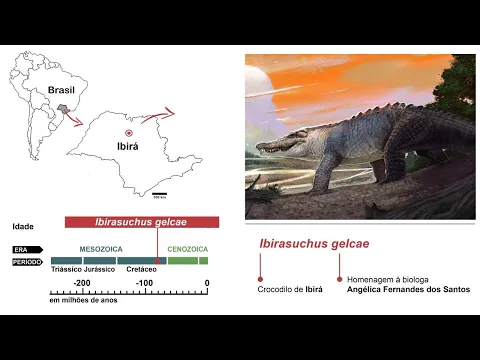
These adaptations provided the animal with great versatility as a predator, allowing it to occupy different ecological niches.
Additionally, its body structure suggested that it could move agilely in rivers and lakes as well as on land, reinforcing the role of the giant crocodile discovered in the interior of SP as one of the dominant predators of the ecosystem.
The species name honors biologist Angélica Fernandes dos Santos, known as Gelca, who located the first fossils in 2008, initiating a series of detailed studies on the animal.
Context Of The Bauru Basin And The Habitat Of The 4-Meter Crocodile
The Bauru Basin, located in the interior of São Paulo, is known for its richness in fossils from the Late Cretaceous period. The region preserves a diverse record of animals, including carnivorous dinosaurs, crocodilians, and medium-sized species that formed complex food chains.
The presence of Ibirasuchus gelcae demonstrates that the Bauru Basin not only housed various species but also a dynamic ecosystem in which different predators cohabited and competed for resources. These fossils help reconstruct the geography, climate, and habitats of the time, indicating the existence of rivers, lakes, and forests that supported a rich and diverse fauna.
Comparisons With Other Prehistoric Crocodilians
The Ibirasuchus gelcae stands out among Brazilian fossil crocodiles for its intermediate size and unique characteristics. Compared to the baurussuchids, which had wide heads and robust bodies, Ibirasuchus had a more elongated body and specialized teeth for hunting. The sphagesaurids, although present in the same region, were smaller, suggesting a niche division that avoided direct competition among predators.
These comparisons allow for a better understanding of the evolution of crocodiles in Brazil and the adaptation of species to the environment of the Bauru Basin. The coexistence of different predators indicates that the Late Cretaceous ecosystems were complex and well-structured, allowing multiple species to survive simultaneously.
Impact Of The Discovery Of The Giant Crocodile In The Interior Of SP For Science And Education
The identification of the giant crocodile discovered in the interior of SP also has important implications for science, education, and scientific tourism. Municipalities such as Uchoa, Monte Alto, and Ibirá can become centers of paleontological interest, attracting researchers, students, and tourists interested in learning about Brazil’s prehistoric past.
Local museums and universities can exhibit original fossils or replicas of Ibirasuchus gelcae, promoting knowledge and valuing science. Furthermore, the research emphasizes the importance of preserving fossil sites, encouraging public policies to protect paleontological heritage and increasing societal engagement with Brazil’s natural history.
New Paths For Paleontology And The Discovery Of New Prehistoric Species
The discovery of Ibirasuchus gelcae opens new perspectives for future research. Studying this new prehistoric species enables a better understanding of the diversity of Late Cretaceous crocodiles, their hunting strategies, morphological evolution, and environmental adaptations.
The potential for new discoveries in the Bauru Basin is significant, as the region continues to reveal fossils of dinosaurs, crocodilians, and other prehistoric reptiles. These findings contribute to expanding scientific knowledge and consolidating Brazil as a reference in paleontology, highlighting the importance of detailed and ongoing studies of local fossils.
The Legacy Of Ibirasuchus gelcae, Giant Crocodile Of The Cretaceous
The Ibirasuchus gelcae, a 4-meter crocodile that lived 85 million years ago, represents more than just a paleontological discovery. It evidences the complexity of prehistoric ecosystems and shows how Brazil’s Late Cretaceous fauna was diverse and well-structured.
Furthermore, research on this giant crocodile discovered in the interior of SP reinforces the scientific relevance of municipalities like Uchoa, Monte Alto, and Ibirá, which now become protagonists in the history of national paleontology.
The study of Ibirasuchus gelcae inspires new investigations, encourages public interest in science, and promotes the appreciation of Brazil’s natural and scientific heritage.
In summary, each analyzed fossil helps tell the story of a world that existed millions of years ago, allowing researchers, students, and curious minds to better understand the evolution, adaptation, and diversity of Brazil’s prehistoric species.


