






 Portuguese
  Spanish


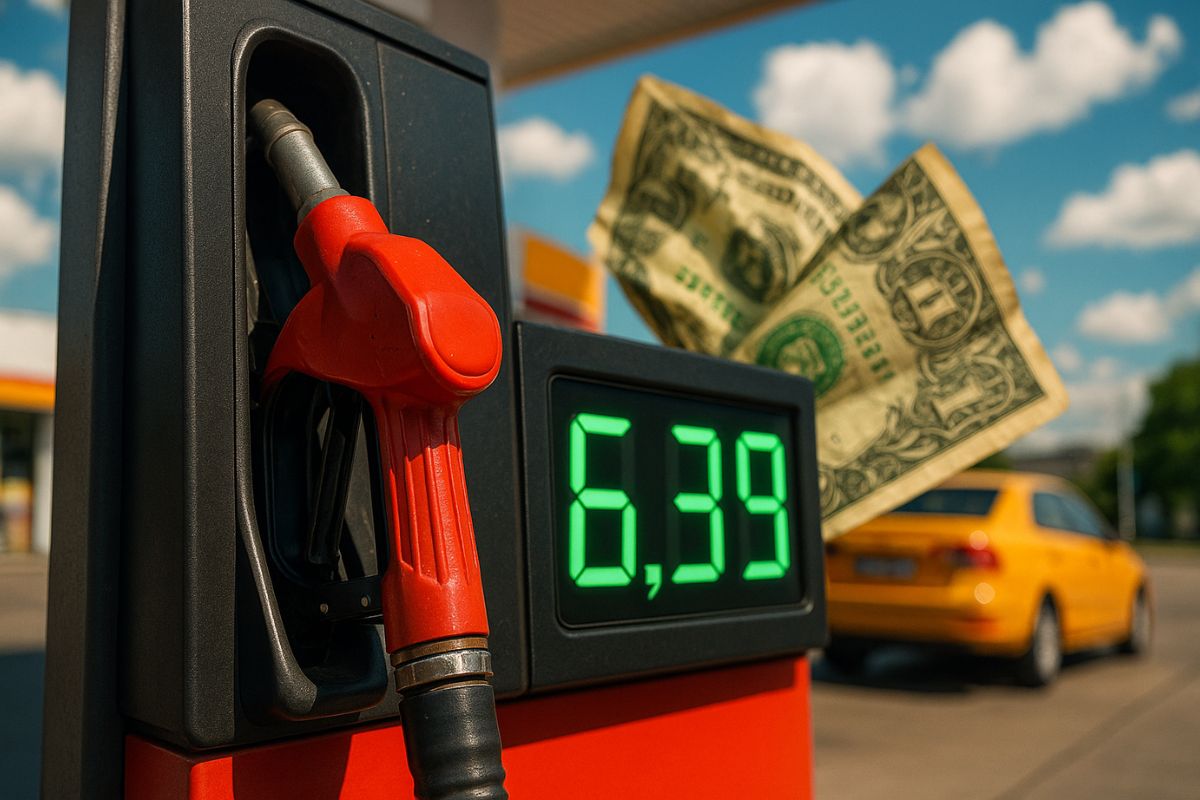


Tradicional Distributors and Refineries Pressure Government to End Benefits to Importers. Sector Claims That Tax Incentives Favor Unfair Competition and Raise Fuel Prices in the North of the Country.
The clash between traditional distributors and refineries and fuel importers has intensified after the publication of a study by the Brazilian Institute of Oil and Gas (IBP). The entity, which represents the largest companies in the sector, argues that the benefits outlined in the tax reform—especially the exemption of IBS/CBS—should be granted only to those who actually refine oil, excluding groups that operate solely as importers.
According to a report from Folha de S. Paulo, the primary target of the offensive is Atem, which controls the Amazon Refinery (Ream), acquired in 2022. For the IBP, this practice threatens competition, generates billion-dollar losses for the treasury, and penalizes consumers in the Northern Region with higher prices.
What Traditional Distributors and Refineries Ask For
The proposal sent to the Ministry of Development, Industry, Commerce and Services (MDIC) demands changes to the rules of the Basic Production Process (PPB) applied to the Free Trade Zone of Manaus. In practice, the request aims to restrict the scope of incentives, ensuring that only companies with active refining operations have access to the tax exemption.
-
Brazil to Issue “Panda Bonds” in China, Aiming to Raise Up to 5 Billion Yuan at Lower Interest Rates Than Dollar Debt
-
NATO Faces Internal Tensions as U.S. Pushes for Increased Defense Spending, Targeting 5% of GDP by 2035, with Warnings for Countries Near 2% Level

-
Brazil to Introduce B16 Diesel with Increased Soybean Oil Content for Trucks by 2026
-
Brazil’s July Bolsa Família Payments May Include Extra $150 and $50 for Families with Children, Pregnant Women, and Updated CadÚnico Registration


According to the IBP, the tax advantages granted to Atem caused a loss of revenue of R$ 1.3 billion and resulted in strong market concentration. By March 2025, the company would have reached 72% of the diesel market in Amazonas, an effect considered disproportionate by competitors.
Direct Impact on Consumers
The IBP study also indicates that the benefits policy has been costly for the population. In 2024 alone, it is estimated that consumers in the Northern Region paid R$ 650 million more for fuels, a reflection of reduced local competition and the lack of stimulus for the resumption of refining.
The Ministry of Mines and Energy (MME) has also shown concern. In letters sent to the Cade and the Federal Police, Minister Alexandre Silveira requested investigations into the prolonged shutdown of the Manaus refinery, warning of the risk that the unit was bought solely to operate as an import terminal.
Competition and Supply Risks
For traditional distributors and refineries, the situation could compromise the energy security of the Northern Region. Ream is the only refinery in Amazonas, and its idleness forces the transport of fuels over long distances, increasing logistical costs and creating vulnerabilities in local supply.
Meanwhile, Atem has been expanding its market share precisely based on the importation of fuels, an operation that is cheaper from a tax perspective but perceived by critics as a model that discourages national production.
The impasse between traditional distributors and refineries and importers is set to shape the upcoming regulatory discussions in Brasília. On one side, companies demand tax equality and stimulation of refining activities. On the other, groups benefiting from the incentives defend their legality and efficiency.
And you, do you believe that the incentives to importers harm competition and consumers, or do they represent a viable alternative to reduce costs in the sector? Leave your opinion in the comments — your experience helps enrich the debate.




Meu amigo… O próprio PPI é uma aberração de mercado. Não faz sentido um país inteiro pagar preço de importação quando de tem capacidade pra suprir mais de 80% da demanda doméstica. É bizarro! É por isso que a refinaria de Manaus virou um atravessador de combustível importado. Manter uma estrutura de importação e distribuição é muito mais barato do que manter uma refinaria. Então pra quer manter uma refinaria se o PPI permite os caras importarem com lucros ainda exorbitantes? O culpado disso se chama Michel Temer!