






 Portuguese
  Spanish


BCB Resolution No. 546/2026 creates a grace period between February and May for payment system institutions to adapt to MED 2.0, Pix’s anti-fraud tool that tracks and blocks amounts in case of a scam, without opening sanctioning processes during the period, without affecting the consumer.
The Central Bank made a decision that seems contradictory on the surface but makes sense when contextualized: it tightened the anti-fraud rules of the Brazilian payment system and, at the same time, granted almost one hundred days of grace for banks and fintechs to adapt without suffering punishment. BCB Resolution No. 546/2026, published on January 22, temporarily waives the opening of sanctioning processes against payment system institutions that fail to comply with the new requirements of MED 2.0 (Pix Special Return Mechanism) between February 2 and May 10, 2026, a period that functions as a technical transition for participants to adjust systems, integrations, and internal processes to the tool that became mandatory in February. For the consumer who uses Pix daily, nothing changes: limits, zero fees, agility, and usage methods remain exactly the same.
The measure is neither a relaxation nor a loosening: it is an operational detail within a larger movement by the Central Bank to curb fraud in the payment system, which has become a preferred target for organized crime. MED 2.0, created by BCB Resolution No. 493 published on August 28, 2025, allows amounts transferred via Pix in suspected fraud cases to be tracked, blocked, and returned even when the money has already been dispersed among dozens of accounts, a technique scammers use to make it difficult for victims to recover the amounts. The tool became optional from November 23, 2025, and became mandatory on February 2, 2026, precisely the date when the grace period of Resolution 546 takes effect.
What is MED 2.0 and why it changes the security of the payment system

The Special Return Mechanism already existed since 2021, but version 2.0 represents a significant leap in the payment system’s ability to combat fraud. In the original version, when a scam victim contacted the bank requesting the return of amounts transferred via Pix, the mechanism could only block the money in the first destination account, and if the scammer had already transferred the amount to other accounts, recovery became practically impossible. MED 2.0 solves this bottleneck by allowing cascading tracking and blocking: even if the fraudulent money has been spread across multiple accounts in a matter of minutes, the system can follow the trail and lock the amounts wherever they are within the payment system.
-
Brazilian Startup Turns Coffee Grounds into Plant-Based Leather, Cutting Water Use by Over 50 Times for High-Impact Sustainable Fashion

-
Eco Invest Auction Aims to Unlock $10 Billion in Investments, Focusing on Green Fertilizers, Critical Minerals, Batteries, and AI for Clean Industry in Brazil

-
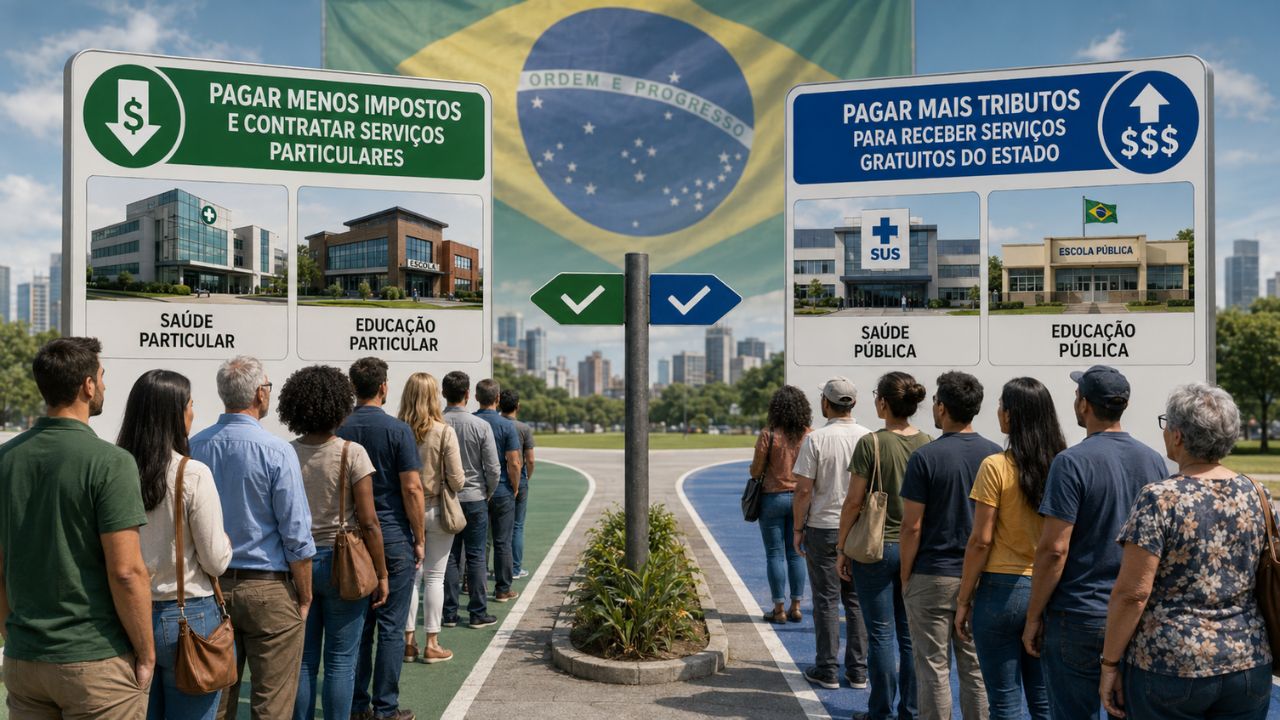
Half of Brazilians Prefer Lower Taxes with Private Health and Education, While 44% Opt for Higher Taxes for State-Provided Services, Datafolha Survey Reveals

-
Brazil’s Most Expensive Toll Rises to R$ 40.60 on Route from São Paulo to the Coast, Nearly Matching Bus Fare to Santos



The mandatory nature of MED 2.0 for all institutions participating in Pix is what makes Resolution 546 necessary. Each bank, fintech, and payment institution had to adapt their internal systems to comply with the new requirements for immediate blocking upon fraud notification, an integration that demands technological development, testing, and adjustments that not all payment system participants were able to complete before the mandatory date. The grace period of almost one hundred days between February and May 2026 is a pragmatic response from the Central Bank to an operational reality: demanding a complex tool and immediately punishing those who are not ready would create more problems than it would solve.
What Resolution 546 changes and what it does not change in the payment system

The resolution amends the Pix regulation (BCB Resolution No. 1/2020) by including article 113-A, which waives the initiation of non-compliance investigation processes during the defined period. In practice, this means that between February 2 and May 10, 2026, a bank that presents a punctual failure in the implementation of MED 2.0 will not be automatically prosecuted by the Central Bank, but remains obliged to comply with the payment system rules and to work towards achieving full compliance before the end of the grace period. After May 10, the BC will resume opening proceedings against those who fail to comply with the anti-fraud rules.
What the resolution does not change is everything that directly interests the payment system consumer. Pix transfer limits remain the same, the service continues to be free for individuals, processing speed is not affected, and usage methods remain unchanged. If the consumer is a victim of fraud during the grace period, MED 2.0 is already in effect in institutions that have completed adaptation, and the previous refund mechanism continues to function in others. Resolution 546 does not leave the user unprotected: it gives the payment system time for protection to work better.
The complete anti-fraud package that the Central Bank assembled for the payment system
Resolution 546 is part of a much larger set of measures that the Central Bank published between August and December 2025 to strengthen the security of the payment system. BCB Resolution No. 493/2025 created MED 2.0, and in the following weeks, Resolutions 494 to 498/2025, published on September 5, formed an emergency package that established a R$15,000 limit per Pix transaction for participants accessing the network via non-accredited infrastructure, brought forward authorization deadlines for payment institutions, and began requiring an exclusive physical address for fintechs. On September 11, Resolution 501/2025 obliged all institutions to reject payments to accounts with well-founded suspicion of involvement in fraud, and in December, Resolutions 538/2025 and CMN 5.274/2025 established new cybersecurity requirements with an adaptation deadline until March 2026.
The volume of regulations published in a few months reveals the urgency that the Central Bank identified in the payment system. Pix has become a preferred channel for scammers who exploit the system’s instant speed to move fraudulent money before victims or banks can react, and the anti-fraud package is an attempt to close loopholes without harming the functionality that made Pix the most popular payment method in Brazil. The grace period of Resolution 546 is an acknowledgment that attacking crime without giving defense time to the institutions fighting that crime would be counterproductive.
What consumers need to know about Pix in 2026
In an article full of resolution numbers and regulatory terms, what matters to those who use Pix daily boils down to a few points. The payment system has become more secure against fraud with MED 2.0, which significantly increases the chance of recovering money sent to scammers even when the amount has already been spread across several accounts. To activate the mechanism in case of a scam, the consumer must immediately notify the bank or fintech from which the transfer originated, file a police report, and await an analysis that the regulation provides for within up to 11 days. MED works exclusively for fraud cases: transfers made by mistake to a known real person are not covered by this payment system tool.
Instead of a “new rule affecting the financial system” as some headlines suggested, Resolution 546/2026 is an operational adjustment that gives the payment system time to implement more robust protection. After May 10, 2026, banks and fintechs that are not in compliance with MED 2.0 will face sanctioning processes with the penalties that the Central Bank can apply, and the Brazilian payment system will enter a phase of full supervision that should make life more difficult for scammers and the recovery of values more efficient for victims. The Pix that Brazilians know continues to function: what changes is the protection network behind it.
And you, did you know that Pix can now track and block fraudulent money across multiple accounts? Do you think the Central Bank was right to grant a grace period? Leave your opinion in the comments.








