Portuguese
  Spanish


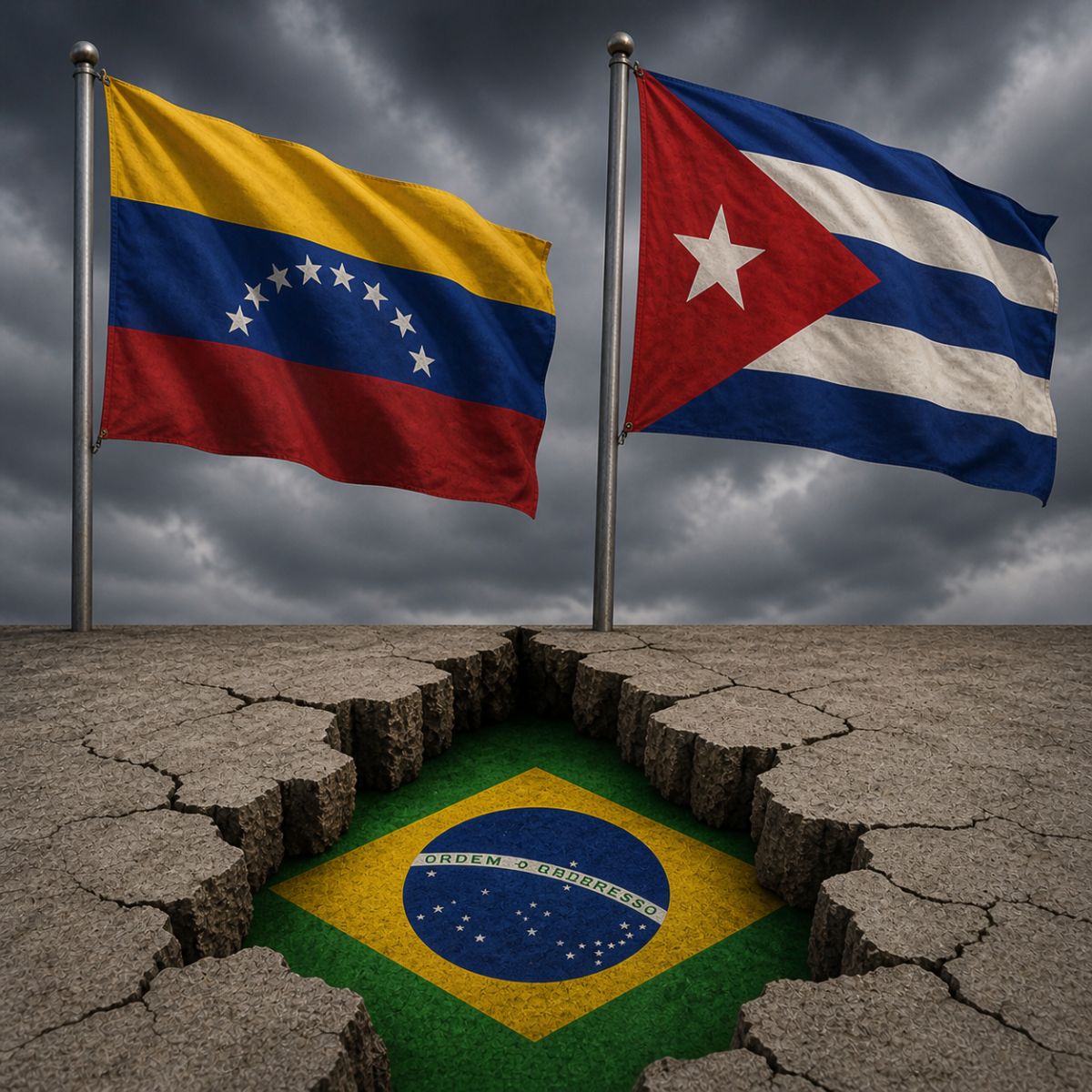

Venezuela accumulates a debt of over US$ 1.2 billion and Cuba owes US$ 676 million to Brazil for infrastructure works financed by BNDES that the two countries failed to pay. The default was covered by the Export Guarantee Fund, which means that the Brazilian taxpayer bore the loss. President Lula sanctioned a new law that resumes BNDES financing for works abroad, but prohibits operations with defaulting countries and mandates transparency in information about the loans.
Cuba and Venezuela accumulate debts of almost US$ 2 billion with Brazil for infrastructure works that were financed by BNDES and were never paid back. Venezuela owes over US$ 1.2 billion for projects such as the Caracas and Los Teques subways and the National Steel Mill. Cuba has accumulated US$ 676 million in arrears, with the Port of Mariel, inaugurated in 2014, with about US$ 682 million to US$ 800 million via BNDES, being the main contracted work. When the countries defaulted, the Bank activated the insurance and the deficit was covered by the Export Guarantee Fund, a Union instrument that, in practice, transfers the loss to the Brazilian taxpayer.
The Lula government has just sanctioned on March 24, 2026 a law that resumes exactly this financing model. The new legislation enables BNDES loans for the export of engineering services, allowing Brazilian construction companies to once again execute large infrastructure projects abroad. According to information released by the CNN Brasil portal, the measure rekindles the debate about the risks of lending public money to countries that have already demonstrated an inability to pay, and raises the question of whether Brazil is prepared to prevent new defaults from repeating the history of Cuba and Venezuela.
The billion-dollar debts that Cuba and Venezuela failed to pay
| Project | Contractor | Contracted Value | Contract Signature | Status |
|---|---|---|---|---|
| Caracas Subway (Line 5) | Odebrecht | US$ 747.18 million | 2009 | Incomplete / Default |
| Los Teques Subway (Line 2) | Odebrecht | US$ 862.04 million | 2007 | Incomplete / Default |
| National Steel Mill | Andrade Gutierrez | US$ 865.42 million | 2010 | Incomplete / Default |
Venezuela leads the ranking of default with Brazil in the sector of works abroad. The debt already covered by the Export Guarantee Fund totals over US$ 1.2 billion, a value that includes the Caracas and Los Teques subways and the National Steel Mill, projects executed by Brazilian contractors with BNDES financing. The South American country faced economic collapse in recent years and has no demonstrated capacity to honor the commitment.
-
Brazil Aims to Boost Critical Mineral Production to 12.2% of Global Output, Targeting Battery and Tech Industries

-
Brazil’s New National Mining Plan Aims to Transform Fertilizer Market and Reduce Foreign Dependency from 87.3% to 34.9%, Boosting Agriculture and Food Production
-
Brazilian Government Plans to Auction Over 500 Road Bridges on São Paulo Stock Exchange in 2026, Promising New Wave of Concessions
-
Brazilian Workers and Instructors to Train in China on Electric Car Technology Ahead of New Factory Opening in Brazil





| Country | Project | Exporter | Contracted Value | Contracting Period | Financial Status |
|---|---|---|---|---|---|
| Cuba | Port of Mariel | Companhia de Obras e Infraestrutura (COI) / Odebrecht | US$ 641 million | 2009 to 2013 | Defaulting |
Cuba owes US$ 676 million to Brazil, with the Port of Mariel as the main contracted infrastructure project. For this project, BNDES demanded as collateral the revenues generated by the Cuban cigar industry, an initiative that the TCU (Federal Court of Accounts) later classified as fragile. The collateral was inadequate for the size of the loan, and the result was predictable: Cuba did not pay and the Brazilian taxpayer absorbed the loss through the government fund.
How the model that transfers the loss to the taxpayer works

The mechanism is straightforward and has consequences that few Brazilians know about. BNDES lends resources for Brazilian private companies to execute infrastructure projects in other countries. When the contracting country does not honor the payment, the bank activates the Export Guarantee Fund, an instrument created by the Union specifically to cover this type of risk. The fund pays the debt and the loss is absorbed by the federal government.
In practice, it is the Brazilian taxpayer who bears the brunt of the deficit. The money that could have been invested in health, education, or domestic infrastructure was used to build subways in Venezuela and ports in Cuba that these countries never paid back. The model benefits the contractors, who receive payment for the service performed regardless of the payment by the client, and socializes the risk with the Brazilian population, who finances the operation through taxes.
The new law that resumes loans and what it changes
President Lula sanctioned legislation that enables new BNDES loans for the export of engineering services, allowing Brazilian construction companies to resume their involvement in large infrastructure projects abroad. The new law Law 15.359/2026 (originated from Bill 6139/2023) adopts changes to reduce the risks of new defaults: it obliges BNDES to keep information about loans public and prohibits operations with countries that are already in default.
The prohibition of new business with defaulters means that Cuba and Venezuela are automatically excluded from future financing until they regularize existing debts. Mandatory transparency allows society to monitor where the money goes and what risks are involved, something that did not exist in the previous model, where the details of the loans were treated with secrecy, hindering oversight and public debate.
Why specialists doubt Cuba and Venezuela will pay


The Ministry of Finance reported that there is no forecast for the regularization of payments and that the government continues to collect the credits through bilateral negotiations and articulation in international forums. Overdue amounts are subject to interest, which makes the debt grow even without new loans, but the accrual of interest on a debt that the debtor cannot pay is, in practice, an accounting exercise with no real effect.
Tony Volpon, CNN Money columnist, questions whether using BNDES‘s financing capacity in other countries would be the most appropriate. “It’s not good to carry out projects in countries that don’t have the capacity to pay back these credits,” he states. Venezuela is experiencing a chronic economic crisis, and Cuba operates under a US embargo that severely limits its ability to generate hard currency revenue. For specialists, the probability of recovering the nearly US$ 2 billion is close to zero.
What contractors gained and lost with the model
At the peak of Brazilian contractors’ operations in the exterior, they held almost 2.5% of the global engineering services market, a significant share for a developing country. Companies like Odebrecht, Camargo Corrêa, and Andrade Gutierrez carried out works in dozens of countries, and BNDES financing was the tool that made these operations viable by offering credit with conditions that contractors would not find in the international market.
The interruption of financing in the wake of Operation Lava Jato removed Brazil from this market, and construction companies lost ground to Chinese and European competitors who filled the vacant spots. The new law seeks to reinsert Brazil into this circuit, but the debt of Cuba and Venezuela remains a warning that the model can generate returns for companies and losses for the taxpayer when controls fail and debtors do not pay.
The debate rekindled by the resumption of public money abroad
The central question is whether Brazil should use its development bank’s financing capacity to build infrastructure in other countries while its own territory faces deficiencies in sanitation, transportation, and housing. Proponents argue that the works generate jobs for Brazilians, strengthen national engineering, and expand the country’s geopolitical influence. Critics respond that the risk of default is too high and that the money would be better applied domestically.
The nearly US$2 billion debt of Cuba and Venezuela is the critics’ strongest argument. If the new law works as promised, with transparency and a prohibition on loans to defaulters, the risk will be lower. But history shows that guarantees that seem solid on paper can prove fragile in practice, like the Cuban cigars that were supposed to guarantee the Port of Mariel and guaranteed nothing.
Do you think Brazil should lend BNDES money to build works in other countries, or should that money stay here? Tell us in the comments if you agree with the resumption of financing and what you think about Cuba and Venezuela never having paid what they owe.