Portuguese
  Spanish


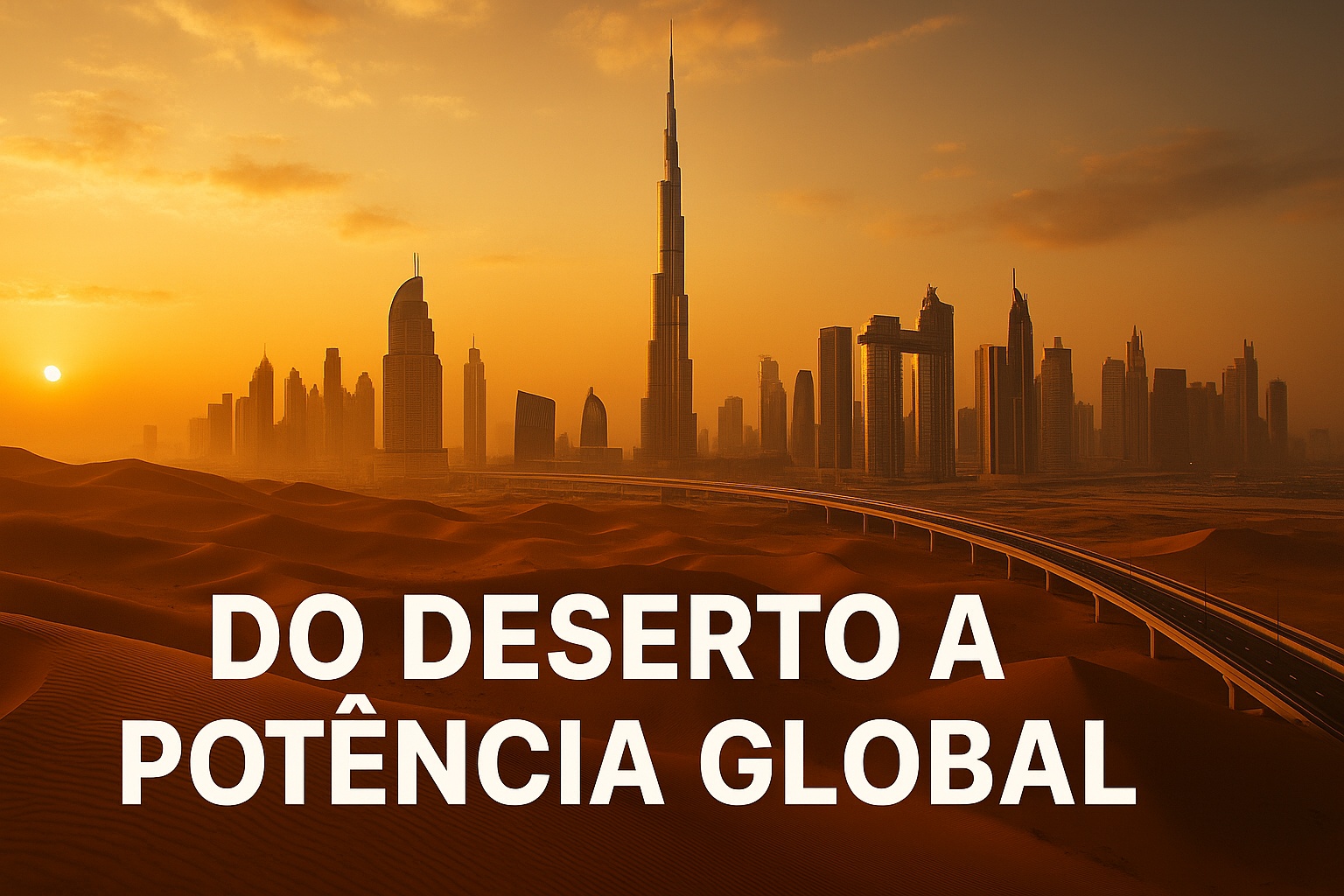

Smaller than the state of Santa Catarina, the United Arab Emirates moved from desert to modernity in 50 years and today are among the richest and most innovative economies in the world.
Just over half a century ago, what is now known as the United Arab Emirates was an almost forgotten territory on the map. An arid desert, dotted with fishing villages, Bedouin tents, and small communities that survived through pearl gathering and coastal trade. There were no roads, schools, or electricity, and life expectancy barely exceeded 50 years. Today, this territory smaller than the state of Santa Catarina hosts one of the wealthiest and most dynamic economies on the planet, with a GDP exceeding US$ 500 billion, billion-dollar skyscrapers, and human development indices comparable to those in Europe.
The transformation of the UAE is one of the fastest and most impressive in modern history. In just over five decades, the country moved from extreme poverty to the center of global capitalism — a turnaround driven by oil, strategic planning, education, technology, and a vision for the future that few developing countries have been able to replicate.
From Desert to Oil Discovery
The turnaround began in 1958, with the discovery of large oil reserves in the Abu Dhabi region, followed, years later, by finds in Dubai and Sharjah. Until then, the territory was a collection of small emirates under British protection, known as Trucial States.
-
Brazilian Students Turn Recycled Plastic Bottles into Synthetic Yarn for Scarves to Aid Needy Families

-
Why the Same Citrus Fruit Has Different Names Across Brazil and How Varieties Differ
-
India Paints Road Red and Uses Smart Asphalt to Slow Drivers and Protect Wildlife in Nature Reserve

-
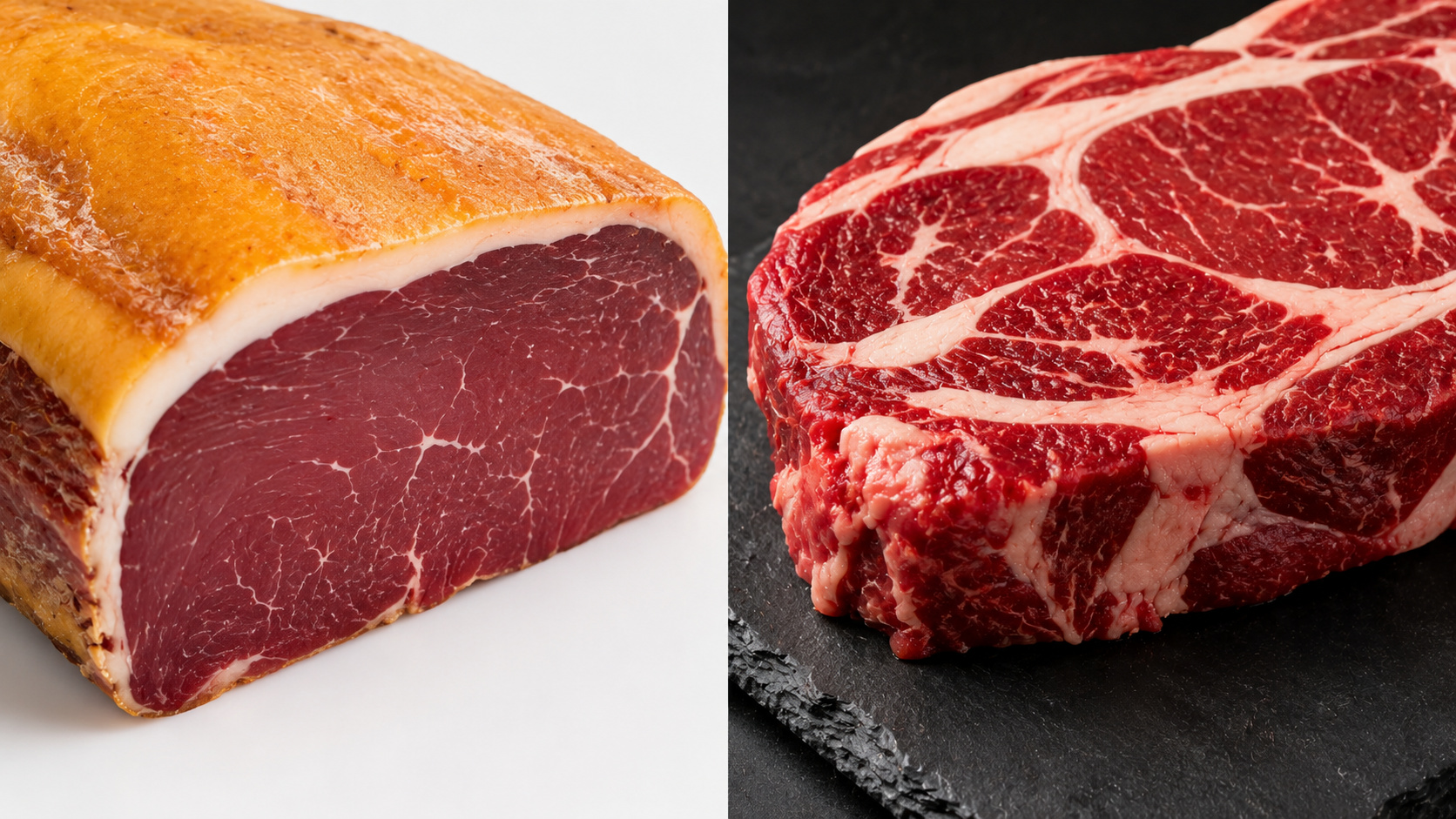
Yellow vs. White Fat: The Little-Known Difference That Can Impact the Quality and Flavor of Your Barbecue



When the United Kingdom announced the end of its guardianship in 1971, seven of these emirates — Abu Dhabi, Dubai, Sharjah, Ajman, Umm al-Quwain, Fujairah, and later, Ras al-Khaimah — united to form a new country: the United Arab Emirates (UAE). At the forefront of this project was Sheikh Zayed bin Sultan Al Nahyan, the visionary ruler of Abu Dhabi and the first president of the federation.


Zayed bet on a bold policy: using oil wealth to finance human development. In the following years, the country built modern infrastructure, schools, hospitals, and housing, while keeping the tribal population integrated into the new political system. Oil ensured financial stability, but it was planning that sustained the growth.
The Leap Into the Future: Smaller than the state of Santa Catarina, the United Arab Emirates remain in the spotlight
With the advance of urbanization, the UAE understood early on that relying solely on oil would be risky. Starting in the 1990s, Dubai led an economic transition based on services, tourism, and technological innovation. Under the leadership of Sheikh Mohammed bin Rashid Al Maktoum, the city underwent an architectural and business metamorphosis.
Artificial islands in the shape of palm trees, the world’s busiest international airport, and the Burj Khalifa, the tallest skyscraper ever built at 828 meters, were constructed. The country also invested in special economic zones and attracted regional headquarters of multinationals with favorable tax policies.
As a result, today, the non-oil sector represents over 70% of the UAE’s GDP. The economy has diversified into areas such as logistics, aviation, renewable energy, finance, and technology. The Port of Jebel Ali in Dubai is one of the largest in the world, and companies like Emirates Airlines have become global symbols of luxury and efficiency.
Education and Innovation as Legacy
The Emirati revolution was not limited to infrastructure. Since the 2000s, the country has been heavily investing in excellent education and scientific research. Universities like Khalifa University and Mohammed bin Zayed University of Artificial Intelligence rank among the most advanced in the Middle East.
The government launched research incentive programs in artificial intelligence, biotechnology, and space exploration. In 2021, the UAE made history by becoming the first Arab country to send a probe to Mars, the Hope mission developed by the UAE Space Agency.
These initiatives reflect the strategy known as “Vision 2031”, a long-term plan aimed at making the country a global hub for innovation and sustainability, reducing dependence on oil.
Oasis of Stability in the Middle East
In a region historically marked by conflicts, the UAE stands out as an oasis of political stability and security. The country has one of the lowest crime rates in the world and hosts over 200 nationalities living in harmony.
With a population of around 10 million inhabitants, of which 89% are foreigners, the country balances a traditional Arab identity with rare cosmopolitanism. Cities like Dubai and Abu Dhabi have become financial and cultural centers competing with London and New York.
Despite this, rapid growth has also brought challenges. The strong presence of foreign labor and income disparities between citizens and immigrants are recurring themes in internal debates about social equity. Nevertheless, the country continues to be a model of pragmatic governance and long-term planning, a rare combination in the global landscape.
From Tent to Skyscraper: The Legacy of Transformation
In just five decades, the United Arab Emirates has proven that natural wealth combined with strategic vision can turn the impossible into reality. The country has built not only monumental buildings but also a national project focused on prosperity and innovation.
Today, the desert that once housed caravans and Bedouin tents reflects the metallic shine of glass and steel towers. And on the horizon, the vision of a nation that, even smaller than the state of Santa Catarina — has reached one of the highest positions in the rankings of human and economic development on the planet.
As the world faces uncertainties, the UAE remains steadfast on its path of diversification, with the same motto of its founder Sheikh Zayed:
“The true treasure of a country is not its oil, but its people.”