





 Portuguese
 Spanish


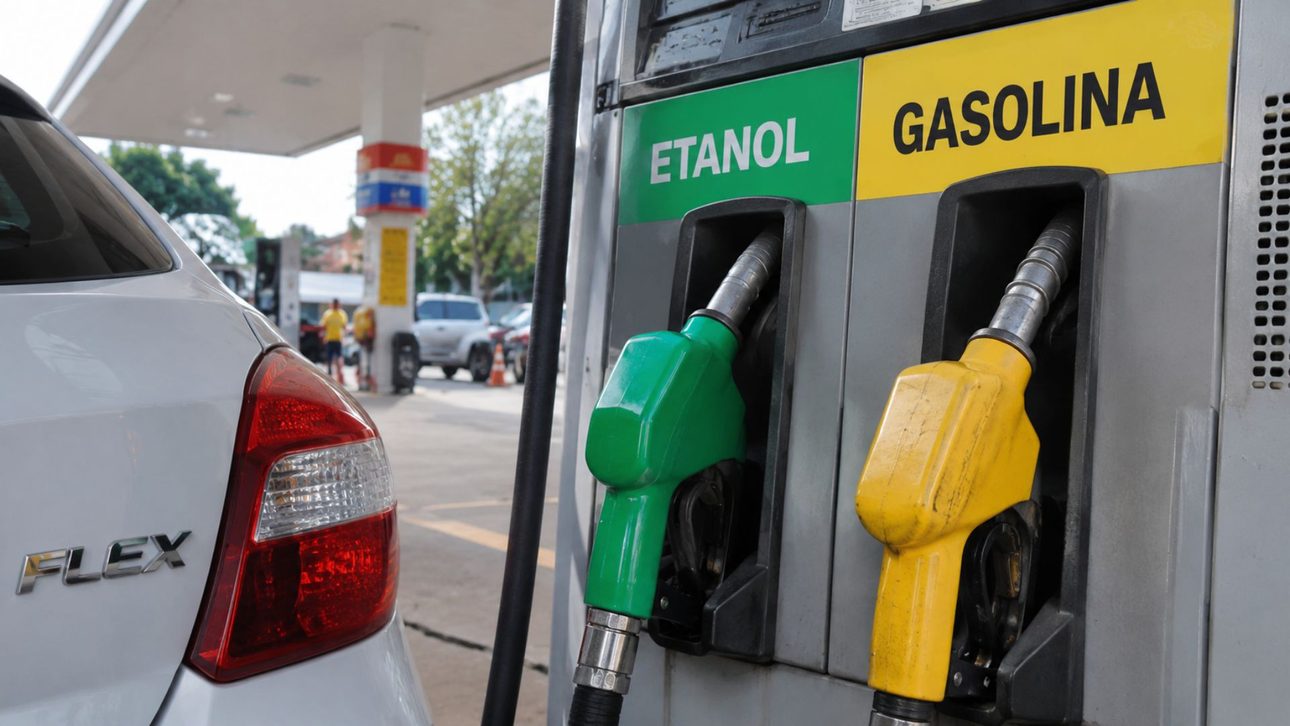

ANP’s weekly survey shows the biofuel rose 10 cents per liter, while gasoline gained just one cent; for flex-fuel vehicles, the most useful comparison depends on the price paid and the miles driven on each fuel.
The average price of hydrous ethanol rose from R$4.15 to R$4.25 per liter at Brazilian gas stations during the week of November 8-14, 2026, a 2.41% increase. In the same survey, regular gasoline edged up from R$6.47 to R$6.48, a 0.15% gain.
The figures come from the National Agency of Petroleum, Natural Gas and Biofuels (ANP), Brazil’s oil and gas regulator, and represent national averages from its weekly price survey. The price a driver actually finds may differ because prices vary by city, gas station and payment terms.
-
Brazil logs R$27.5 billion across 24 corn ethanol plant listings in seven states, but 14 show no construction underway

-
ANAC Approves New Rules for Sustainable Aviation Fuel with R$750 Penalty for Unreduced Metric Ton of CO₂ Starting 2027
-
Minas Gerais to get new plant capable of turning 500,000 tons of corn and sorghum into 225 million liters of ethanol a year
-
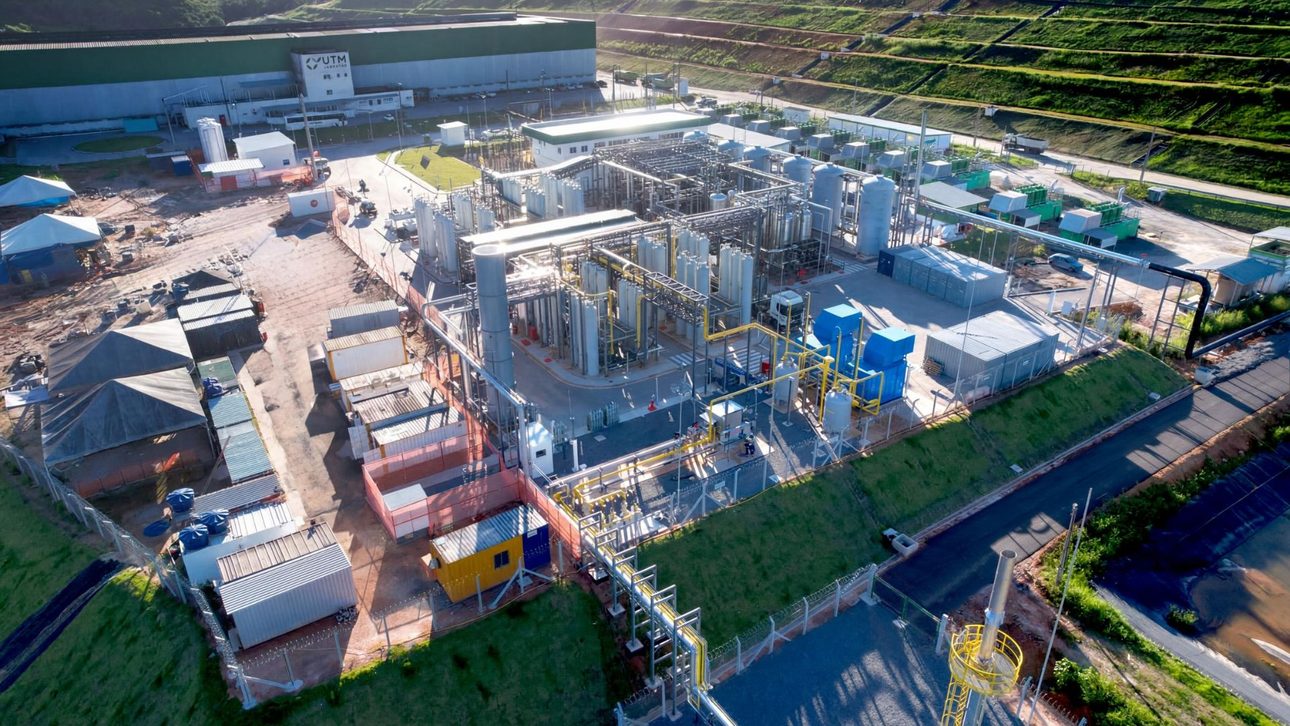
A R$258 million investment launches Pernambuco plant producing 108,000 cubic meters of biomethane a day from waste


Comparing the two averages puts ethanol at about 65.6% of the price of gasoline. In the previous week, which ended on November 7, 2026, the ratio was close to 64.1%, an increase of about 1.4 percentage points in the relative prices of the fuels.
This percentage helps frame the comparison, but it does not by itself determine which fuel will cost less to use in a flex-fuel vehicle. The result also depends on how far the car can travel on a liter of ethanol compared with a liter of gasoline.
Cost per mile shows how the choice differs by car
To calculate driving costs, a driver can divide the price per liter by the average number of miles per liter achieved with the corresponding fuel. The calculation should be repeated for ethanol and gasoline to compare the cost of each mile directly.
At the national average prices for the week of November 8-14, 2026, the 65.6% ratio also marks the break-even point for fuel economy. If a car travels at least 65.6% as far on ethanol as it does on gasoline, the biofuel will cost less per mile at those prices.
For example, a vehicle that gets 10 miles per liter on gasoline would need to get about 6.56 miles per liter on ethanol to match the driving cost, based solely on the national averages reported for the period.
The calculation changes when prices at the pump differ from the national averages. The most accurate comparison therefore uses the price actually charged at the gas station and the driver’s observed fuel economy with each fuel, rather than applying a fixed ratio regardless of the vehicle.
Traffic, road type, cargo and vehicle maintenance also affect fuel economy. These factors can change how far a car travels per liter and, in turn, alter the result even when fuel prices remain the same.
The trend in recent weeks shows that ethanol had already been getting more expensive before its 2.41% increase. The national average was R$4.11 in the week ended October 24, 2026, then rose to R$4.13 in the week ended October 31, 2026.
In the following week, ended November 7, 2026, the average price reached R$4.15 before climbing to R$4.25 in the survey covering November 8-14. From October 24 to November 14, 2026, the cumulative increase was therefore R$0.14 per liter.
Even after this series of increases, ethanol at R$4.25 was 0.93% below the price recorded in the corresponding week of November 2025. The year-over-year comparison and the change from October to November 2026 cover different periods, so they can point to different trends without contradicting each other.
Capital city averages show price differences across Brazil
The survey for the week of November 8-14, 2026, also shows differences among capital cities. Ethanol averaged R$4.09 per liter in São Paulo, R$4.50 in Belo Horizonte and R$4.83 in Rio de Janeiro.
Between São Paulo and Rio de Janeiro, the difference between average ethanol prices reached R$0.74 per liter. Belo Horizonte’s average was R$0.41 above São Paulo’s and R$0.33 below the average in the state capital of Rio de Janeiro.
The three prices also differed from the national average by varying amounts. São Paulo’s average price was R$0.16 below the country’s R$4.25 average, while Belo Horizonte’s was R$0.25 above it and Rio de Janeiro’s was R$0.58 above.
These differences show why the national relationship between ethanol and gasoline prices should not automatically be applied to every city. To make a local comparison, prices for both fuels must be taken from the same market and the same payment terms.
Nor does the average reported for a state capital represent a price that every retailer must charge. The survey compiles prices collected by the agency, while drivers may find different prices at stations in the area where they plan to refuel.
Payment method can also change the price used in the calculation. When a retailer offers different prices depending on payment terms, comparing cost per mile should be based on the price actually charged for the payment method the consumer chooses.
The weekly survey makes it possible to track these changes over time and compare averages across locations. For flex-fuel vehicles, however, the choice between ethanol and gasoline still depends on the combination of pump prices and the fuel economy achieved by the vehicle the driver uses.
The hydrous ethanol included in this comparison is sold directly to consumers and can be used in compatible vehicles. Anhydrous ethanol serves a different purpose: it is blended into regular gasoline sold at filling stations.


