Portuguese
  Spanish


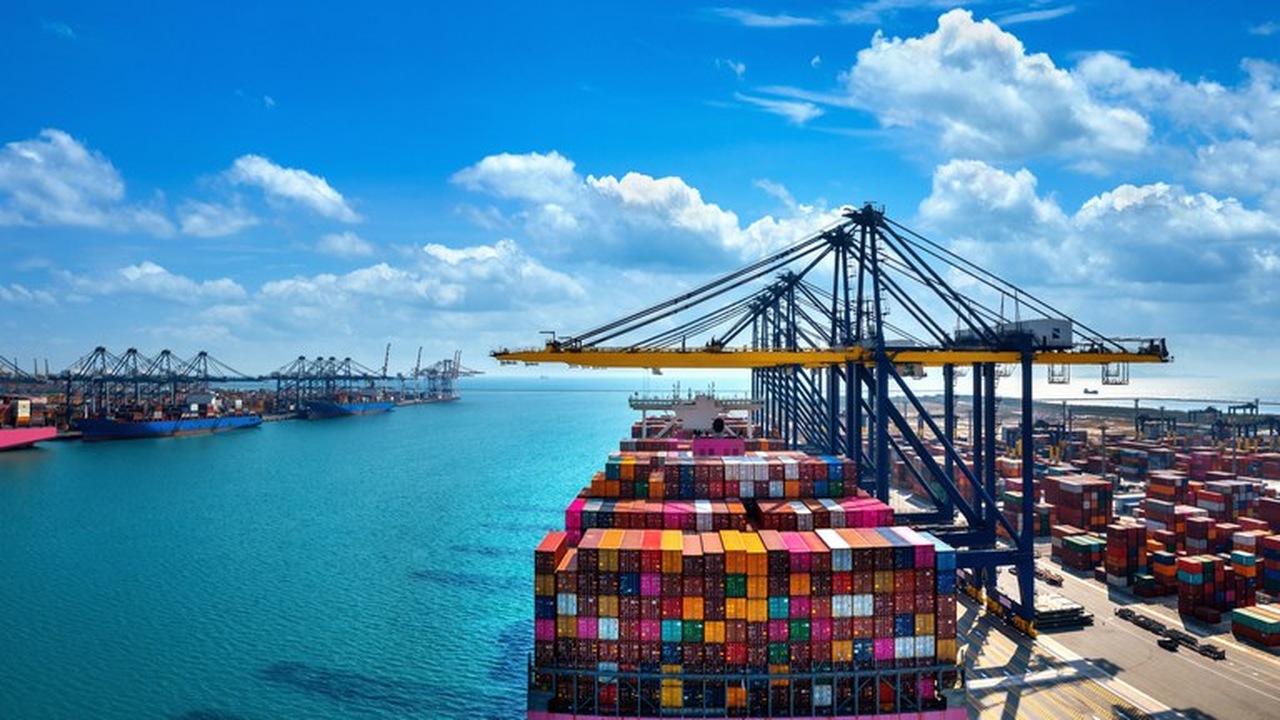

The Value Exported By Brazil In Recent Years Totaled Increased By About 19.1%, While The Value Of Imports Was 34.3% Greater Than That Registered In 2021. Nonetheless, The Brazilian Trade Balance Ended The Year With US$ 61.8 Billion In Surplus, At A Level Slightly Higher Than The US$ 61.4 Billion In 2021.
This Data Was Released This Monday (16) By The Brazilian Institute Of Economics Of The Getulio Vargas Foundation (FGV/Ibre), In The External Trade Indicator (Icomex). The Surplus Of The Extractive Industry Decreased From US$ 63 Billion In 2021 To About US$ 45.5 Billion In 2022, With The Sector Responsible For 22.8% Of The Country’s Exports. The Industry Of Transformations Experienced An Increase In Deficit From US$ 45.3 Billion To US$ 48.5 Billion, Accounting For About 55.7% Of The Brazilian Total.
“Agricultural Supply Restrictions Associated With The War In Ukraine And Climate Issues Increased Agricultural Prices, As The Increase In Export Volume Was 2.6% Lower Than That Of The Transformations Industry. In The Extractive Sector, Prices And Export Volumes Declined Due To Poor Iron Ore Performance. The Deficit In The Transformation Industry Has Been Recurring In Brazil’s Trade Balance Since 2009,” Explained FGV/Ibre.
Global Scenario
For This Year, The Institute Projects A Slower Growth Of The Global Economy, With Brazil’s Expansion Rate Below 1%, Along With Reductions In Both Exports And Imports.
-
At 14 years old, she worked in a factory in Hong Kong, studied economics abroad, and then entered the Chinese real estate market, which helped change the landscape of Beijing.

-
While NATO secured more than $10 billion in missiles and space surveillance at a single forum, Brazil still spends 1.1% of its GDP on defense and is stalling its own anti-aircraft system.

-
Corn ethanol attracts R$ 23 billion in 21 new plants and prepares for a nearly 50% jump in Brazilian production by 2027, even with high interest rates.
-
A newly opened terminal in the middle of the Amazon has begun transporting soy and corn through Amapá, eyeing the queue of ships that is congesting the ports in the South.


“The Price Of Oil Will Continue To Be Affected By Geopolitical Issues, And The Recovery Of Extractive Exports Also Depends On The Recovery Of Iron Ore Sales To China. In The Case Of Manufacturing, The Crises In The Argentina Do Not Favor Increases In Higher Value-Added Exports In The Automotive Sector. At First Glance, The Trade Balance For 2023 Is Expected To Be Lower Than That Of 2022,” Highlights FGV/Ibre.
“The War In Ukraine, The Climatic Effects On Crops, And The Bottlenecks Inherited And Still Not Fully Overcome From Covid-19 Explained The Increase In Import Prices, Which Impacted Global And Brazilian Inflation,” Explained FGV/Ibre.
There Was A Significant Increase In Export Volumes For All Markets, Except For China, Which Recorded A Decrease Of 2.8%, Affected By The Drop In Iron. Meanwhile, Beef Exports Saw An Increase Of About 81% To China.
China Grew By 12.6%, And The European Union Grew By 3.8% In Import Volumes. The United States Increased By 33.1%, The European Union By 19.6%, Argentina By 16.9%, And China Experienced A Nearly 13.6% Increase In Import Prices.